
CNHL Baterai Lipo
CNHL bertujuan menyediakan baterai Li-Po berkualitas tinggi dan produk RC kepada semua penggemar hobi dengan layanan pelanggan yang luar biasa dan harga yang kompetitif
Answer first: the CNHL AviNationRC Horten Ho 229 is not just an eye-catching flying wing. It is a compact twin-EDF RC plane that feels quicker, sharper, and more committed in the air than its size first suggests, while still staying practical enough to own without the burden that usually comes with larger EDF projects.

There are plenty of RC airplanes that look good in product photos and become less interesting once the novelty wears off. The CNHL AviNationRC Horten Ho 229 does not really fit that pattern. The first reason is obvious: the shape still looks unusual, even now. The second reason matters more: the airplane does not rely on shape alone. It has enough real flight character to justify taking it out again after the first session, which is exactly where many special-subject models lose momentum.
That combination is what makes this airplane worth talking about. It carries the silhouette of one of aviation history’s most recognizable unfinished flying-wing ideas, but it is not trying to survive as a museum conversation piece in foam. CNHL turned the Ho 229 idea into a small, usable, repeat-flyer platform with twin 35mm EDF units, a lightweight airframe, and a setup window that allows owners to choose between a lighter 3S direction and a more complete 4S personality.
If you want to see the airplane itself first, visit the CNHL AviNationRC Horten Ho 229 product page. If you are already focused on power choices, the matching battery collection for the Ho 229 is the natural next step.
The easiest way to explain the appeal of the Ho 229 is to say that it does not look like a normal airplane. That is true, but it is not enough. Plenty of strange airplanes exist. The reason this one keeps attracting attention is that the flying-wing form still feels dramatic and slightly unreal even when you already know what you are looking at. From the front it feels aggressive. From above it looks unusually clean. In the air it never really blends into the background.
That matters in RC more than many people admit. There are airplanes you buy because they are practical, airplanes you buy because they are familiar, and airplanes you buy because they create a very specific reaction every time you put them on the ground. The CNHL AviNationRC Horten Ho 229 belongs in the third group, but the useful surprise is that it also behaves like a serious small aircraft rather than a fragile one-flight curiosity.
It also helps that the subject sits in a different historical lane from a normal warbird. The Horten Ho 229 aircraft still carries the kind of recognition that comes from being unfinished, experimental, and constantly discussed in a half-mythical way. It is often searched as a Ho 229 aircraft, a Ho 229 jet, or even a Ho 229 bomber, which tells you that many people are still trying to understand what kind of airplane it really was. That ambiguity actually helps the RC version. It gives the model a stronger identity than an ordinary small jet without locking it into the same expectations as a classic tail-equipped WWII fighter.
The CNHL AviNationRC Horten Ho 229 does not fly like a slow, forgiving foam park flyer that happens to have EDFs installed. It feels more serious than that. The general impression is closer to a compact missile than a casual micro model, especially once it is set up on the stronger battery path. The airplane looks small, but it does not feel small in the lazy or toy-like sense. It feels compact in the efficient sense.

That difference shows up quickly. The airplane carries more urgency than many people expect from an 813mm flying wing, and it does not need a big field presence to feel interesting. Even partial throttle already gives it enough speed to feel purposeful. Once the power is opened up, the model starts behaving much more like a real small Ho 229 jet than a novelty flying wing made mainly for display.
The control feel also matters. This is not an airplane that needs to be made dull in order to feel stable. It responds quickly enough that starting on conservative throws is the sensible choice, especially for the first flights. Roll authority has a lively feel, and that liveliness is part of the airplane’s appeal. The good news is that it does not automatically turn into chaos. The model still holds together as a repeat flyer instead of demanding a heroic save on every pass.
One of the easiest mistakes with special-subject airplanes is assuming that unusual shape automatically means fragile flight behavior. The Ho 229 does not really reward that assumption. It is still a small, thin flying wing, so wind obviously matters, but the airplane does not collapse into nervousness the moment conditions stop being perfect. It remains useful, and that distinction is important.

That is part of why the no-gyro point matters. The airplane does not need to hide behind stabilization just to stay acceptable. It can be flown cleanly on its own terms, which is a much stronger endorsement than simply saying it “has enough power” or “looks cool.” A model like this earns repeat use when it still feels manageable in less-than-perfect reality, not only in ideal product photography conditions.
It is also worth saying that the Ho 229 feels different from a normal small EDF in the way pilots track it visually. Some aircraft become easier the more familiar the outline gets. This one stays visually distinctive in a way that is fun, but it also means owners should respect that distinctiveness and not assume every approach or attitude will look familiar immediately. That is part of the airplane’s charm and part of its learning curve.
The CNHL AviNationRC Horten Ho 229 gets much more interesting once you stop thinking of the battery as a simple consumable and start treating it as a setup decision. This airplane supports both 3S and 4S, and that means owners are not really buying one fixed personality. They are choosing between two different directions for the same airframe.
The 3S route is the lighter, calmer, more conservative option. It is the one that makes the most sense for pilots who want to keep the airplane closer to a lower all-up weight and push the model toward a sub-250g-ready direction when the final setup supports it. That does not make it a weak answer. It makes it the more restrained answer.

The 4S route is the one that feels most complete. That is why the official recommendation centers on the CNHL Lightning LiHV 750mAh 15.2V 4S 120C HV battery with XT30. It is the setup that brings out the sharper throttle response, the more convincing small-jet personality, and the more satisfying version of what this airframe is trying to be.
That does not mean every pilot should jump straight to the most aggressive interpretation. It means the airplane is honest enough to support both routes. If you want the complete small EDF experience, 4S is the answer. If you want the lighter route, 3S remains a real option. The good thing is that the battery decision is not random here. It genuinely changes the character of the airplane.
For the full battery breakdown, use the Ho 229 battery collection, which separates the stronger 4S path from the lighter alternatives more clearly.
On paper, some people will look at 813mm and assume the airplane is too small to feel satisfying. In practice, that size is one of its strongest advantages. The Ho 229 gets to keep the thing that makes it interesting, namely the flying-wing identity, without dragging the owner into all the extra friction that larger EDF aircraft create. Storage is easier. Transport is easier. Power cost is lower. The model is easier to bring out on a day when you are not trying to make a whole event out of flying.

That matters because the airplane’s unusual silhouette encourages repeated curiosity. A bigger EDF project might feel more impressive once a month. This one feels easier to fly often enough that the uniqueness stays active instead of becoming inconvenient. That is a big reason it works so well as a real product and not just as a concept piece.
The low airframe weight matters here too. Starting from a 174g bare airframe gives the setup enough room to feel lively rather than bloated, even once the actual flying configuration is added. That is the kind of detail that keeps an unusual airplane from turning into a burden. It helps the model feel intentional instead of overloaded.
The CNHL AviNationRC Horten Ho 229 was designed around two practical flight configurations, and that is more important than it first sounds. Flying without landing gear is not a compromise. It is one of the natural ways to use the airplane. Hand launching and belly landing suit the shape well, and the airframe was built with that in mind from the beginning.
The optional landing gear creates a different ownership feel. It makes sense if you have a smooth enough surface and want the added satisfaction of runway takeoffs and landings. It also makes the model look more complete on the ground. But it is not something every owner has to install immediately. In fact, some pilots will prefer to leave it off between flights simply because storage and transport become easier.
The same logic applies to the lower fin arrangement. It is not just decoration. It is part of making the airplane work properly. This is the kind of product where the “small setup details” are actually central to the whole experience. That is not a flaw. It is part of what separates the Ho 229 from a generic foam airframe that treats every component as an afterthought.

This airplane makes the most sense for a pilot who already knows that visual sameness has become a problem in the hangar. If you already own enough normal-looking small foam models and ordinary compact jets, the Ho 229 becomes very easy to justify. It gives you a genuinely different shape, a more unusual ownership story, and enough real performance to keep the airplane relevant after the first flights.
It also suits buyers who appreciate setup decisions and do not mind an aircraft with a little more identity. This is not a calm first trainer. It is not the easiest “just throw it in the air and forget it” purchase. But it is also not an impractical collector object. It sits in the much more interesting middle ground where the airplane feels special without feeling unusable.

If your priority is maximum forgiveness, there are easier places to start. If your priority is owning something that feels different every time you take it out, while still being small enough to stay practical, the CNHL AviNationRC Horten Ho 229 makes a very strong case for itself.
Is the CNHL AviNationRC Horten Ho 229 mainly a display model?
No. The shape definitely gives it display value, but the more important point is that it also flies with enough speed and character to justify regular use. That is what separates it from many one-weekend novelty subjects.
Does the Ho 229 need a gyro?
No. The airplane is designed to fly cleanly without needing a gyro-based setup, which is a big part of why it feels more serious and more honest as a product.
Is the Ho 229 a jet?
Yes. The original Ho 229 concept was developed as a jet-powered flying-wing aircraft, and that jet identity is one of the reasons the RC version feels different from a typical small foam plane.
Was the Ho 229 a bomber?
Not in the conventional way people think about classic WWII bombers. It is better understood as a German experimental flying-wing aircraft project, which is why it is so often discussed as a special case.
Should I choose 3S or 4S for the Ho 229?
Choose 3S if you want the lighter, calmer route. Choose 4S if you want the more complete and more performance-minded version of the airplane’s twin-EDF character.
Where do I find the battery guide, manual, and spare parts?
Use the battery collection, the manual, and the spare parts collection.
CNHL bertujuan menyediakan baterai Li-Po berkualitas tinggi dan produk RC kepada semua penggemar hobi dengan layanan pelanggan yang luar biasa dan harga yang kompetitif
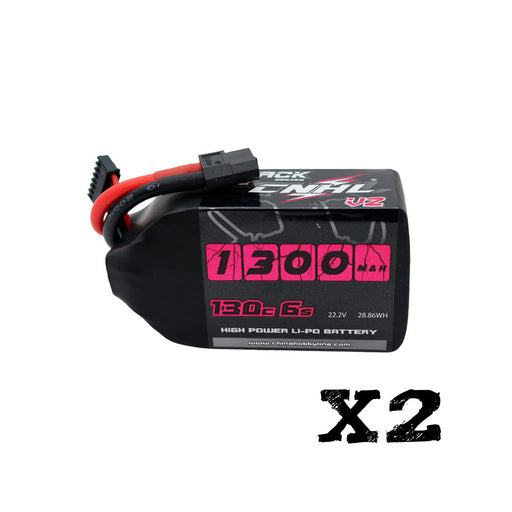
Pemeriksaan Kesesuaian Cepat 2 Packs CNHL Black Series V2.0 1300mAh 22.2V 6S 130C LiPo Battery dengan Colokan XT60 sangat cocok untuk pilot FPV yan...
Lihat detail lengkap

Suku Cadang & Dukungan Jangka Panjang Kami memahami bahwa bagi pilot RC, dukungan suku cadang yang andal merupakan bagian penting untuk m...
Lihat detail lengkap
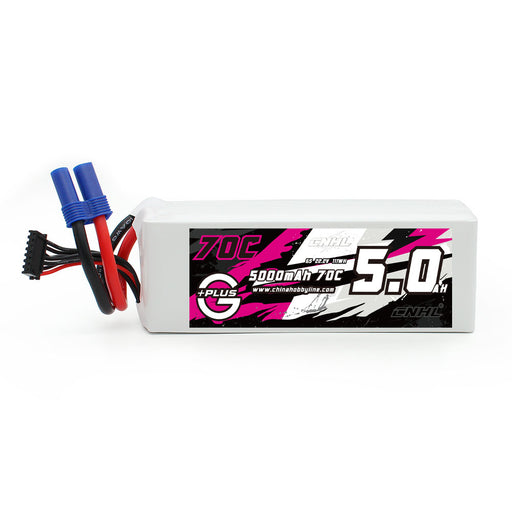
Spesifikasi: Nomor Stok: 500706EC5 Kapasitas: 5000mAh Voltase: 22.2V / 6-Sel / 6S1P Tingkat Discharge: 70C Kontinu / 140C Ledakan Tingkat Pengisi...
Lihat detail lengkap
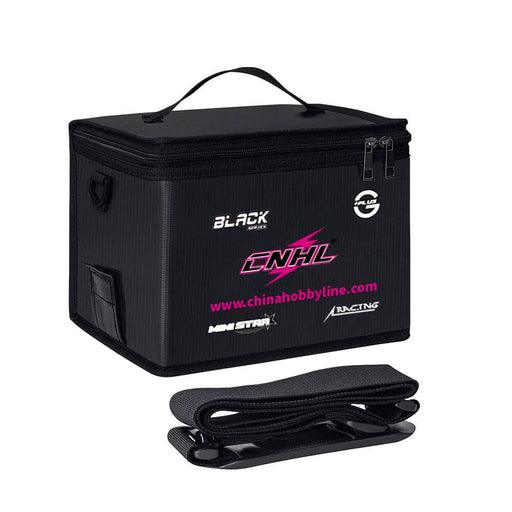
Tas Baterai LiPo CNHL dirancang untuk pengisian, transportasi, dan penyimpanan LiPo yang lebih aman di rumah atau di lapangan. Tas ini menambahkan ...
Lihat detail lengkapPemeriksaan Pemasangan Cepat 2 Paket CNHL Speedy Pizza Series Pro 1350mAh 6S 150C LiPo Battery dengan colokan XT60 dibuat untuk pilot FPV 5 inc...
Lihat detail lengkap

The WNF Mitsubishi Lancer Evolution IX is an officially licensed Mitsubishi Motors 1:64 RC drift car that combines detailed Evo IX styling with rea...
Lihat detail lengkap

The ISDT K4 is a high-power 8S LiPo smart dual charger built for demanding RC battery setups. It combines two independently controlled charging cha...
Lihat detail lengkap

The ISDT PC-4860S is a compact four-port XT60 parallel charging board designed for experienced RC and FPV users who want to connect multiple co...
Lihat detail lengkap

Quick Take: This officially licensed WNF 1:43 Land Rover Defender 110 Pick-Up RC crawler combines the proportions and detailing of the 1993 ...
Lihat detail lengkap

Quick Fit Check Continuous / Peak Current: 20A / 30A peak Battery: 3-4S LiPo BEC: No Motor Connectors: 3.5mm gold female ...
Lihat detail lengkap


Tinggalkan komentar