
Baterías CNHL Lipo
CNHL tiene como objetivo proporcionar baterías Li-Po de alta calidad y productos RC a todos los entusiastas del hobby con un excelente servicio al cliente y precios competitivos

Si alguna vez has comprado un “parapente RC” y pensaste, “Espera, ¿por qué tiene una hélice?”, no estás solo. En la aviación a escala real, las palabras parapente y paramotor son dos cosas diferentes. En RC, esas etiquetas se confunden rápido, especialmente en kits RTF que llegan con un motor ya instalado.
Esta publicación es un desglose práctico, centrado en el hobby: qué suelen significar estos nombres, por qué las marcas los usan de forma inconsistente y cómo se comparan dos ejemplos populares: un “Para RC Glider” de Stirlingkit vendido como RTF, y el HobbyKing H-King Paramotor V2 vendido como PNF.
Términos a escala real (vida real):
Términos RC (cómo usa realmente el hobby las palabras):
Así que sí: es completamente normal ver dos productos RC motorizados donde uno está etiquetado como “parapente” y el otro como “paramotor”. La diferencia suele ser más sobre la categoría del producto y el marketing que sobre la existencia de un motor.
Aquí están las razones más comunes por las que las marcas se quedan con “parapente” incluso cuando claramente hay un motor:
Un buen ejemplo es el listado de Stirlingkit que usa las palabras “Para RC Glider” y “parapente acrobático RC”, mientras que el producto en sí está claramente motorizado.

El modelo Stirlingkit se vende como un kit estilo parapente motorizado RTF. Se presenta como una entrada lista para volar con opciones de vela (envergadura de 150cm o 236cm) y opciones de paquete que incluyen múltiples baterías. La ficha técnica mostrada para la versión de ala más grande destaca un motor 2217, ESC de 40A y configuración de batería 3S 5200mAh.
En uso real, esta categoría tiende a sentirse “perdonadora” comparada con muchos aviones de ala fija: el ala se infla, las líneas se cargan, y vuelas más como si manejaras una cometa con empuje en lugar de hacer ángulos de banco fuertes. Una conclusión tipo reseña que coincide con lo que muchos pilotos dicen es: los materiales pueden ser básicos (estructura de plástico), pero el vuelo puede ser sorprendentemente disfrutable una vez ajustado.

HobbyKing etiqueta su modelo muy claramente como un Paramotor, y el formato importa: este es PNF (Plug and Fly), lo que usualmente significa que traes tu propio equipo de radio y batería de vuelo. HobbyKing especifica que necesitarás un transmisor computarizado de 3 canales (o más) que pueda hacer mezclas y curvas, además de un receptor, y una LiPo 3S de 4000 a 6000mAh.
Esta es una gran razón por la que el nombre “paramotor” se siente más coherente aquí: está posicionado como un “modelo aéreo RC adecuado” que configuras y ajustas, no solo un paquete RTF tipo juguete. También tiene una opción visible de barra de luces LED y un ecosistema completo de piezas de repuesto, típico de una línea de productos con trayectoria.
Mucha gente piensa que la elección entre parapente y paramotor es principalmente sobre el motor. En RC, la diferencia más grande suele ser cómo quieres poseerlo.
Esto coincide con un patrón de comentarios que compartiste de un video popular de unboxing: al piloto le gustó el rendimiento de vuelo pero deseaba que hubiera una versión “sin radio” para usar con su propio transmisor multiprotocolo. Ese es exactamente el vacío que los modelos PNF están diseñados para llenar.
Los modelos de dosel motorizado no vuelan como un avión RC típico. Estás equilibrando empuje, entrada de freno y estabilidad de péndulo bajo un ala suave. Pero aún hay diferencias notables entre muchos kits RTF de “parapente motorizado” y una plataforma más claramente posicionada como “paramotor”.
| Modelo | Cómo está etiquetado | Tipo de paquete | Tamaño del ala | Especificación típica de batería | Mejor para |
|---|---|---|---|---|---|
| Stirlingkit 2.4G Para RC Planeador | Estilo parapente motorizado (a menudo vendido como “parapente”) | Paquetes RTF (con opciones de cantidad de baterías) | Opciones de 150cm o 236cm | El listado muestra 3S 5200mAh para el bloque de especificaciones de ala más grande | Entrada amigable para principiantes, arranque rápido, sesiones de vuelo casuales |
| HobbyKing H-King Paramotor V2 con barra de luces LED | Paramotor | PNF (trae tu propio equipo de radio) | 2400mm | Recomienda 3S 4000–6000mAh (más requisitos de radio/receptor) | Aficionados que quieren ajustar curvas/mezclas de radio y mantener su propio ecosistema de transmisor |
Nota: El objetivo aquí es comparación práctica, no taxonomía perfecta. Muchos vendedores RC usan “parapente” como nombre de categoría incluso cuando está motorizado.
Si estás combinando baterías para un parapente motorizado / construcción de paramotor 3S, mantengo los packs adecuados agrupados aquí para conveniencia: Baterías 3S RC Lipo para parapentes y paramotores RC.
Si ya tienes uno de estos y estás organizando packs de vuelo y conectores para uso en aeronaves RC, puedes explorar nuestra colección de baterías para aviones RC aquí: Baterías para aviones CNHL.
P: Si tiene motor, ¿es automáticamente un paramotor?
R: En términos a escala real, sí. En términos de tiendas RC, no siempre. Muchas tiendas mantienen “parapente” como nombre de categoría porque describe el tipo de vela.
P: ¿Por qué algunos kits solo vienen como RTF?
R: RTF reduce problemas de soporte. Un sistema de radio empaquetado significa menos quejas de “no se enlaza” o “mis mezclas están mal”. La desventaja es menos flexibilidad para pilotos con un transmisor multiprotocolo.
P: ¿Es mejor el HobbyKing Paramotor V2 solo porque se llama paramotor?
R: No automáticamente. La mayor diferencia es PNF vs RTF. Si quieres usar tu propia radio, PNF suele ser la opción más limpia a largo plazo.
P: ¿Cuál es la mejor primera mejora?
R: La sintonización de radio (expo, curvas y mezclas) generalmente aporta más beneficio que buscar potencia extra. Un ala más suave es un ala más tranquila.
¿Has volado un parapente motorizado que se vendía como “parapente” (no “paramotor”)? ¿O has construido un sistema de paramotor alrededor de tu propio transmisor y mezclas? Comparte tu experiencia en los comentarios, especialmente qué te ayudó más en tu primer lanzamiento exitoso.
CNHL tiene como objetivo proporcionar baterías Li-Po de alta calidad y productos RC a todos los entusiastas del hobby con un excelente servicio al cliente y precios competitivos
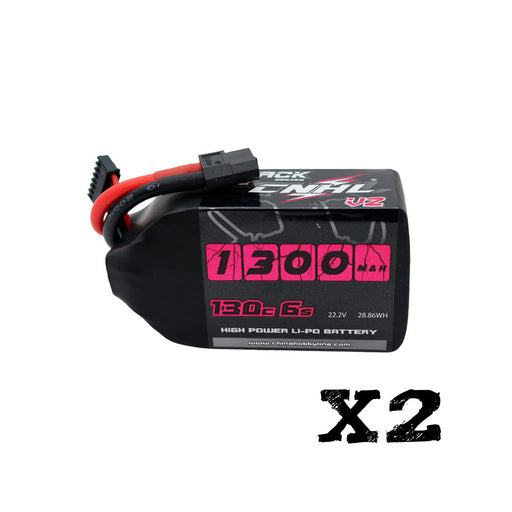
Comprobación rápida de compatibilidad Las 2 baterías LiPo CNHL Black Series V2.0 de 1300mAh, 22.2V, 6S, 130C con conector XT60 son una excelente op...
Ver detalles completosPiezas de repuesto y asistencia a largo plazo Sabemos que, para los pilotos de RC, contar con un suministro fiable de piezas de repuesto es i...
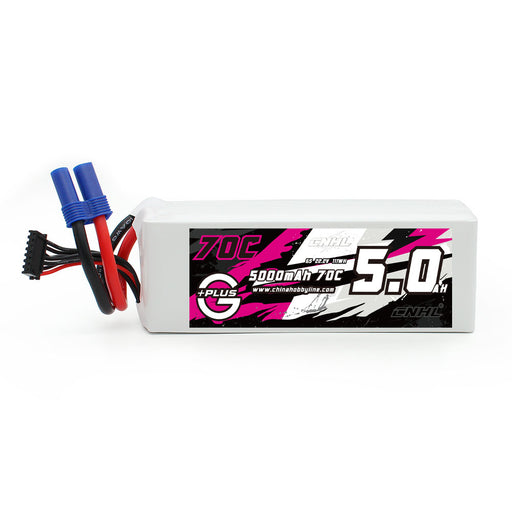
Ver detalles completosEspecificaciones: Número de Stock: 500706EC5 Capacidad: 5000mAh Voltaje: 22.2V / 6-Celdas / 6S1P Tasa de Descarga: 70C Continua / 140C Ráfaga Tas...
Ver detalles completos
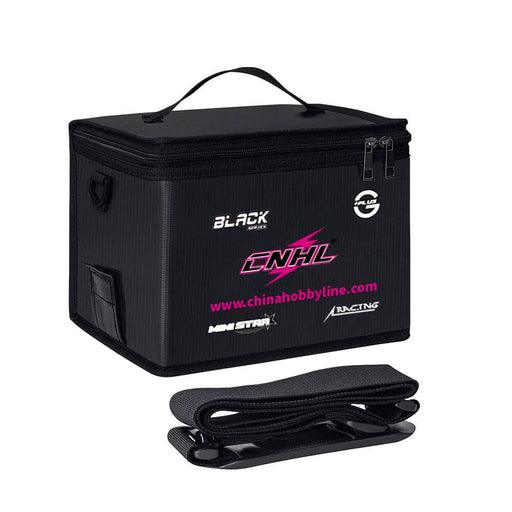
La bolsa de batería LiPo CNHL está diseñada para una carga, transporte y almacenamiento más seguros de LiPo en casa o en el campo. Añade una capa p...
Ver detalles completosChequeo rápido de ajuste El Paquete de 2 baterías CNHL Speedy Pizza Series Pro 1350mAh 6S 150C LiPo con enchufe XT60 está diseñado para pilotos...
Ver detalles completos

La celda de batería de ion-litio CNHL Long Range Series BAK 65E de 6350mAh 21700 está diseñada con una prioridad clara: máxima energía almacenada a...
Ver detalles completos

La celda de batería Li-ion CNHL Long Range Series BAK 50D de 5000mAh y formato 21700 está diseñada para packs de baterías personalizados de alta en...
Ver detalles completos

El ISDT C4 EVO es un cargador inteligente de baterías versátil, diseñado para pilas AA, AAA y celdas cilíndricas recargables, desde las compactas b...
Ver detalles completos

La batería CNHL Long Range Series 6350mAh 21.6V 6S1P 21700 Li-ion combina seis celdas BAK 65E de alta energía en un paquete de 137.16Wh diseñado pa...
Ver detalles completos

La batería CNHL Long Range Series de 5000mAh y 21.6V 6S1P 21700 Li-ion combina seis celdas BAK 50D en un pack compacto de 108Wh diseñado para FPV d...
Ver detalles completos




Deja un comentario