
CNHL Baterai Lipo
CNHL bertujuan menyediakan baterai Li-Po berkualitas tinggi dan produk RC kepada semua penggemar hobi dengan layanan pelanggan yang luar biasa dan harga yang kompetitif

Freewing BAC Lightning 64mm EDF adalah salah satu proyek langka yang terasa segar begitu muncul di layar. Di pasar yang penuh dengan F-16 dan F-15 yang sudah masuk revisi ketiga atau keempat, melihat English Electric Lightning yang dibuat dari busa langsung menarik perhatian. Model ini kompak, ramah untuk diluncurkan dengan tangan, dan tetap membawa siluet “mesin bertumpuk” yang tak salah lagi yang membuat pesawat skala penuh menjadi ikon.
Anggap ini sebagai laporan lapangan: bagaimana sebenarnya 64mm Lightning berperilaku di udara, apa yang dikatakan komunitas tentangnya, dan apa yang perlu dipertimbangkan saat memilih baterai dan mengatur model.

BAC Lightning asli memegang tempat khusus dalam sejarah penerbangan. Ia adalah interceptor supersonik buatan Inggris yang terkenal dengan performa pendakian dan tumpukan mesin kembar yang khas. Sampai sekarang, banyak pilot RC yang menerima bahwa jika mereka menginginkan Lightning, mereka harus membangun dari nol atau memodifikasi rangka pesawat lain secara berat.
Itulah mengapa reaksi terhadap rilis 64mm ini sangat kuat. Dalam komentar dan forum, para pilot menggambarkannya sebagai jet supersonik pasca-perang favorit mereka, dengan beberapa orang secara terbuka mengakui akan membeli satu hanya karena menghargai subjeknya. Yang lain sudah mulai meminta versi 70mm, 80mm, atau bahkan 90mm, plus model pendamping seperti Blackburn Buccaneer atau MiG-25 yang bisa diluncurkan dengan tangan.
Bagian menariknya adalah banyak pilot ini bukan hanya kolektor. Mereka menginginkan Lightning yang bisa dilempar dari tangan, terbang keras di lapangan lokal, dan langsung dimasukkan kembali ke mobil setelah sesi selesai. Itulah ceruk yang ingin diisi oleh EDF 64mm ini.

Saat menonton model terbang, satu hal langsung terlihat: ia lepas dari tangan dengan bersih. Dengan sistem tenaga 4S yang solid di belakang kipas 64mm 12 bilah, Lightning naik tanpa drama. Ia tidak memerlukan lari panjang, tidak melambat, dan tidak menuntut lemparan javelin yang sempurna. Lemparan datar yang kuat dan sedikit tindak lanjut sudah cukup untuk membuatnya “naik ke step” dan siap bekerja.
Ini adalah jenis jet yang mengundang Anda untuk terbang “hanya satu pack lagi” dalam perjalanan pulang. Rangka pesawat cukup kecil untuk disimpan dalam keadaan terpasang penuh, dan rutinitas peluncuran tangan cukup sederhana sehingga Anda tidak memerlukan landasan berwarna atau lapangan klub besar. Sebidang rumput yang jelas dengan ruang untuk mendarat sudah cukup.
Jika Anda pernah menerbangkan jet Freewing 64mm lainnya, Lightning akan terasa familiar dengan cara terbaik. Ia memiliki kepribadian toss-and-boss yang sama: akselerasi cepat, loop mudah, dan kemauan untuk berubah arah saat Anda memintanya.
Bentuk Lightning bukan hanya untuk tampilan. Fuselage memiliki “penjepit” alami yang memudahkan pegangan untuk peluncuran tangan, dan stabilizer horizontal yang sepenuhnya dapat bergerak lebih dari sekadar detail skala. Ini memberikan kontrol pitch yang tajam dan memungkinkan model bertransisi dengan mulus antara lintasan lambat high-alpha dan lari rendah yang cepat.
Livery dan roundel Skadron No. 92 RAF sangat mencolok di udara, memudahkan menjaga orientasi saat melakukan tikungan banking agresif. Garis intake bertumpuk dan outline jetpipe tetap mudah dikenali bahkan dari kejauhan, yang membantu saat Anda terbang tanpa gyro dalam kondisi bergelombang.
Detail penuh perhatian lainnya adalah lokasi penghubung dan engsel aileron. Perangkat kontrol dijaga agar tidak terkena bahaya, jadi saat Anda menggeser model dengan posisi perutnya, kemungkinan tersangkut pada horn atau merusak garis engsel di rumput atau landasan pacu jauh lebih kecil.
Di udara, BAC Lightning 64mm berperilaku seperti pesawat tempur kecil yang selalu ingin melakukan sesuatu. Pesawat ini berguling dengan mulus, melacak dengan baik melalui putaran besar yang lebar, dan tidak kesulitan menarik ke tanjakan vertikal saat Anda menambah throttle. Setup 4S memberikan dorongan yang cukup untuk terasa mengasyikkan tanpa mendorong rangka pesawat menjadi roket yang tidak terkendali.
Salah satu aspek yang lebih mengejutkan dari model ini adalah perilaku kecepatan rendahnya. Dengan hidung terangkat dan angin sejajar dengan landasan, Lightning dapat mempertahankan sikap high-alpha yang terhormat dan mengurangi kecepatan tanpa menjatuhkan sayap. Pesawat ini tidak akan melayang seperti glider besar, tetapi juga tidak langsung jatuh dari langit saat Anda mengendurkan throttle.
Tes stall menunjukkan bahwa ketika elevator ditarik sepenuhnya ke belakang, pesawat cenderung melunak dan menetap daripada tiba-tiba menukik agresif. Itu memberi Anda sedikit margin kesalahan saat pendekatan, terutama jika Anda salah menilai ketinggian pada percobaan pertama dan perlu pulih. Juga perlu dicatat bahwa penerbangan demo sering berlangsung dalam angin silang tanpa gyro terpasang, namun jet tetap melacak dan merespons secara prediktabel.

Mendaratkan Lightning cukup mudah tetapi mendapat manfaat dari pengaturan yang matang. Model ini menggunakan tailplane yang bisa bergerak penuh, yang bisa berada cukup rendah pada elevasi elevator tinggi. Saat mendarat, terutama saat belly-landing, membantu untuk mengatur mid-rate atau landing rate pada elevator. Itu menjaga trailing edge tail tetap di atas area skid sehingga tidak menjadi titik kontak pertama dengan tanah.
Rutinitas pendaratan itu sendiri sederhana: sejajarkan ke arah angin, kurangi tenaga, pertahankan sikap hidung sedikit terangkat, dan biarkan rangka pesawat menetap. Jika Anda datang terlalu cepat atau merasa terburu-buru, go-around adalah asuransi murah. Pesawat ini cukup ringan sehingga tidak ada penalti untuk berputar kembali mencoba lagi.
Respon komunitas terhadap Lightning sangat antusias. Beberapa pilot menggambarkannya sebagai subjek yang sudah lama dinantikan dan hampir menyerah untuk melihatnya dalam bentuk foam. Yang lain sudah memutuskan akan membeli satu hanya untuk menunjukkan dukungan dengan harapan melihat versi yang lebih besar di masa depan.
Ada tema yang berulang dalam umpan balik. Banyak komentar menyoroti betapa stabil dan terkunci model ini di udara, bahkan saat melewati rendah dan manuver high-alpha. Ada juga permintaan kuat untuk varian 70mm atau 90mm dengan retract dan rem, plus permintaan untuk pesawat pendamping seperti Buccaneer, Vulcan, dan berbagai pesawat tempur klasik serta pelatih yang jarang mendapatkan perlakuan EDF modern.
Dari perspektif pasar, tingkat keterlibatan itu penting. Ketika pilot tidak hanya membeli sebuah model tetapi juga meminta seluruh keluarga produk di sekitarnya, Anda tahu subjek tersebut telah menyentuh hati.
Di bawah penutup pegas, kompartemen baterai Lightning menawarkan ruang lebih dari yang Anda kira untuk jet sekecil ini. Rangka pesawat dirancang untuk setup 4S, dengan rentang yang direkomendasikan biasanya berada di kisaran 1800–2200mAh. Itu adalah titik manis di mana berat, waktu terbang, dan kemudahan peluncuran tangan semuanya seimbang.
Untuk sebagian besar pilot, baterai 4S 2200mAh berkualitas dengan konektor XT60 adalah titik awal yang ideal. Ini menjaga model cukup ringan untuk diluncurkan dengan mulus sambil tetap memberikan waktu terbang yang memuaskan dan performa vertikal yang kuat. Jika Anda menginginkan tenaga lebih untuk lintasan berenergi tinggi berulang, baterai dengan rating C lebih tinggi dalam rentang kapasitas yang sama adalah peningkatan yang logis.
Beberapa pilot EDF berpengalaman mungkin ingin bereksperimen dengan baterai 4S yang lebih besar sekitar 3000mAh untuk memperpanjang waktu terbang. Kompartemen Lightning dapat menampung kelas baterai ini, tetapi berat tambahan sebaiknya dipasangkan dengan lepas landas bergulir menggunakan roda pendaratan opsional dan landasan yang cukup panjang. Saat menggunakan baterai 3000mAh yang dilengkapi dengan konektor XT90, adaptor yang andal sangat penting.
Berikut tiga contoh jenis baterai yang sesuai dengan kebutuhan 4S Lightning dan mencakup berbagai gaya terbang:
Apapun kapasitas yang Anda pilih, luangkan waktu untuk mengonfirmasi pusat gravitasi dengan baterai pilihan Anda sebelum penerbangan perdana. Perubahan kecil dalam posisi baterai dapat membuat perbedaan yang nyata pada seberapa antusias Lightning berputar dan seberapa percaya diri ia melacak pada kecepatan tinggi.
Lightning tidak ditujukan untuk pemula mutlak. Ini masih merupakan jet EDF cepat dengan ekor yang dapat bergerak penuh dan beban sayap yang cukup tinggi dibandingkan dengan pesawat pelatih. Namun, bagi pilot yang sudah memiliki pengalaman dengan EDF yang lebih kecil atau warbird baling-baling berperforma tinggi, ini menawarkan langkah berikutnya yang sangat mudah diatur.
Ini sangat cocok untuk:
Bisakah Lightning terbang dengan 3S?
Pesawat ini dioptimalkan untuk sistem tenaga 4S. Meskipun mungkin bisa terbang dengan 3S dengan setup yang sangat ringan, performa akan berkurang secara signifikan dan model tidak akan mencerminkan cara terbang yang dirancang. Untuk peluncuran tangan yang percaya diri, performa vertikal yang kuat, dan suara EDF khas, 4S adalah pilihan yang direkomendasikan.
Apakah gyro diperlukan?
Gyro tidak wajib. Banyak penerbangan demo dilakukan tanpa stabilisasi, bahkan dalam angin sedang, dan model masih melacak dengan baik. Namun, gyro tiga sumbu sederhana dapat membantu meratakan hembusan angin dan membuat pendaratan terasa lebih santai, terutama bagi pilot yang baru mengenal jet peluncur tangan.
Jenis landasan seperti apa yang dibutuhkan?
Lightning dirancang sebagai jet lempar-dan-terbang, jadi dapat diterbangkan dari lapangan rumput selama ada ruang yang cukup untuk mendarat. Dengan gear pendaratan tetap opsional terpasang, ia juga dapat beroperasi dari landasan aspal yang lebih pendek atau landasan tanah halus menggunakan lepas landas bergulir.
Bagaimana perbandingannya dengan EDF 64mm lainnya?
Jika Anda pernah menerbangkan F-16 Freewing yang lebih kecil atau jet 64mm serupa, Lightning akan terasa familiar dalam rasio dorong-terhadap-berat dan kecepatan umum. Yang membuatnya menonjol adalah siluet uniknya, ekor yang dapat bergerak penuh, dan sensasi menerbangkan sesuatu yang tidak Anda lihat di setiap lapangan.
Bisakah saya menggunakan paket 4S yang lebih berat untuk penerbangan lebih lama?
Ya, tapi dengan beberapa catatan. Paket 4S yang lebih besar sekitar 3000mAh paling baik dipasangkan dengan lepas landas bergulir dan landasan yang lebih panjang. Mereka meningkatkan waktu terbang dan membantu dalam kondisi berangin, tetapi juga menaikkan kecepatan stall dan mengurangi kemudahan peluncuran tangan. Selalu konfirmasi pusat gravitasi Anda saat mengganti ukuran paket.
Jika Anda berencana menambahkan Freewing BAC Lightning 64mm EDF ke hangar Anda dan menginginkan daftar fokus paket 4S yang cocok, kami telah mengumpulkan beberapa opsi yang direkomendasikan di satu tempat. Paket-paket ini dipilih untuk kemudahan peluncuran tangan, performa EDF yang kuat, dan waktu terbang yang praktis.
Baterai LiPo 4S yang direkomendasikan untuk Freewing BAC Lightning 64mm EDF
Apakah Anda memilih yang ringan untuk kesenangan lempar-dan-terbang murni atau memuatnya untuk penerbangan berenergi tinggi yang lebih lama, Lightning adalah salah satu jet yang mengundang Anda untuk terus terbang “hanya satu paket lagi.”
CNHL bertujuan menyediakan baterai Li-Po berkualitas tinggi dan produk RC kepada semua penggemar hobi dengan layanan pelanggan yang luar biasa dan harga yang kompetitif

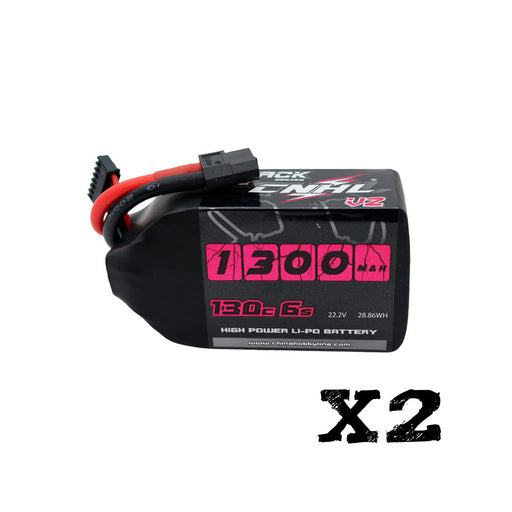
Pemeriksaan Kesesuaian Cepat 2 Packs CNHL Black Series V2.0 1300mAh 22.2V 6S 130C LiPo Battery dengan Colokan XT60 sangat cocok untuk pilot FPV yan...
Lihat detail lengkapSuku Cadang & Dukungan Jangka Panjang Kami memahami bahwa bagi pilot RC, dukungan suku cadang yang andal merupakan bagian penting untuk m...
Lihat detail lengkap
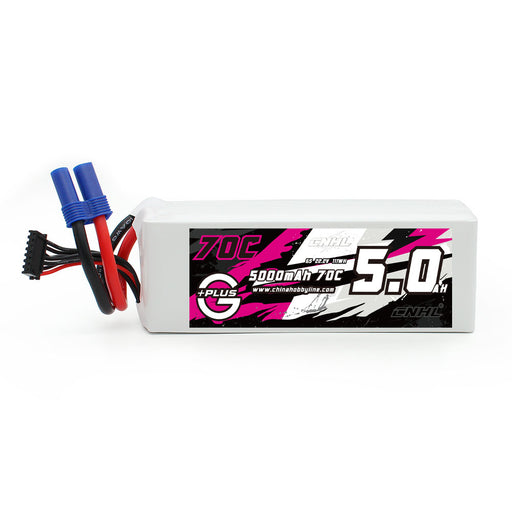
Spesifikasi: Nomor Stok: 500706EC5 Kapasitas: 5000mAh Voltase: 22.2V / 6-Sel / 6S1P Tingkat Discharge: 70C Kontinu / 140C Ledakan Tingkat Pengisi...
Lihat detail lengkap
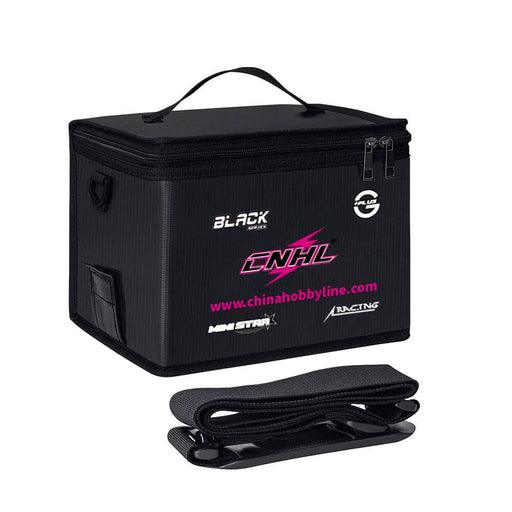
Tas Baterai LiPo CNHL dirancang untuk pengisian, transportasi, dan penyimpanan LiPo yang lebih aman di rumah atau di lapangan. Tas ini menambahkan ...
Lihat detail lengkapPemeriksaan Pemasangan Cepat 2 Paket CNHL Speedy Pizza Series Pro 1350mAh 6S 150C LiPo Battery dengan colokan XT60 dibuat untuk pilot FPV 5 inc...
Lihat detail lengkap

The CNHL 75mm EDF pilot figure is designed for 80–90mm RC jet airplanes that need a more realistic cockpit appearance without adding excessive weig...
Lihat detail lengkap

The WNF Mitsubishi Lancer Evolution IX is an officially licensed Mitsubishi Motors 1:64 RC drift car that combines detailed Evo IX styling with rea...
Lihat detail lengkap

The ISDT K4 is a high-power 8S LiPo smart dual charger built for demanding RC battery setups. It combines two independently controlled charging cha...
Lihat detail lengkap

The ISDT PC-4860S is a compact four-port XT60 parallel charging board designed for experienced RC and FPV users who want to connect multiple co...
Lihat detail lengkap

Quick Take: This officially licensed WNF 1:43 Land Rover Defender 110 Pick-Up RC crawler combines the proportions and detailing of the 1993 ...
Lihat detail lengkap


Tinggalkan komentar