
Mengapa 3S adalah “titik manis” untuk RC paralayang dan paramotor
Banyak model kanopi bertenaga populer menggunakan 3S karena alasan sederhana: memberikan tegangan yang cukup untuk inflasi dan pendakian yang percaya diri, tanpa membuat sayap terasa terlalu sensitif dan berlebihan. Dengan sayap yang lembut, tujuannya biasanya adalah tarikan yang stabil dan kendali yang bersih, bukan kecepatan tertinggi.
Memilih kapasitas berdasarkan gaya terbang
Dengan RC paralayang dan paramotor, kapasitas bukan hanya soal waktu terbang. Ini mengubah cara sayap mengembang, seberapa “melayang” rasa kanopi, dan seberapa besar kendali rem yang masih Anda miliki saat udara agak bergelombang. Untuk menjaga agar tetap praktis, paket dalam koleksi ini secara alami terbagi menjadi dua kelompok berguna:
-
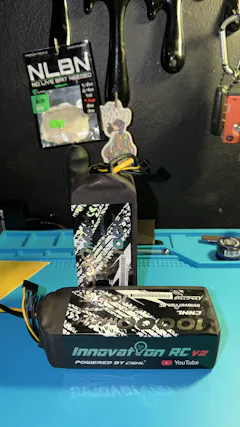
Ringan & responsif (XT60): 3200mAh Shorty, 3300mAh, 3700mAh
Ini adalah kelompok “mudah dikendalikan”. Berat paket yang lebih ringan membantu kanopi mengembang dengan bersih, menjaga rangka terasa lincah, dan membuat peluncuran kurang dramatis di lapangan kecil. Jika Anda terutama menginginkan sesi santai dan kendali yang dapat diprediksi, paket ini adalah yang paling banyak digunakan oleh kebanyakan orang. -
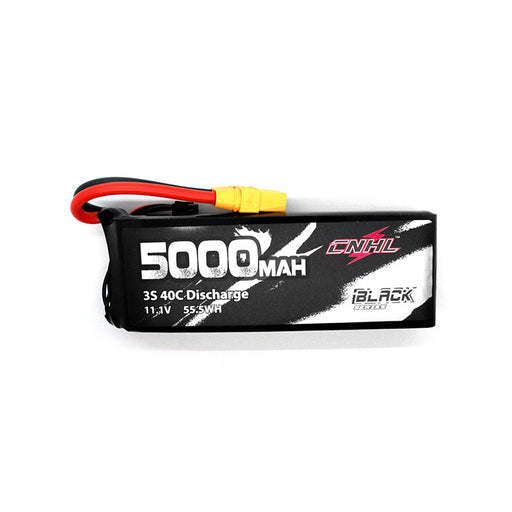
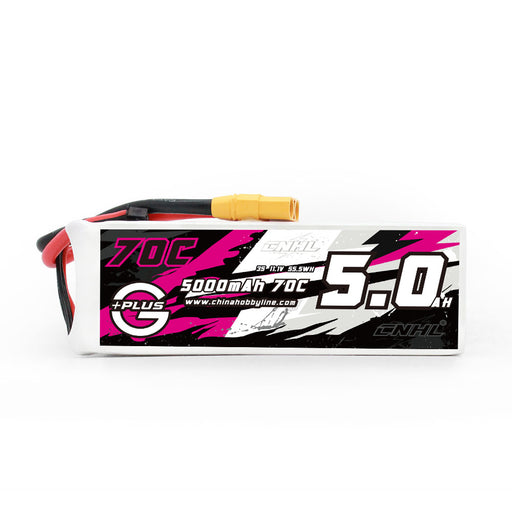
Sesi jelajah lebih lama (XT90): 4000mAh, 5000mAh, 6000mAh, 6200mAh
Kelompok ini untuk pilot yang menginginkan penerbangan lebih lambat dan lebih lama dengan tarikan yang lebih stabil. Berat tambahan dapat membuat pengaturan terasa lebih mantap di udara, tetapi juga membutuhkan rutinitas peluncuran yang lebih bersih dan ruang yang cukup untuk mengembang sayap dengan benar. Jika rangka Anda sudah dibuat untuk XT90, ini adalah bagian “pasang dan terbang” yang sederhana.
Jika Anda meningkatkan dari paket RTF yang disertakan, banyak pilot merasakan peningkatan terbesar saat beralih ke paket 3S berkualitas tinggi yang menjaga tegangan dengan halus saat throttle dipertahankan. Modelnya tidak tiba-tiba menjadi lebih cepat; hanya terasa lebih konsisten dari lepas landas hingga mendarat.
Baterai LiPo vs LiHV untuk sayap kanopi
LiPo 3S standar mengisi daya hingga 4,20V per sel (12,6V total). Baterai LiHV 3S mengisi daya hingga 4,35V per sel (13,05V total). Kenaikan kecil ini bisa terasa saat peluncuran, terutama untuk rangka yang lebih berat. Jika Anda memilih LiHV, pastikan pengisi daya dan rutinitas Anda sesuai dengan pengisian LiHV, dan hindari menganggap LiHV sebagai “tenaga gratis” jika pengaturan Anda sudah berjalan panas.
Rating C: apa yang penting (dan yang tidak)
Paralayang dan paramotor bertenaga biasanya lebih menghargai tegangan yang stabil daripada arus ledakan ekstrem. Rating C yang wajar dipadukan dengan kualitas sel yang baik bisa terasa lebih baik daripada angka yang besar di atas kertas. Dalam penerbangan nyata, “peningkatan” yang Anda rasakan sering kali berupa: penurunan tegangan yang lebih sedikit saat mendaki, transisi throttle yang lebih halus, dan trim yang lebih konsisten dari paket ke paket.
XT60 vs XT90: mengapa ada adaptor di tengah daftar ini
Rangka paralayang dan paramotor tidak semuanya menggunakan standar konektor yang sama. Beberapa pengaturan dibuat dengan XT60 untuk kesederhanaan dan kabel yang lebih ringan, sementara paket 3S yang lebih besar sering menggunakan XT90 untuk sambungan yang lebih kuat. Itulah mengapa Anda akan melihat adaptor XT90-ke-XT60 ditempatkan tepat di antara kelompok XT60 dan XT90 dalam koleksi ini.
- Jika model Anda menggunakan XT60 dan Anda ingin menggunakan paket kapasitas lebih besar XT90 yang tercantum di bawah, adaptor ini memberi Anda jalur yang bersih tanpa perlu penyolderan.
- Jika model Anda menggunakan XT90, tetap gunakan kelompok XT90 untuk menjaga sambungan tetap langsung dan rapi.
- Jika Anda ragu, periksa konektor pada kabel ESC Anda (bukan hanya yang ada di kotak) sebelum memesan.
Tips praktis: pastikan adaptor terpasang dengan benar, hindari tarikan pada kabel, dan selalu pastikan polaritas dan kecocokan yang benar sebelum menyalakan daya pertama kali. Sambungan yang aman lebih penting pada model sayap lembut karena perubahan throttle sering dan berlangsung lama.
Panduan terkait untuk pembeli pemula
Jika Anda masih bingung dengan istilah (mengapa beberapa model bertenaga disebut paralayang sementara yang lain disebut paramotor), panduan blog ini menjelaskannya dengan cara yang mudah dipahami oleh hobiwan: Paralayang vs Paramotor dalam RC: arti sebenarnya dari nama-nama tersebut.
Ingin pandangan lebih luas tentang baterai pesawat?
Jika Anda juga menerbangkan pesawat sayap tetap atau ingin membandingkan paket 3S dengan pengaturan pesawat lain, Anda dapat menjelajahi pusat baterai pesawat lengkap di sini: Baterai pesawat CNHL.
Pertanyaan yang sering diajukan
Apakah RC paralayang dan paramotor benar-benar membutuhkan baterai “C tinggi”?
Tidak selalu. Banyak pengaturan terbang lebih baik dengan paket berkualitas yang menjaga tegangan dengan halus daripada angka C tinggi yang hanya fokus pada spesifikasi.
Apakah baterai LiHV aman digunakan?
Ya, selama Anda mengisi daya dalam mode LiHV dan pengaturan Anda tetap dalam suhu yang wajar. LiHV berkaitan dengan rutinitas pengisian dan kesesuaian sistem, bukan mendorong semuanya lebih keras secara otomatis.
Bagaimana cara menghindari peluncuran pertama yang berantakan?
Atur tali Anda, beri waktu kanopi untuk mengembang, dan gunakan throttle dengan lembut. Tali pengaman yang kuat dan titik berat yang benar biasanya meningkatkan hari pertama lebih dari perubahan lain apa pun.