
CNHL Lipo Batteries
CNHL aim at providing high-quality Li-Po batteries and RC products to all hobby enthusiasts with excellent customer services and competitive prices

If you’ve ever shopped for a “RC paraglider” and thought, “Wait, why does it have a propeller?”, you’re not alone. In full-scale aviation, the words paraglider and paramotor are two different things. In RC, those labels blur fast, especially on RTF kits that arrive with a motor already installed.
This post is a practical, hobby-first breakdown: what these names usually mean, why brands use them inconsistently, and how two popular examples stack up: a Stirlingkit “Para RC Glider” sold as RTF, and the HobbyKing H-King Paramotor V2 sold as PNF.
Full-scale (real life) terms:
RC terms (how the hobby actually uses the words):
So yes: it’s completely normal to see two powered RC products where one is labeled “paraglider” and the other “paramotor”. The difference is often more about product category and marketing than about whether a motor exists.
Here are the most common reasons brands stick with “paraglider” even when there’s clearly a motor:
A good example is the Stirlingkit listing that uses “Para RC Glider” and “RC stunt paraglider” wording, while the product itself is clearly motorized.

The Stirlingkit model is sold as a RTF powered paraglider style kit. It’s presented as a ready-to-fly entry with canopy options (150cm or 236cm wingspan) and bundle choices that include multiple batteries. The spec block shown for the larger wing version highlights a 2217 motor, 40A ESC, and a 3S 5200mAh battery configuration.
In real use, this category tends to feel “forgiving” compared with many fixed-wing planes: the wing inflates, the lines load up, and you fly more like you’re managing a kite with thrust rather than carving hard bank angles. One reviewer-style takeaway that matches what many pilots say is: the materials may be basic (plastic frame), but the flying can be surprisingly enjoyable once trimmed.

HobbyKing labels their model very clearly as a Paramotor, and the format matters: this one is PNF (Plug and Fly), which usually means you bring your own radio gear and flight battery. HobbyKing specifically calls out that you’ll need a 3-channel (or more) computer transmitter that can do mixing and curves, plus a receiver, plus a 3S 4000 to 6000mAh LiPo.
This is a big reason the name “paramotor” feels more consistent here: it’s positioned like a “proper RC air model” that you set up and tune, not just a toy-like RTF bundle. It also has a visible LED light bar option and a full ecosystem of replacement parts, which is typical of a longer-running product line.
A lot of people think the paraglider vs paramotor choice is mainly about the motor. In RC, the bigger difference is often how you want to own it.
This matches a comment pattern you shared from a popular unboxing video: the pilot liked the flying performance but wished there was a “no radio” version to use with his own multi-protocol transmitter. That’s exactly the gap PNF models are built to fill.
Powered canopy models don’t fly like a typical RC airplane. You’re balancing thrust, brake input, and pendulum stability under a soft wing. But there are still noticeable differences between many RTF “powered paraglider” kits and a more obviously “paramotor” positioned platform.
| Model | How it’s labeled | Package type | Wing size | Typical battery callout | Best for |
|---|---|---|---|---|---|
| Stirlingkit 2.4G Para RC Glider | Powered paraglider style (often sold as “paraglider”) | RTF bundles (with battery quantity options) | 150cm or 236cm options | Listing shows 3S 5200mAh for the larger wing spec block | Beginner-friendly entry, quick start, casual flying sessions |
| HobbyKing H-King Paramotor V2 w/ LED Light Bar | Paramotor | PNF (bring your own radio gear) | 2400mm | Recommends 3S 4000–6000mAh (plus radio/receiver requirements) | Hobbyists who want to tune radio curves/mixing and keep their own transmitter ecosystem |
Note: The goal here is practical comparison, not perfect taxonomy. Many RC sellers use “paraglider” as the category name even when it’s motorized.
If you’re matching batteries for a 3S powered paraglider / paramotor build, I keep the suitable packs grouped here for convenience: 3S RC Lipo Batteries for RC paragliders & paramotors.
If you already own one of these and you’re sorting out flight packs and connectors for RC aircraft use, you can browse our RC airplane battery collection here: CNHL airplane batteries.
Q: If it has a motor, is it automatically a paramotor?
A: In full-scale terms, yes. In RC storefront terms, not always. Many shops keep “paraglider” as the category name because it describes the canopy type.
Q: Why do some kits only come as RTF?
A: RTF reduces support issues. A single bundled radio system means fewer “it won’t bind” or “my mixes are wrong” complaints. The downside is less flexibility for pilots with a multi-protocol transmitter.
Q: Is the HobbyKing Paramotor V2 better just because it’s called a paramotor?
A: Not automatically. The bigger difference is PNF vs RTF. If you want to use your own radio, PNF is often the cleaner long-term choice.
Q: What’s the best first upgrade?
A: Radio tuning (expo, curves, and mixing) usually gives more benefit than chasing extra power. A smoother wing is a calmer wing.
Have you flown a powered paraglider that was sold as a “paraglider” (not “paramotor”)? Or have you built a paramotor setup around your own transmitter and mixes? Drop your experience in the comments, especially what helped you most on your first successful launch.
CNHL aim at providing high-quality Li-Po batteries and RC products to all hobby enthusiasts with excellent customer services and competitive prices
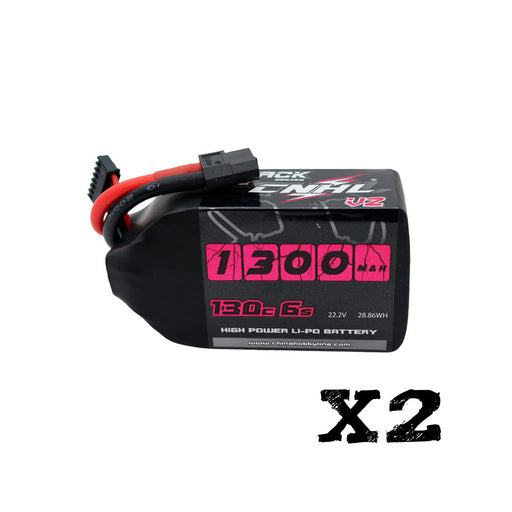
Quick Fit Check The 2 Packs CNHL Black Series V2.0 1300mAh 22.2V 6S 130C LiPo Battery with XT60 Plug is a strong fit for FPV pilots who want a prov...
View full detailsSpare Parts & Long-Term Support We know that for RC pilots, reliable spare parts support is an important part of keeping an aircraft fl...
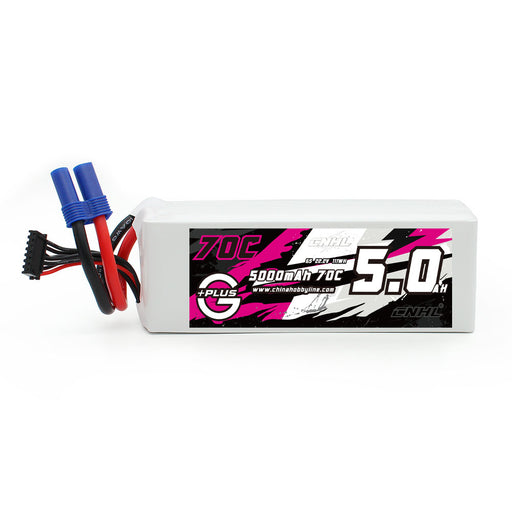
View full detailsSpecifications: Stock Number: 500706EC5 Capacity: 5000mAh Voltage: 22.2V / 6-Cell / 6S1P Discharge Rate: 70C Continual / 140C Burst Charge Rate: ...
View full details
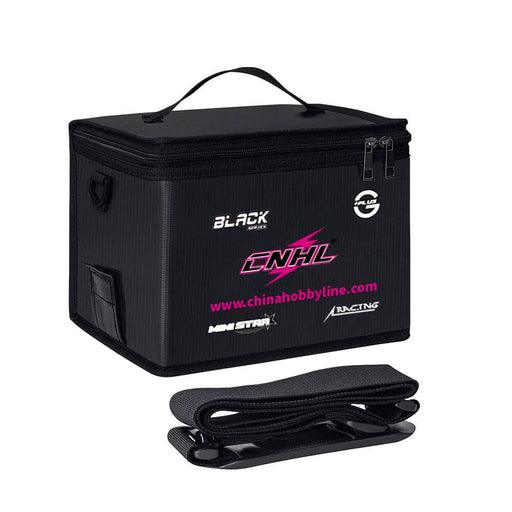
The CNHL LiPo Battery Bag is designed for safer LiPo charging, transport, and storage at home or at the field. It adds a practical layer of protect...
View full details

Quick Fit Check The 2 Packs CNHL Speedy Pizza Series Pro 1350mAh 6S 150C LiPo Battery with XT60 Plug is built for 5-inch FPV pilots who want a ...
View full details

Quick Fit Check The CNHL Speedy Pizza Series 2200mAh 22.2V 6S 120C LiPo Battery with XT60 Plug combines the familiar 2200mAh 6S format with a ligh...
View full details

Quick Fit Check The CNHL Speedy Pizza Series 2200mAh 14.8V 4S 120C LiPo Battery with XT60 Plug combines a widely used 2200mAh 4S format with a sli...
View full details

Quick Fit Check The CNHL Speedy Pizza Series 2200mAh 11.1V 3S 120C LiPo Battery with XT60 Plug takes the familiar 3S 2200mAh aircraft battery form...
View full details

The CNHL Long Range Series BAK 50D 5000mAh 21700 Li-ion battery cell is designed for custom high-energy battery packs that need a strong balance be...
View full details

The ISDT C4 EVO is a versatile smart battery charger built for AA, AAA and cylindrical rechargeable cells from compact 10440 batteries all the way ...
View full details


Leave a comment