













What batteries do RC touring cars use?
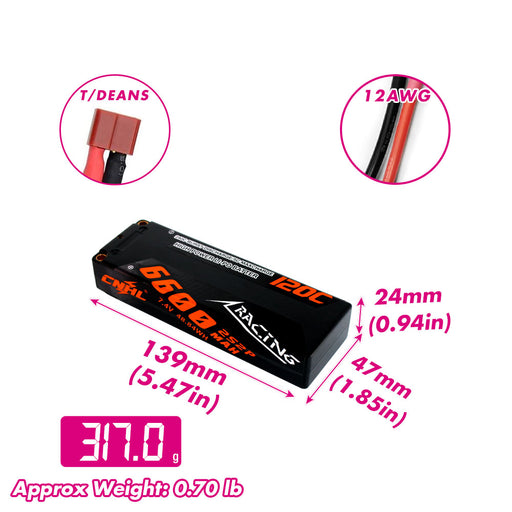
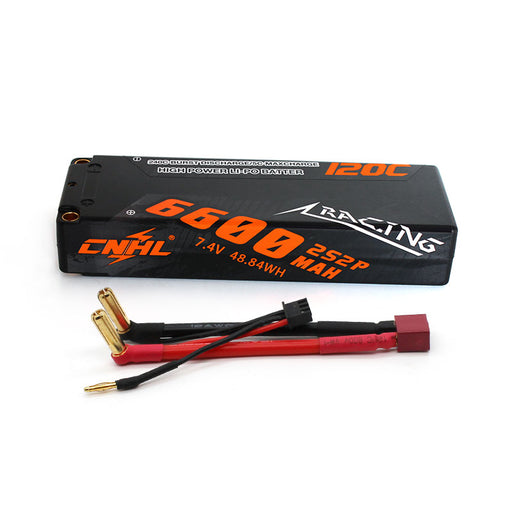
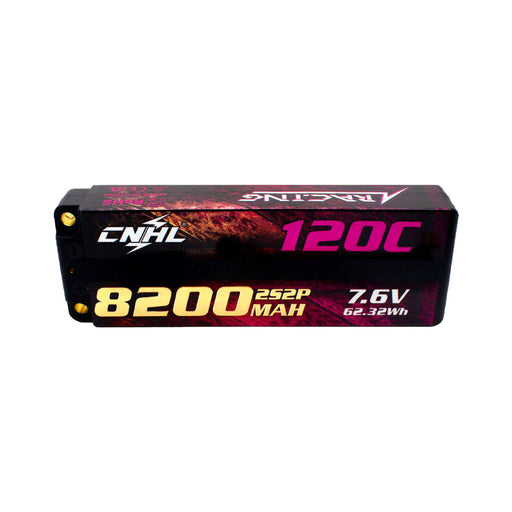
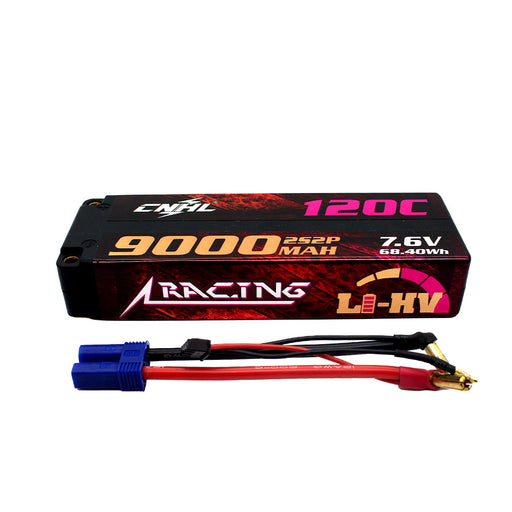
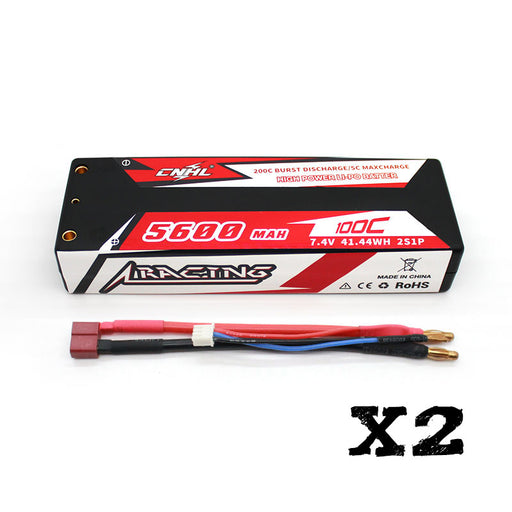
Walk around a race meet and you’ll spot the pattern—most 1/10 touring cars run 2S LiPo packs. The appeal is the smooth, repeatable feel from tone to buzzer. More and more racers also reach for 2S LiHV touring batteries when they want that extra stability in the second half of a final.
Shorty vs. stick packs in touring
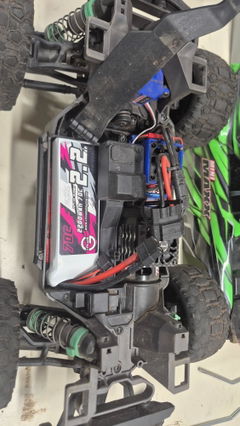
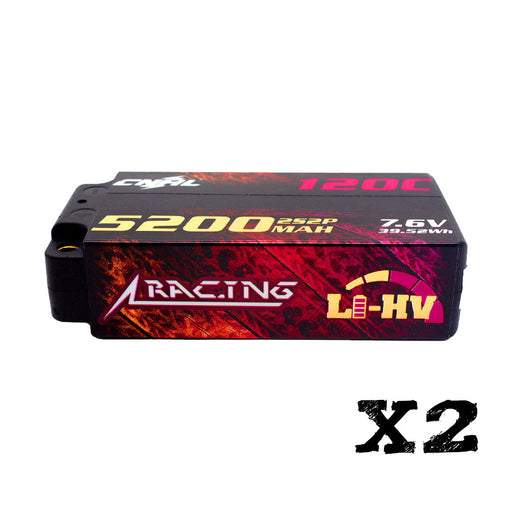
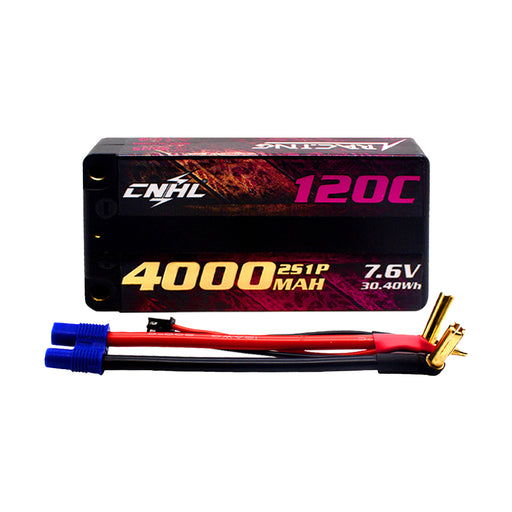
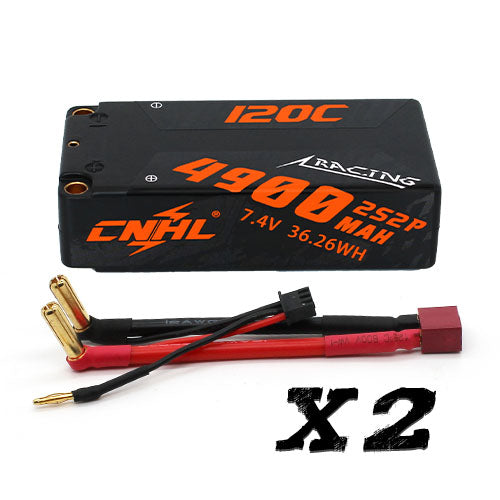
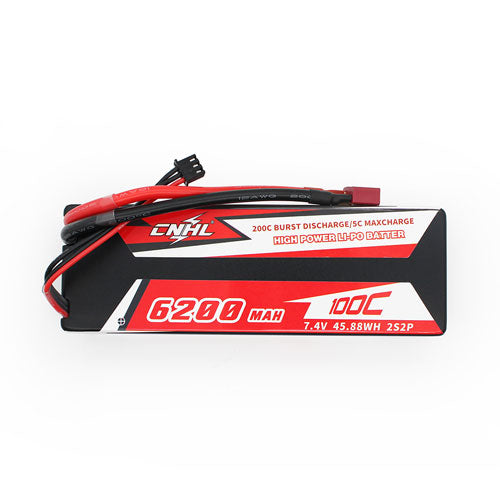
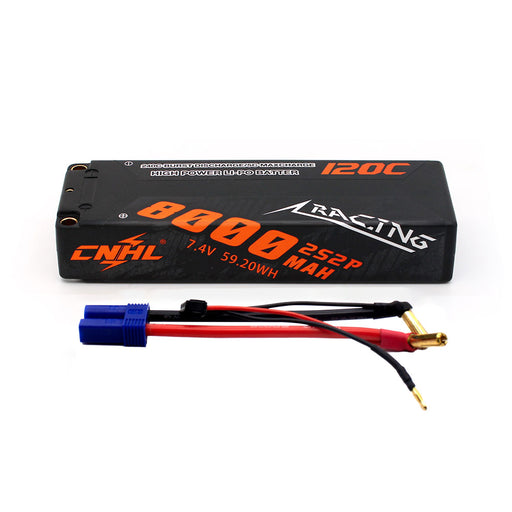
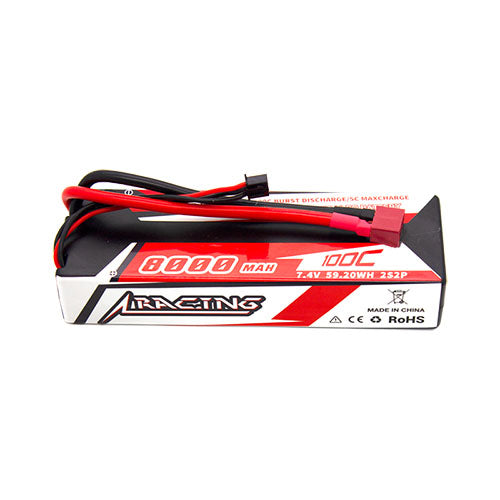
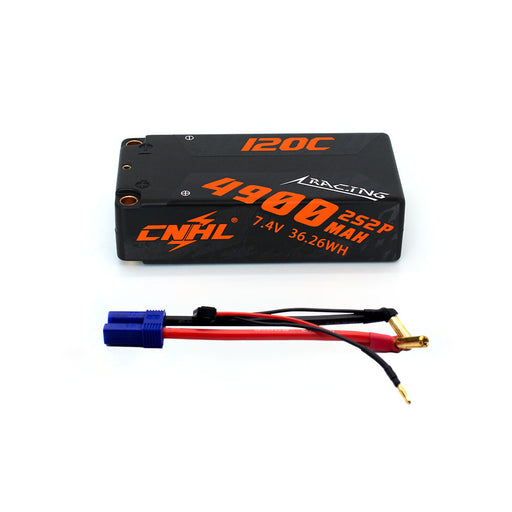
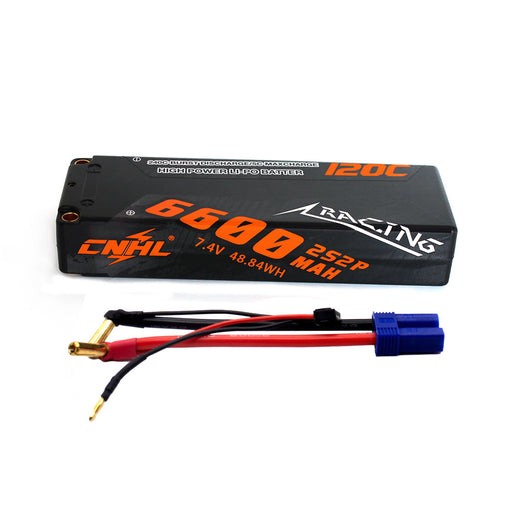
Lately shorty LiPo batteries have blown up in popularity. Drivers on Xray T4 and Yokomo BD series platforms like the freedom to shift balance and make the car rotate quicker. The classic stick pack touring car battery still has plenty of fans too—on Tamiya or Serpent builds it gives a familiar, rock-solid feel that stays predictable lap after lap.
Why low IR matters more than big C numbers
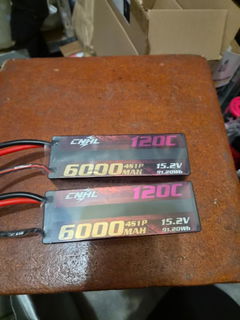
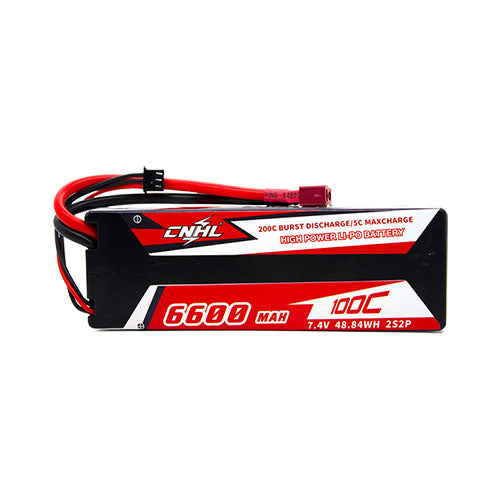
Spec sheets love shouting 100C or 120C, but real touring results come from low IR 2S packs. While others fade in the last minutes, a low-IR battery keeps the car pulling and holds your corner speed exactly where you want it.
Fitment and connectors
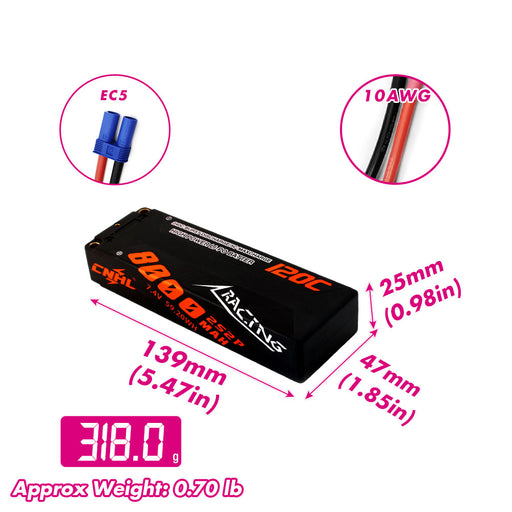
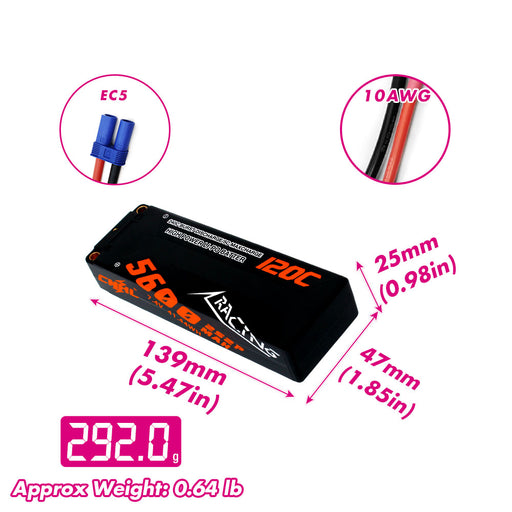
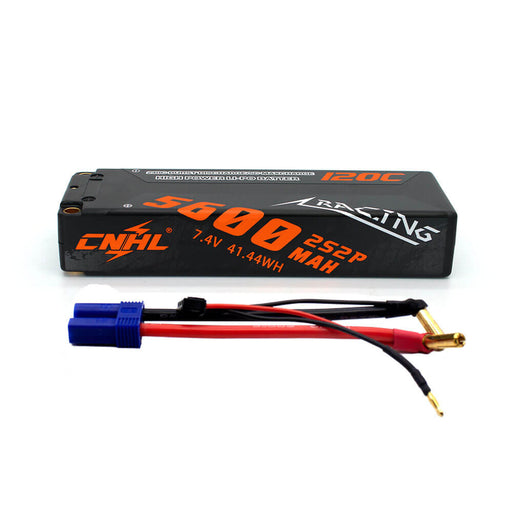
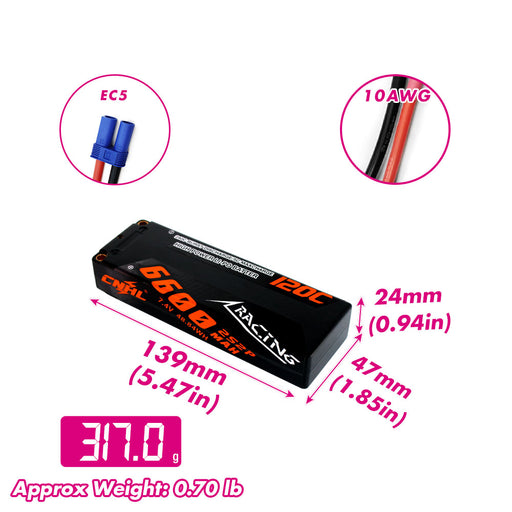
Touring trays accept both shorty and stick formats, but dimensions vary—double-check your space. Common connectors include Deans (T-plug), XT60, and bullets depending on your ESC.
Your touring battery upgrade roadmap
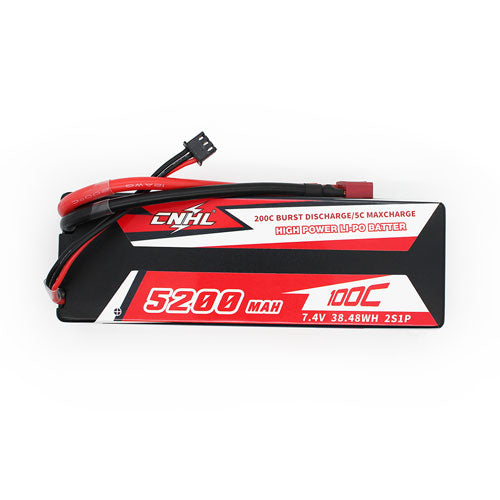
- Club nights: First time racing? Don’t overthink it—drop in a 5000mAh 2S LiPo touring pack. It’ll finish every run without drama and build your confidence lap by lap.
- Pushing harder: When you start chasing setup gains, try a lighter 2S shorty LiPo. The car feels sharper right away and rotates quicker through the infield.
- Going for podiums: Details decide trophies. A 2S LiHV touring battery with ultra-low IR keeps the punch to the buzzer—just treat it carefully when charging and storing.
Related collections
See more options here: CNHL RC Car Batteries, 2S LiPo Batteries, and 2S LiHV Batteries.
Charging and maintenance tips
Balance charge every cycle, avoid deep discharge, and store around 3.8V per cell. Drivers on Xray, Yokomo, and Associated builds will tell you the same thing: a good routine keeps throttle feel crisp all season.
Why a battery upgrade pays off first
Ask anyone in the pits—motors and gearing matter, but nothing changes feel faster than a solid 2S touring battery. With steady voltage and low IR, you stop nursing sag and start nailing consistent laps.
Drift vs Touring RC Car Batteries
| Category | RC Drift Cars | RC Touring Cars |
|---|---|---|
| Main Scale | 1/10 (Yokomo, MST, Sakura, HPI) | 1/10 (Xray, Yokomo, Tamiya, Associated, Serpent) |
| Standard Voltage | 2S LiPo / 2S LiHV | 2S LiPo / 2S LiHV |
| Preferred Formats | Shorty & Stick packs | Shorty & Stick packs |
| Capacity Range | 3500–5000mAh (lighter for balance) | 4000–9000mAh (long finals & endurance) |
| Focus | Throttle feel, balance, smooth link-ups | Consistency, lap-time stability, race rules |
Drift vs Touring RC Batteries
Under the shell, the batteries are almost the same—both scenes run 2S LiPo or 2S LiHV packs in shorty or stick formats. The difference is how they’re used. Touring drivers lean on 4000–9000mAh stick packs for endurance and steady lap times, while drift players often pick 3500–5000mAh shorties to keep the chassis light and responsive. One chases tenths; the other chases smooth, connected slides.