Super Tucano 1600mm RC Plane Review: Retracts, Flaps, and Real-World Setup Notes

If you’ve been circling the Super Tucano 1600mm for a while, you’ve probably seen the same theme in owner feedback: people don’t just like it — they keep coming back to it. One reviewer flat-out called it “the best plane for the money” and said CNHL “solved the issues with the gen 1 plane.” Another pilot compared the flight feel to older pattern planes from the 80’s and 90’s, which is a very specific compliment: smooth, locked-in tracking, and predictable energy management.
This is not a “spec sheet” post. It’s a real-world setup review — the kind you want open on your phone while you’re building, balancing, and setting throws before the maiden. We’ll cover what actually matters: assembly decisions that prevent headaches, CG and battery placement that keeps the nose from feeling heavy, whether retracts are worth it on grass, and how to approach flap settings in a way that’s both effective and mechanically kind to the airplane.
At a glance: what you’re actually setting up
Before we get opinionated, here’s the quick baseline. These are the details that show up in real decisions at the field: battery choice, balance, flap behavior, retract reliability, and how much radio you need to make the airplane feel “right.”
| Item | What it means in practice |
|---|---|
| Size class | 1600mm (63") wingspan and ~1617mm length — stable and “big-airplane” presence, not twitchy park-flyer behavior. |
| Power system | 5052-525KV motor + 100A ESC with reverse capability — strong authority, plus optional reverse-thrust workflow for short rollouts. |
| Key features | Electric retracts with oleo struts, functional flaps, day-bright LED nav/landing/formation lighting, five-blade scale prop. |
| Battery window | 6S recommended range (commonly flown around 4000–6000mAh) — CG and landing feel depend heavily on placement, not just capacity. |
| Radio needs | 6–7 channels is the comfortable zone if you want retracts + flaps without weird compromises. |
Owner pulse-check: “On a scale of 1–10 it’s an 11… smooth… landing gear is excellent… I operate on grass.”
That single comment hits three themes you’ll see repeatedly: flight feel, gear durability, and field practicality.
Build and assembly notes that save you time (and prevent the only “almost disaster” story)
A lot of owners describe the build as straightforward: low parts count, everything fitting cleanly, and the airframe coming together without drama. But one review also highlighted a very real risk: using the wrong adhesive on a major foam-to-foam structural joint can turn a simple build into panic. The simplest “adult” guidance is this:
- For high-load joins (wing halves, tailplane, anything you can’t afford to re-do): use 15-minute epoxy.
- For smaller foam tasks (light finishing, non-structural items): foam-safe adhesive is fine.
If you’re the kind of builder who wants a short checklist, here it is: dry-fit everything, confirm alignment, scuff and clean the glue surfaces lightly, use epoxy for the big joins, and let it cure fully. It’s boring advice — and it prevents the only kind of boring you really hate: rework.
CG and battery placement: why the same plane can feel nose-heavy for one pilot and perfect for another
This is the most practical section of the whole review. A few owners noted that even with a 5000mAh pack placed far back, the airplane can still trend slightly nose-heavy — and some pilots actually prefer it that way because it lands “with authority” and feels stable. Others like a more neutral feel and have used small tail weight (one mentioned about an ounce) to shift the balance.
Here’s the mindset I recommend for this Super Tucano 1600mm setup:
- Step 1: Start with a 6S pack in the normal range (many pilots run 5000–6000mAh) and place it as far back as safely possible.
- Step 2: If you still want more neutral pitch feel, adjust position and CG carefully before adding ballast.
- Step 3: If you do add tail weight, keep it minimal and secure — and re-check stall behavior at altitude.
One owner trimmed a bit of foam to slide a ~5200mAh pack back for CG. That’s not a requirement — it’s an example of a practical “make it fit the way you fly” adjustment. If you’re doing anything like that, go slowly and keep the airframe tidy: you want a clean, repeatable battery install, not a one-time hack.
Battery note : if you want a pack range that matches the intended setup window, start here: 6S LiPo Batteries for Super Tucano 1600mm. Focus on balance and fit first — capacity comes second.
Throws, rates, and expo: why many pilots go beyond the manual (and how to do it safely)
Several owners said the first flights felt more sensitive than expected — not because the airplane is unstable, but because the default throw setup can feel lively if you’re used to smaller foam models. One pilot mentioned needing much more elevator/aileron/rudder throw than the manual suggested, then using dual rates and expo to make the plane feel natural. That’s a very normal pattern-ship approach: give yourself full authority, then shape the response to your hands.
A simple, safe way to set up the Super Tucano:
- Low rates: your comfort mode for takeoff/landing until you know the airplane.
- High rates: for aerobatics once you’re trimmed and comfortable.
- Expo: your best friend if the airplane feels “too sharp” around center stick.
Owner pulse-check: “Flies like an older pattern plane from the 80’s and 90’s… smooth.”
That’s usually what you feel after the airplane is trimmed and rates/expo match your habits.
Retracts worth it? If you fly grass, the answer sounds like a confident “yes”
This is one of the biggest reasons people love this airframe. Retracts aren’t just a scale flex here — they’re part of the usability, especially on grass fields. Multiple owners specifically praised the landing gear and reported smooth ground handling on grass, even when the field is a little bumpy. That’s exactly where oleo struts and a well-designed tricycle setup pay off: they reduce the “every landing is a test” feeling.
Practical take:
- If your runway is grass, retracts + oleos are a major value point.
- If your runway is pavement, retracts still add realism and drag reduction, but the “durability relief” factor is bigger on grass.
Flap settings: how to get the “wow” landings without cooking the flap servos
Flaps are the feature that makes this Super Tucano feel “grown up” in the landing pattern. They also deserve respect because the flap surfaces are substantial — and some review reported flap servo trouble when switching from half flaps to full flaps on approach. Whether that was a weak servo batch, aggressive endpoints, or simply too much airspeed, the lesson is the same: don’t treat full flaps like an on/off button at high speed.
Here’s a conservative flap setup workflow that pilots can actually live with:
- Stage 1 (Takeoff flaps): small, just enough to reduce takeoff run and help rotation.
- Stage 2 (Landing flaps): your main landing configuration — effective, stable, and usually the safest “daily driver” position.
- Stage 3 (Full): optional until you confirm servo health, linkage geometry, and that the airplane is slowed before deployment.
Three setup tips that matter more than the exact percentage:
- Add a deployment delay (a slow flap motion looks scale and reduces load spikes).
- Slow down first, then deploy (airload is what punishes flap servos).
- Expect pitch change: if landing flaps pitch the nose up, reduce endpoint slightly or add a small elevator mix.
Owner pulse-check: “Landing flaps pitch the plane nose up… still working on the flaps… it lands extremely well with 0 flaps.”
That’s actually reassuring: it means you can fly and land comfortably while you dial flap behavior in gradually.
Reverse thrust: a cool option, but earn it after you trust the basics
The ESC supports reverse thrust, and it can genuinely shorten rollout when used correctly. But here’s the honest advice: reverse is not a maiden-flight feature. Get your CG right, confirm the airplane tracks straight, and make landings boring first. Then add reverse later if your field benefits from it. One owner even mentioned a “mystery wire” that might be for reverse and chose not to use it — which is a perfectly reasonable decision if you have runway length to spare.
If you do set up reverse, test it with discipline: use a dedicated switch, keep it disabled in flight phases where you don’t want surprises, and try it only after touchdown with the airplane rolling straight.
How it flies: smooth, confident, and surprisingly versatile for a scale warbird
This is where the Super Tucano earns the hype. Owners describe it as stable, smooth, and “crowd pulling.” It sounds like a turboprop (that five-blade prop helps), it tracks cleanly, and it’s not afraid of speed passes. At the same time, it’s forgiving enough that pilots who don’t call themselves “pros” still report good takeoffs, ground handling, and landings.
A few practical flight notes extracted from owner experience:
- Takeoff behavior: tracks straight when aligned; grass operations are commonly reported as successful.
- Landing manners: lands well even with zero flaps; flaps are a bonus once tuned.
- Flight time: around the 5-minute range on a 6S ~5000mAh pack for a lively flight style (as reported by an owner), with more available if you cruise instead of ripping around.
Preflight checks I would do before the maiden
This section is how you keep a 1600mm warbird fun long-term. Two issues showed up in detailed feedback: flap servo stress and linkage/clevis confidence. Both are easy to address proactively.
- Flap system bench test: cycle all flap stages on the bench and confirm no binding, no servo arm interference, and reasonable endpoints.
- Linkage security: confirm clevises have real tension and won’t back off during adjustment. Replace questionable clevises if you’re picky.
- Retract clearance: check doors/covers for rubbing; minor contact becomes long-term drag.
- CG confirmation: balance it, then fine-tune battery position before adding ballast.
- Rates/expo sanity: if it feels sharp, tame it with expo and rates — don’t assume something is “wrong.”
Who should buy it
If you want a scale warbird that feels smooth and substantial, and you enjoy having flaps and retracts as part of the experience, this is an easy “yes.” It’s also a great match if your field is grass and you’re tired of landing gear that feels like a compromise.
If you’re truly brand new to RC airplanes, retracts + flaps + potential reverse-thrust setup can be “too much system” on day one. A beginner can fly it, but learning on a simpler fixed-gear trainer is still the smarter path.
Where to get it
If you want to check current availability, what’s included in the bundle, and the exact setup details, you can find it here: Super Tucano 1600mm RC Plane.
베스트 셀러즈
-
원래 가격 $65.99원래 가격 $65.99 - 원래 가격 $65.99원래 가격 $65.99$57.99 USD - $65.99 USD$57.99 - $65.99현재 가격 $57.99 USD
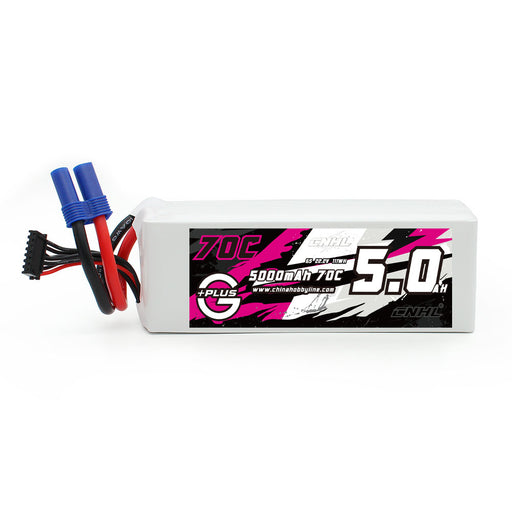
CNHL G+Plus 5000mAh 22.2V 6S 리포 배터리 70C EC5 플러그 포함
재고 10+개 이상 있습니다사양: 재고 번호: 500706EC5 용량: 5000mAh 전압: 22.2V / 6-셀 / 6S1P 방전율: 70C 연속 / 140C 순간 충전율: 최대 5C 크기(1-5mm 차이): 49X51X149mm(높이*너비*길이) 대략 무게(±5g) : 714g 출...
전체 세부 정보 보기원래 가격 $65.99원래 가격 $65.99 - 원래 가격 $65.99원래 가격 $65.99$57.99 USD - $65.99 USD$57.99 - $65.99현재 가격 $57.99 USD최대 12% 절약하세요 -
원래 가격 $77.98원래 가격 $77.98 - 원래 가격 $77.98원래 가격 $77.98$69.98 USD - $77.98 USD$69.98 - $77.98현재 가격 $69.98 USD
2팩 CNHL 스피디 피자 시리즈 프로 1350mAh 22.2V 6S 150C 리포 배터리 XT60 플러그 포함
재고 10+개 이상 있습니다사양: 재고 번호: 1351506PZ 용량: 1350mAh 전압: 22.2V / 6-셀 / 6S1P 방전율: 150C 연속 / 300C 버스트 충전 속도: 최대 5C 크기(1-5mm 차이): 38X38X78mm 대략 무게(±5g): 215g 출력 커넥터: XT...
전체 세부 정보 보기원래 가격 $77.98원래 가격 $77.98 - 원래 가격 $77.98원래 가격 $77.98$69.98 USD - $77.98 USD$69.98 - $77.98현재 가격 $69.98 USD최대 10% 절약하세요 -
원래 가격 $51.98원래 가격 $51.98 - 원래 가격 $51.98원래 가격 $51.98$40.98 USD - $51.98 USD$40.98 - $51.98현재 가격 $40.98 USD
2팩 CNHL 블랙 시리즈 V2.0 1300mAh 22.2V 6S 130C 리포 배터리 XT60 플러그 포함
재고 10+개 이상 있습니다사양 재고 번호: 1301306BK 용량: 1300mAh 전압: 22.2V / 6-셀 / 6S1P 방전율: 130C 연속 / 260C 순간 충전율: 최대 5C 크기(1-5mm 차이): 48X33X77mm 대략 무게(±5g) : 210g 출력 커넥터: XT60 밸...
전체 세부 정보 보기원래 가격 $51.98원래 가격 $51.98 - 원래 가격 $51.98원래 가격 $51.98$40.98 USD - $51.98 USD$40.98 - $51.98현재 가격 $40.98 USD최대 21% 절약하세요 -
원래 가격 $43.98원래 가격 $43.98 - 원래 가격 $43.98원래 가격 $43.98$31.98 USD - $43.98 USD$31.98 - $43.98현재 가격 $31.98 USD
[Combo] 2팩 CNHL MiniStar 1500mAh 14.8V 4S Lipo 배터리 120C XT60 플러그 포함
재고 10+개 이상 있습니다사양: 재고 번호: 1501204 용량: 1500mAh 전압: 14.8V / 4셀 / 4S1P 방전 속도: 연속 120C / 순간 240C 충전 속도: 최대 5C 크기(1-5mm 차이): 37X33X76mm 대략 무게(±5g) : 169g 출력 커넥터: XT60...
전체 세부 정보 보기원래 가격 $43.98원래 가격 $43.98 - 원래 가격 $43.98원래 가격 $43.98$31.98 USD - $43.98 USD$31.98 - $43.98현재 가격 $31.98 USD최대 27% 절약하세요 -
원래 가격 $23.98 - 원래 가격 $37.98원래 가격 $23.98 - 원래 가격 $37.98원래 가격 $23.98$20.98 USD - $37.98 USD$20.98 - $37.98현재 가격 $20.98 USD
2팩 CNHL 블랙 시리즈 2200mAh 3S 11.1V 30C 리포 배터리 XT60 플러그 포함
재고 10+개 이상 있습니다사양: 재고 번호: 220303BK 용량: 2200mAh 전압: 11.1V / 3셀 / 3S1P 방전율: 30C 연속 / 60C 버스트 충전 속도: 최대 5C 크기(1-5mm 차이): 24X34X106mm 대략 무게(±5g) : 180g 출력 커넥터: XT60 ...
전체 세부 정보 보기원래 가격 $23.98 - 원래 가격 $37.98원래 가격 $23.98 - 원래 가격 $37.98원래 가격 $23.98$20.98 USD - $37.98 USD$20.98 - $37.98현재 가격 $20.98 USD최대 13% 절약하세요
새 항목
-
원래 가격 $9.99 - 원래 가격 $9.99원래 가격 $9.99$9.99 USD$9.99 - $9.99현재 가격 $9.99 USD
CNHL 블랙 시리즈 2200mAh 7.4V 2S 쇼티 리포 배터리 40C T/딘 플러그 포함
재고 10+개 이상 있습니다사양: 재고 번호: S220402BKT 용량: 2200mAh 전압: 7.4V / 2셀 / 2S1P 방전율: 40C 연속 / 80C 순간 충전율: 최대 5C 크기(1-5mm 차이): 19X34X76mm 대략 무게(±5g) : 103g 출력 커넥터: T/딘 플러그...
전체 세부 정보 보기원래 가격 $9.99 - 원래 가격 $9.99원래 가격 $9.99$9.99 USD$9.99 - $9.99현재 가격 $9.99 USD -
원래 가격 $9.99 - 원래 가격 $9.99원래 가격 $9.99$9.99 USD$9.99 - $9.99현재 가격 $9.99 USD
CNHL 블랙 시리즈 2200mAh 7.4V 2S 쇼티 리포 배터리 40C XT60 플러그 포함
재고 10+개 이상 있습니다사양: 재고 번호: S220402BK 용량: 2200mAh 전압: 7.4V / 2셀 / 2S1P 방전율: 40C 연속 / 80C 순간 충전율: 최대 5C 크기(1-5mm 차이): 19X34X76mm 대략 무게(±5g): 103g 출력 커넥터: XT60 밸런스 ...
전체 세부 정보 보기원래 가격 $9.99 - 원래 가격 $9.99원래 가격 $9.99$9.99 USD$9.99 - $9.99현재 가격 $9.99 USD -
원래 가격 $399.00 - 원래 가격 $399.00원래 가격 $399.00$399.00 USD$399.00 - $399.00현재 가격 $399.00 USD
CNHL 바이슨 XT STOL 1750mm PNP 부시 플레인 RC 비행기 – FPV 친화적 투명 캐노피, 고익 STOL
단 9 개만 남았습니다CNHL Bison XT STOL 1750mm PNP RC 비행기 (오렌지) CNHL Bison XT STOL V2는 느리고 안정적인 비행, 짧은 활주로 이륙, FPV 스타일 크루징을 위해 제작된 대형 고익 부시 스타일 항공기입니다. 이 오렌지색 CNHL 버전...
전체 세부 정보 보기원래 가격 $399.00 - 원래 가격 $399.00원래 가격 $399.00$399.00 USD$399.00 - $399.00현재 가격 $399.00 USD -
원래 가격 $264.00 - 원래 가격 $264.00원래 가격 $264.00$264.00 USD$264.00 - $264.00현재 가격 $264.00 USD
CNHL Havok 1000mm 고속 4S 스포츠 레이서 RC 비행기 PNP (고가시성 노랑/빨강 에디션)
단 9 개만 남았습니다CNHL Havok 1000mm 4S 스포츠 레이서 비행기 – 검증된 1m Havok 기체 기반 CNHL Havok 1000mm 4S 스포츠 레이서 RC 비행기 PNP는 일상적인 실용성을 포기하지 않으면서 아드레날린을 원하는 조종사들을 위한 1미터 폼 속도 ...
전체 세부 정보 보기원래 가격 $264.00 - 원래 가격 $264.00원래 가격 $264.00$264.00 USD$264.00 - $264.00현재 가격 $264.00 USD -
원래 가격 $120.00 - 원래 가격 $120.00원래 가격 $120.00$120.00 USD$120.00 - $120.00현재 가격 $120.00 USD
MNRC MN300 RTR 1/12 스케일 4WD RC 록 크롤러 오프로드 트럭 투스피드 변속기 포함
단 9 개만 남았습니다MNRC MN300은 1/12 스케일의 레디 투 런(RTR) 4WD RC 록 크롤러로, 가벼운 크롤링, 트레일 주행, 일상적인 오프로드 재미를 위해 만들어졌습니다. 전자장치가 설치된 상태로 조립되어 있으며, 7.4V 배터리와 USB 충전 케이블이 박스에 포함되...
전체 세부 정보 보기원래 가격 $120.00 - 원래 가격 $120.00원래 가격 $120.00$120.00 USD$120.00 - $120.00현재 가격 $120.00 USD
댓글 남기기