
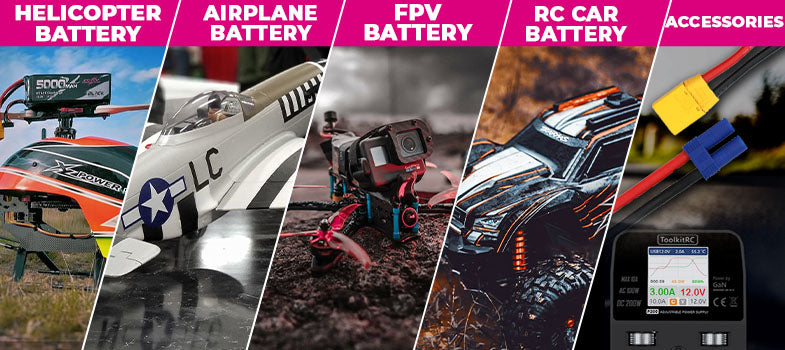
Akumulatory CNHL Lipo
CNHL dąży do dostarczania wysokiej jakości baterii Li-Po oraz produktów RC wszystkim entuzjastom hobby, oferując doskonałą obsługę klienta i konkurencyjne ceny

Tekno nie przedstawiało ET48 2.2 jako „nowego zestawu naklejek.” Mówią o tym bardziej jak o odświeżeniu platformy — lata rozwoju, dużo czasu na torze i aktualizacja czwartej generacji mająca na celu poprawę przewidywalności i trwałości bez utraty tego ostrego, wyścigowego charakteru, z którego znana jest linia ET48.
Jeśli od jakiegoś czasu oglądasz wyścigi truggy, prawdopodobnie zauważyłeś, jak małe zmiany geometrii i układu napędowego mogą całkowicie zmienić pewność, z jaką prowadzisz samochód pod koniec przejazdu. ET48 2.2 to w zasadzie Tekno mówiące: „Dopracowaliśmy szczegóły wszędzie, abyś nie musiał walczyć z autem, gdy warunki stają się trudne.”

Na papierze aktualizacja ET48 2.2 wygląda jak długa lista kontrolna. W rzeczywistości to „stos małych zwycięstw.” Możesz nie zauważyć każdej zmiany numeru części, ale zauważysz, jak zachowuje się samochód, gdy jesteś głęboko w zakręcie, naciskasz gaz do dechy lub lądujesz lekko skrzywiony.

Amortyzatory Tekno mają reputację wyjątkowo płynnych, a udoskonalenia 2.2 podkreślają to. Jeśli ścigasz się, znasz to uczucie: truggy może być szybki przez dwa okrążenia, ale jeśli zawieszenie zaczyna zachowywać się inaczej w połowie przejazdu, kończysz na jeździe wokół problemu zamiast po torze.
Zmiana tulei sworznia zawiasu to jedna z tych aktualizacji, które brzmią nudno, dopóki się z nimi nie obcuje. Wszystko, co utrzymuje ruch zawieszenia „wolny” i spójny po wielu pylistych sesjach, to prawdziwa poprawa jakości życia.

Truggy są narażone na duże obciążenia. Lądują twardsze niż buggy, mają większą masę rotującą i obciążają układy napędowe, gdy cały czas operujesz gazem i hamulcem. Zmiany w ET48 2.2 dotyczące przegubów kardana i geometrii dyferencjału/podłużnicy mają na celu utrzymanie przewidywalnej dostawy mocy i zmniejszenie „losowości”, która pojawia się, gdy tor się rozjeżdża.

Jedną z najbardziej przydatnych „praktycznych” uwag z jazdy po torze jest to, jak truggy obraca się na zakrętach. Na bardzo suchej nawierzchni chcesz mieć przyczepność, ale także truggy, który nie będzie się czuł ospały, gdy próbujesz szybko zmienić kierunek. Informacja zwrotna była taka, że skutecznie wykorzystuje tylne skręcanie do rotacji, pozostaje stabilny w powietrzu i utrzymuje lądowanie bez dramatów.
Wniosek dotyczący trwałości był prosty: kilka przewrotek, kilka wypadków i truck nadal działa. To nie jest efektowna specyfikacja, ale dokładnie tak wygląda niezawodność w dniu wyścigu.
ET48 2.2 to zestaw do samodzielnego montażu, i to jest część jego uroku. Ale oznacza to też, że ostateczny efekt zależy w dużej mierze od podstaw: kontroli serwa, przełożeń, temperatur silnika oraz jak czysto ułożysz okablowanie i chłodzenie.
Warto to powiedzieć głośno: kierunek podwozia w ET48 2.2 sprawia, że decyzje o konfiguracji 4S wydają się mniej „wymuszone”. W praktyce daje to prostą dźwignię do strojenia — lżejszy i bardziej zwinny, lub dłuższy czas pracy i stabilność — bez konieczności walki z układem.
Jeśli chcesz pominąć poszukiwania i przejść od razu do kompatybilnych opcji 4S, wszystko zebraliśmy w jednym miejscu tutaj: Akumulatory LiPo do Tekno ET48 2.2.
ET48 2.2 to aktualizacja, która wydaje się subtelna, dopóki nie przejedziesz nią bezpośrednio po starszym modelu. Czystsza precyzja, bardziej spójne zachowanie w miarę rozwoju toru i trwałość, na którą naprawdę możesz liczyć. Jeśli szukasz nowoczesnej platformy 1/8 elektrycznego truggy — lub chcesz Tekno zgodnego z obecnym ekosystemem 2.2 — to jest wersja, która ma sens.
CNHL dąży do dostarczania wysokiej jakości baterii Li-Po oraz produktów RC wszystkim entuzjastom hobby, oferując doskonałą obsługę klienta i konkurencyjne ceny
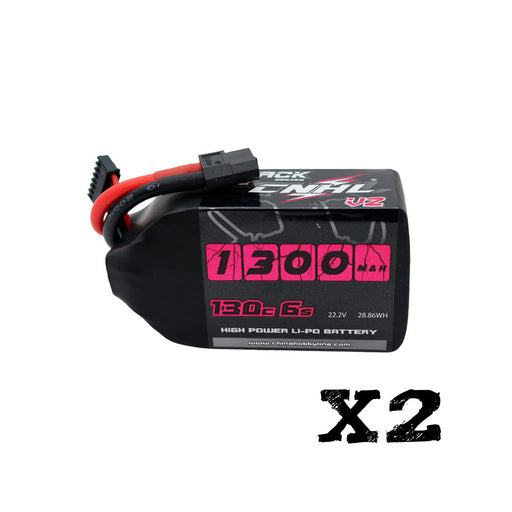
Szybkie sprawdzenie dopasowania 2 akumulatory CNHL Black Series V2.0 1300mAh 22,2V 6S 130C LiPo z wtyczką XT60 to doskonały wybór dla pilotów FPV, ...
Zobacz pełne szczegółyCzęści zamienne i długoterminowe wsparcie Wiemy, że dla pilotów RC niezawodne wsparcie w zakresie części zamiennych jest ważnym elementem utr...
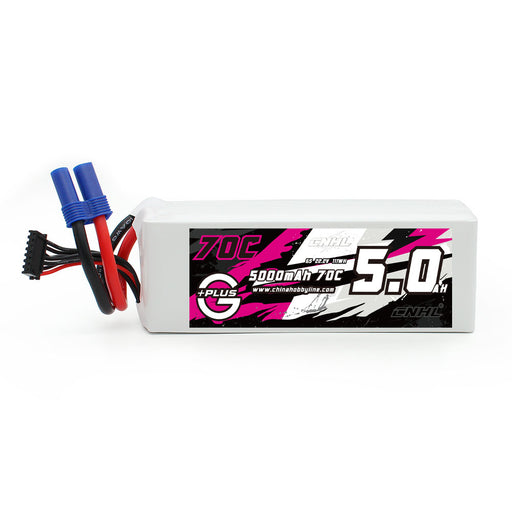
Zobacz pełne szczegółySpecyfikacje: Numer magazynowy: 500706EC5 Pojemność: 5000mAh Napięcie: 22.2V / 6-Cell / 6S1P Prąd rozładowania: 70C ciągły / 140C impulsowy Prąd ...
Zobacz pełne szczegóły
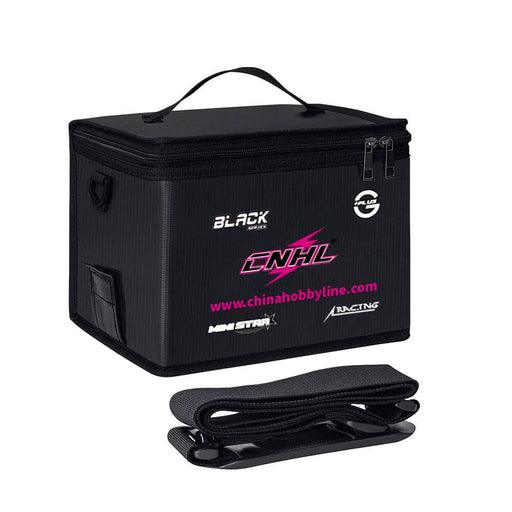
Torba na baterie CNHL LiPo została zaprojektowana dla bezpieczniejszego ładowania, transportu i przechowywania LiPo w domu lub na polu. Dodaje prak...
Zobacz pełne szczegółySzybkie sprawdzenie dopasowania 2 pakiety CNHL Speedy Pizza Series Pro 1350mAh 6S 150C LiPo z wtykiem XT60 są stworzone dla pilotów 5-calowych ...
Zobacz pełne szczegóły

Ogniwo litowo-jonowe CNHL Long Range Series BAK 65E 6350mAh 21700 zostało zaprojektowane z jednym jasnym priorytetem: maksymalną ilością zgromadzon...
Zobacz pełne szczegóły

Ogniwo Li-ion CNHL Long Range Series BAK 50D 5000mAh 21700 jest przeznaczone do niestandardowych pakietów akumulatorów o wysokiej energii, które wy...
Zobacz pełne szczegóły

ISDT C4 EVO to wszechstronna inteligentna ładowarka do akumulatorów AA, AAA i cylindrycznych ogniw wielokrotnego ładowania - od kompaktowych akumul...
Zobacz pełne szczegóły

Akumulator CNHL Long Range Series 6350mAh 21.6V 6S1P 21700 Li-ion łączy sześć wysokowydajnych ogniw BAK 65E w pakiet o pojemności 137.16Wh, zaproje...
Zobacz pełne szczegóły

Akumulator CNHL Long Range Series 5000mAh 21.6V 6S1P 21700 Li-ion łączy sześć ogniw BAK 50D w kompaktowy pakiet o pojemności 108Wh, zaprojektowany ...
Zobacz pełne szczegóły




Zostaw komentarz