
Akumulatory CNHL Lipo
CNHL dąży do dostarczania wysokiej jakości baterii Li-Po oraz produktów RC wszystkim entuzjastom hobby, oferując doskonałą obsługę klienta i konkurencyjne ceny

Jeśli kiedykolwiek kupowałeś „RC paraglider” i myślałeś: „Czemu ma śmigło?”, nie jesteś sam. W lotnictwie pełnowymiarowym słowa paraglider i paramotor oznaczają dwie różne rzeczy. W RC te nazwy szybko się zacierają, zwłaszcza w zestawach RTF, które przychodzą z już zamontowanym silnikiem.
Ten wpis to praktyczne, hobby-pierwsze wyjaśnienie: co te nazwy zwykle oznaczają, dlaczego marki używają ich niespójnie oraz jak wypadają dwa popularne przykłady: Stirlingkit „Para RC Glider” sprzedawany jako RTF oraz HobbyKing H-King Paramotor V2 sprzedawany jako PNF.
Terminy w skali rzeczywistej (pełnowymiarowej):
Terminy RC (jak hobby faktycznie używa tych słów):
Tak więc: całkowicie normalne jest zobaczyć dwa zmotoryzowane produkty RC, z których jeden jest oznaczony jako „paraglider”, a drugi jako „paramotor”. Różnica często dotyczy bardziej kategorii produktu i marketingu niż samego istnienia silnika.
Oto najczęstsze powody, dla których marki pozostają przy określeniu „paraglider”, nawet gdy wyraźnie jest silnik:
Dobrym przykładem jest oferta Stirlingkit, która używa określeń „Para RC Glider” i „RC stunt paraglider”, podczas gdy sam produkt jest wyraźnie zmotoryzowany.

Model Stirlingkit jest sprzedawany jako zestaw paralotni z napędem w stylu RTF. Prezentowany jest jako gotowy do lotu zestaw z opcjami czaszy (150cm lub 236cm rozpiętości) i wyborami pakietów zawierających wiele baterii. Specyfikacja pokazana dla większej wersji skrzydła podkreśla silnik 2217, ESC 40A i konfigurację baterii 3S 5200mAh.
W praktyce ta kategoria zwykle wydaje się „wybaczająca” w porównaniu z wieloma samolotami o stałym skrzydle: skrzydło się napina, linki się napinają, a latasz bardziej jak zarządzając latawcem z ciągiem niż wykonując ostre kąty przechyłu. Jedna uwaga recenzenta, która odpowiada temu, co mówią piloci: materiały mogą być podstawowe (plastikowa rama), ale latanie może być zaskakująco przyjemne po odpowiednim wyregulowaniu.

HobbyKing wyraźnie oznacza swój model jako Paramotor, a format ma znaczenie: ten jest PNF (Plug and Fly), co zwykle oznacza, że przynosisz własny sprzęt radiowy i baterię lotu. HobbyKing wyraźnie zaznacza, że potrzebujesz nadajnika komputerowego 3-kanałowego (lub więcej) z możliwością miksowania i krzywych, plus odbiornik, plus 3S LiPo 4000 do 6000mAh.
To duży powód, dla którego nazwa „paramotor” wydaje się tu bardziej spójna: jest pozycjonowany jak „prawdziwy model RC” do ustawiania i strojenia, a nie tylko zabawkowy zestaw RTF. Ma też opcję widocznej listwy LED i pełen ekosystem części zamiennych, co jest typowe dla dłużej działającej linii produktów.
Wiele osób uważa, że wybór między paralotnią a paramotorem dotyczy głównie silnika. W RC większa różnica to często jak chcesz to posiadać.
To odpowiada wzorcowi komentarza, który udostępniłeś z popularnego filmu z rozpakowywania: pilotowi podobały się osiągi lotu, ale chciał wersję „bez radia” do użycia z własnym nadajnikiem multi-protokół. Dokładnie tę lukę mają wypełnić modele PNF.
Modele z napędem pod czaszą nie latają jak typowy samolot RC. Musisz balansować ciąg, hamowanie i stabilność wahadłową pod miękkim skrzydłem. Jednak nadal istnieją zauważalne różnice między wieloma zestawami RTF „powered paraglider” a bardziej wyraźnie pozycjonowanymi platformami „paramotor”.
| Model | Jak jest oznaczone | Typ opakowania | Rozmiar skrzydła | Typowe oznaczenie baterii | Najlepsze do |
|---|---|---|---|---|---|
| Stirlingkit 2.4G Para RC Glider | Styl napędzanego paralotniarstwa (często sprzedawany jako „paralotnia”) | Zestawy RTF (z opcjami ilości baterii) | Opcje 150cm lub 236cm | W ofercie podano 3S 5200mAh dla większego bloku specyfikacji skrzydła | Przyjazny dla początkujących, szybki start, swobodne sesje latania |
| HobbyKing H-King Paramotor V2 z belką świetlną LED | Paramotor | PNF (przynieś własny sprzęt radiowy) | 2400mm | Zaleca 3S 4000–6000mAh (plus wymagania radia/odbiornika) | Hobbyści, którzy chcą stroić krzywe radia/miksowanie i zachować własny ekosystem nadajnika |
Uwaga: Celem jest praktyczne porównanie, a nie idealna taksonomia. Wielu sprzedawców RC używa „paralotni” jako nazwy kategorii nawet gdy jest to model z silnikiem.
Jeśli dobierasz baterie do budowy napędzanego paralotni / paramotora 3S, trzymam odpowiednie pakiety pogrupowane tutaj dla wygody: 3S baterie Lipo do paralotni i paramotorów RC.
Jeśli już posiadasz jeden z tych modeli i szukasz pakietów lotniczych oraz złączy do zastosowań w modelach RC, możesz przeglądać naszą kolekcję baterii do samolotów RC tutaj: baterie do samolotów CNHL.
P: Jeśli ma silnik, czy automatycznie jest paramotorem?
A: W pełnej skali tak. W terminologii sklepów RC nie zawsze. Wiele sklepów utrzymuje „paralotnię” jako nazwę kategorii, ponieważ opisuje typ czaszy.
P: Dlaczego niektóre zestawy są dostępne tylko jako RTF?
A: RTF zmniejsza problemy z wsparciem. Jeden zintegrowany system radiowy oznacza mniej skarg typu „nie łączy się” lub „moje miksy są złe”. Wadą jest mniejsza elastyczność dla pilotów z nadajnikiem multi-protokół.
P: Czy HobbyKing Paramotor V2 jest lepszy tylko dlatego, że nazywa się paramotorem?
A: Nie automatycznie. Większa różnica to PNF kontra RTF. Jeśli chcesz używać własnego radia, PNF często jest czystszym wyborem na dłuższą metę.
P: Jaka jest najlepsza pierwsza modernizacja?
A: Strojenie radia (expo, krzywe i miksowanie) zwykle przynosi więcej korzyści niż gonienie za dodatkową mocą. Płynniejsza skrzydło to spokojniejsze skrzydło.
Czy latałeś napędzanym paralotnią sprzedawaną jako „paralotnia” (nie „paramotor”)? A może zbudowałeś zestaw paramotorowy wokół własnego nadajnika i miksów? Podziel się swoimi doświadczeniami w komentarzach, zwłaszcza tym, co najbardziej pomogło Ci przy pierwszym udanym starcie.
CNHL dąży do dostarczania wysokiej jakości baterii Li-Po oraz produktów RC wszystkim entuzjastom hobby, oferując doskonałą obsługę klienta i konkurencyjne ceny
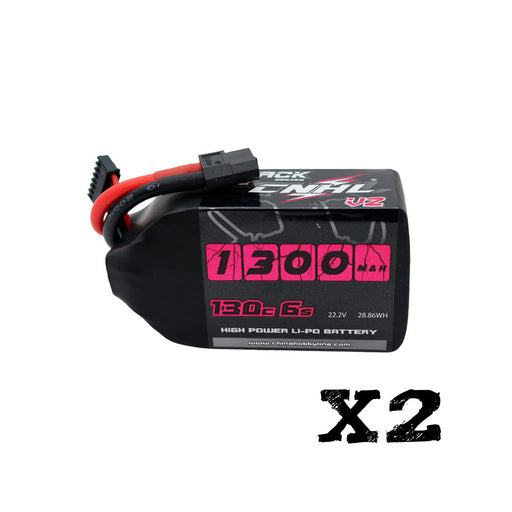
Szybkie sprawdzenie dopasowania 2 akumulatory CNHL Black Series V2.0 1300mAh 22,2V 6S 130C LiPo z wtyczką XT60 to doskonały wybór dla pilotów FPV, ...
Zobacz pełne szczegółyCzęści zamienne i długoterminowe wsparcie Wiemy, że dla pilotów RC niezawodne wsparcie w zakresie części zamiennych jest ważnym elementem utr...
Zobacz pełne szczegóły
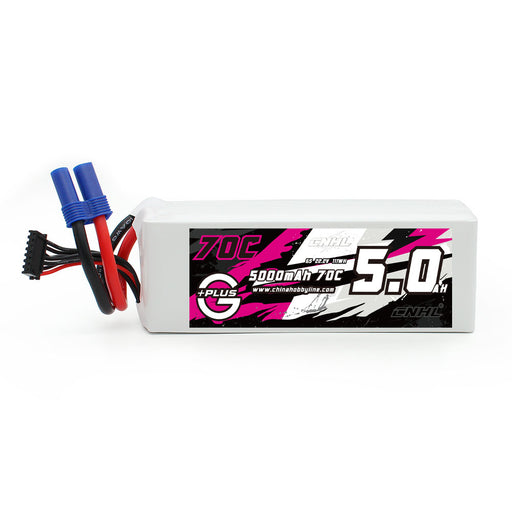
Specyfikacje: Numer magazynowy: 500706EC5 Pojemność: 5000mAh Napięcie: 22.2V / 6-Cell / 6S1P Prąd rozładowania: 70C ciągły / 140C impulsowy Prąd ...
Zobacz pełne szczegóły
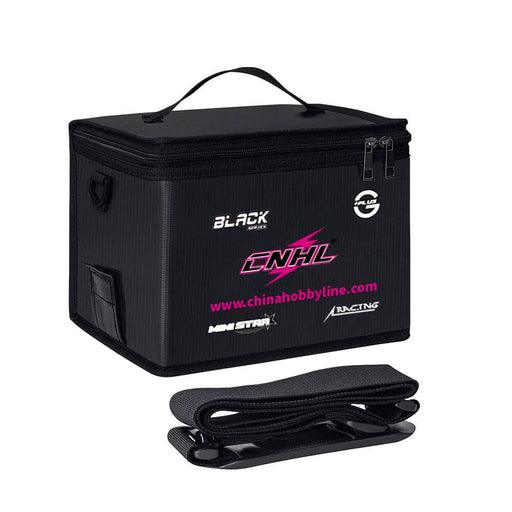
Torba na baterie CNHL LiPo została zaprojektowana dla bezpieczniejszego ładowania, transportu i przechowywania LiPo w domu lub na polu. Dodaje prak...
Zobacz pełne szczegóły

Szybkie sprawdzenie dopasowania 2 pakiety CNHL Speedy Pizza Series Pro 1350mAh 6S 150C LiPo z wtykiem XT60 są stworzone dla pilotów 5-calowych ...
Zobacz pełne szczegóły

Szybka kontrola dopasowania Akumulator LiPo CNHL Speedy Pizza Series 2200mAh 22,2V 6S 120C z wtykiem XT60 łączy znany format 2200mAh 6S z lżejszą,...
Zobacz pełne szczegóły

Szybkie sprawdzenie dopasowania Akumulator LiPo CNHL Speedy Pizza Series 2200mAh 14.8V 4S 120C z wtykiem XT60 łączy szeroko stosowany format 2200m...
Zobacz pełne szczegóły

Szybkie sprawdzenie dopasowania Akumulator LiPo CNHL Speedy Pizza Series 2200mAh 11.1V 3S 120C z wtyczką XT60 wykorzystuje dobrze znany format aku...
Zobacz pełne szczegóły

Ogniwo Li-ion CNHL Long Range Series BAK 50D 5000mAh 21700 jest przeznaczone do niestandardowych pakietów akumulatorów o wysokiej energii, które wy...
Zobacz pełne szczegóły

ISDT C4 EVO to wszechstronna inteligentna ładowarka do akumulatorów AA, AAA i cylindrycznych ogniw wielokrotnego ładowania - od kompaktowych akumul...
Zobacz pełne szczegóły


Zostaw komentarz