
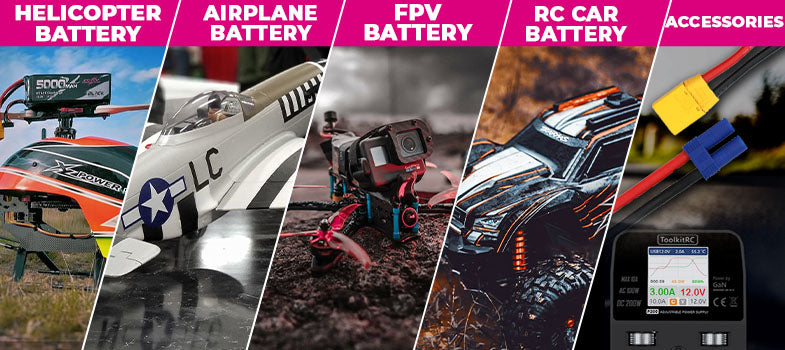
CNHL Літій-полімерні акумулятори
CNHL прагне надавати високоякісні Li-Po акумулятори та RC продукти всім любителям хобі з відмінним обслуговуванням клієнтів та конкурентними цінами

Якщо ви новачок у FPV, акумулятори LiPo можуть здаватися чорною скринькою. Один акумулятор відчувається гострим і надійним, інший — м’яким і шумним з попередженнями про низьку напругу, хоча етикетки схожі. Цей посібник просто пояснює, що насправді відбувається, використовуючи ту ж мову, що й ваші окуляри та зарядний пристрій: напруга, провал, тепло та звички.
Якщо хочете ширше розуміти термін служби акумулятора, ознаки попередження, безпечне зберігання та поводження в кінці терміну служби поза специфікою FPV, почніть з Посібника з обслуговування та безпеки акумуляторів LiPo.
Акумулятор LiPo — це група комірок, що працюють разом. Кожна комірка — це маленький енергетичний резервуар. Коли ви з’єднуєте комірки послідовно, отримуєте акумулятор: 4S означає 4 комірки послідовно, 6S — 6 комірок послідовно.
Для FPV вам не потрібен ступінь з хімії. Потрібно зрозуміти лише три практичні речі:
Пілоти FPV часто говорять про «напругу на комірку», бо вона залишається сталою для 2S, 4S, 6S і більше. Ваш OSD може показувати загальну напругу акумулятора, але зарядний пристрій показує напругу на комірку (і саме це число забезпечує вашу безпеку).
| Напруга на комірку | Що це зазвичай означає | Що робити пілоту | Чому це важливо |
|---|---|---|---|
| 4.20В | Повний заряд (стандартний LiPo) | Починайте свій політ тут (або трохи нижче, якщо віддаєте перевагу м’якшим акумуляторам) | Максимальна потужність, також момент, коли слабкі акумулятори найшвидше виявляють недоліки |
| 3.85В (приблизно) | Напруга для зберігання | Зберігайте акумулятори тут, якщо найближчим часом не плануєте літати | Найкращий баланс для довготривалого здоров’я акумулятора |
| 3.70В (у стані спокою) | Зона «посадка з запасом», що є здоровою для багатьох пілотів | Після посадки дайте акумулятору відпочити і підтвердіть напругу на зарядному пристрої | Хороша звичка, що запобігає глибокому розряду |
| 3.50В (у стані спокою) | Наближається до низького рівня для регулярного використання | Розглядайте це як «кінець корисного ресурсу акумулятора» для більшості стилів польоту | Повторюваний низький рівень напруги прискорює старіння та ризик здуття |
| < 3.30В (у стані спокою) | Занадто низько для регулярного польоту | Уникайте робити це своєю звичайною ціллю при посадці | Глибокий розряд може створити слабкі комірки та призвести до передчасної несправності акумулятора |
Важливо: Напруга OSD під газом — це не «напруга в стані спокою». Провал може тимчасово знизити показник. Безпечніше приземлятися з запасом, а потім перевіряти напругу на кожній комірці зарядним пристроєм після відпочинку акумулятора.

Ось пояснення для початківців: при тій самій потужності вища напруга може зменшити струмовий запит. Нижчий струм зазвичай означає менше тепла і менше падіння напруги. Саме тому багато пілотів відчувають, що 6S збірки можуть бути плавнішими і більш стабільними під навантаженням.
Це не означає, що 6S завжди краще. Це означає, що 6S дає вам запас потужності, коли ваша конфігурація потребує багато струму (важчий квад, агресивні пропелери, жорсткий фрістайл, вітряний далекобій).
Простий підхід: Розглядайте 4S і 6S як «наскільки важко батареї працювати для того самого руху». Менше навантаження часто означає холодніші батареї і більш стабільні польоти.
Якщо ви готові вибрати свої перші батареї (або замінити втомлені, які рано падають), ця добірка — чистий початок:
Падіння напруги — це те, що відбувається, коли через опір проходить великий струм. У кожної батареї є опір: всередині комірок, у проводах, у роз’ємі та в кожному паяному з’єднанні.
Коли ви різко додаєте газу:
Коли ви знижуєте навантаження:
На що звертати увагу: глибина падіння напруги (наскільки низько вона опускається), швидкість відновлення (наскільки швидко повертається), і температура батареї після посадки. Ці три сигнали розкажуть більше, ніж маркування.
| Що ви помічаєте | Що це часто означає | Просте рішення |
|---|---|---|
| Ранні сигнали низької напруги при різкому прискоренні | Холодні батареї, старі батареї або надмірний струмовий запит | Теплі батареї, перевірте роз’єми, подумайте про здоровішу батарею або трохи більшу ємність |
| Повільне відновлення навіть після зниження навантаження | Батарея старіє або одна комірка слабша | Переведіть їх у режим «тільки легкі польоти» і контролюйте баланс |
| Батареї дуже гарячі після звичайних польотів | Конфігурація навантажує батарею або шлях живлення неефективний | Спробуйте більш м’які пропелери, легшу конструкцію або батарею, що менше нагрівається |
| Область роз’єму гарячіша за батарею | Роз’єм або проводка є вузьким місцем | Перевіряйте паяння, замінюйте зношені роз’єми, уникайте люфтів |

Рекомендована література: Якщо падіння напруги — це те, що ви відчуваєте найбільше (той «м’який провал» посередині), ось практичний посібник з вибору, побудований навколо вага, IR і реальне падіння напруги для найпоширенішої конфігурації: 5 дюймів на 6S (1100–1300мА·год, XT60). Найкраща батарея для 5-дюймового FPV квадрокоптера.
Ємність (мА·год) — це не просто більше хвилин польоту. Це також більше ваги. Вага змінює відчуття газу, гальмівний шлях, енергію при зіткненні та навантаження на мотори.
| Тип дрона | Типова модель акумулятора | Що оптимізувати | Поширена помилка початківців |
|---|---|---|---|
| 1S whoop (в приміщенні) | 300-450 мА·год (легкий) | Маневреність і низька енергія при зіткненнях | Важкий акумулятор для тривалості польоту, що робить whoop незграбним |
| Cinewhoop (2S-4S) | Помірна ємність, стабільна подача | Плавна потужність для відео | Перевищення розміру, поки не починає грітися і ставати нестабільним |
| 5-дюймовий фристайл / гонки | Збалансована ємність з швидким відновленням | Потужність плюс стабільність | Змішування занадто багатьох ємностей і відсутність навчання ритму приземлення |
| Дальній радіус дії | Вища ємність з акцентом на ефективність | Стабільність і безпечний запас | Довіра до граничних акумуляторів далеко, де надійність має найбільше значення |
Корисна звичка: Виберіть одну стандартну ємність для вашого основного квадрокоптера і користуйтеся нею для більшості польотів. Ви швидше навчитеся безпечному часу приземлення.
Рейтинг C має описувати, скільки струму акумулятор може віддати відносно своєї ємності. На практиці надруковані рейтинги C відрізняються між брендами. Для початківців рейтинг C слід розглядати як приблизну категорію, а не як обіцянку.
Натомість довіряйте повторюваним сигналам:
Правило для початківців: Спочатку купуйте невелику партію. Якщо вони залишаються стабільними кілька вихідних, тоді збільшуйте кількість. Простий спосіб зробити це — вибрати один «базовий» акумулятор і користуватися ним, поки вчитеся, як ваш квадрокоптер реагує на розряд і приземлення. Якщо ви починаєте з нуля, вибір стабільного акумулятора CNHL FPV як базового може зробити криву навчання значно плавнішою. Ви можете переглянути нашу колекцію акумуляторів для FPV-дронів і почати з одного акумулятора, який можна повторювати тиждень за тижнем.
Більшість акумуляторів не виходять з ладу раптово. Вони втрачають ємність через дрібні звички: заряджання гарячих акумуляторів, залишення їх повністю зарядженими на дні, і регулярне глибоке розряджання під час польотів.
| Звичка | Що це робить з часом | Краща звичка |
|---|---|---|
| Заряджання акумуляторів, поки вони ще дуже гарячі | Внутрішній опір зростає швидше, термін служби скорочується | Дайте акумуляторам охолонути до «теплого, але комфортного» стану перед заряджанням |
| Залишати акумулятори повністю зарядженими на дні/тижні | Зростає ризик здуття, ємність знижується | Використовуйте заряд для зберігання, якщо не плануєте літати найближчим часом (приблизно 3,85 В на банку) |
| Літати до останньої можливої секунди | Слабкі банки розвиваються, акумулятори стають нестабільними | Приземляйтеся з запасом і перевіряйте кожну банку після відпочинку |
| Заряджання під прямим сонцем або далеко від вас | Тепловий стрес та пропущені попереджувальні сигнали | Заряджайте в тіні, у місці, через яке ви природно проходите повз |
Якщо хочете більш специфічне для дронів продовження по догляду після основ тут, переходьте до Правильний догляд за акумуляторами дронів: поради для довговічності та продуктивності.
Стандартний LiPo заряджається до 4,20 В на осередок. LiHV (високовольтний LiPo) заряджається вище (зазвичай 4,35 В на осередок), щоб отримати трохи більше енергії та потужності. Деякі пілоти віддають перевагу LiHV для коротких, агресивних сесій; інші — стандартному LiPo за простоту та стабільність.
Правило безпеки: Заряджайте LiHV-батареї лише в режимі LiHV. Якщо не впевнені, сприймайте їх як стандартні LiPo і спочатку перевірте етикетку.
Якщо хочете побачити, чому правильний режим заряджання важливий на набагато жорсткішому прикладі з реального життя, прочитайте Що трапляється, коли ви перезаряджаєте LiPo-батарею? Реальна пожежа FPV, з якої варто вчитися.

Використовуйте попередження як нагадування, а не як виклик. Консервативне попередження під навантаженням допомагає початківцям виробляти безпечніші звички. Якщо воно спрацьовує миттєво при різких прискореннях, це часто вказує на холодні батареї, втомлені батареї або надто агресивну конфігурацію. Садіться з запасом і перевіряйте напругу на осередок після відпочинку батареї.
Тепло — це нормально. Гаряче — це сигнал. Якщо вам некомфортно тримати батарею, сприймайте це як попередження і зменшіть навантаження, використовуючи здоровішу батарею, ніжніші пропелери або більш ефективну конфігурацію.
Тому що на етикетках не показано внутрішній опір, старіння або невеликі відмінності в проводах і роз’ємах. Тепло під час зберігання, швидке заряджання гарячих батарей і звички глибокого розряду також можуть змусити «ідентичні» батареї поводитися дуже по-різному.
Три звички роблять більшість роботи: зберігайте батареї близько до напруги зберігання, якщо не плануєте скоро літати, уникайте заряджання гарячих батарей і припиніть робити глибокий розряд звичайною метою посадки.
Коли будете готові вибирати батареї за типом дрона та напругою, можете переглянути тут:
Якщо вам це було корисно, додайте в закладки і повертайтеся після кількох вихідних польотів. Знання про LiPo найкраще засвоюються, коли ви пов’язуєте слова з тим, що бачите у своїх окулярах.
CNHL прагне надавати високоякісні Li-Po акумулятори та RC продукти всім любителям хобі з відмінним обслуговуванням клієнтів та конкурентними цінами

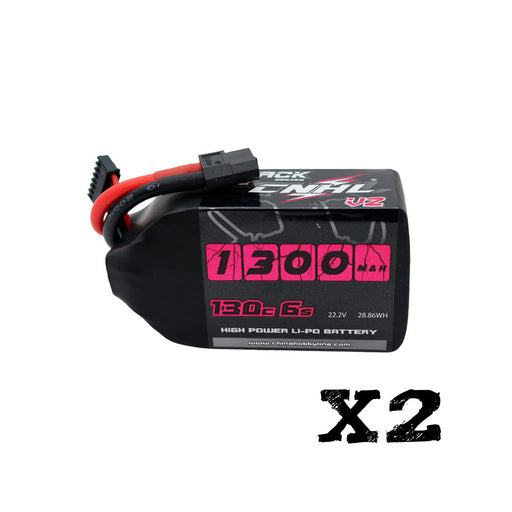
Швидка перевірка сумісності Комплект із 2 акумуляторів CNHL Black Series V2.0 1300mAh 22.2V 6S 130C LiPo із роз’ємом XT60 чудово підійде пілотам FP...
Переглянути повні деталіЗапчастини та довгострокова підтримка Ми знаємо, що для пілотів радіокерованих моделей надійна підтримка запасними частинами є важливою умово...
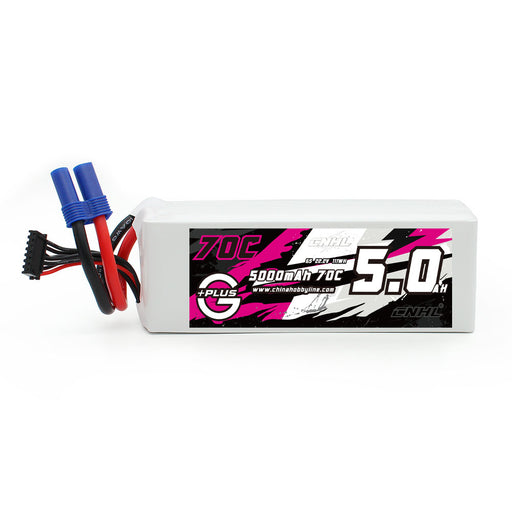
Переглянути повні деталіТехнічні характеристики: Номер на складі: 500706EC5 Ємність: 5000mAh Напруга: 22.2V / 6-елементів / 6S1P Розрядний струм: 70C постійний / 140C ім...
Переглянути повні деталі
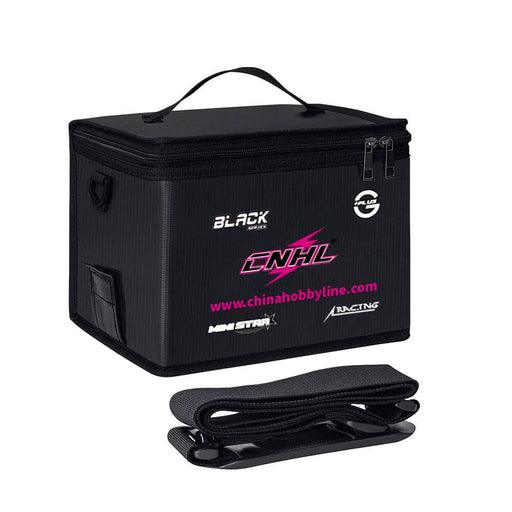
Сумка CNHL для LiPo акумуляторів розроблена для безпечнішої зарядки, транспортування та зберігання LiPo вдома або на полігоні. Вона додає практични...
Переглянути повні деталі

Швидка перевірка сумісності 2 акумулятори CNHL Speedy Pizza Series Pro 1350mAh 6S 150C LiPo з XT60 штекером створені для 5-дюймових FPV пілотів...
Переглянути повні деталі

Швидка перевірка сумісності LiPo-акумулятор CNHL Speedy Pizza Series 2200mAh 22.2V 6S 120C зі штекером XT60 поєднує звичний формат 2200mAh 6S із л...
Переглянути повні деталі

Швидка перевірка сумісності LiPo-акумулятор CNHL Speedy Pizza Series 2200mAh 14.8V 4S 120C зі штекером XT60 поєднує поширений формат 2200mAh 4S зі...
Переглянути повні деталі

Швидка перевірка сумісності CNHL Speedy Pizza Series 2200mAh 11.1V 3S 120C LiPo Battery with XT60 Plug має звичний формат акумулятора 3S 2200mAh д...
Переглянути повні деталіЦиліндричний літій-іонний елемент CNHL Long Range Series BAK 65E 6350mAh 21700 створений із чітким пріоритетом: максимальна запасена енергія за мін...
Переглянути повні деталі

Циліндричний Li-ion акумуляторний елемент CNHL Long Range Series BAK 50D 5000mAh 21700 призначений для виготовлення індивідуальних високоенергетичн...
Переглянути повні деталі




Залишити коментар