
CNHL Літій-полімерні акумулятори
CNHL прагне надавати високоякісні Li-Po акумулятори та RC продукти всім любителям хобі з відмінним обслуговуванням клієнтів та конкурентними цінами

Якщо ви коли-небудь купували «RC параплан» і думали: «Чому тут пропелер?», ви не самі. У повномасштабній авіації слова параплан і парамотор — це дві різні речі. В RC ці позначення швидко розмиваються, особливо у RTF-комплектах, які приходять з уже встановленим мотором.
Цей допис — практичний, орієнтований на хобі розбір: що зазвичай означають ці назви, чому бренди використовують їх непослідовно, і як порівнюються два популярні приклади: Stirlingkit «Para RC Glider», що продається як RTF, та HobbyKing H-King Paramotor V2, що продається як PNF.
Терміни повномасштабної (реальної) авіації:
Терміни RC (як хобі фактично використовує ці слова):
Отже, так: цілком нормально бачити два моторизовані RC продукти, де один позначений як «параплан», а інший — «парамотор». Різниця часто більше стосується категорії продукту та маркетингу, ніж наявності мотора.
Ось найпоширеніші причини, чому бренди залишаються з «парапланом», навіть коли мотор очевидний:
Добрим прикладом є оголошення Stirlingkit, яке використовує формулювання «Para RC Glider» та «RC stunt paraglider», хоча сам продукт явно моторизований.

Модель Stirlingkit продається як комплект моторного параплана RTF. Вона представлена як готова до польоту з варіантами купола (150см або 236см розмах крила) та комплектами, що включають кілька акумуляторів. Специфікація для більшої версії крила виділяє мотор 2217, ESC 40A та конфігурацію акумулятора 3S 5200mAh.
У реальному використанні ця категорія зазвичай відчувається «прощаючою» порівняно з багатьма літаками з жорстким крилом: крило надувається, лінії навантажуються, і ви літаєте більше так, ніби керуєте повітряним змієм з тягою, а не різко входите в круті повороти. Один висновок у стилі оглядача, що збігається з думками багатьох пілотів: матеріали можуть бути простими (пластикова рама), але політ може бути дивовижно приємним після налаштування.

HobbyKing дуже чітко маркує свою модель як Парамотор, і формат має значення: ця модель PNF (Plug and Fly), що зазвичай означає, що ви приносите своє радіообладнання та акумулятор для польоту. HobbyKing спеціально зазначає, що вам знадобиться 3-канальний (або більше) комп’ютерний передавач з можливістю мікшування і кривих, плюс приймач, плюс 3S 4000–6000mAh LiPo.
Це велика причина, чому назва «парамотор» тут відчувається більш послідовною: він позиціонується як «справжня RC авіамодель», яку ви налаштовуєте і регулюєте, а не просто іграшковий комплект RTF. Також є видима опція світлодіодної панелі та повна екосистема запасних частин, що типово для довготривалої лінійки продуктів.
Багато людей думають, що вибір між парапланом і парамотором головним чином стосується мотора. В RC більша різниця часто полягає в як ви хочете володіти ним.
Це відповідає коментарю, який ви поділили з популярного відео розпакування: пілоту сподобалась льотна продуктивність, але він хотів версію «без радіо» для використання зі своїм багатопротокольним передавачем. Саме цю прогалину моделі PNF створені заповнити.
Моделі з моторним куполом не літають як типовий RC літак. Ви балансуєте тягу, вхід гальма та стабільність маятника під м’яким крилом. Але все ж є помітні відмінності між багатьма RTF «моторними парапланами» та більш явно позиціонованою платформою «парамотор».
| Модель | Як позначено | Тип пакування | Розмір крила | Типова рекомендована батарея | Найкраще для |
|---|---|---|---|---|---|
| Stirlingkit 2.4G Para RC планер | Стиль моторного параплану (часто продається як «параплан») | RTF комплекти (з варіантами кількості акумуляторів) | Варіанти 150см або 236см | У списку вказано 3S 5200mAh для блоку з більшим крилом | Початковий рівень, швидкий старт, випадкові польоти |
| HobbyKing H-King Paramotor V2 з LED світловою панеллю | Парамотор | PNF (принесіть своє радіообладнання) | 2400мм | Рекомендує 3S 4000–6000mAh (плюс вимоги до радіо/приймача) | Хобісти, які хочуть налаштовувати радіокриві/мікшування і зберігати власну екосистему передавача |
Примітка: Мета тут — практичне порівняння, а не ідеальна таксономія. Багато продавців RC використовують «параплан» як назву категорії навіть коли він моторизований.
Якщо ви підбираєте акумулятори для 3S моторного параплана / парамотора, я зручно згрупував підходящі пакети тут: 3S RC Lipo Batteries for RC paragliders & paramotors.
Якщо ви вже маєте один із цих пристроїв і підбираєте акумулятори та роз’єми для використання в RC літаках, ви можете переглянути нашу колекцію акумуляторів для RC літаків тут: CNHL airplane batteries.
П: Якщо є мотор, це автоматично парамотор?
В: У масштабі повноцінних апаратів — так. У термінах магазинів RC — не завжди. Багато магазинів залишають «параплан» як назву категорії, бо це описує тип купола.
П: Чому деякі комплекти продаються лише як RTF?
В: RTF зменшує проблеми з підтримкою. Один комплект радіосистеми означає менше скарг типу «не зв’язується» або «мої мікси неправильні». Недолік — менша гнучкість для пілотів з мультипротокольним передавачем.
П: Чи кращий HobbyKing Paramotor V2 лише тому, що його називають парамотором?
В: Не обов’язково. Більша різниця — це PNF проти RTF. Якщо ви хочете використовувати власне радіо, PNF часто є чистішим довгостроковим вибором.
П: Яке найкраще перше оновлення?
В: Налаштування радіо (експо, криві та мікшування) зазвичай дає більше користі, ніж гонитва за додатковою потужністю. Плавніше крило — спокійніше крило.
Ви літали на моторному параплані, який продавали як «параплан» (не «парамотор»)? Або ви створили налаштування парамотора навколо свого власного передавача та мікшування? Поділіться своїм досвідом у коментарях, особливо тим, що найбільше допомогло вам при першому успішному запуску.
CNHL прагне надавати високоякісні Li-Po акумулятори та RC продукти всім любителям хобі з відмінним обслуговуванням клієнтів та конкурентними цінами
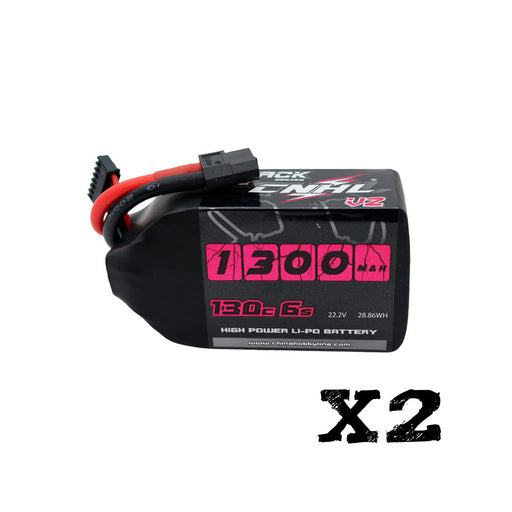
Швидка перевірка сумісності Комплект із 2 акумуляторів CNHL Black Series V2.0 1300mAh 22.2V 6S 130C LiPo із роз’ємом XT60 чудово підійде пілотам FP...
Переглянути повні деталіЗапчастини та довгострокова підтримка Ми знаємо, що для пілотів радіокерованих моделей надійна підтримка запасними частинами є важливою умово...
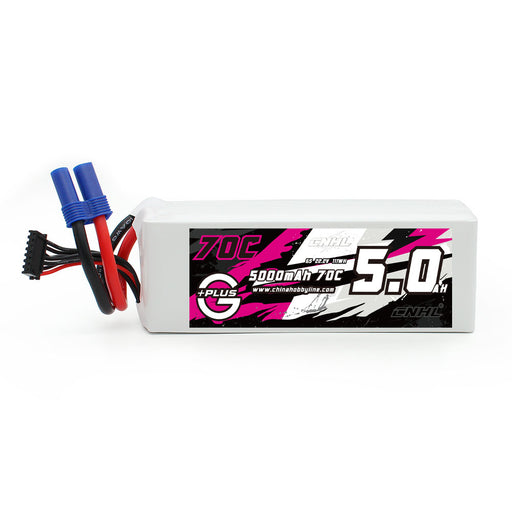
Переглянути повні деталіТехнічні характеристики: Номер на складі: 500706EC5 Ємність: 5000mAh Напруга: 22.2V / 6-елементів / 6S1P Розрядний струм: 70C постійний / 140C ім...
Переглянути повні деталі
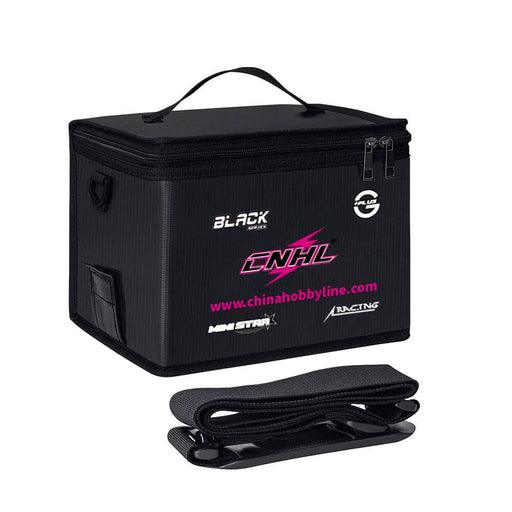
Сумка CNHL для LiPo акумуляторів розроблена для безпечнішої зарядки, транспортування та зберігання LiPo вдома або на полігоні. Вона додає практични...
Переглянути повні деталі

Швидка перевірка сумісності 2 акумулятори CNHL Speedy Pizza Series Pro 1350mAh 6S 150C LiPo з XT60 штекером створені для 5-дюймових FPV пілотів...
Переглянути повні деталі

Швидка перевірка сумісності LiPo-акумулятор CNHL Speedy Pizza Series 2200mAh 22.2V 6S 120C зі штекером XT60 поєднує звичний формат 2200mAh 6S із л...
Переглянути повні деталі

Швидка перевірка сумісності LiPo-акумулятор CNHL Speedy Pizza Series 2200mAh 14.8V 4S 120C зі штекером XT60 поєднує поширений формат 2200mAh 4S зі...
Переглянути повні деталі

Швидка перевірка сумісності CNHL Speedy Pizza Series 2200mAh 11.1V 3S 120C LiPo Battery with XT60 Plug має звичний формат акумулятора 3S 2200mAh д...
Переглянути повні деталі

Циліндричний Li-ion акумуляторний елемент CNHL Long Range Series BAK 50D 5000mAh 21700 призначений для виготовлення індивідуальних високоенергетичн...
Переглянути повні деталі

ISDT C4 EVO — це універсальний інтелектуальний зарядний пристрій для акумуляторів AA, AAA і циліндричних акумуляторних елементів: від компактних ак...
Переглянути повні деталі


Залишити коментар