
CNHL Lipo baterie
CNHL si klade za cíl poskytovat vysoce kvalitní Li-Po baterie a RC produkty všem nadšencům do koníčků s vynikajícím zákaznickým servisem a konkurenceschopnými cenami

Nákup velkého RC letadla ve stylu válečného ptáka online by měl být vzrušující — ne nejistý. Ale pokud jste hledali „koupit Super Tucano RC letadlo“ nebo „Super Tucano RC letadlo na prodej,“ pravděpodobně jste viděli, proč lidé váhají: nabídky na první pohled vypadají podobně, ale součásti, očekávání ohledně sestavení a realita dopravy se mohou velmi lišit.
Tento průvodce je klidný, praktický seznam pro kupujícího třídy 1600mm. Je napsán tak, aby vám pomohl udělat čisté rozhodnutí před kliknutím na „objednat“, abyste nemuseli platit dvakrát (jednou za letadlo a podruhé za chybějící nezbytnosti, o kterých jste předpokládali, že jsou součástí). Pokryjeme, co ověřit v jakémkoli inzerátu, jak interpretovat „PNP“, jak hodnotit cenu bez potřeby tabulky a jaké otázky si položit podle vašeho letiště a rádiového vybavení.
„Super Tucano“ se používá pro více velikostí RC. Třída 1600mm je jiný zážitek z vlastnictví než menší verze park-flyer: potřebuje více baterie, více místa na přepravu a obvykle správnou dráhu (nebo alespoň hladší travnatý pás).
Pokud je inzerát nejasný ohledně rozpětí křídel, považujte to za varovný signál. Jasné informace o rozpětí křídel jsou prvním ukazatelem, že se díváte na seriózní, transparentní nabídku.

„PNP“ (Plug-N-Play) nebo „PNF“ (Plug-N-Fly) je jeden z nejčastěji nepochopených štítků v RC nabídkách. Obvykle znamená, že hlavní elektronika je nainstalována (motor, ESC, serva), ale neznamená to, že můžete létat hned po otevření krabice.
Pro tento inzerát třídy Super Tucano 1600mm je očekávaný výklad:
Pokud jste si někdy koupili model s tím, že obsahuje baterii, a pak jste zjistili, že ne, už víte, proč je to důležité. Když zákazníci porovnávají „cenu“ mezi nabídkami, často porovnávají balíček s baterií a bez baterie, aniž by si toho všimli. Takže: zkontrolujte, co je v balení, než porovnáte čísla.

Kategorie Super Tucano 1600mm je obvykle postavena kolem 6S napájecího systému a poměrně širokého rozsahu kapacity. V praktickém smyslu to znamená, že máte flexibilitu — ale také odpovědnost. Baterie, která „sedí“, může být stále špatnou volbou, pokud posune těžiště příliš dopředu nebo přidá zbytečnou hmotnost na zatížení nosného podvozku při přistání.
Co zkontrolovat v inzerátu:
Když porovnáváte RC letadlo Super Tucano na prodej, cílem není předpovědět přesný čas letu — ten vždy závisí na vašem způsobu létání. Agresivní používání plynu, dlouhé vertikály a rychlé průlety vybíjí jakoukoli baterii rychleji než plynulé, modelářsky věrné létání.
Důležitější je, zda inzerát jasně vysvětluje zamýšlený rozsah baterie a dostupný fyzický prostor. Tyto informace pomáhají pilotům vybrat baterii, která vyváží hmotnost, těžiště a dodávku energie podle jejich vlastního stylu létání. Bez nich nesrovnáváte hodnotu — srovnáváte předpoklady.

Zatahovací podvozek a klapky nejsou jen kosmetické prvky — mění způsob, jakým ovládáte letadlo. Abyste si je užili bez nepříjemných kompromisů, ověřte, že vaše rádiová sestava podporuje funkce, které skutečně chcete používat.
Pokud přecházíte z jednodušších letadel s pevným podvozkem, je dobré být k sobě upřímný: funkce jsou zábavné, ale také vyžadují „pozornost systémů“. Cílem není být zastrašen — ale plánovat tak, aby první den nebyl stráven přeprogramováním místo létání.

Když se lidé ptají, zda se vyplatí zatahovací podvozek, upřímná odpověď závisí na vašem oboru. Na hladkém povrchu přidávají zatahovací podvozky realističnost a snižují odpor. Na trávě se stávají otázkou odolnosti a použitelnosti.
Co hledat na fotografiích a v popisu nabídky:
Inzerát, který ukazuje detailní záběry podvozku, je obvykle důvěryhodnější než ten, který ukazuje jen vzdálený „letový glam shot“. U velkých válečných letadel je kvalita podvozku součástí nákladů na vlastnictví — i když se to neprojeví v celkové ceně při nákupu.

Klapky jsou jednou z nejlepších vlastností u válečných letadel ve stylu Super Tucano: přidávají realismus a mohou zpřesnit přiblížení. Ale klapky také vytvářejí aerodynamické síly — a ty rychle rostou, pokud nasadíte agresivní úhly klapek při vysoké rychlosti.
Před nákupem zkontrolujte, zda je trup navržen pro praktické použití klapek:
Pokud létáte na letišti s krátkým přiblížením a chcete „pomalé a pěkné“ přistání, klapky jsou skutečnou přidanou hodnotou. Pokud přistáváte vždy rychle a dlouze, možná vám to nevadí — ale většině pilotů záleží, jak klidný může být přiblížení s pomocí klapek.
Když se rozhodujete, kde koupit, doprava není poznámka pod čarou — je součástí zážitku z produktu. Velká pěnová letadla se posílají ve velkých krabicích a rozdíl mezi blízkým skladem a zámořskou zásilkou se může projevit v době přepravy, kvalitě sledování a zacházení s krabicí během cesty.
Pro CNHL zahrnují sklady US, EU a UK. Nejjednodušší rada pro kupující je:
Pokud jste někdy čekali týdny na velký trup letadla, abyste nakonec dostali krabici, která vypadá, jako by prošla třemi třídicími centry, už chápete, proč tato sekce existuje.
Vybrali jste nejchytřejší možnost: nefixujte se na jedno „cenové“ číslo bez kontextu. Zde je jednoduchý způsob, jak hodnotit hodnotu, když vidíte Super Tucano RC letadlo na prodej:
Jinými slovy: „nejlepší cena“ je ta, která vám umožní létat s jistotou a minimem dodatečných úprav. Nejlevnější celková cena při nákupu není vždy nejlevnější vlastnictví.
Pokud listing splňuje všechny tyto podmínky, můžete nakupovat s mnohem větší jistotou — a první víkend strávíte létáním místo opravování předpokladů.
Pokud chcete jasný PNP listing (vyžaduje přijímač, baterie není součástí) s možnostmi skladu a úplnými detaily, zde je Super Tucano 1600mm RC letadlo produktová stránka.
CNHL si klade za cíl poskytovat vysoce kvalitní Li-Po baterie a RC produkty všem nadšencům do koníčků s vynikajícím zákaznickým servisem a konkurenceschopnými cenami
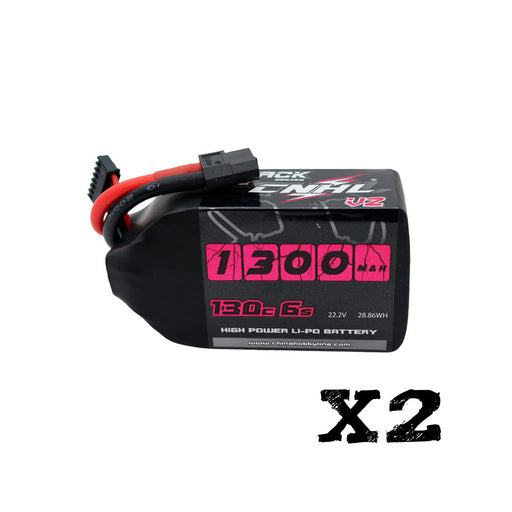
Rychlá kontrola kompatibility 2 balení baterie CNHL Black Series V2.0 1300mAh 22.2V 6S 130C LiPo s konektorem XT60 je skvělou volbou pro FPV piloty...
Zobrazit úplné detailyNáhradní díly a dlouhodobá podpora Víme, že pro RC piloty je spolehlivá podpora v oblasti náhradních dílů důležitou součástí toho, aby letadl...
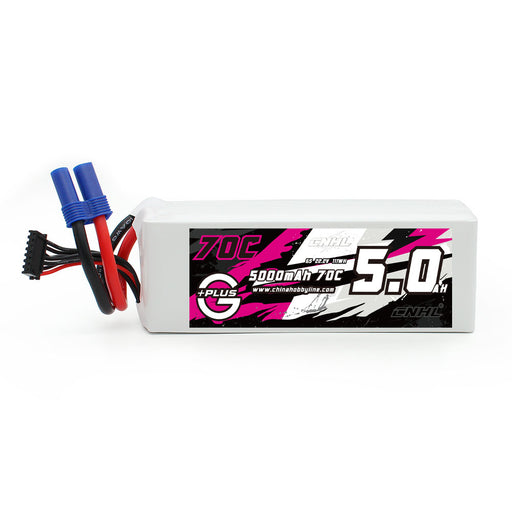
Zobrazit úplné detailySpecifikace: Číslo skladu: 500706EC5 Kapacita: 5000mAh Napětí: 22.2V / 6-článků / 6S1P Výbojový proud: 70C kontinuální / 140C špičkový Nabíjecí p...
Zobrazit úplné detaily
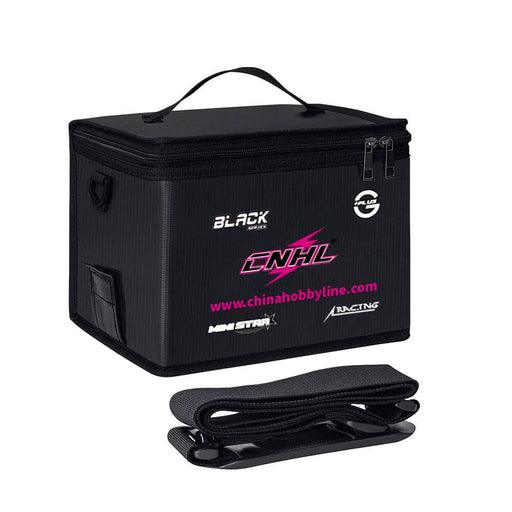
CNHL LiPo Battery Bag je navržen pro bezpečnější nabíjení, přepravu a skladování LiPo doma nebo v terénu. Přidává praktickou vrstvu ochrany tím, že...
Zobrazit úplné detailyRychlá kontrola montáže 2 balení CNHL Speedy Pizza Series Pro 1350mAh 6S 150C LiPo baterie s XT60 zástrčkou jsou navrženy pro 5palcové FPV pilo...
Zobrazit úplné detaily

Článek Li-ion baterie CNHL Long Range Series BAK 65E 6350mAh 21700 je navržen s jednou jasnou prioritou: maximální množství uložené energie z lehké...
Zobrazit úplné detaily

Válcový Li-ion článek CNHL Long Range Series BAK 50D 5000mAh 21700 je určen pro vlastní bateriové sestavy s vysokou energetickou hustotou, které vy...
Zobrazit úplné detaily

ISDT C4 EVO je univerzální chytrá nabíječka baterií určená pro nabíjecí články AA, AAA a válcové články od kompaktních baterií 10440 až po velké čl...
Zobrazit úplné detaily

Baterie CNHL Long Range Series 6350mAh 21.6V 6S1P 21700 Li-ion kombinuje šest vysokoenergetických článků BAK 65E do akumulátoru s kapacitou 137.16W...
Zobrazit úplné detaily

Baterie CNHL Long Range Series 5000mAh 21,6V 6S1P 21700 Li-ion kombinuje šest článků BAK 50D do kompaktního akumulátoru s kapacitou 108Wh, navržené...
Zobrazit úplné detaily




Komentáře
Zanechte komentář