
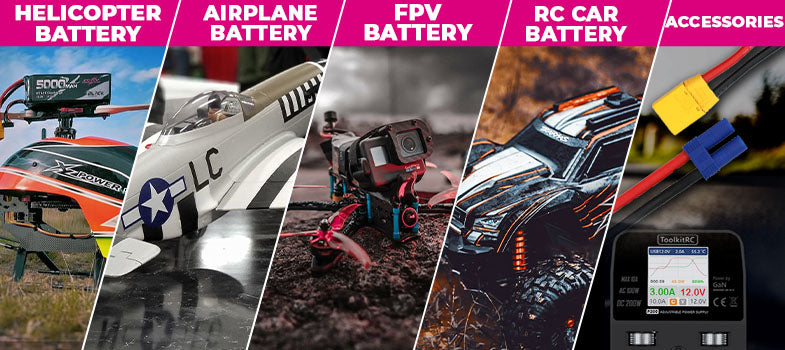
CNHL Lipo baterie
CNHL si klade za cíl poskytovat vysoce kvalitní Li-Po baterie a RC produkty všem nadšencům do koníčků s vynikajícím zákaznickým servisem a konkurenceschopnými cenami

Pokud jste se o Super Tucano 1600 mm zajímali delší dobu, pravděpodobně jste zaznamenali stejný motiv v hodnocení majitelů: lidem se to nejen líbí — stále se k tomu vracejí. Jeden recenzent ho přímo označil za „nejlepší letadlo za peníze“ a řekl, že CNHL „vyřešil problémy s modelem první generace“. Jiný pilot přirovnal pocit z letu ke starším patternovým letadlům z 80. a 90. let, což je velmi specifický kompliment: plynulý, pevný let a předvídatelné řízení energie.
Toto není příspěvek s „technickými parametry“. Je to recenze nastavení v reálném světě — taková, kterou chcete mít otevřenou v telefonu při stavbě, vyvažování a nastavování zdvihů před prvním letem. Probereme, co skutečně záleží: rozhodnutí při sestavování, která zabrání bolestem hlavy, umístění těžiště a baterie, které zabrání pocitu těžké přídi, zda se zatahovací podvozek vyplatí na trávě a jak přistupovat k nastavení klapek tak, aby bylo efektivní a zároveň šetrné k mechanice letadla.

Než se pustíme do názorů, tady je rychlý základ. To jsou detaily, které se skutečně řeší v terénu: volba baterie, vyvážení, chování klapek, spolehlivost zatahovacího podvozku a kolik rádia potřebujete, aby letadlo působilo „správně“.
| Položka | Co to znamená v praxi |
|---|---|
| Velikostní třída | Rozpětí křídel 1600 mm (63") a délka cca 1617 mm — stabilní a „velký letadlový“ vzhled, ne nervózní chování parkového modelu. |
| Pohon | Motor 5052-525KV + 100A ESC s reverzní funkcí — silná autorita, plus volitelný reverzní tah pro krátké rozjezdy. |
| Klíčové vlastnosti | Elektrický zatahovací podvozek s olejovými tlumiči, funkční klapky, denní jasné LED navigační/přistávací/letové osvětlení, pětibřitý měřítkový vrtulový šroub. |
| Okno pro baterii | Doporučený rozsah 6S (běžně používané baterie kolem 4000–6000mAh) — těžiště a pocit z přistání silně závisí na umístění, nejen na kapacitě. |
| Požadavky na rádio | 6–7 kanálů je pohodlná zóna, pokud chcete zatahovací podvozek + klapky bez zvláštních kompromisů. |
Kontrola nálady majitelů: „Na stupnici 1–10 je to 11… hladký… podvozek je vynikající… létám na trávě.“
Ten jediný komentář zasahuje tři témata, která uvidíte opakovaně: pocit z letu, odolnost podvozku a praktičnost v terénu.
Mnoho majitelů popisuje stavbu jako přímočarou: nízký počet dílů, vše přesně pasuje a trup se sestavuje bez problémů. Ale jedna recenze také upozornila na velmi reálné riziko: použití nesprávného lepidla na hlavní pěnový strukturální spoj může jednoduchou stavbu proměnit v paniku. Nejjednodušší „dospělácká“ rada je tato:
Pokud jste stavitel, který chce krátký kontrolní seznam, tady je: Vše nejprve nasucho sestavte, potvrďte zarovnání, lehce zdrsněte a očistěte lepené plochy, použijte epoxid na velká spojení a nechte ho úplně vytvrdnout. Je to nudná rada — a zabraňuje jedinému druhu nudy, kterou opravdu nesnášíte: přepracování.

Toto je nejpraktičtější část celé recenze. Několik majitelů poznamenalo, že i s 5000mAh baterií umístěnou hodně vzadu může letadlo stále mírně tíhnout k nosu — a někteří piloti to dokonce preferují, protože tak přistává „s autoritou“ a působí stabilně. Někteří preferují neutrálnější pocit a použili malé závaží na ocas (jeden zmínil asi jednu unci) k posunu vyvážení.
Toto je přístup, který doporučuji pro nastavení Super Tucano 1600mm:
Jeden majitel ořezal trochu pěny, aby posunul baterii ~5200mAh dozadu kvůli CG. Není to nutnost — je to příklad praktické úpravy „přizpůsob to svému stylu létání“. Pokud něco takového děláte, postupujte pomalu a udržujte konstrukci čistou: chcete čistou, opakovatelnou instalaci baterie, ne jednorázový trik.
Poznámka k baterii: pokud chcete dosáhnout dojezdu odpovídajícího zamýšlenému nastavení, začněte zde: 6S LiPo baterie pro Super Tucano 1600mm. Nejprve se zaměřte na vyvážení a usazení — kapacita je až druhá.

Několik majitelů řeklo, že první lety působily citlivěji, než očekávali — ne proto, že by letadlo bylo nestabilní, ale protože výchozí nastavení výchylek může působit živě, pokud jste zvyklí na menší pěnové modely. Jeden pilot zmínil, že potřeboval mnohem větší výchylky výškovky/křidélek/kormidla než uvádí manuál, a pak použil dual rates a expo, aby letadlo působilo přirozeně. To je velmi běžný přístup u vzorového letadla: dejte si plnou kontrolu, pak tvarujte reakci podle svých rukou.
Jednoduchý a bezpečný způsob, jak nastavit Super Tucano:
Kontrola pocitu majitele: „Létá jako starší model z 80. a 90. let… plynule.“
To je obvykle pocit, který máte poté, co je letadlo vyvážené a rychlosti/exponece odpovídají vašim návykům.
To je jeden z hlavních důvodů, proč lidé milují tento trup. Zatahovací podvozek zde není jen měřítkový prvek — je součástí použitelnosti, zejména na travnatých polích. Několik majitelů konkrétně chválilo podvozek a hlásilo hladkou manipulaci na zemi na trávě, i když je pole trochu nerovné. Právě zde se vyplatí olejové vzpěry a dobře navržené trojkolové uspořádání: snižují pocit „každé přistání je test“.
Praktický pohled:

Klapky jsou funkcí, která dělá z tohoto Super Tucana „dospělý“ pocit v přistávacím vzoru. Zaslouží si také respekt, protože plochy klapek jsou značné — a některé recenze hlásily problémy se servy klapek při přechodu z polovičních klapek na plné při přiblížení. Ať už to byla slabá série serv, agresivní koncové body nebo prostě příliš vysoká rychlost, ponaučení je stejné: nepoužívejte plné klapky jako zapínací/vypínací tlačítko při vysoké rychlosti.
Zde je konzervativní postup nastavení klapek, se kterým piloti skutečně mohou žít:
Tři tipy pro nastavení, které jsou důležitější než přesné procento:
Kontrola nálady majitele: „Přistávací klapky zvedají nos letadla… stále pracuji na klapkách… přistává extrémně dobře i bez klapek.“
To je vlastně uklidňující: znamená to, že můžete pohodlně létat a přistávat, zatímco postupně dolaďujete chování klapek.
ESC podporuje reverzní tah a může skutečně zkrátit dojezd, pokud je správně použita. Ale tady je upřímná rada: reverzace není funkce pro první let. Nastavte správně těžiště, potvrďte, že letadlo letí rovně, a nejprve dělejte přistání nudná. Pak přidejte reverzaci později, pokud vám to vaše letiště umožní. Jeden majitel dokonce zmínil „tajný drát“, který by mohl být pro reverzaci, a rozhodl se jej nepoužít — což je zcela rozumné rozhodnutí, pokud máte dostatek délky dráhy.
Pokud nastavíte reverzaci, testujte ji s disciplínou: použijte vyhrazený přepínač, nechte jej vypnutý v fázích letu, kdy nechcete překvapení, a vyzkoušejte jej až po přistání, když letadlo jede rovně.
Právě zde Super Tucano získává svou pověst. Majitelé ho popisují jako stabilní, hladké a „přitahující pozornost davu“. Zní jako turbovrtulové letadlo (pomáhá pětibřitá vrtule), letí čistě po přímce a nebojí se rychlých průletů. Zároveň je dost odpouštějící, takže piloti, kteří se neoznačují za „profíky“, stále hlásí dobré vzlety, ovládání na zemi a přistání.
Několik praktických poznámek k letu vycházejících ze zkušeností majitelů:

Tato část ukazuje, jak si dlouhodobě užít 1600mm válečné letadlo. Ve zpětné vazbě se objevily dva problémy: zatížení serva klapek a důvěra v táhla/kloubové spojky. Oba problémy lze snadno řešit preventivně.
Pokud chcete model válečného letadla, který působí hladce a robustně, a užíváte si mít klapky a zatahovací podvozek jako součást zážitku, je to snadné „ano“. Je to také skvělá volba, pokud je vaše letiště tráva a už vás unavuje podvozek, který působí jako kompromis.
Pokud jste opravdu noví v RC letadlech, zatahovací podvozek + klapky + potenciální nastavení reverzního tahu může být „příliš mnoho systému“ hned první den. Začátečník s ním může létat, ale učení na jednodušším trenažéru s pevnou podvozkem je stále chytřejší cesta.
Pokud chcete zkontrolovat aktuální dostupnost, co je součástí balíčku a přesné detaily nastavení, najdete to zde: Super Tucano 1600mm RC letadlo.
CNHL si klade za cíl poskytovat vysoce kvalitní Li-Po baterie a RC produkty všem nadšencům do koníčků s vynikajícím zákaznickým servisem a konkurenceschopnými cenami
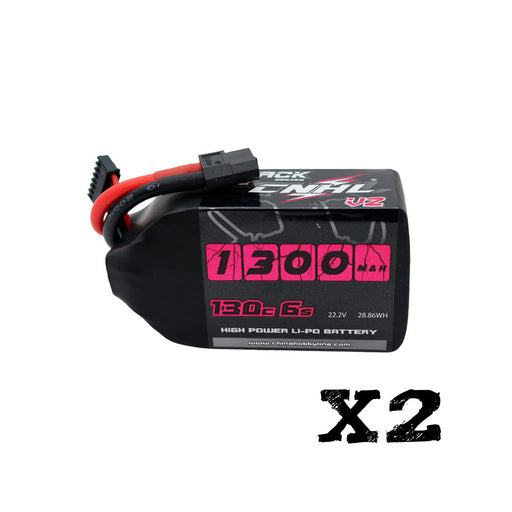
Rychlá kontrola kompatibility 2 balení baterie CNHL Black Series V2.0 1300mAh 22.2V 6S 130C LiPo s konektorem XT60 je skvělou volbou pro FPV piloty...
Zobrazit úplné detailyNáhradní díly a dlouhodobá podpora Víme, že pro RC piloty je spolehlivá podpora v oblasti náhradních dílů důležitou součástí toho, aby letadl...
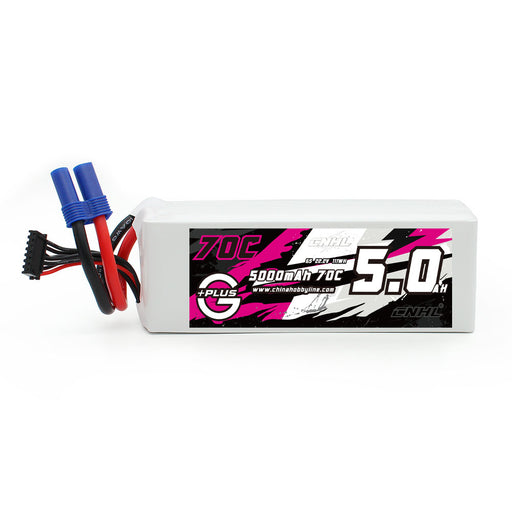
Zobrazit úplné detailySpecifikace: Číslo skladu: 500706EC5 Kapacita: 5000mAh Napětí: 22.2V / 6-článků / 6S1P Výbojový proud: 70C kontinuální / 140C špičkový Nabíjecí p...
Zobrazit úplné detaily
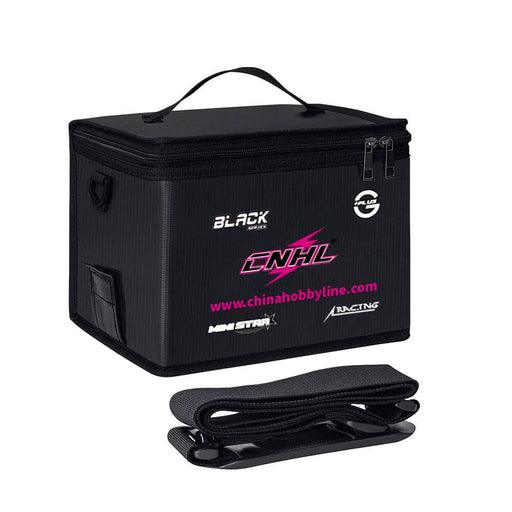
CNHL LiPo Battery Bag je navržen pro bezpečnější nabíjení, přepravu a skladování LiPo doma nebo v terénu. Přidává praktickou vrstvu ochrany tím, že...
Zobrazit úplné detailyRychlá kontrola montáže 2 balení CNHL Speedy Pizza Series Pro 1350mAh 6S 150C LiPo baterie s XT60 zástrčkou jsou navrženy pro 5palcové FPV pilo...
Zobrazit úplné detaily

Článek Li-ion baterie CNHL Long Range Series BAK 65E 6350mAh 21700 je navržen s jednou jasnou prioritou: maximální množství uložené energie z lehké...
Zobrazit úplné detaily

Válcový Li-ion článek CNHL Long Range Series BAK 50D 5000mAh 21700 je určen pro vlastní bateriové sestavy s vysokou energetickou hustotou, které vy...
Zobrazit úplné detaily

ISDT C4 EVO je univerzální chytrá nabíječka baterií určená pro nabíjecí články AA, AAA a válcové články od kompaktních baterií 10440 až po velké čl...
Zobrazit úplné detaily

Baterie CNHL Long Range Series 6350mAh 21.6V 6S1P 21700 Li-ion kombinuje šest vysokoenergetických článků BAK 65E do akumulátoru s kapacitou 137.16W...
Zobrazit úplné detaily

Baterie CNHL Long Range Series 5000mAh 21,6V 6S1P 21700 Li-ion kombinuje šest článků BAK 50D do kompaktního akumulátoru s kapacitou 108Wh, navržené...
Zobrazit úplné detaily




Komentáře
Zanechte komentář