عرض التفاصيل الكاملة
ما هو BEC الخارجي أو UBEC؟
يُعرف BEC الخارجي، الذي يُسمى غالبًا UBEC، بأنه منظم جهد منفصل يُستخدم لتشغيل المستقبل، السيرفو، الجيروسكوب، وحدة التحكم في الطيران، وغيرها من الإلكترونيات منخفضة الجهد في نموذج RC. بدلاً من الاعتماد فقط على BEC الداخلي لـ ESC، يأخذ BEC الخارجي الطاقة من البطارية الرئيسية أو مصدر طاقة مخصص ويخرج جهدًا مستقرًا لجانب المستقبل.
هذا مفيد بشكل خاص لنماذج RC التي تستخدم حزم LiPo ذات جهد أعلى، عدة سيرفو، أنظمة سيرفو HV، ESCs OPTO، أو إعدادات تحتاج إلى بقاء طاقة المستقبل أكثر استقرارًا تحت الحمل. في العديد من بناءات الطائرات والطائرات المروحية، يعد BEC الخارجي أحد أهم أجزاء تخطيط الإلكترونيات.
BEC الخارجي مقابل ESC مع BEC مدمج
يجمع ESC مع BEC بين التحكم في المحرك وطاقة المستقبل في وحدة واحدة. هذا يعمل جيدًا للعديد من نماذج RC الصغيرة والمتوسطة. ومع ذلك، عندما يزداد حمل السيرفو أو يرتفع جهد البطارية، قد لا يوفر BEC الداخلي الصغير تيارًا كافيًا أو قد يولد حرارة زائدة.
يختلف BEC / UBEC الخارجي. فهو ليس ESC ولا يتحكم في المحرك. وظيفته هي توفير طاقة مستقرة لإلكترونيات جانب المستقبل. لهذا السبب تُستخدم BECs الخارجية عادة مع ESCs OPTO، الطائرات الكبيرة، الطائرات المروحية، أنظمة سيرفو HV، والبنايات التي تكون فيها موثوقية طاقة المستقبل أهم من البساطة.
إذا كنت تبحث عن ESCs تتضمن بالفعل BEC مدمج، قم بزيارة مجموعتنا ESC مع BEC. إذا كنت بحاجة إلى منظم طاقة منفصل للمستقبل، فإن مجموعة BEC خارجي وUBEC هي المكان الأفضل للبدء.
كيفية اختيار تصنيف التيار المناسب لـ BEC
يعتمد اختيار BEC المناسب على عدد السيرفو، حجم السيرفو، جهد بطارية الدخل، وما إذا كان النموذج يستخدم إلكترونيات قياسية أو HV. قد يحتاج طائرة صغيرة من الفوم إلى UBEC مدمج 3A فقط، بينما قد يحتاج طائرة كبيرة بها عدة سيرفو رقمية إلى BEC خارجي HV بقدرة 10A أو 25A.
| مستوى BEC | الاستخدام النموذجي | الأفضل لـ |
| 3A UBEC | طاقة مستقبل وسيرفو مدمجة | الطائرات الصغيرة، نماذج RC الخفيفة، إعدادات 2S-6S الأساسية |
| 5A UBEC | سعة تيار أكبر ودعم 7.4 فولت | الطائرات ذات الأجنحة الثابتة، أنظمة 2S-8S، سيرفو HV متوافقة |
| 10A HV UBEC | جهد دخل أعلى وطاقة مستقبل أقوى | الطائرات الأكبر، أنظمة 3S-14S، إعدادات طاقة مستقبل HV |
| 25A HV UBEC | BEC خارجي عالي التيار مع دعم طاقة احتياطية | الطائرات الكبيرة، الطائرات المروحية، عدة سيرفو، أنظمة 3S-18S |
جهد خرج BEC: 5 فولت، 6 فولت، 7.4 فولت، و8.4 فولت
يجب أن تتطابق دائمًا جهد خرج BEC مع الإلكترونيات المتصلة بنظام طاقة المستقبل. تستخدم العديد من المستقبلات والسيرفو القياسية 5 فولت أو 6 فولت. قد تدعم سيرفو HV جهد 7.4 فولت أو 8.4 فولت، ولكن فقط إذا كانت كل الأجهزة المتصلة مصنفة لذلك الجهد.
لأنظمة السيرفو القياسية، اختر خرجًا أقل مثل 5V، 5.2V، أو 6V. لأنظمة سيرفو HV، يمكن أن يحسن 7.4V أو 8.4V سرعة وعزم السيرفو، ولكن فقط عندما يكون المستقبل، والجيروسكوب، ووحدة التحكم في الطيران، والسيرفو كلها متوافقة. لا تختار جهد خرج BEC أعلى لمجرد أن BEC يدعمه.
متى تحتاج إلى BEC خارجي؟
يجب أن تفكر في BEC خارجي عندما لا يحتوي ESC الخاص بك على BEC مدمج، أو عندما تستخدم ESC OPTO، أو عندما لا يكون تيار BEC المدمج كافيًا، أو عندما يستخدم نموذجك عدة سيرفو قد تسحب تيارًا عاليًا أثناء الطيران أو القيادة.
- ESC الخاص بك هو OPTO ولا يوفر طاقة للمستقبل.
- يستخدم نموذجك عدة سيرفو، سيرفو كبيرة، أو سيرفو HV.
- نظام LiPo الخاص بك ذو جهد أعلى، مثل 6S، 8S، 12S، 14S، أو 18S.
- يحتاج المستقبل أو وحدة التحكم في الطيران إلى مصدر طاقة أكثر استقرارًا.
- تريد فصل طاقة المستقبل عن التحكم في المحرك لإعداد أكثر موثوقية.
BEC خارجي للطائرات والمروحيات RC
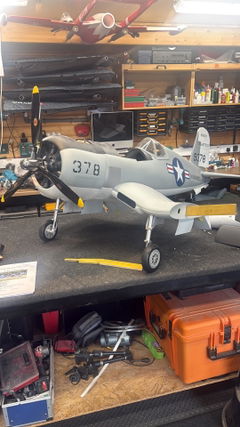
تعد الطائرات والمروحيات RC من أكثر التطبيقات شيوعًا لـ BECs الخارجية. غالبًا ما تستخدم الطائرات الأكبر عدة سيرفو للأليرونات، والمصاعد، والدفة، والرفارف، والأنظمة القابلة للسحب، وأنظمة الجيروسكوب، أو أنظمة التثبيت. عندما تتحرك كل هذه الأجهزة الإلكترونية تحت الحمل، يمكن أن يرتفع طلب التيار على جانب المستقبل بسرعة.
يساعد BEC الخارجي القوي والمفتاح على توفير هامش التيار اللازم لهذه الأنظمة. بالنسبة للنماذج الأكبر، يمكن لـ UBEC عالي التيار HV أيضًا دعم إعدادات سيرفو 7.4V أو 8.4V وتوفير استقرار أفضل لطاقة المستقبل مقارنة بـ BEC صغير مدمج في ESC.
BEC خارجي لإعدادات ESC OPTO
العديد من ESCs للطائرات ذات الجهد العالي هي ESCs OPTO، مما يعني أنها لا تتضمن خرج BEC مدمج للمستقبل. في هذه الحالة، يلزم وجود BEC خارجي ما لم يستخدم النموذج بطارية مستقبل منفصلة أو حل طاقة مخصص آخر للمستقبل.
لبناء طائرات ذات جهد عالي، قم بإقران ESC OPTO الخاص بك مع BEC خارجي أو UBEC مصنف بشكل مناسب. يمكنك أيضًا تصفح مجموعات ESCs OPTO و ESCs Hobbywing لمكونات نظام الطاقة المتوافقة.
طاقة النسخ الاحتياطي وطاقة المستقبل عالية الاعتمادية
تدعم بعض أنظمة UBEC ذات التيار العالي مصدر طاقة احتياطي. هذا يسمح للأجهزة الإلكترونية المتصلة بتلقي الطاقة من بطارية احتياطية إذا تعرض مسار الطاقة الرئيسي للتلف، أو انخفض الجهد إلى مستوى منخفض جدًا، أو انتقل نظام UBEC إلى التشغيل الاحتياطي. هذه الميزة ذات قيمة خاصة في الطائرات الكبيرة وبناء الطائرات الهليكوبتر حيث يمكن أن يكون فقدان طاقة المستقبل أمرًا حرجًا.
عند استخدام طاقة النسخ الاحتياطي، تحقق دائمًا من جهد بطارية النسخ الاحتياطي وجهد الإدخال الآمن لكل جهاز إلكتروني متصل. يجب ألا يتم ضبط جهد خرج BEC أقل بكثير من جهد بطارية النسخ الاحتياطي إذا كانت البطارية يمكنها تشغيل الأجهزة الإلكترونية المتصلة مباشرة.
ملاحظات التثبيت
- وصل مدخل وحدة BEC الخارجية إلى البطارية أو مصدر الطاقة الصحيح وفقًا للدليل.
- اضبط جهد مخرج BEC قبل توصيل الإلكترونيات الحساسة.
- إذا كان ESC يحتوي بالفعل على وحدة BEC مدمجة وتستخدم وحدة BEC خارجية بدلاً منها، افصل أولاً مخرج BEC الخاص بـ ESC.
- حافظ على وحدة UBEC بعيدًا عن المستقبل قدر الإمكان لتقليل التداخل الكهرومغناطيسي.
- استخدم اللحام المناسب، والعزل، واختيار الموصلات للتركيبات ذات التيار العالي.
- تحقق دائمًا من تصنيف التيار، وتصنيف الجهد، وتخطيط الأسلاك قبل تشغيل النموذج.
مجموعات ESC ونظام الطاقة ذات الصلة
لمزيد من قطع نظام الطاقة من Hobbywing، استكشف مجموعات Hobbywing ESCs، ومبرمجات وإكسسوارات ESC، ووحدات التحكم في السرعة الإلكترونية، وESC مع BEC، ومجموعات OPTO ESCs.
الأسئلة الشائعة
هل وحدة BEC الخارجية هي نفسها ESC؟
لا. وحدة BEC الخارجية لا تتحكم في المحرك. هي فقط توفر طاقة منظمة للمستقبل، والسيرفو، والجيروسكوب، ووحدة التحكم في الطيران، وغيرها من الإلكترونيات منخفضة الجهد. يتحكم ESC في المحرك، بينما تزود وحدة BEC الإلكترونيات على جانب المستقبل بالطاقة.
متى يجب أن أستخدم وحدة BEC خارجية بدلاً من وحدة BEC المدمجة في ESC؟
استخدم وحدة BEC خارجية عندما لا يحتوي ESC على وحدة BEC مدمجة، أو عند استخدام ESC OPTO، أو عندما لا تكون وحدة BEC المدمجة قوية بما يكفي، أو عندما يحتوي النموذج على عدة سيرفو أو سيرفو عالي الجهد يتطلب طاقة أكثر استقرارًا للمستقبل.
هل يمكنني استخدام مخرجي BEC في نفس الوقت؟
في معظم الإعدادات، لا يجب تشغيل المستقبل من مخرجات BEC مختلفة في نفس الوقت إلا إذا كان النظام مصممًا خصيصًا لذلك. إذا كان ESC يحتوي على وحدة BEC مدمجة وترغب في استخدام وحدة BEC خارجية، افصل أولاً مخرج BEC الخاص بـ ESC.
ما جهد BEC الذي يجب أن أختاره؟
اختر الجهد بناءً على مواصفات المستقبل، والسيرفو، والجيروسكوب، ووحدة التحكم في الطيران. استخدم 5 فولت أو 6 فولت للإلكترونيات القياسية، واستخدم 7.4 فولت أو 8.4 فولت فقط عندما تكون كل الأجهزة المتصلة متوافقة مع الجهد العالي.
هل تحتاج الطائرات التي يتم التحكم فيها عن بُعد إلى وحدة BEC خارجية؟
قد تعمل الطائرات الصغيرة التي يتم التحكم فيها عن بُعد بشكل جيد مع وحدة BEC المدمجة في ESC. تستفيد الطائرات الأكبر، والنماذج التي تحتوي على عدة سيرفو، وأنظمة ESC OPTO، وتركيبات السيرفو عالية الجهد غالبًا من وجود وحدة BEC خارجية منفصلة لتوفير طاقة أقوى وأكثر استقرارًا للمستقبل.