
CNHL Lipo baterie
CNHL si klade za cíl poskytovat vysoce kvalitní Li-Po baterie a RC produkty všem nadšencům do koníčků s vynikajícím zákaznickým servisem a konkurenceschopnými cenami

Pokud jste v FPV noví, LiPo baterie mohou působit jako černá skříňka. Jedna baterie působí ostrým a jistým dojmem, jiná měkkým a hlučným s varováními o nízkém napětí, i když štítky vypadají podobně. Tento průvodce vysvětluje, co se skutečně děje, jednoduše a stejným jazykem, jaký už ukazují vaše brýle a nabíječka: napětí, pokles, teplo a zvyky.
Pokud chcete širší rámec o životnosti baterie, varovných signálech, bezpečném skladování a zacházení na konci životnosti mimo FPV použití, začněte s Průvodcem údržbou a bezpečností LiPo baterií.
LiPo baterie je skupina článků, které spolupracují. Každý článek je malá energetická nádrž. Když zapojíte články do série, vznikne baterie: 4S znamená 4 články v sérii, 6S znamená 6 článků v sérii.
Pro FPV nepotřebujete titul z chemie. Stačí pochopit tři praktické věci:
FPV piloti často mluví o „napětí na článek“, protože je konzistentní u 2S, 4S, 6S a více. Vaše OSD může ukazovat celkové napětí baterie, ale nabíječka ukazuje napětí na článek (a to je číslo, které vás udrží v bezpečí).
| Napětí na článek | Co to obvykle znamená | Co děláte jako pilot | Proč je to důležité |
|---|---|---|---|
| 4,20V | Plné nabití (standardní LiPo) | Začněte svůj let zde (nebo mírně níže, pokud preferujete jemnější baterie) | Maximální výkon, zároveň okamžik, kdy slabé baterie nejrychleji odhalí své vady |
| 3,85V (přibližně) | Skladovací napětí | Ukládejte baterie zde, pokud nebudete brzy létat | Nejlepší rovnováha pro dlouhodobé zdraví baterie |
| 3,70V (klidové) | Zdravá zóna „přistání s rezervou“ pro mnoho pilotů | Po přistání nechte baterii odpočinout a ověřte napětí na nabíječce | Dobrý zvyk, který zabraňuje hlubokému vybití |
| 3,50V (klidové) | Nízké napětí pro běžné použití | Pro většinu stylů považujte toto za „konec užitečné životnosti baterie“ | Opakované nízké napětí urychluje stárnutí a riziko nafouknutí |
| < 3,30V (klidové) | Příliš nízké pro běžný let | Vyhněte se tomu, aby se toto stalo vaším běžným cílem přistání | Hluboké vybití může způsobit slabé články a předčasné selhání baterie |
Důležité: Napětí OSD pod plynem není „klidové napětí“. Pokles může číslo dočasně snížit. Bezpečnější je přistát s rezervou a pak po odpočinku baterie zkontrolovat napětí na jednotlivých článcích nabíječkou.

Zde je vysvětlení pro začátečníky: při stejné síle může vyšší napětí snížit požadavek na proud. Nižší proud obvykle znamená méně tepla a menší pokles napětí. Proto mnoho pilotů cítí, že 6S sestavy jsou plynulejší a konzistentnější pod zátěží.
To neznamená, že 6S je vždy lepší. Znamená to, že 6S vám dává rezervu, když je vaše sestava náročná na proud (těžší kvadrokoptéra, agresivní vrtule, tvrdý freestyle, větrný dlouhý dolet).
Jednoduchý přístup: Považujte 4S versus 6S jako „jak moc musí baterie pracovat pro stejný pohyb“. Méně zátěže často znamená chladnější baterie a opakovatelnější lety.
Pokud jste připraveni vybrat své první baterie (nebo nahradit unavené, které brzy klesají), tato kolekce je čistý výchozí bod:
Pokles napětí nastává, když je vysoký proud nucen protékat odporem. Každá baterie má odpor: uvnitř článků, v kabelech, v konektoru a v každém pájeném spoji.
Když prudce přidáte plyn:
Když uvolníte plyn:
Na co poslouchat: hloubka poklesu (jak nízko klesá), rychlost zotavení (jak rychle se vrací), a teplota baterie po přistání. Tyto tři signály vám řeknou víc než štítek.
| Co si všimnete | Co to často znamená | Jednoduchá oprava |
|---|---|---|
| Brzké pípání nízkého napětí při prudkém přidání plynu | Studené baterie, stárnoucí baterie nebo příliš vysoká požadovaná proudová zátěž | Teplé baterie, zkontrolujte konektory, zvažte zdravější baterii nebo mírně větší kapacitu |
| Pomalá regenerace i po uvolnění plynu | Baterie stárne nebo je jeden článek slabší | Přesuňte ji na „pouze lehké lety“ a sledujte vyvážení |
| Baterie přistávají velmi horké po běžných letech | Sestava zatěžuje baterii nebo je napájecí cesta neefektivní | Zkuste jemnější vrtule, lehčí konstrukci nebo baterii, která zůstává chladnější |
| Oblast konektoru je teplejší než baterie | Konektor nebo kabeláž je úzké místo | Zkontrolujte pájené spoje, vyměňte opotřebované konektory, vyhněte se volnému uchycení |

Související čtení: Pokud je pokles napětí to, co nejvíce cítíte (ten „měkký propad“ uprostřed letu), zde je praktický nákupní průvodce postavený kolem toho hmotnost, IR a reálný pokles napětí pro nejběžnější sestavu: 5 palců na 6S (1100–1300mAh, XT60). Nejlepší baterie pro 5palcový FPV kvadrokoptér.
Kapacita (mAh) není jen více minut letu. Je to také více váhy. Váha mění pocit z plynu, brzdnou vzdálenost, energii nárazu a jak tvrdě musí motory pracovat.
| Typ dronu | Typická baterie | Co optimalizovat | Běžná chyba začátečníků |
|---|---|---|---|
| 1S whoop (vnitřní použití) | 300-450mAh (lehký) | Obratnost a nízká energie nárazu | Příliš těžký pro delší let a whoop působí neohrabaně |
| Cinewhoop (2S-4S) | Střední kapacita, stabilní dodávka energie | Plynulý výkon pro video | Přehnaná velikost, až létá horký a nestabilní |
| 5palcový freestyle / závody | Vyvážená kapacita s rychlým zotavením | Výkon a konzistence | Míchání příliš mnoha kapacit a nikdy se nenaučit rytmus přistání |
| Dlouhý dosah | Vyšší kapacita s důrazem na efektivitu | Stabilita a bezpečná rezerva | Důvěřovat pochybným bateriím daleko, kde je spolehlivost nejdůležitější |
Užitečný návyk: Vyberte si jednu výchozí kapacitu pro svůj hlavní dron a držte se jí většinu letů. Naučíte se bezpečnější načasování přistání mnohem rychleji.
Hodnota C by měla popisovat, kolik proudu může baterie dodat vzhledem ke své kapacitě. V praxi se tištěné hodnoty C liší mezi značkami. Pro začátečníky berte hodnotu C jako hrubou kategorii, ne jako záruku.
Místo toho důvěřujte opakovatelným signálům:
Pravidlo pro začátečníky: Nejprve kupte malou várku. Pokud zůstane konzistentní několik víkendů, pak rozšiřujte. Jednoduchý způsob je vybrat si jeden „základní“ akumulátor a držet se ho, zatímco se učíte, jak váš dron klesá a přistává. Pokud začínáte od nuly, výběr konzistentní baterie CNHL FPV jako základní může učební křivku výrazně zjednodušit. Můžete prohlédnout naši kolekci FPV baterií pro drony a začít s jednou baterií, kterou budete opakovat týden co týden.
Většina baterií nezemře náhle. Postupně slábnou kvůli malým návykům: nabíjení horkých baterií, nechávání baterií plně nabitých dny a běžné hluboké vybíjení při létání.
| Návyk | Co to dělá v průběhu času | Lepší návyk |
|---|---|---|
| Nabíjení baterií, když jsou stále velmi horké | Vnitřní odpor rychleji roste, životnost klesá | Nechte baterie vychladnout na „teplé, ale příjemné“ před nabíjením |
| Nechat baterie plně nabité dny/týdny | Riziko nafouknutí roste, kapacita klesá | Použijte skladovací nabití, pokud nebudete brzy létat (asi 3,85 V na článek) |
| Létání až do poslední možné sekundy | Slabé články se vyvíjejí, baterie jsou nekonzistentní | Přistání s rezervou a ověření napětí na jednotlivých článcích po odpočinku |
| Nabíjení na přímém slunci nebo daleko od vás | Tepelný stres a přehlédnuté varovné signály | Nabíjejte ve stínu, na místě, kde přirozeně procházíte |
Pokud chcete po základech pokračovat v údržbě specifické pro drony, pokračujte v Správná údržba baterií dronů: tipy pro dlouhou životnost a výkon.
Standardní LiPo se nabíjí na 4,20 V na článek. LiHV (vysokonapěťové LiPo) se nabíjí výše (obvykle 4,35 V na článek), aby se získalo trochu více energie a výkonu. Někteří piloti preferují LiHV pro krátké, agresivní lety; jiní dávají přednost standardnímu LiPo pro jednoduchost a konzistenci.
Bezpečnostní pravidlo: LiHV baterie nabíjejte pouze v režimu LiHV. Pokud si nejste jisti, zacházejte s nimi jako s běžnými LiPo a nejprve si ověřte štítek.
Pokud chcete vidět, proč je správný režim nabíjení důležitý na mnohem tvrdším reálném příkladu, přečtěte si Co se stane, když přebijete LiPo baterii? Skutečný FPV požár, ze kterého byste se měli poučit.

Používejte varování jako připomínku, ne jako výzvu. Konzervativní varování při zátěži může pomoci začátečníkům vytvořit bezpečnější návyky. Pokud se spustí okamžitě při prudkém plynu, často to ukazuje na studené baterie, unavené baterie nebo příliš agresivní nastavení. Přistávejte s rezervou a po odpočinku baterie zkontrolujte napětí na jednotlivých článcích.
Teplé je běžné. Horké je varování. Pokud baterii nechcete držet pohodlně, berte to jako varovný signál a snižte zátěž zdravější baterií, jemnějšími vrtulemi nebo efektivnějším nastavením.
Protože štítky neukazují vnitřní odpor, stárnutí ani malé rozdíly v kabeláži a konektorech. Skladovací teplo, rychlé nabíjení za horka a návyky hlubokého vybití mohou také způsobit, že se „identické“ baterie chovají velmi odlišně.
Tři návyky dělají většinu práce: skladujte baterie blízko skladovacího napětí, pokud brzy nelétáte, vyhněte se nabíjení horkých baterií a přestaňte považovat hluboké vybití za běžný cíl přistání.
Až budete připraveni vybírat baterie podle typu dronu a napětí, můžete zde procházet:
Pokud vám to pomohlo, přidejte si to do záložek a vraťte se po několika víkendech létání. Znalosti o LiPo nejlépe zapadnou, když slova spojíte s tím, co vidíte ve svých brýlích.
CNHL si klade za cíl poskytovat vysoce kvalitní Li-Po baterie a RC produkty všem nadšencům do koníčků s vynikajícím zákaznickým servisem a konkurenceschopnými cenami

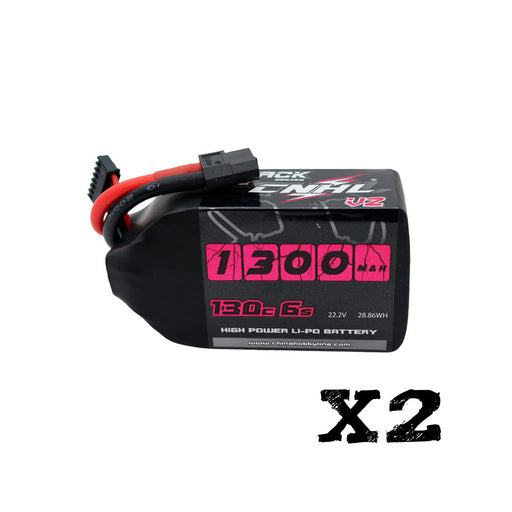
Rychlá kontrola kompatibility 2 balení baterie CNHL Black Series V2.0 1300mAh 22.2V 6S 130C LiPo s konektorem XT60 je skvělou volbou pro FPV piloty...
Zobrazit úplné detailyNáhradní díly a dlouhodobá podpora Víme, že pro RC piloty je spolehlivá podpora v oblasti náhradních dílů důležitou součástí toho, aby letadl...
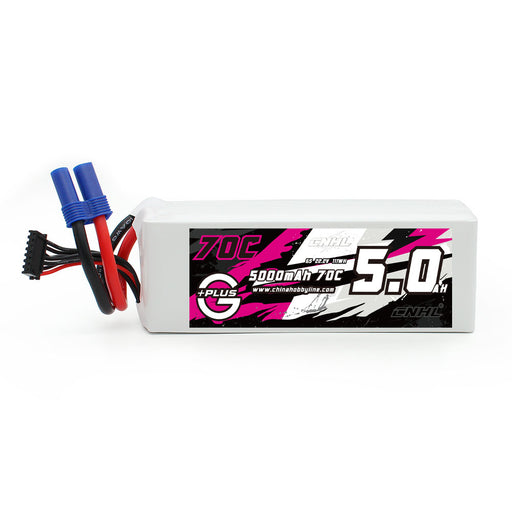
Zobrazit úplné detailySpecifikace: Číslo skladu: 500706EC5 Kapacita: 5000mAh Napětí: 22.2V / 6-článků / 6S1P Výbojový proud: 70C kontinuální / 140C špičkový Nabíjecí p...
Zobrazit úplné detaily
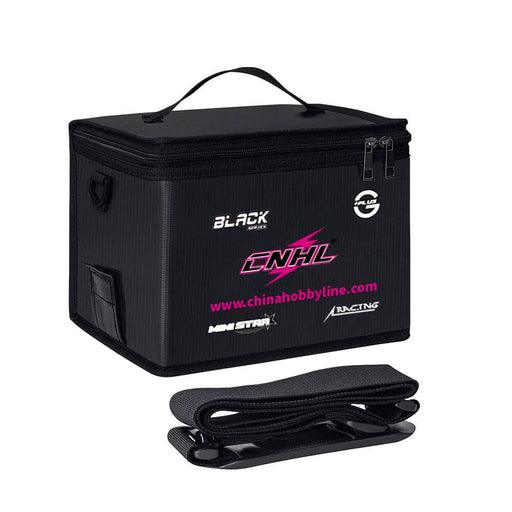
CNHL LiPo Battery Bag je navržen pro bezpečnější nabíjení, přepravu a skladování LiPo doma nebo v terénu. Přidává praktickou vrstvu ochrany tím, že...
Zobrazit úplné detaily

Rychlá kontrola montáže 2 balení CNHL Speedy Pizza Series Pro 1350mAh 6S 150C LiPo baterie s XT60 zástrčkou jsou navrženy pro 5palcové FPV pilo...
Zobrazit úplné detaily

Rychlá kontrola kompatibility LiPo baterie CNHL Speedy Pizza Series 2200mAh 22,2V 6S 120C s konektorem XT60 kombinuje známý formát 2200mAh 6S s le...
Zobrazit úplné detaily

Rychlá kontrola kompatibility LiPo baterie CNHL Speedy Pizza Series 2200mAh 14.8V 4S 120C s konektorem XT60 kombinuje běžně používaný formát 2200m...
Zobrazit úplné detaily

Rychlá kontrola kompatibility CNHL Speedy Pizza Series 2200mAh 11.1V 3S 120C LiPo baterie s konektorem XT60 využívá známý formát letecké baterie 3...
Zobrazit úplné detailyČlánek Li-ion baterie CNHL Long Range Series BAK 65E 6350mAh 21700 je navržen s jednou jasnou prioritou: maximální množství uložené energie z lehké...
Zobrazit úplné detaily

Válcový Li-ion článek CNHL Long Range Series BAK 50D 5000mAh 21700 je určen pro vlastní bateriové sestavy s vysokou energetickou hustotou, které vy...
Zobrazit úplné detaily




Zanechte komentář