
CNHL Lipo akut
CNHL pyrkii tarjoamaan korkealaatuisia Li-Po-akkuja ja RC-tuotteita kaikille harrastajille erinomaisella asiakaspalvelulla ja kilpailukykyisillä hinnoilla

There’s a certain kind of RC airplane you fly when you want adrenaline. And then there’s the kind you fly when the day has been long, your brain is full, and you just want something that feels calm and predictable in the air.
For many pilots, the Arrows Tecnam 2010 1450mm ends up in that second category. It’s the plane people reach for after “one of those days” — the kind of day where you’ve been staring at inventory counts, repeating the same tasks, and you need your hobby to feel like a reset button. In real-world flying talk, this is the model that gets described as relaxing, stress-relieving, and “the one that makes you remember why RC flying is fun.”
This post focuses on what makes the Tecnam feel that way in the air, how pilots actually set it up for comfortable flying, and how to pick a battery setup that matches the kind of flying this airplane does best.

A lot of “trainer” planes are stable. That’s not the interesting part. The interesting part is how the Tecnam stays stable while still feeling responsive, especially when you’re flying slow and low-stress.
Pilots commonly describe a “sweet spot” with this airframe where you can cruise around on surprisingly little throttle — think around the 35–45% range once you’re comfortably up and trimmed. In that zone, it doesn’t feel like you’re constantly fighting the airplane. It just tracks. Small stick inputs produce small, predictable changes. That’s exactly what people mean when they say it “flies like it wants to behave.”
It also helps that this model supports a very approachable way to fly circuits: climb out smoothly, settle into a lazy pattern, and let the airplane do the “easy trainer thing” without feeling mushy. If you’re new, that means less panic-correcting. If you’re experienced, it means you can fly it with tiny inputs and enjoy the view.
The Tecnam’s flaps are one of the reasons it gets a reputation as a “confidence builder.” Used correctly, flaps are basically cheap insurance: they let you slow down without forcing the airplane into a sketchy, high-angle-of-attack situation.
Here’s the practical way many pilots use them:
One detail that matters in real life: when flaps deploy, many planes will “balloon” (pitch up). That’s normal aerodynamics. The common solution is a little elevator compensation mixed with flap deployment. You’ll see experienced setups that add a small amount of elevator to keep the attitude tidy as the flaps come down.
And yes — on foam trainers, you’ll sometimes run into flap linkage clearance issues at the extreme travel. The usual fix is simple: either reduce travel slightly, or carefully relieve a small amount of foam for clearance. The goal is clean movement without binding, because binding is what quietly burns servos and creates inconsistent flap positions.

The Tecnam 1450mm is commonly flown on 3S, and it’s the kind of airplane where battery choice isn’t only about “more power.” It’s more about matching your preferred flying style:
In real-world flying feedback, a common reference point is a 3S 2200mAh setup delivering roughly around 10–11 minutes of comfortable flying when you’re not treating it like a speed machine. That’s a good baseline because it aligns with what the Tecnam does best: smooth circuits, relaxed cruising, and slow approaches.
If you want more duration without drastically changing the balance, many pilots step up into the 3000–4000mAh range — but the key is to keep an eye on CG. The “best” pack is the one that keeps the airplane slightly nose-safe without turning it into a brick on landing.
And if you specifically like the idea of a compact pack with solid runtime, the 3200mAh shorty format can make sense, especially when you want a tidy fit and a predictable CG position without pushing the pack too far forward or backward.
Below is a practical comparison table for typical 3S setups used on the Tecnam 1450mm. This is not meant to be a “spec flex” chart — it’s meant to help match pack choice to how you actually fly.
| Battery Type | Typical Capacity Range | What It Feels Like in the Air | Best Use Case | Notes to Watch |
|---|---|---|---|---|
| 3S Standard Pack | 2200mAh | Light, predictable, easy to slow down and land | Training flights, relaxed circuits, “after-work” flying | Great baseline; many pilots see ~10–11 min with moderate throttle |
| 3S Mid-Cap Pack | 2600–3300mAh | More time in the air without dramatically changing handling | Longer sessions, windy days when you want more margin | Check CG; don’t chase capacity if it ruins landing feel |
| 3S Shorty Pack | 3200mAh (short format) | Compact fit with solid runtime; can keep balance tidy | When the bay is tight or you prefer a shorter pack footprint | Ideal if you want “more than 2200” without a long pack |
| 3S High-Cap Pack | 3600–4500mAh+ | Long flights, slightly heavier landings, more inertia | Calm cruising sessions where flight time matters most | May increase bounce on firm surfaces; CG and approach speed matter more |
This is where real-world feedback is refreshingly blunt. A common theme: on harder surfaces like concrete or asphalt, the stock tires can feel stiff. That stiffness can translate into a “bounce” on touchdown if you come in even slightly fast or if you flare late. It’s not a deal-breaker — it’s just a reminder that even a forgiving trainer still rewards good approach discipline.
On grass, the story often flips. Grass naturally adds rolling resistance and absorbs energy, which can make the airplane feel more planted — but it also introduces the usual trainer-plane risk: nose gear stress. If you land nose-first or hit a bump at speed, the steerable nose gear can take the hit.
Many pilots handle this in a simple way:
And if you’re the kind of pilot who enjoys tinkering: some pilots explore taildragger-style setups or “bush plane” style touches (different wheels, field-friendly configuration). Those aren’t mandatory upgrades — they’re just proof that the Tecnam airframe is more flexible than it looks at first glance.

If you’re newer to RC airplanes, there are three setup habits that quietly prevent the most painful mistakes:
One practical tip that comes up a lot: don’t overcomplicate the radio setup early. Dual rates and a touch of expo can make the Tecnam feel less twitchy, but you don’t need a “15-screen programming masterpiece” to succeed. Keep it simple, then tune once you have real flight feel.
Is the Arrows Tecnam 1450mm a good first RC airplane?
Yes — it’s commonly treated as a true trainer platform because it’s stable, predictable, and supports slower, lower-stress flying. That said, success still depends on correct setup (control directions, stabilization behavior, and CG).
Why does my Tecnam bounce when landing on pavement?
A frequent real-world reason is a combination of slightly high approach speed and firm tires. Try a slower approach using flaps, aim for a main-wheel-first touchdown, and avoid forcing it onto the ground. Trainers land best when you let them settle.
How long can I fly on a 3S 2200mAh battery?
Many pilots report roughly around the 10-minute range (sometimes ~11 minutes) when flying in a relaxed cruise style rather than full-throttle passes. Your throttle habits and wind conditions will change this more than almost anything else.
Is a higher-capacity pack always better?
Not automatically. More capacity can mean more weight and a different CG position, which can make landings feel heavier or less forgiving. The “best” pack is the one that keeps the airplane balanced and easy to slow down.
What’s the point of a 3200mAh shorty pack on this plane?
Shorty packs can be a practical way to get more runtime without using a longer battery footprint. If your battery bay fit or CG positioning benefits from a shorter pack, a 3200 shorty can be a tidy, balanced option.
Do I need flight modes on the radio if the stabilizer already has modes?
Not necessarily. Many pilots simply assign stabilizer modes to a switch and keep the radio programming straightforward. Dedicated flight modes on the radio are more useful when you truly need separate trim packages or complex mixes.
If you’re building your battery shortlist for this airplane, the easiest way is to start from the dedicated collection page and pick by capacity, connector, and fit style: LiPo Batteries for Arrows Tecnam 1450mm RC Airplane.
And if you’re browsing batteries across similar high-wing training platforms, this broader reference collection is also useful: LiPo Battery for Trainer Planes.
The Tecnam 1450mm isn’t the plane most people buy to impress anyone. It’s the plane people keep because it makes flying feel easy — and because, after a long day, “easy” is exactly what you want.
CNHL pyrkii tarjoamaan korkealaatuisia Li-Po-akkuja ja RC-tuotteita kaikille harrastajille erinomaisella asiakaspalvelulla ja kilpailukykyisillä hinnoilla
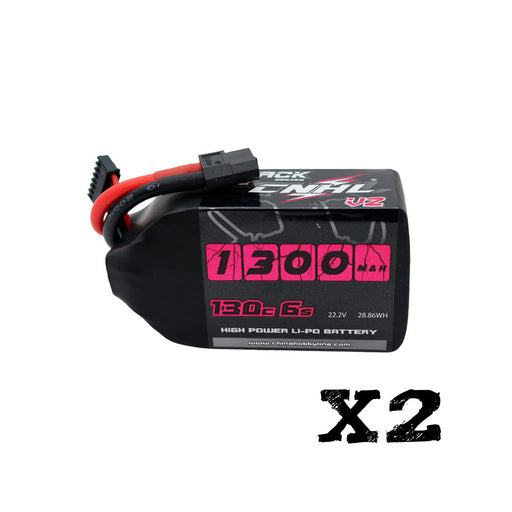
Nopea sovitustarkistus 2 Packs CNHL Black Series V2.0 1300mAh 22.2V 6S 130C LiPo-akku XT60-liittimellä sopii erinomaisesti FPV-lentäjille, jotka ha...
Näytä täydet tiedotVaraosat ja pitkäaikainen tuki Tiedämme, että RC-piloteille luotettava varaosatuki on tärkeä osa sitä, että lentokone pysyy lentokunnossa vuo...
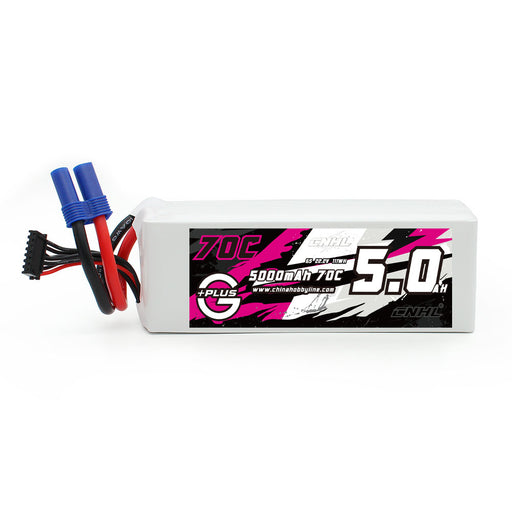
Näytä täydet tiedotTekniset tiedot: Varastonumero: 500706EC5 Kapasiteetti: 5000mAh Jännite: 22,2V / 6-kennoa / 6S1P Purkunopeus: 70C jatkuva / 140C hetkellinen Lata...
Näytä täydet tiedot
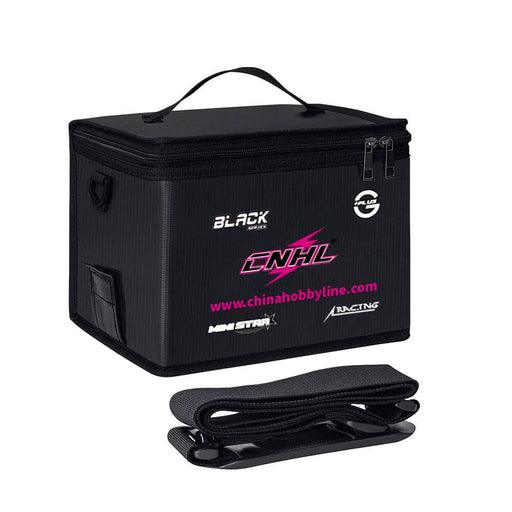
CNHL LiPo Battery Bag on suunniteltu turvallisempaan LiPo-lataukseen, kuljetukseen ja säilytykseen kotona tai kentällä. Se lisää käytännöllisen suo...
Näytä täydet tiedotNopea sovitustarkistus 2 paketin CNHL Speedy Pizza Series Pro 1350mAh 6S 150C LiPo -akku XT60-liittimellä on suunniteltu 5-tuuman FPV-piloteill...
Näytä täydet tiedot

The CNHL Long Range Series BAK 65E 6350mAh 21700 Li-ion battery cell is built around one clear priority: maximum stored energy from a lightweight c...
Näytä täydet tiedot

The CNHL Long Range Series BAK 50D 5000mAh 21700 Li-ion battery cell is designed for custom high-energy battery packs that need a strong balance be...
Näytä täydet tiedot

The ISDT C4 EVO is a versatile smart battery charger built for AA, AAA and cylindrical rechargeable cells from compact 10440 batteries all the way ...
Näytä täydet tiedot

The CNHL Long Range Series 6350mAh 21.6V 6S1P 21700 Li-ion battery combines six BAK 65E high-energy cells into a 137.16Wh pack designed for ultra-e...
Näytä täydet tiedot

The CNHL Long Range Series 5000mAh 21.6V 6S1P 21700 Li-ion battery combines six BAK 50D cells into a compact 108Wh pack designed around long-range ...
Näytä täydet tiedot




Jätä kommentti