
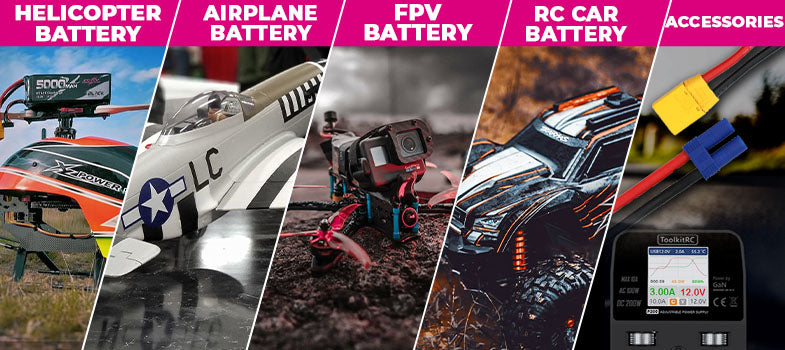
CNHL Lipo akut
CNHL pyrkii tarjoamaan korkealaatuisia Li-Po-akkuja ja RC-tuotteita kaikille harrastajille erinomaisella asiakaspalvelulla ja kilpailukykyisillä hinnoilla

iFlight Centurion X8 on yksi vakavimmista tuotantotason cineliftereistä, joita on saatavilla tänään. Yhteiskehitetty 2RAW:n kanssa ja yhdistetty DJI:n O4 Pro -digitaalijärjestelmään, tämä X8-alusta on rakennettu todelliseen elokuvatyöhön—auton takaa-ajot, toimintamainokset, dynaamiset ilmakuvauskohtaukset ja kaikki tilanteet, joissa elokuvakameran täytyy liikkua nopeasti ja pysyä vakaana.
Tässä arvostelussa pureudumme Centurion X8:n suunnitteluun, siihen, miten se käsittelee todellisen maailman kuormia, mikä tekee sen suunnittelusta ainutlaatuisen, ja millainen virtalähde vaaditaan, jotta se toimii turvallisesti ja johdonmukaisesti kuvauspaikalla.
Centurion X8 ei ole freestyle-rigi eikä aloittelijadroni. Tämä kone kuuluu selkeästi ammattilaiselokuvauksen kategoriaan. Kahdeksalla XING2 2812 -moottorilla X8-konfiguraatiossa, vahvistetuilla palkkikäsivarsilla ja jäykällä keskirakenteella se on suunniteltu kantamaan vakavia kuormia—jopa 3 kg kameravarustetta.
Jos työnkulkuusi kuuluu kamerat kuten Blackmagic, RED Komodo, Z CAM tai raskaat linssikonfiguraatiot, Centurion X8 on rakennettu siirtämään tuo paino tarkasti ja vakaasti.

X8-konfiguraatio ei ole pelkkää raakaa voimaa. Koaksiaalimoottorien asettelu tuottaa sulavamman pystysuoran hallinnan, parannetun vääntömomentin vasteen ja tasaisemman suorituskyvyn tuulisissa tai turbulenttisissa olosuhteissa—johon yksikerroksiset nelikopterit kamppailevat kantaessaan elokuvakuormaa.
iFlightin palkkityyliset käsivarret lisäävät jäykkyyttä ilman turhaa painoa, vähentäen taipumista kuormituksen alla. Vähemmän taipumista tarkoittaa vähemmän värähtelyjä ja puhtaampaa kuvamateriaalia, erityisesti lennettäessä aggressiivisia linjoja tai kuvattaessa lähietäisyyden seurantakuvia.
Centurionin elektroniikkapino on rakennettu kestämään kovaa käyttöä. 2RAW Thunder H743 -lentokontrolleri yhdessä Thunder 80A 8-in-1 ESC:n kanssa tarjoaa erittäin puhtaan suodatuksen ja nopean käsittelyn. Käytännössä tämä tarkoittaa vähemmän keskikaistan heiluntaa ja parempaa asennonhallintaa, kun työnnät dronea kovaa 2–3 kg kamerapaketti alla.
Yksi erottuvimmista ominaisuuksista on AeroShell. Insinööritutkimusryhmien ilmavirtamallinnustuen avulla suunniteltu kuori ohjaa ilmavirran ilmanottoaukkojen kautta ESC:n yli ja ulos takapään pakoputkista. Tämä pitää lämpötilat vakaina, jopa pitkien ottojen tai toistuvien suurvirtaisten purkausten aikana.
7075-alumiinista valmistettu säädettävä kiinnike (10°–50°) on yksi viimeistellyimmistä malleista kaikissa FPV-elokuvanostureissa. Se nostaa kameran tarpeeksi korkealle, jotta potkurit eivät näy, samalla kun se ylläpitää rakenteellista tukea sekä vaakasuorassa että pystysuorassa akselissa.
Tämä kaksisuuntainen vahvistus on ratkaisevan tärkeä—mitä raskaampi kamera, sitä näkyvämpi resonanssi voi olla. Centurionin kiinnike vähentää merkittävästi näitä tärinöitä, mikä helpottaa sulavan kuvamateriaalin tallentamista ilman raskasta jälkivakausta.
Hyppy O3:sta O4:ään merkitsee ammattilaisille suunnatuissa työnkuluissa. DJI:n O4 Pro tarjoaa:
Ohjaajille ja kameramiehille tämä tarkoittaa selkeämpää monitorointia, vähemmän signaalikatkoksia ja ennustettavampaa kokemusta monimutkaisissa kuvauksissa.

iFlight ilmoittaa 6 minuutin leijunta-ajan 6S 5600mAh akulla (ilman kuormaa). Elokuvakamera mukana lennon kesto luonnollisesti lyhenee, mutta Centurion pysyy yllättävän vakaana kuormituksen alla. Kaksimoottoristen käsivarsien vääntö antaa erinomaisen hallinnan, vaikka lennettäisiin nopeasti tai tehtäisiin aggressiivisia suunnanmuutoksia.
Se on iso drone isolla hitaudella, mutta säädöt ovat kypsät. Kertaalleen käynnistettynä se tuntuu ennustettavalta—täsmälleen sitä, mitä haluat lentäessäsi tuhansien dollarien kameravarusteiden kanssa.
Kenttätestissä Centurion X8 lensi haastavassa vuoristoisessa ympäristössä, jossa oli korkeita kallioita ja syviä laaksoja—ihanteellinen tilanne paljastamaan, miten hyvin drone käsittelee GPS-signaalin saamista, tehonsyöttöä ja yleistä vakautta. Rajoitetusta taivaan näkyvyydestä huolimatta drone lukitsi satelliitit yllättävän nopeasti, vastaten muiden korkealuokkaisten iFlight-rakenteiden suorituskykyä, joita pilotti on lentänyt.
Varsinaisessa nousutestissä X8 ylläpiti tasaista kiihtyvyyttä noin 33–40 % kaasulla vetäen noin 16A kevyellä kuormituksella. Pilotti totesi moottoreiden tuntuvan sulavilta eikä aggressiivisilta, antaen koneelle hyvin hallitun ja ennustettavan tuntuman, mikä on olennaista elokuvatyössä.
Runkojäykkyys ja aerodynaaminen kuori korostettiin suurina etuina. AeroShell suojaa paitsi johdotusta ja elektroniikkaa myös ohjaa ilmavirtaa ESC:iden ja ylälevyn yli. Jopa nopeammissa syöksyissä ja äkkikäännöksissä drone piti linjansa ilman näkyviä värähtelyjä, mikä kertoo X8:n koaksiaalisen rakenteen rakenteellisesta jäykkyydestä.
Yksi pilotin suosikkitoiminnoista oli pikakiinnitteinen akkukelkka. Kaksi sivulukkoa painamalla akkulevy liukuu ulos sekunneissa—merkittävästi nopeammin kuin muiden raskaiden runkojen yleisesti käyttämät hihnapohjaiset järjestelmät. Ainoa valitus asennuksen aikana oli pikakiinnityksen puute itse elokuvakameralle, sillä vakiojärjestelmä vaatii kahden ruuvin irrottamisen sivulta.
Lopullisissa vaikutelmissa pilotti kuvaili Centurion X8:aa ei pelkästään päivitykseksi vaan todelliseksi parannukseksi vanhempiin cine-rigseihin, kuten TBS Thicc:iin verrattuna. Kahdeksanmoottorinen koaksiaalinen kokoonpano tarjoaa enemmän voimaa, paremman vakauden ja helpomman säädettävyyden, tehden lentokoneesta kokonaisuutena viimeistellymmän tuntuisen.
Centurion X8 on herättänyt voimakkaan reaktion FPV-yhteisössä, ja monet pilottit ovat kommentoineet sen muotoilua, lentoominaisuuksia ja arvoa. Eräs katsoja mainitsi ostaneensa dronen heti arvostelun katsottuaan, kun iFlight hetkellisesti laski hintaa noin $1,600—kuvaten sitä ”helvetin hyväksi diiliksi” ennen kuin se myytiin loppuun.
Useat kokeneet lentäjät kehuivat, kuinka hyvin suositellut Gemfan 8046 ja 8060 potkurit toimivat alustalla, ja yksi käyttäjä totesi, että runko voi jopa ottaa vastaan 8,5-tuumaiset potkurit. Arvostelija oli samaa mieltä, korostaen, että X8:n koaksiaalinen kokoonpano jakaa kuormitukset puhtaasti ja tekee dronesta helpommin säädettävän verrattuna vanhempiin cine-rig-ratkaisuihin kuten Thicc.
Yleinen kommenttikysymys oli, oliko Komodo-kuvamateriaali vakautettu jälkikäsittelyssä. Lentäjä vahvisti, ettei vakautustyökaluja—kuten Gyroflow'ta—käytetty. Katsojat vastasivat, etteivät he havainneet tärinää kuvamateriaalissa, mikä vahvistaa rungon vahvan jäykkyyden ja vakioasetusten laadun.
Toinen yleinen aihe oli, sopiiko Centurion X8 ensimmäiseksi cinelifteriksi. Kaksi tai useamman vuoden FPV-kokemuksen omaavat lentäjät kertoivat, että X8 tarjoaa lähes kaiken, mitä ammattilaisen raskaalle nostokuadrikoptereille tarvitaan, ja että vastaavan kokoonpanon rakentaminen alusta alkaen maksaisi todennäköisesti enemmän kuin BNF:n ostaminen.
Keskustelussa nousi esiin useita käytännön ehdotuksia. Yksi käyttäjä suositteli Falcam F50:tä erinomaisena nopeasti irrotettavana järjestelmänä elokuvakameroille—se sopii hyvin yhteen X8:n sisäänrakennetun nopeasti irrotettavan akkukotelon kanssa. Lentotilasta lentäjä vahvisti, että hän lentää X8:aa aina acro-tilassa, korostaen, että tämä drone on suunniteltu itsevarmoille FPV-lentäjille eikä aloittelijoille.
Virtaa kuluttava X8 tarvitsee akun, joka kestää korkean purkausvirran ja jatkuvan kuormituksen ilman jännitteen laskua. Useimmat lentäjät luottavat 6S 5000–10000mAh akkuihin lentotyylin ja kuorman painon mukaan.
Prosessin yksinkertaistamiseksi olemme koonneet erillisen kokoelman 6S LiPo-vaihtoehtoja, jotka vastaavat Centurion X8:n vaatimuksia. Voit katsoa kaikki suositellut akut täältä: iFlight Centurion X8 Battery Collection.
Kevyemmät akut (5000–6000mAh) tarjoavat herkemmän ohjauksen dynaamisissa otoksissa, kun taas suuremmat akut (9500–10000mAh) pidentävät lentoaikaa kerronnallisessa tai hitaasti liikkuvassa elokuvakuvauksessa.
Lentäjille, jotka ovat jo lentäneet 5–7 tuuman rigeillä, Centurion X8 on vahva ensimmäinen askel cineliftereihin. BNF-versio sisältää lähes kaiken ammatilliseen ilmakuvaustyöhön tarvittavan, ja vastaavan kokoonpanon rakentaminen itse maksaisi todennäköisesti enemmän.
Todellisissa testeissä Komodo-kuvaa ei vakautettu Gyroflow'lla tai millään muulla ohjelmistolla. Jopa ilman jälkikäsittelyä katsojat raportoivat puhdasta kuvaa ilman näkyvää tärinää, kiitos rungon jäykkyyden ja X8-moottorikonfiguraation vakauden.
Useat lentäjät ovat todenneet, että cinewhoopit ja kompaktit alustat kuten Proxima 6 tuntuvat usein alitehoisilta suurempien elokuvakameroiden kanssa. Centurion X8 kuuluu täysin eri luokkaan, tarjoten paljon enemmän työntövoimaa, vakautta ja säätövaraa kameroille kuten RED Komodo tai Blackmagic-kokoonpanot.
Kyllä. X8-alusta tukee elokuvakuormia jopa 3 kg asti, mukaan lukien Komodo, BMPCC-rigit ja Z CAM -rakenteet.
Tyypillinen lentoaika vaihtelee 3,5–5 minuutin välillä riippuen kuormasta ja akun kapasiteetista. Suuremmat 9500–10000mAh akut pidentävät lentoaikaa.
Kyllä. Centurion on suunniteltu 6S-elektroniikan ympärille, jossa on tehokkaat 2812-moottorit, jotka tuottavat vahvaa vääntöä jopa tällä jännitteellä.
Varastovirtauksessa käytetään XT90-liitintä, mutta EC5-pakkauksia voi myös käyttää sopivan adapterin kanssa.
iFlight Centurion X8 on moderni, hyvin suunniteltu cinelifter, joka täyttää aukon kevyiden FPV-rigien ja suurempien teollisuusdroonejen välillä. Jos kuvaat oikeaa elokuvatyötä ja tarvitset vakaan, ennustettavan, raskaiden kuormien nostamiseen tarkoitetun alustan, tämä X8 tarjoaa ammattilentäjien odottaman suorituskyvyn.
CNHL pyrkii tarjoamaan korkealaatuisia Li-Po-akkuja ja RC-tuotteita kaikille harrastajille erinomaisella asiakaspalvelulla ja kilpailukykyisillä hinnoilla
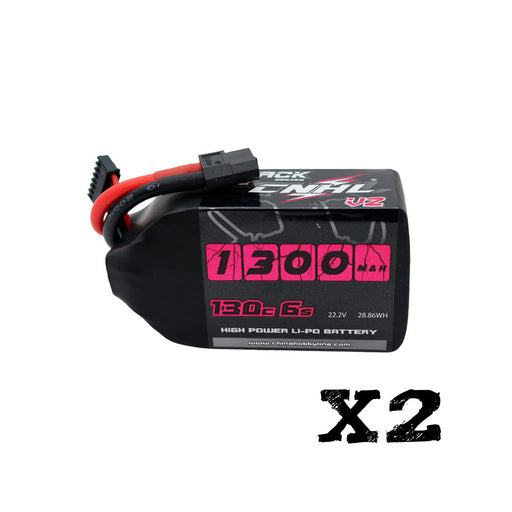
Nopea sovitustarkistus 2 Packs CNHL Black Series V2.0 1300mAh 22.2V 6S 130C LiPo-akku XT60-liittimellä sopii erinomaisesti FPV-lentäjille, jotka ha...
Näytä täydet tiedotVaraosat ja pitkäaikainen tuki Tiedämme, että RC-piloteille luotettava varaosatuki on tärkeä osa sitä, että lentokone pysyy lentokunnossa vuo...
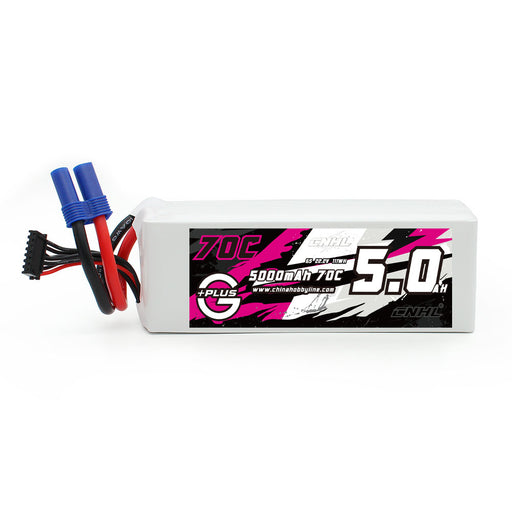
Näytä täydet tiedotTekniset tiedot: Varastonumero: 500706EC5 Kapasiteetti: 5000mAh Jännite: 22,2V / 6-kennoa / 6S1P Purkunopeus: 70C jatkuva / 140C hetkellinen Lata...
Näytä täydet tiedot
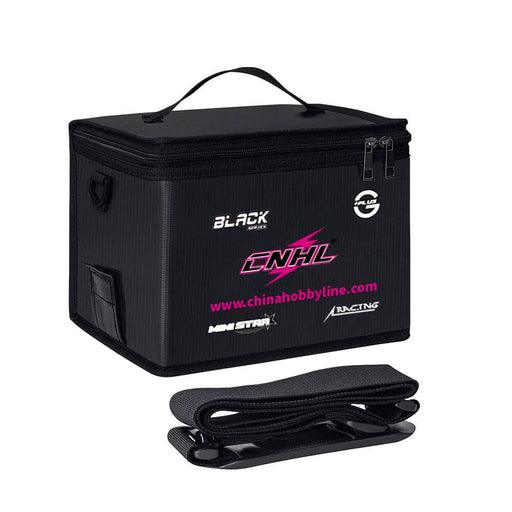
CNHL LiPo Battery Bag on suunniteltu turvallisempaan LiPo-lataukseen, kuljetukseen ja säilytykseen kotona tai kentällä. Se lisää käytännöllisen suo...
Näytä täydet tiedotNopea sovitustarkistus 2 paketin CNHL Speedy Pizza Series Pro 1350mAh 6S 150C LiPo -akku XT60-liittimellä on suunniteltu 5-tuuman FPV-piloteill...
Näytä täydet tiedot

The CNHL Long Range Series BAK 65E 6350mAh 21700 Li-ion battery cell is built around one clear priority: maximum stored energy from a lightweight c...
Näytä täydet tiedot

The CNHL Long Range Series BAK 50D 5000mAh 21700 Li-ion battery cell is designed for custom high-energy battery packs that need a strong balance be...
Näytä täydet tiedot

The ISDT C4 EVO is a versatile smart battery charger built for AA, AAA and cylindrical rechargeable cells from compact 10440 batteries all the way ...
Näytä täydet tiedot

The CNHL Long Range Series 6350mAh 21.6V 6S1P 21700 Li-ion battery combines six BAK 65E high-energy cells into a 137.16Wh pack designed for ultra-e...
Näytä täydet tiedot

The CNHL Long Range Series 5000mAh 21.6V 6S1P 21700 Li-ion battery combines six BAK 50D cells into a compact 108Wh pack designed around long-range ...
Näytä täydet tiedot




Jätä kommentti