
סוללות CNHL ליפו
CNHL שואפת לספק סוללות Li-Po באיכות גבוהה ומוצרי RC לכל חובבי התחביב עם שירות לקוחות מצוין ומחירים תחרותיים

The FMS 800mm Beaver PNP is the kind of RC airplane that quietly becomes your “most-flown” model. Not because it’s the fastest or the most dramatic, but because it’s easy to take out for a quick session, it looks right in the air, and it rewards clean piloting. This little Beaver makes people slow down, fly smoother, and actually enjoy the basics again.
This article is written as a practical, pilot-to-pilot guide. I’m not trying to hype it like a catalog. Instead, I’m focusing on what matters after the first couple of packs: what it feels like in the air, why landings can look amazing (or bounce), what setup choices change the personality, and how to keep it feeling like a bush plane instead of turning it into a nose-heavy brick.
The FMS 800mm Beaver belongs in Trainer & Civilian Planes. It’s a civilian bush-plane style model with high-wing stability and a relaxed, scale-oriented flight envelope. Even when it’s capable of short takeoffs and slower approaches, it still “reads” as a civilian/trainer-style airplane rather than a sport plane or warbird.

Some planes impress you once. Others become your routine. The Beaver is the second type. What many Beaver pilots end up appreciating most isn’t a single headline feature—it’s the overall “easy to live with” experience:
That last point matters more than most product pages admit. A plane you can fly often will make you better. The Beaver encourages the kind of repeatable practice that translates to everything else you own.

The first impression is how “un-rushed” the airplane feels. It doesn’t demand constant correction the way some small models do. It tracks predictably, and it gives you time to think—especially if you keep your control rates reasonable and avoid yanking it around like a sport plane.
Here’s the best way I can describe it: the Beaver doesn’t beg you to do tricks. It invites you to fly clean patterns, make smooth turns, and practice approaches that look like approaches. If you’ve been flying twitchy jets or hot sport planes lately, the Beaver is almost like a palate cleanser. You can hear the airframe telling you, “Relax. Fly it like a plane.”
A lot of pilots are surprised by how stable it still feels at slower speeds, and that is exactly what most people want from a bush-plane concept. And the most common “learning moment” is that it will bounce if you try to force it down. That’s not a flaw. That’s the Beaver doing its job.

A lot of pilots underestimate how much throttle management changes everything on a small bush plane. With the Beaver, throttle isn’t just “go faster.” It’s your altitude control, your sink-rate control, and your landing smoothness control. One thing many pilots quickly notice after a few flights is this: if you treat the throttle like a switch, the plane will feel messy; if you treat it like a dial, it becomes satisfying.
Practical habits that work well on this model:
If your landings look a little bouncy right now, the fastest improvement usually isn’t a new part or a new setting—it’s starting your approach earlier and being less aggressive in the last three seconds.

If you’re using flaps (and many Beaver pilots do because it adds to that STOL vibe), treat them as a tool, not a rescue button. Flaps can help you slow down and steepen the approach, but they can also change the pitch attitude. The trick is making flap deployment part of a routine instead of a last-second reaction.
A simple progression that works well on this airplane looks like this:
Once you’re comfortable, the Beaver can do those satisfying, controlled approaches that look “right” to anyone watching. But if you slam full flap right before touchdown, it can feel unpredictable—especially in wind.

Because this is a PNP airplane, your setup choices matter. You’re bringing your own receiver, and your battery choice affects CG and overall handling more than people expect in an 800mm class model. A pattern many Beaver owners notice is this: the Beaver feels best when it stays light enough to fly slow, but balanced enough to track cleanly.
Three setup areas that are worth getting right:
Battery choice still plays a big part in making it fly like a Beaver. The goal is straightforward: pick a pack that fits properly, balances the airplane at the recommended CG, and delivers consistent power without pushing the model into “too heavy for its own good” territory.
If you want to browse packs specifically aligned to this aircraft without overthinking it, use the dedicated collection page here: LiPo Battery for FMS Beaver 800mm.
One thing that really helps is this: once you find a combination that gives you predictable landings, don’t obsess over squeezing out extra minutes. The Beaver’s “magic” comes from how it behaves in the slow parts of the flight—approach, flare, rollout. Keeping the weight reasonable protects that experience.
That also explains why so many people look at this airplane for relaxed flying, scale-style passes, and easy bush-plane sessions. People looking at a Beaver aren’t usually searching for “fast.” They’re searching for something like: a small civilian plane, a relaxed trainer-style flyer, a bush-plane feel, or an easy model that still looks realistic in the pattern.
These are the “first week” issues that come up most often—and they’re usually easy to solve without buying anything:
When people say “this plane is harder than I expected,” it’s usually because they flew it like a sport plane. The moment they start flying it like a bush plane—calm throttle, patient approaches—the Beaver becomes what it was meant to be.
If you want a “no drama” first day, here’s a short checklist that fits the way real pilots actually prep small models:
It’s beginner-friendly in the way a good high-wing civilian plane should be: stable, predictable, and not overly twitchy. But it still rewards smooth inputs and calmer weather—especially while you’re learning its landing rhythm.
For an 800mm class model, it can cope with light breeze, but it won’t ignore gusts. Most pilots enjoy it most on calmer days, and then gradually expand the wind range once they’re comfortable with approach speed control.
Flaps can help slow the airplane and create a more controlled approach, but only if you deploy them as part of a routine. The easiest path is: learn normal landings first, then introduce flaps gradually at altitude, then use them in the pattern once you know how the pitch changes.
Use the dedicated collection page built for this model so you’re browsing in the right size/voltage range: LiPo Battery for FMS Beaver 800mm. Always confirm fitment and CG using the official manual first.
The best way to understand the FMS 800mm Beaver is to stop asking what it can do at full throttle, and start paying attention to how it behaves when you’re flying it like a real airplane: calm climbs, gentle turns, stable approaches, and tidy landings. That’s where it shines, and that’s exactly why this point comes up again and again among Beaver owners.
If you want a compact civilian/trainer-style aircraft that feels practical, looks scale, and helps you build better habits without feeling like a chore, the Beaver is a smart choice. Keep it balanced, keep it smooth, and let it do what it was built to do.
CNHL שואפת לספק סוללות Li-Po באיכות גבוהה ומוצרי RC לכל חובבי התחביב עם שירות לקוחות מצוין ומחירים תחרותיים
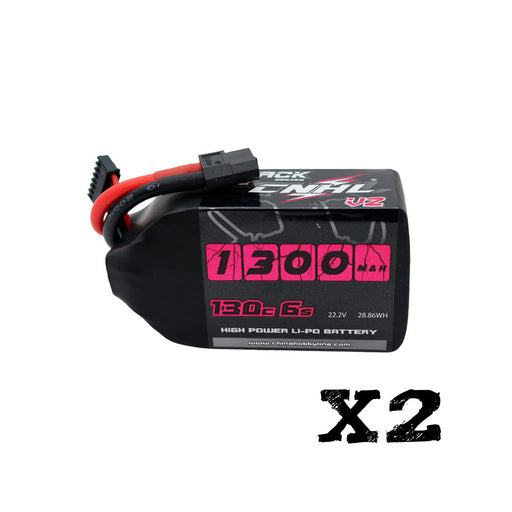
בדיקת התאמה מהירה ה2 Packs CNHL Black Series V2.0 1300mAh 22.2V 6S 130C LiPo Battery with XT60 Plug מתאים היטב למטיסי FPV שרוצים סוללת 6S 1300mAh X...
הצג פרטים מלאיםחלקי חילוף ותמיכה לטווח ארוך אנו יודעים שעבור טייסי RC, תמיכה אמינה בחלקי חילוף היא חלק חשוב בשמירה על מטוס כשיר לטיסה במשך שנים. לכן CNHL מת...
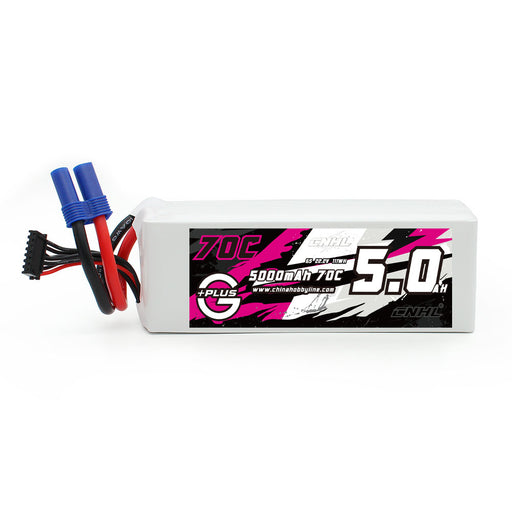
הצג פרטים מלאיםמפרטים: מספר מלאי: 500706EC5 קיבולת: 5000mAh מתח: 22.2V / 6 תאים / 6S1P קצב פריקה: 70C רציף / 140C פיצוץ קצב טעינה: 5C מקסימום גודל (הבדל של 1-5 ...
הצג פרטים מלאים
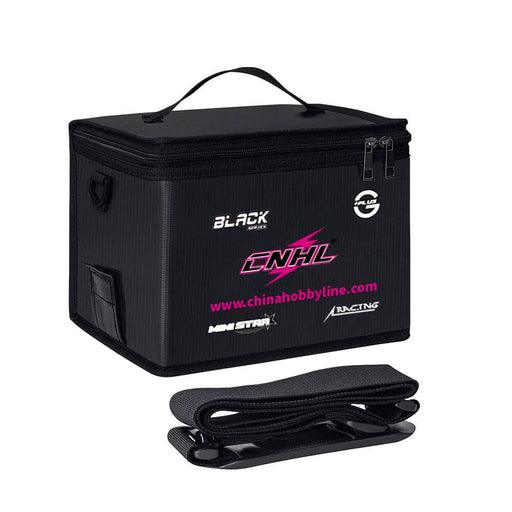
תיק סוללות LiPo של CNHL מיועד לטעינה, הובלה ואחסון בטוחים יותר של סוללות LiPo בבית או בשדה. הוא מוסיף שכבת הגנה פרקטית על ידי סיוע במניעת התפשטות ח...
הצג פרטים מלאיםבדיקת התאמה מהירה חבילת 2 CNHL Speedy Pizza Series Pro 1350mAh 6S 150C LiPo עם תקע XT60 מיועדת לטייסי FPV בגודל 5 אינץ' שרוצים מערכת 6S חופשית ...
הצג פרטים מלאים

The CNHL Long Range Series BAK 65E 6350mAh 21700 Li-ion battery cell is built around one clear priority: maximum stored energy from a lightweight c...
הצג פרטים מלאים

The CNHL Long Range Series BAK 50D 5000mAh 21700 Li-ion battery cell is designed for custom high-energy battery packs that need a strong balance be...
הצג פרטים מלאים

The ISDT C4 EVO is a versatile smart battery charger built for AA, AAA and cylindrical rechargeable cells from compact 10440 batteries all the way ...
הצג פרטים מלאים

The CNHL Long Range Series 6350mAh 21.6V 6S1P 21700 Li-ion battery combines six BAK 65E high-energy cells into a 137.16Wh pack designed for ultra-e...
הצג פרטים מלאים

The CNHL Long Range Series 5000mAh 21.6V 6S1P 21700 Li-ion battery combines six BAK 50D cells into a compact 108Wh pack designed around long-range ...
הצג פרטים מלאים




Leave a comment