
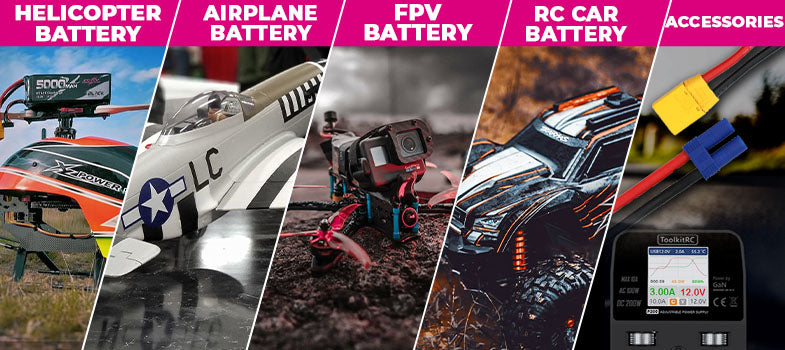
סוללות CNHL ליפו
CNHL שואפת לספק סוללות Li-Po באיכות גבוהה ומוצרי RC לכל חובבי התחביב עם שירות לקוחות מצוין ומחירים תחרותיים
The release of the HPI Sport 3 Falken Tire Porsche 911 GT3 RSR has sparked a level of discussion rarely seen around a brushed RTR on-road car. What makes this particularly interesting is that the attention is not driven by raw speed claims or radical new technology, but by a combination of heritage, realism, and very familiar platform choices.
This model represents more than just another body-on-chassis release. It reflects how HPI is re-engaging with its on-road audience—many of whom have long memories of RS4 platforms, scale-focused bodies, and parking-lot driven realism rather than track-only performance.

One element draws near-universal praise: the body. The officially licensed Porsche 911 GT3 RSR finished in Falken Tire livery stands out not because it is flashy, but because it feels correct. Proportions, detailing, and overall presentation align closely with what on-road RC enthusiasts expect from a true GT-inspired shell.
This is not a single-piece compromise shell. Multiple molded and Lexan components are used to create depth, while the rear wing features a molded structure backed in silver to maintain scale realism. These are the kinds of details that often get overlooked in RTR packages, yet they play a major role in why many owners immediately consider transferring this body onto other chassis.
For long-time HPI fans, the return of this Porsche shell also carries historical weight. Earlier versions became difficult to find for years, making this reappearance feel less like a refresh and more like a restoration of something that was missing from the lineup.

Under the shell, the Sport 3 chassis remains a known quantity. It is a shaft-driven, sealed drivetrain platform with metal gear differentials and oil-filled shocks. The center driveshaft is accessed from underneath the chassis, helping keep the drivetrain protected from debris during regular use.
This layout is not accidental. Sport 3 has always been designed as a dependable on-road platform rather than a competition touring kit. Full-time four-wheel drive provides consistent traction, while the sealed driveline reduces maintenance demands—both of which matter far more in real-world parking-lot driving than on paper.
The brushed edition in particular reinforces this philosophy. As a true RTR, it includes everything needed to drive immediately, including a NiMH battery, USB charger, transmitter batteries, tools, and spare parts. This completeness is one of the reasons many experienced owners still deliberately choose the brushed version over the brushless Flux edition.

At first glance, choosing a brushed model when a brushless version exists may seem counterintuitive. In practice, the decision often comes down to value and intent rather than outright performance.
For many owners, the Sport 3 platform itself has not fundamentally changed in over a decade. Because the underlying chassis architecture remains consistent, paying a premium for brushless electronics alone does not always feel justified—especially when many drivers already have preferred electronics on hand.
Instead, the brushed version becomes a cost-effective entry point: the same chassis, the same body, and the same suspension geometry, leaving room for personalized upgrades later.
| Aspect | Brushed Edition | Flux (Brushless) Edition |
|---|---|---|
| Out-of-box completeness | Full RTR, battery and charger included | Reduced accessories |
| Ride height setup | Slightly higher, more forgiving | Lower, more aggressive stance |
| Target user | Casual drivers, modders, scale fans | Drivers seeking instant speed |
One recurring observation with the Sport 3 platform involves steering play. Even with shimming and careful adjustment, some free movement remains inherent in the design. This characteristic has been consistent across multiple generations of the chassis.
Rather than viewing this as a deal-breaker, many experienced drivers address it through setup choices. Adding a stability management system or gyro is a common solution that significantly changes how the car behaves, particularly during high-speed parking-lot runs. The result is a chassis that feels more composed and predictable without needing a full mechanical redesign.
It is also worth noting that Sport 3 shines most in realistic on-road driving scenarios rather than speed runs. While optional spools and drivetrain upgrades exist, many owners prefer to enjoy the platform within its intended role rather than pushing it into extremes better served by newer designs.

In stock form, the brushed Sport 3 includes a 6-cell NiMH battery using a T-Plug (Deans) connector. This choice aligns with the RTR philosophy and keeps initial setup simple.
In everyday use, however, many owners transition to 2S LiPo power for improved consistency and reduced voltage drop. The important detail is fitment: the Sport 3 battery tray is designed around standard 1/10 touring stick packs, meaning most normal 2S hardcase car LiPo batteries fit without special considerations.
For drivers exploring suitable options, this curated collection of 2S LiPo batteries for HPI Sport 3 and RS4 on-road cars reflects the formats commonly used on this platform.
Connector compatibility should always be confirmed in advance. Many setups retain the factory T-Plug, while others standardize connectors across multiple vehicles using adapters or re-terminated leads.
The Falken Tire Porsche 911 GT3 RSR on the Sport 3 chassis is best understood as a scale-focused, enjoyment-driven on-road car. It appeals to drivers who value realistic presentation, predictable handling, and flexibility over outright lap times.
It is particularly well suited to parking-lot driving, light modification, and long-term ownership where gradual upgrades are part of the experience. Rather than trying to replace a race kit, it offers a stable platform that invites use.
This release sends a clear signal. Interest in HPI on-road cars has not disappeared—it has simply been waiting for the right trigger. The response to the Falken Tire Porsche 911 GT3 RSR shows that scale realism, heritage, and thoughtful RTR design still resonate strongly within the community.
Whether this model leads to future Pro or performance-focused variants remains to be seen. What is certain is that it has successfully brought HPI back into on-road conversations in a meaningful way.
Has the steering issue on the Sport 3 been fixed?
The steering characteristics of the Sport 3 platform remain consistent with previous generations. Some play is still present by design. In real-world use, many experienced owners address this by running a gyro or stability management system, which significantly improves straight-line tracking and corner stability for on-road driving.
Does the body rub because of low ground clearance?
Out-of-box ride height can feel low depending on surface quality. On smooth asphalt or well-maintained parking lots, rubbing is generally minimal. On rough or uneven pavement, occasional contact can occur, which is common for scale-focused on-road cars. Ride height and suspension setup can be adjusted to better suit local conditions.
Why choose the brushed version when a Flux (brushless) version exists?
Many owners select the brushed edition because it offers the same chassis and body at a lower entry cost, while including a full RTR package. Since the Sport 3 platform itself has not changed significantly over the years, some drivers prefer to install their own electronics later rather than paying a premium for factory brushless components.
Is this Porsche 911 GT3 RSR body new or a re-release?
This body design has appeared in earlier HPI releases and has been difficult to find for a long time. Its return has been especially well received by long-time fans, many of whom appreciate seeing classic HPI on-road bodies brought back into current production.
Is this car better suited for racing or casual driving?
The Sport 3 chassis is best suited for casual on-road driving, parking-lot use, and scale-focused enjoyment. While upgrades are possible, drivers looking for dedicated racing performance may prefer more modern competition-oriented touring platforms.
Does it make sense to own this if you already have other HPI on-road cars?
For collectors and long-time HPI fans, this model often appeals for its body and presentation rather than mechanical novelty. The body is frequently discussed as a desirable addition to other RS4-based builds, making it attractive even for owners with multiple on-road cars.
Drivers running multiple RC car platforms can explore a broader range of compatible options here: CNHL RC Car Batteries collection.
CNHL שואפת לספק סוללות Li-Po באיכות גבוהה ומוצרי RC לכל חובבי התחביב עם שירות לקוחות מצוין ומחירים תחרותיים

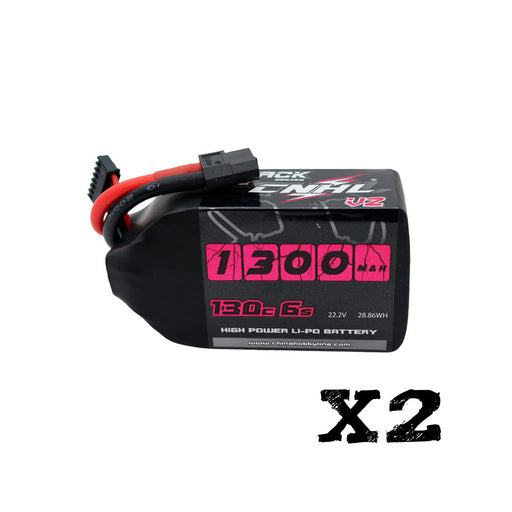
בדיקת התאמה מהירה ה2 Packs CNHL Black Series V2.0 1300mAh 22.2V 6S 130C LiPo Battery with XT60 Plug מתאים היטב למטיסי FPV שרוצים סוללת 6S 1300mAh X...
הצג פרטים מלאיםחלקי חילוף ותמיכה לטווח ארוך אנו יודעים שעבור טייסי RC, תמיכה אמינה בחלקי חילוף היא חלק חשוב בשמירה על מטוס כשיר לטיסה במשך שנים. לכן CNHL מת...
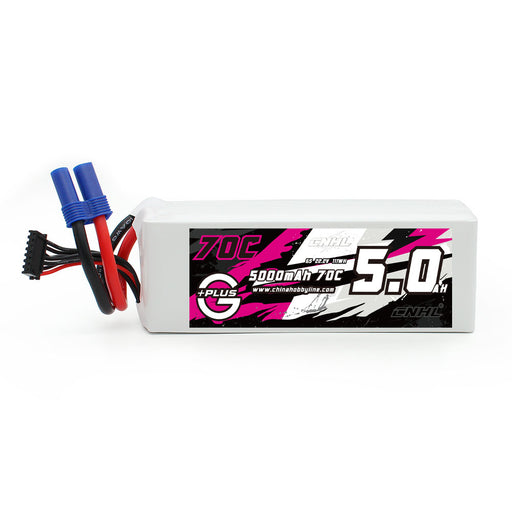
הצג פרטים מלאיםמפרטים: מספר מלאי: 500706EC5 קיבולת: 5000mAh מתח: 22.2V / 6 תאים / 6S1P קצב פריקה: 70C רציף / 140C פיצוץ קצב טעינה: 5C מקסימום גודל (הבדל של 1-5 ...
הצג פרטים מלאים
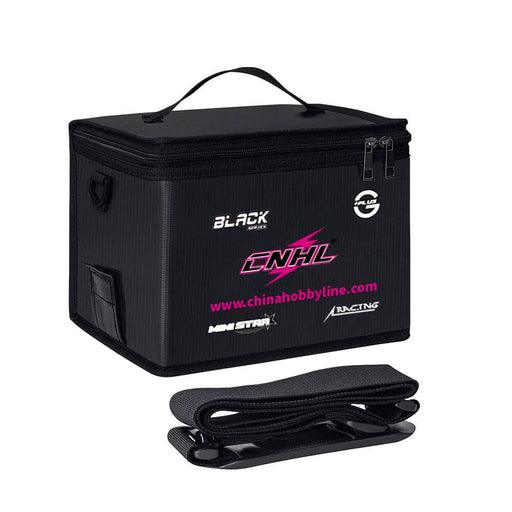
תיק סוללות LiPo של CNHL מיועד לטעינה, הובלה ואחסון בטוחים יותר של סוללות LiPo בבית או בשדה. הוא מוסיף שכבת הגנה פרקטית על ידי סיוע במניעת התפשטות ח...
הצג פרטים מלאים

בדיקת התאמה מהירה חבילת 2 CNHL Speedy Pizza Series Pro 1350mAh 6S 150C LiPo עם תקע XT60 מיועדת לטייסי FPV בגודל 5 אינץ' שרוצים מערכת 6S חופשית ...
הצג פרטים מלאים

Quick Fit Check The CNHL Speedy Pizza Series 2200mAh 22.2V 6S 120C LiPo Battery with XT60 Plug combines the familiar 2200mAh 6S format with a ligh...
הצג פרטים מלאים

Quick Fit Check The CNHL Speedy Pizza Series 2200mAh 14.8V 4S 120C LiPo Battery with XT60 Plug combines a widely used 2200mAh 4S format with a sli...
הצג פרטים מלאים

Quick Fit Check The CNHL Speedy Pizza Series 2200mAh 11.1V 3S 120C LiPo Battery with XT60 Plug takes the familiar 3S 2200mAh aircraft battery form...
הצג פרטים מלאיםThe CNHL Long Range Series BAK 65E 6350mAh 21700 Li-ion battery cell is built around one clear priority: maximum stored energy from a lightweight c...
הצג פרטים מלאים

The CNHL Long Range Series BAK 50D 5000mAh 21700 Li-ion battery cell is designed for custom high-energy battery packs that need a strong balance be...
הצג פרטים מלאים




Comments
Leave a comment