
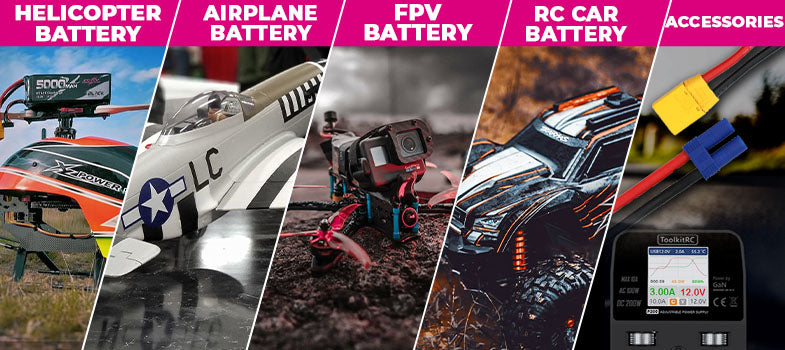
סוללות CNHL ליפו
CNHL שואפת לספק סוללות Li-Po באיכות גבוהה ומוצרי RC לכל חובבי התחביב עם שירות לקוחות מצוין ומחירים תחרותיים
The Stampede name has been around long enough that almost every RC group has a story attached to it. Some people remember the early days when it was a simple, tough basher that just refused to quit. Others know it as the truck that gets handed to a new driver because it’s forgiving, waterproof, and easy to keep running. The current Stampede 2WD XL-5 stays true to that idea: a ready-to-run monster truck that prioritizes durability, simplicity, and day-one fun over headline specs.

Stampede has never needed a complicated explanation. It has always been the truck that encourages driving more and wrenching less. That reputation shows up repeatedly in community feedback: owners call it one of the most durable RC trucks they’ve had, and some describe taking it to hard environments like skateparks where crashes are guaranteed. What stands out is not that it survives one big hit—it is that it keeps coming back for more, run after run.
That reputation also creates an interesting dynamic whenever Traxxas refreshes the lineup. Some fans ask, “What’s actually new?” Others love the retro vibe and want even more throwback options. Either way, the conversation itself is proof that Stampede still means something. People don’t debate platforms that are irrelevant.

The Stampede 2WD XL-5 is a 1/10 scale monster truck designed for casual bashing and learning the hobby. It’s waterproof, it includes a beginner-friendly radio system, and it arrives with the basics needed to start running. The approach is intentionally straightforward: charge, switch on, and drive.
In practical terms, that means it’s happiest doing the things most people actually do with a first monster truck: grass runs, dirt lots, gravel, loose sand, driveway sessions, and the occasional “send it” moment where the landing is less than perfect. It’s also the kind of truck that makes sense for families—easy to share, easy to explain, and hard to permanently break in one afternoon.
This version is not a race truck, and it’s not trying to compete with high-output systems on pure top speed. That is a feature, not a weakness. For newer drivers, a calmer power delivery is what builds confidence. For experienced hobbyists, it can be a refreshing reminder that a truck can be fun without constantly demanding attention.
It also means upgrades should be approached with intent. If the goal is simply “more speed,” there are Stampede variants designed around that from the start. The XL-5 version is about a balanced, repeatable experience—something that matters more than many people realize until they’ve owned a few different platforms.

The quickest way to judge a new truck is how painless it is to get running the first time. The Stampede 2WD XL-5 package includes a set of essentials that often get overlooked: manuals, basic tools (including wrenches), and small hardware items that support simple adjustments. It is a “start here” kit rather than a “figure it out later” kit.
Out of the box, the included pack is already in the chassis. The recommended first step is charging it outside the vehicle. Connect the USB-C charger to a USB-C power source, remove the pack by pulling the body pins and lifting out the battery retaining bar, and then plug the pack into the charger. A flashing green indicator signals charging, and a solid green indicator signals a full charge.
While charging, the setup flow highlights two habits that matter more than people think: install AA batteries into the transmitter, and always turn the transmitter on before powering the vehicle. These habits reduce surprises, especially for first-time drivers.
| Step | What to do | Why it matters |
|---|---|---|
| 1 | Charge the pack outside the chassis using the USB-C charger | Reduces heat buildup and avoids charging next to electronics |
| 2 | Install AA batteries in the transmitter and power it on first | Prevents unexpected throttle or steering behavior on startup |
| 3 | Connect the vehicle pack, then press the ESC button once | Simple, repeatable startup routine |
| 4 | To shut down: unplug the pack before turning off the transmitter | Avoids leaving the vehicle powered; improves storage safety |
One of the more common reactions to the current look is the mixture of retro cues and modern convenience. Some fans love the refreshed styling and tire choice. Others point out that the core platform is familiar, and they’re not wrong—Stampede is built on continuity. The point of a Stampede is not to reinvent the wheel every year; it is to keep a proven truck accessible.
A specific talking point is the antenna tube. Some hobbyists prefer to keep it lower for a cleaner look, while others appreciate the traditional “ready to bash” appearance. The practical note is simple: route the wire cleanly through the notch, seat the tube fully into the post, and keep it protected. Cosmetic preferences come second to keeping the receiver connection reliable.

In stock form, the Stampede 2WD XL-5 feels exactly like it should: lively enough to be exciting, calm enough to be controlled. It has that classic 2WD monster truck behavior—lighter front end, easy wheelies when traction is high, and a tendency to reward smooth throttle more than aggressive throttle. The truck is happiest when driven with a bit of rhythm: roll into power, let the suspension work, and steer with intention rather than panic corrections.
Owners who describe it as “durable” tend to be talking about this exact type of driving—real bashing, real tumbles, and real use. A truck can have impressive specs and still feel fragile. Stampede’s appeal is the opposite: it can feel basic and still feel trustworthy.
After the first couple of sessions, most new drivers start noticing the same set of things. The first is how quickly confidence grows on a forgiving platform. The second is how run-to-run consistency begins to matter. As driving time increases, people naturally start caring less about peak speed and more about how the truck feels across an entire session.
This is where energy source choices enter the conversation—not as a “must have,” but as a way to shape the feel of the truck. The XL-5 system supports both the included NiMH and 2-cell LiPo packs. A quality 2-cell pack can make the output feel steadier across the run. The goal is not turning the truck into a different category of machine; it is making the existing character more consistent.
One reason the Stampede community is so vocal is that “Stampede” is not a single truck. It is a family with different power levels and different personalities. Some comments ask for the return of a higher-output system. Others want new models entirely. The requests vary, but the structure of the lineup is clear: there is an entry point, a refined step, and a high-performance step.
| Model | Drivetrain | Power system | Best for |
|---|---|---|---|
| Stampede 2WD XL-5 | 2WD | Brushed | First monster truck, simple bashing, family use |
| Stampede 2WD BL-2s | 2WD | Brushless | Cleaner response and efficiency without going extreme |
| Stampede 4X4 BL-2s | 4X4 | Brushless | More traction and control on mixed terrain |
| Stampede 4X4 VXL | 4X4 | High-output brushless | Drivers ready for significantly higher performance |
Community comments often reveal the same pattern: people love the platform, then naturally want “the next version.” Some ask whether a higher-output system will return. Others want a new nitro release. Some want a modern Summit-style platform. Even when those requests go in different directions, they highlight the same reality: Stampede ownership often becomes a stepping stone to deeper involvement in the hobby.
The most sensible progression starts with learning the XL-5 truck as it is. When the driver is comfortable controlling it and wants a more refined feel, the BL-2s variants are a logical next step. When the driver genuinely wants a major jump in performance, the VXL platform exists for that purpose.
Along the way, choosing a suitable 2-cell pack for the XL-5 version is often part of improving consistency and runtime. For owners who want a curated set of options, this collection is the most direct reference: Stampede 2WD XL-5 compatible battery options.
Some of the most enthusiastic comments about the Stampede focus on where it is driven rather than how fast it is. Snow runs are a classic example. A simple, waterproof monster truck with high ground clearance is exactly the kind of vehicle that makes winter sessions possible without turning into a maintenance chore.
Skatepark driving is another. It is a harsh environment—hard impacts, awkward landings, and constant rollovers. Yet this is where durability is either real or imaginary. When owners describe the Stampede as “one of the most durable RCs” they have had, they are often speaking from this kind of use.
There is also a quieter truth: most Stampede driving happens in ordinary places. Sidewalks, dirt lots, schoolyards, backyards. The Stampede’s strength is that it makes those ordinary places feel like a playground.
Is the Stampede 2WD XL-5 actually “new,” or just a new look?
The Stampede platform is intentionally continuous. Updates tend to focus on usability and durability improvements rather than changing the identity of the truck. That is why the Stampede name has survived so long.
Does the antenna tube need to be tall?
A clean antenna install matters more than the exact height. Route the wire properly, seat the tube fully, and protect it. Cosmetic preferences vary across the community, and both approaches can work.
Why do some people keep asking for a higher-output version?
The Stampede has a long history, and many hobbyists remember earlier high-performance variants. Those requests reflect nostalgia and enthusiasm as much as pure performance goals.
What is the safest first “upgrade” for new owners?
Most improvements start with driving habits, basic maintenance, and consistency. Keeping a repeatable setup routine, charging outside the vehicle, and using the recommended shutdown order often prevents the most common early mistakes.
The Stampede 2WD XL-5 is not trying to win a spec sheet contest. It is trying to be the truck that gets driven the most. The included USB-C charging, straightforward startup routine, and durable character all point toward the same goal: remove friction, reduce downtime, and keep the experience fun from day one.
For newcomers, it is a stable entry into the hobby. For long-time drivers, it is a reminder that the most enjoyable RC trucks are often the ones that are always ready to run.
CNHL שואפת לספק סוללות Li-Po באיכות גבוהה ומוצרי RC לכל חובבי התחביב עם שירות לקוחות מצוין ומחירים תחרותיים
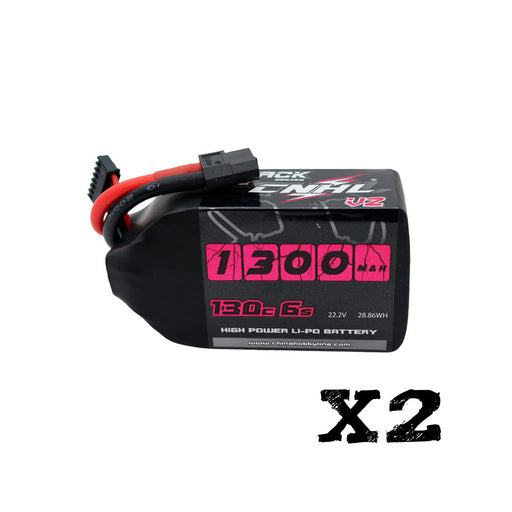
בדיקת התאמה מהירה ה2 Packs CNHL Black Series V2.0 1300mAh 22.2V 6S 130C LiPo Battery with XT60 Plug מתאים היטב למטיסי FPV שרוצים סוללת 6S 1300mAh X...
הצג פרטים מלאיםחלקי חילוף ותמיכה לטווח ארוך אנו יודעים שעבור טייסי RC, תמיכה אמינה בחלקי חילוף היא חלק חשוב בשמירה על מטוס כשיר לטיסה במשך שנים. לכן CNHL מת...
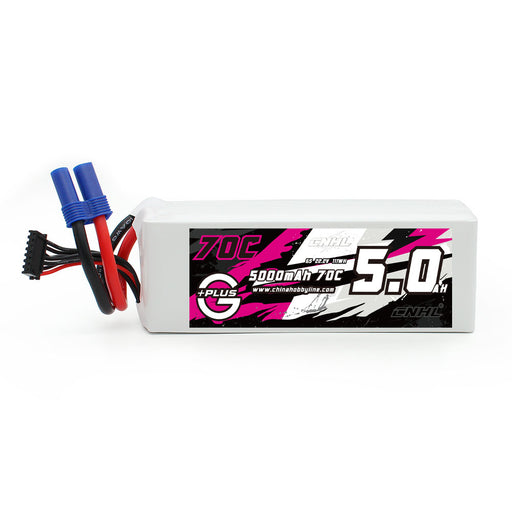
הצג פרטים מלאיםמפרטים: מספר מלאי: 500706EC5 קיבולת: 5000mAh מתח: 22.2V / 6 תאים / 6S1P קצב פריקה: 70C רציף / 140C פיצוץ קצב טעינה: 5C מקסימום גודל (הבדל של 1-5 ...
הצג פרטים מלאים
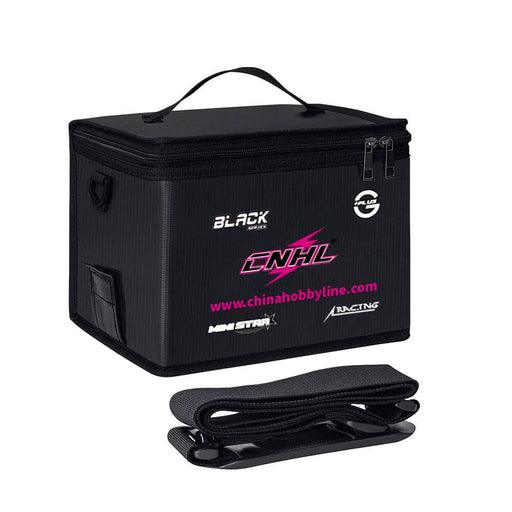
תיק סוללות LiPo של CNHL מיועד לטעינה, הובלה ואחסון בטוחים יותר של סוללות LiPo בבית או בשדה. הוא מוסיף שכבת הגנה פרקטית על ידי סיוע במניעת התפשטות ח...
הצג פרטים מלאיםבדיקת התאמה מהירה חבילת 2 CNHL Speedy Pizza Series Pro 1350mAh 6S 150C LiPo עם תקע XT60 מיועדת לטייסי FPV בגודל 5 אינץ' שרוצים מערכת 6S חופשית ...
הצג פרטים מלאים

The CNHL Long Range Series BAK 65E 6350mAh 21700 Li-ion battery cell is built around one clear priority: maximum stored energy from a lightweight c...
הצג פרטים מלאים

The CNHL Long Range Series BAK 50D 5000mAh 21700 Li-ion battery cell is designed for custom high-energy battery packs that need a strong balance be...
הצג פרטים מלאים

The ISDT C4 EVO is a versatile smart battery charger built for AA, AAA and cylindrical rechargeable cells from compact 10440 batteries all the way ...
הצג פרטים מלאים

The CNHL Long Range Series 6350mAh 21.6V 6S1P 21700 Li-ion battery combines six BAK 65E high-energy cells into a 137.16Wh pack designed for ultra-e...
הצג פרטים מלאים

The CNHL Long Range Series 5000mAh 21.6V 6S1P 21700 Li-ion battery combines six BAK 50D cells into a compact 108Wh pack designed around long-range ...
הצג פרטים מלאים




Leave a comment