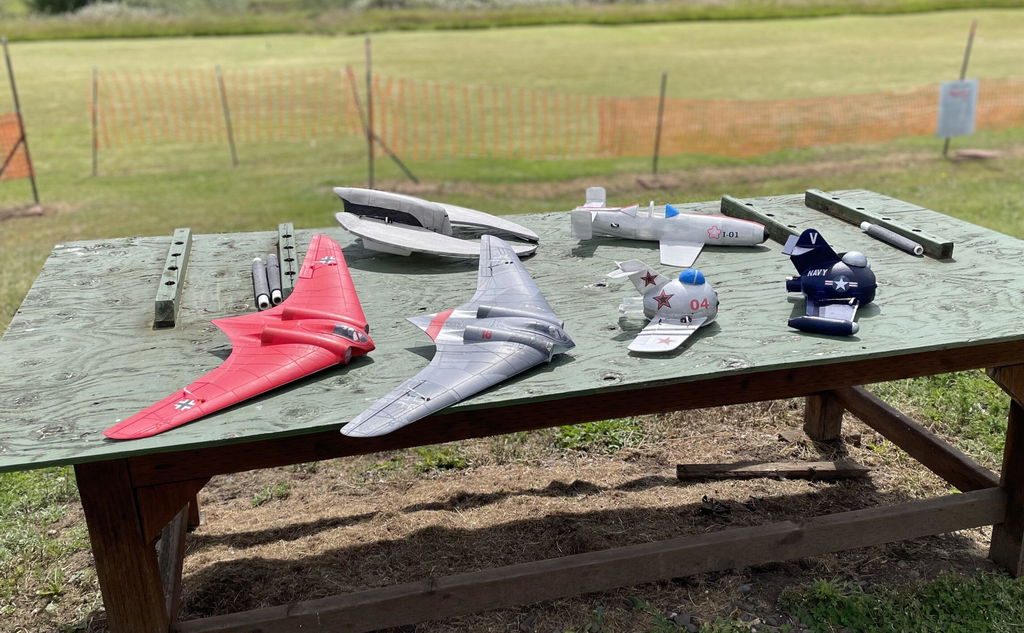
חלפים ותמיכה בתיקונים
אנו יודעים שעבור טייסי RC, תמיכה אמינה בחלפים היא חלק חשוב מהחזקת הדגם לאורך זמן. זו הסיבה ש־CNHL מספקת מגוון ייעודי של חלקי חילוף עבור ה־AviNationRC Horten Ho 229.
התמיכה הזמינה כוללת חלקי שלדה מרכזיים, כני נחיתה, רכיבי EDF, מנועים, בקרי מהירות, סרווים, חומרה, מדבקות וחלקי חילוף נוספים, לצד קובצי הדפסת תלת־ממד נבחרים להורדה, לתמיכה נוספת בתיקונים ובהתקנה.
בין אם אתם צריכים לתקן נזקי נחיתה, להחליף רכיב במערכת ההנעה או להחזיק בהישג יד חלקים נפוצים לתחזוקה עתידית, עמוד החלפים הייעודי של ה־Ho 229 מקל על מציאת הרכיבים הנכונים עבור מטוס זה.
לחלפים ולבדיקת זמינות עדכנית, בקרו ב־אוסף החלפים של CNHL AviNationRC Horten Ho 229.
CNHL היא הראשונה להביא לשוק את מטוס הבכורה של AviNationRC, ה־Horten Ho-229 — מטוס EDF קומפקטי המשלב עיצוב נדיר של כנף מעופפת בקנה מידה מוקטן עם חוויית טיסה רצינית וממוקדת ביצועים יותר מכפי שגודלו עשוי לרמוז.
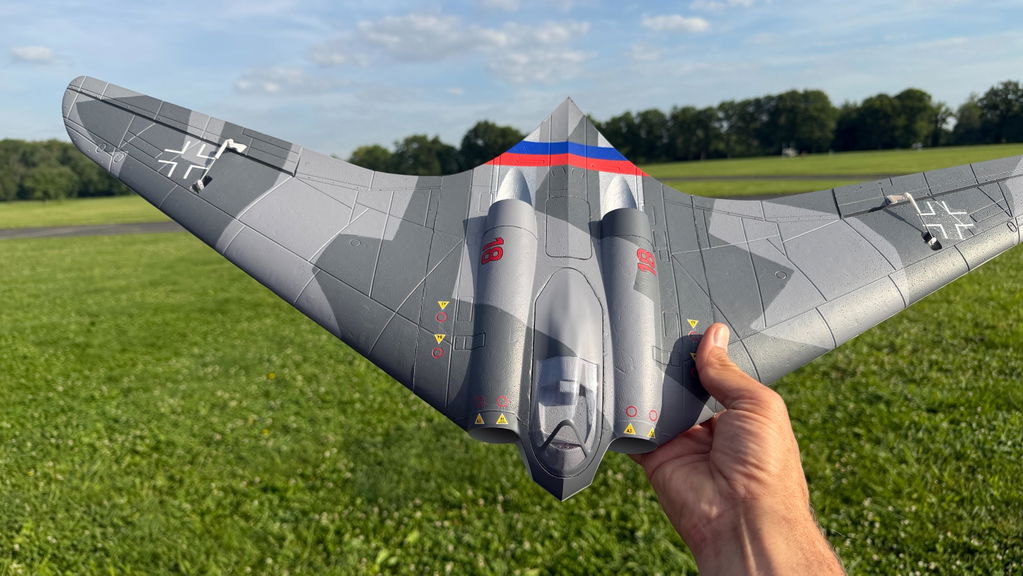
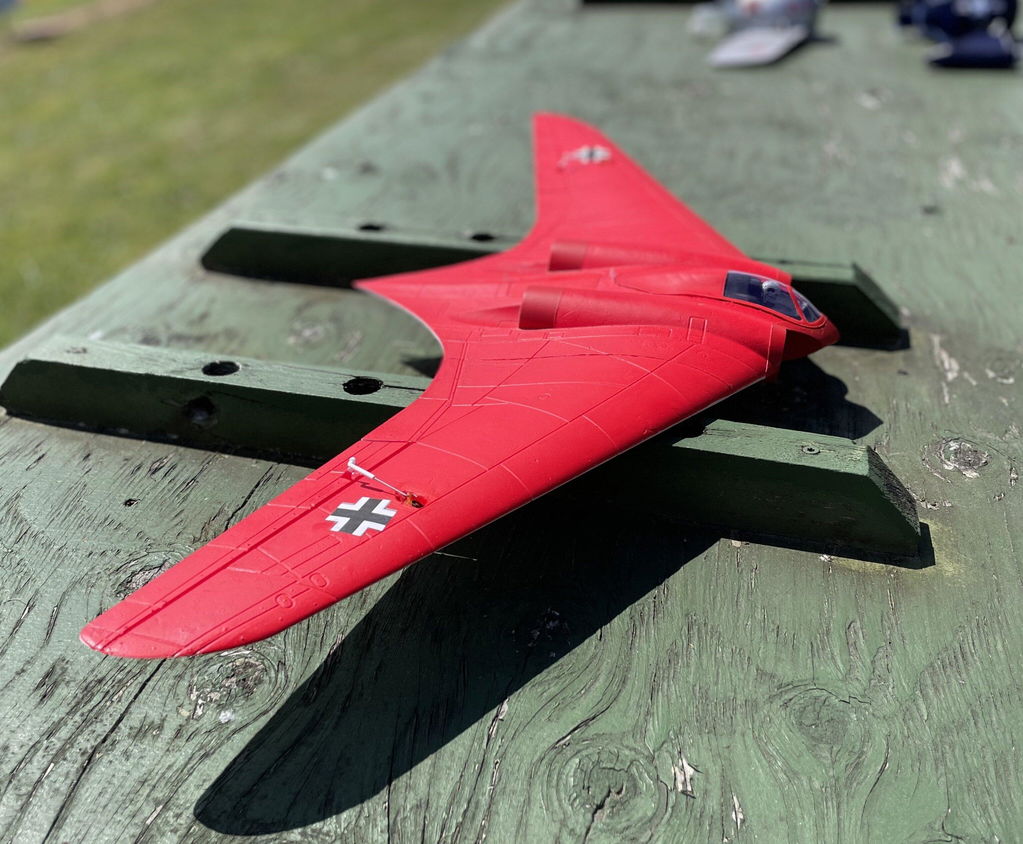
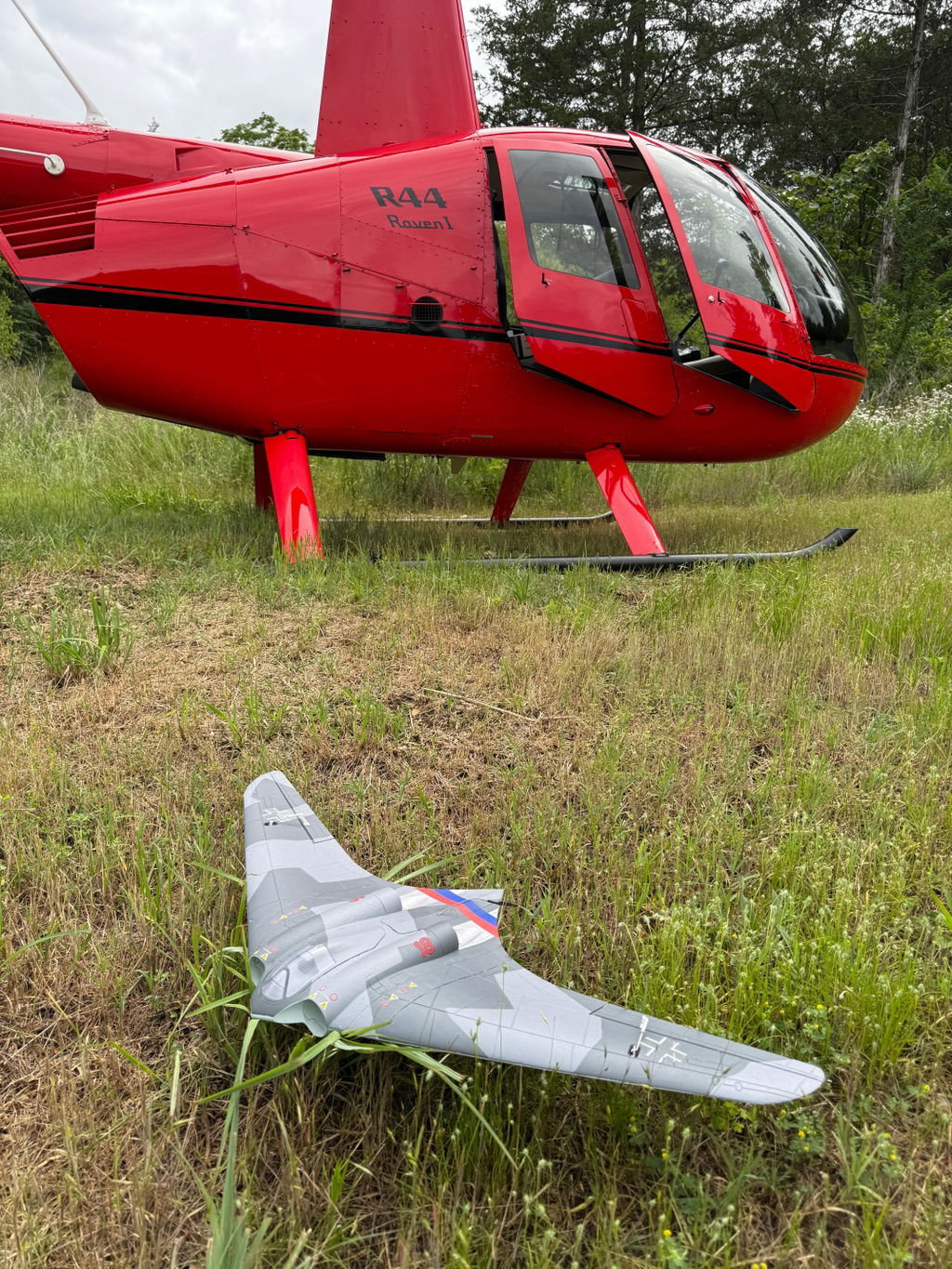
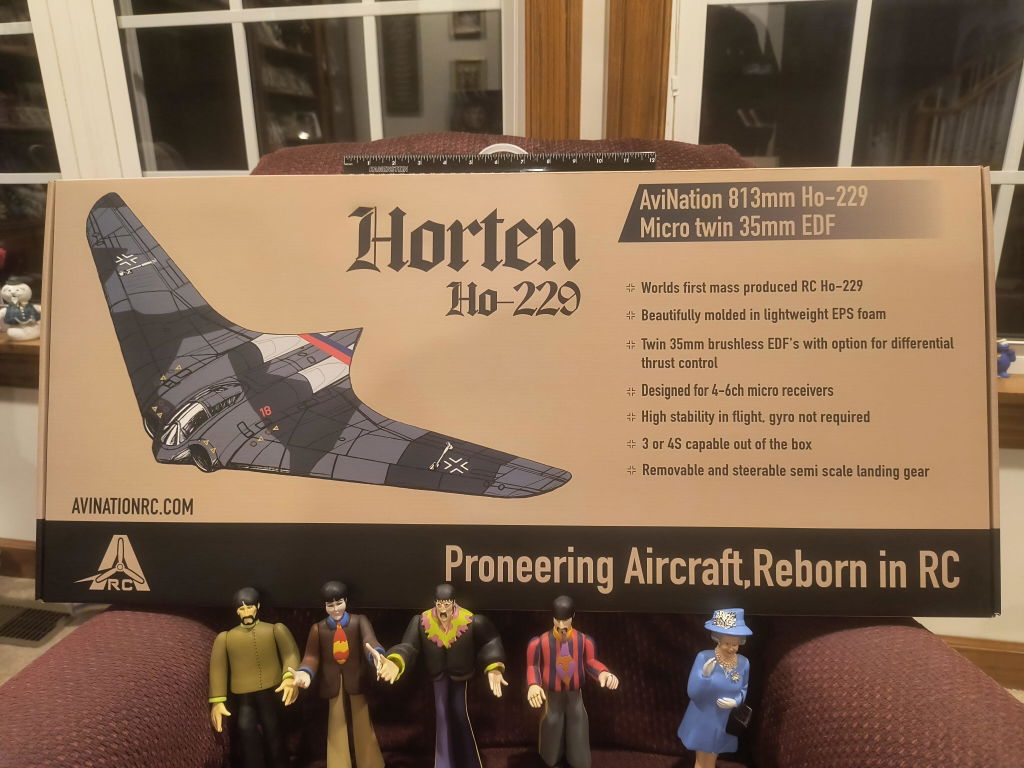
מטוס ה־RC CNHL AviNationRC Horten Ho 229 באורך 813 מ״מ, עם שני מנועי EDF בקוטר 35 מ״מ, PNP עדיין קשור לאחד מתכנוני הכנף המעופפת הניסיוניים והלא־גמורים המוכרים ביותר בתולדות התעופה, וצורתו הייחודית ממשיכה למשוך תשומת לב גם עשרות שנים לאחר מכן. מטוס ה־Ho-229 בגודל מלא פותח במקור כמטוס קרב כבד ניסיוני עבור הלופטוואפה במהלך מלחמת העולם השנייה, אך מעולם לא הגיע לשירות מבצעי מלא, דבר המוסיף לקסם שסביבו כיום.
AviNationRC הביאה לחיים את גרסת ה־RC של ה־Horten Ho-229 באורך 813 מ״מ, עם שני מנועי EDF בקוטר 35 מ״מ, בפורמט קומפקטי וממוקד ביצועים. המטוס תוכנן לספק חוויית טיסה מהירה ומגיבה, משמר את האופי הייחודי של מטוס ה־Ho 229 המקורי, ועדיין נשאר מעשי עבור טייסי RC מודרניים, עם התנהגות מצוינת גם במהירויות נמוכות. עבור טייסים המעיינים במבחר הרחב יותר של מטוסי ה־RC של CNHL, מטוס ה־Ho 229 הזה נמצא במקום שונה לחלוטין ממטוס אימון או משלדת אוויר ספורטיבית רגילה.
בדיקת התאמה מהירה
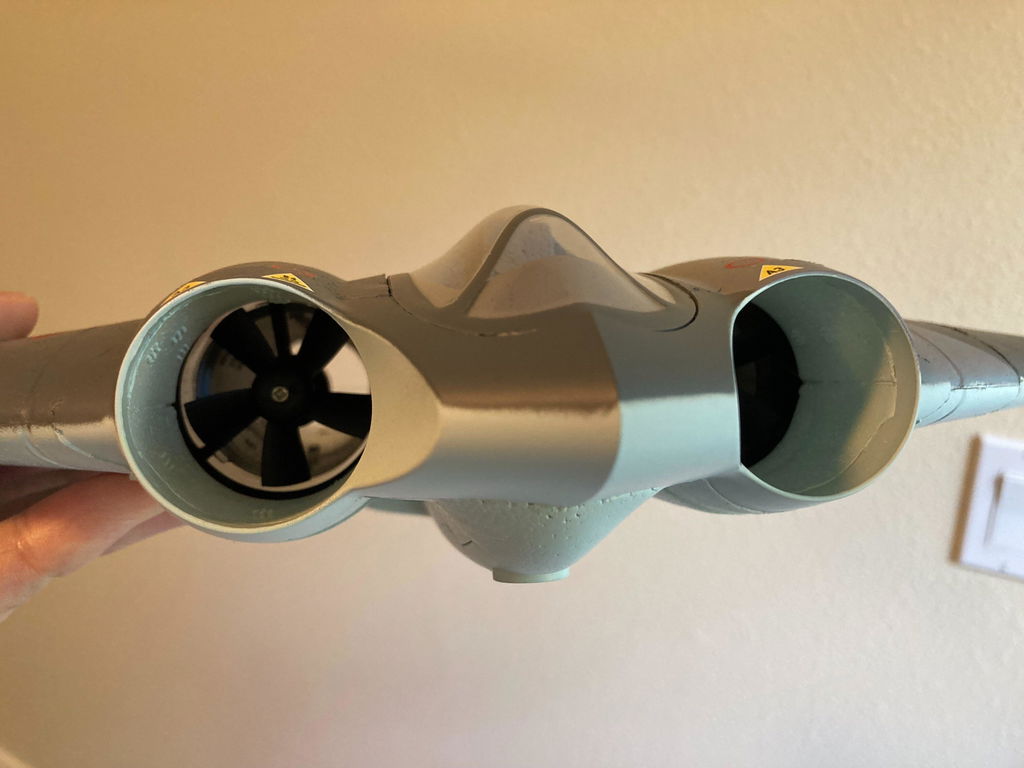
יחידות EDF כפולות בקוטר 35 מ״מ מספקות ביצועים חזקים ביחס לגודל, בעוד שמשקל שלדת האוויר החשופה והקלילה, 174 גרם, ומשקל מוכן לטיסה של כ־245–265 גרם, בהתאם לסוללה, למקלט ולבחירת התצורה, שומרים על המטוס זריז, מגיב וקל לשינוע.
מסופק בפורמט PNP, הדגם דורש מקלט מיקרו תואם בעל 4–6 ערוצים להשלמת ההתקנה ותומך בתצורות סוללה 3S ו־4S. תצורת 3S מציעה את אותה התנהגות חלקה כמו 4S, אך עם פחות דחף לחוויית טיסה שעשויה להרגיש יותר כמו דגם מוקטן, בעוד שתצורת ה־4S הסטנדרטית מספקת דחף מוגבר, האצה חזקה יותר וחוויית EDF אגרסיבית יותר.
שתי התצורות מציעות יציבות טובה לאורך כל טווח המהירויות, בתנאי רוח קלה ואף חזקה יותר. גירו אינו מסופק, מכיוון שאין בו צורך בטיסה רגילה. ה-AviNationRC Horten טס היטב באופן טבעי בזכות התכנון שלו, אך טייסים המעדיפים סיוע נוסף עדיין יכולים להשתמש במקלט עם גירו אם ירצו.
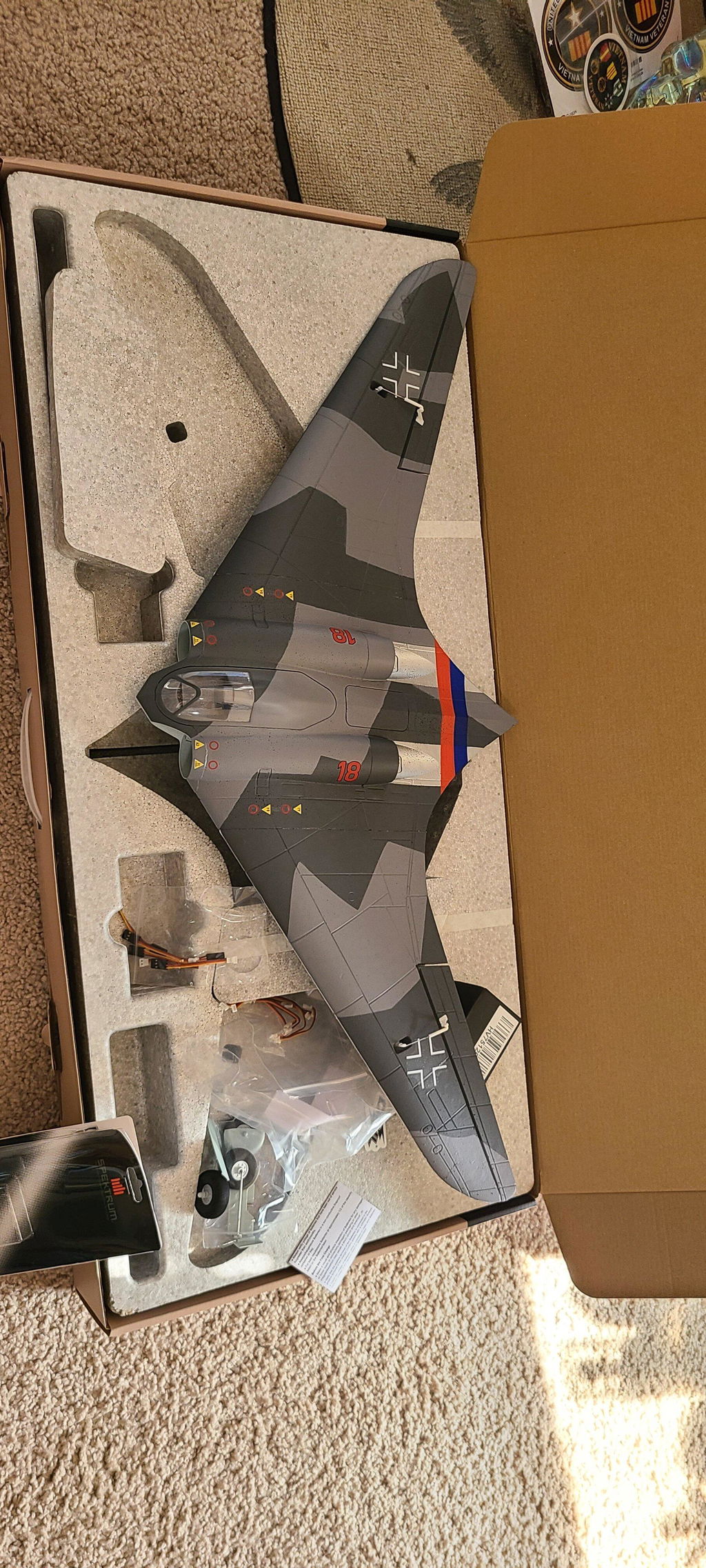
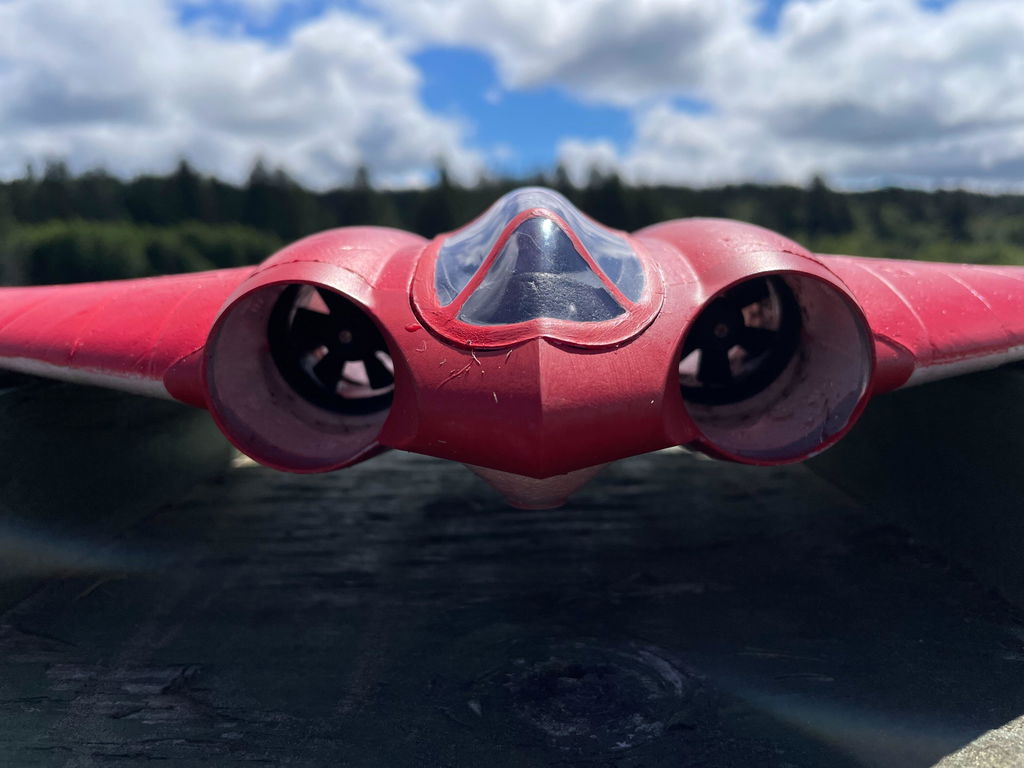
ההנעה מבוססת על שני מנועי outrunner ללא מברשות מדגם 1311 5600KV, המשולבים עם שני בקרי ESC מיקרו ללא מברשות, 15A, ומספקת למטוס העברת כוח יעילה וביצועים אמינים. הדגם כולל גם כני נסע חצי-בקנה מידה נשלפים וניתנים להיגוי, המוסיפים הן שליטה מעשית על הקרקע והן מראה מציאותי יותר.
אם אתם רוצים למצוא אפשרויות סוללה תואמות במקום אחד, השתמשו באוסף הסוללות הייעודי עבור CNHL AviNationRC Horten Ho-229.
בקצרה
אם יש לכם ניסיון מסוים בהטסת דגמי ספורט או מטוסי EDF קטנים יותר, ה-Horten Ho-229 מציע צעד ייחודי יותר אל עולם ביצועי הסילון הקומפקטיים. תצורת הכנף המעופפת הייחודית שלו, ההיגוי התגובתי והגודל הקומפקטי הופכים אותו לבחירה מושכת עבור טייסים שמחפשים משהו שונה, בלי לעבור לפלטפורמת EDF גדולה או מורכבת.
זה לא סתם עוד מטוס RC קטן. כקונספט גרמני של Ho 229 שהותאם לפורמט RC מודרני ומעשי, הוא מציע צללית נדירה, סיפור תעופתי מרתק ואופי טיסה שמרגיש רציני יותר מכפי שגודלו הקומפקטי עשוי לרמוז. לעיתים קרובות מתייחסים אליו כמטוס סילון Ho 229, כמטוס Ho 229, ולעיתים אף מחפשים אותו כמפציץ Ho 229, אך הערך האמיתי כאן הוא ש-AviNationRC הפכה את הצורה הזו למטוס RC בר-טיסה, שימושי ועקבי.

מפרט המוצר
| מוטת כנפיים |
813 מ"מ |
| אורך |
360 מ"מ |
| משקל גוף המטוס בלבד |
174 גרם ללא סוללה |
| משקל מוכן לטיסה |
245–265 גרם, בהתאם לסוללה, למקלט ולבחירת התצורה |
| מנוע |
2 מנועי outrunner ללא מברשות מדגם 1311 5600KV |
| ESC |
2 בקרי ESC מיקרו ללא מברשות, 15A |
| סרווים |
3 סרווים של 2.2 גרם (2 למאזנות הגובה, 1 להיגוי) |
| יחידות EDF |
2 יחידות EDF בקוטר 35 מ"מ עם 5 להבים |
| תצורה |
PNP |
| מקלט |
נדרש מקלט מיקרו בעל 4–6 ערוצים (לא כלול) |
| גודל תא המקלט |
50 x 26 x 30 מ"מ (L x W x H) |
| תמיכה בסוללה |
3S / 4S |
| חומר גוף המטוס |
קצף EPS קל משקל |
| כני נסע |
כני נסע חצי-בקנה מידה נשלפים וניתנים להיגוי |
| מספר מלאי |
HO229001 / HO229002 |
מאפייני טיסה
באוויר, ה-Horten Ho 229 מרגיש מהיר, חלק ובעל יכולת מרשימה עבור EDF קומפקטי כל כך. התצורה עם שני מאווררי 35 מ"מ מעניקה לדגם תאוצה חזקה ותחושה זריזה, בעוד שתצורת הכנף המעופפת יוצרת חוויה שונה מזו של מטוס ספורט מסורתי או מטוס פארק.
ה-Ho 229 שומר היטב על המהירות ומרגיש יציב לאחר שהוא באוויר, עם מעקב חלק ותחושה מחוברת במהלך פניות. הוא אינו עצבני או בלתי צפוי, אך מגיב באופן ישיר יותר מדגם מטוס טיפוסי מקטגוריית המיקרו בסגנון מאמן, דבר שמוסיף לתחושת הדיוק והשליטה, במיוחד בעת שימוש בתצורת הדחף הדיפרנציאלי האופציונלית.
תגובת הגלגול חדה בלי להרגיש אגרסיבית מדי, והדגם מפיק תועלת מהטלות הגאים הגיוניות בטיסות הראשונות, בזמן שאתם מתרגלים לאופן ההיגוי שלו. לאחר כוונון, ה-Ho 229 הופך לסוג המטוס שמעודד טיסות חוזרות. הוא קומפקטי מספיק כדי לקחת אותו לכל מקום, אך שונה מספיק כדי לבלוט בכל פעם שהוא עוזב את המסלול.
למי המטוס הזה מתאים במיוחד
אם יש לכם ניסיון מסוים בהטסת דגמי ספורט או מטוסי EDF קטנים יותר, ה-Horten Ho 229 מציע צעד ייחודי יותר אל עולם ביצועי הסילון הקומפקטיים. מבנה הכנף המעופפת הייחודי שלו, ההיגוי התגובתי והגודל הקומפקטי הופכים אותו לבחירה מושכת עבור טייסים שמחפשים משהו שונה, בלי לעבור לפלטפורמת EDF גדולה או מורכבת.
המטוס הזה מתאים לטייס שרוצה ייחוד, לא אחידות. אם בהאנגר שלכם כבר יש מספיק דגמי קצף קטנים בעלי מראה רגיל ומטוסי סילון מיקרו שגרתיים, ה-CNHL AviNationRC Horten Ho 229 הוא בחירה הגיונית מיד. הוא מביא צללית שונה לחלוטין, סיפור בעלות יוצא דופן יותר וביצועים אמיתיים מספיקים כדי להצדיק להוציא אותו לטיסה שוב ושוב, ולו רק בזכות הצורה.
ה-Ho 229 מתאים פחות למי שמחפש את המטוס הראשון הרגוע והסלחני ביותר. הוא יכול לטוס היטב באופן טבעי ללא מערכת המבוססת על ג'יירו, אך המבנה, התגובה והקונספט הכללי עדיין ממקמים אותו קרוב יותר לרכישה לחובבי תעופה מאשר למאמן מתחילים גנרי.
תצורות הטסה ואפשרויות כן הנחיתה
ה-Horten Ho 229 מציע לטייסים שתי דרכים מעשיות להמראה ולנחיתה: עם כן נחיתה מותקן או בתצורה נקייה של המראה ידנית. שתי התצורות פועלות היטב, והבחירה תלויה באופן ובמקום שבהם אתם מעדיפים להטיס.
הפעלת הדגם ללא כן נחיתה משאירה את שלדת האוויר קלה ונקייה יותר בחלקה התחתון, והופכת המראות ידניות ונחיתות גחון לפשוטות ויעילות. תצורה זו מתאימה לשדות דשא או לאזורי הטסה פתוחים שבהם אין מסלול חלק.
עבור טייסים שממריאים ממשטחים סלולים, כן הנחיתה הנשלף מוסיף רמה נוספת של מציאותיות, ומאפשר המראות ונחיתות על גלגלים תוך שמירה על המראה הייחודי של כנף מעופפת. כן הנחיתה גם ניתן להיגוי, מה שמוסיף יכולת תמרון מעשית על הקרקע בעת שימוש במסלול.
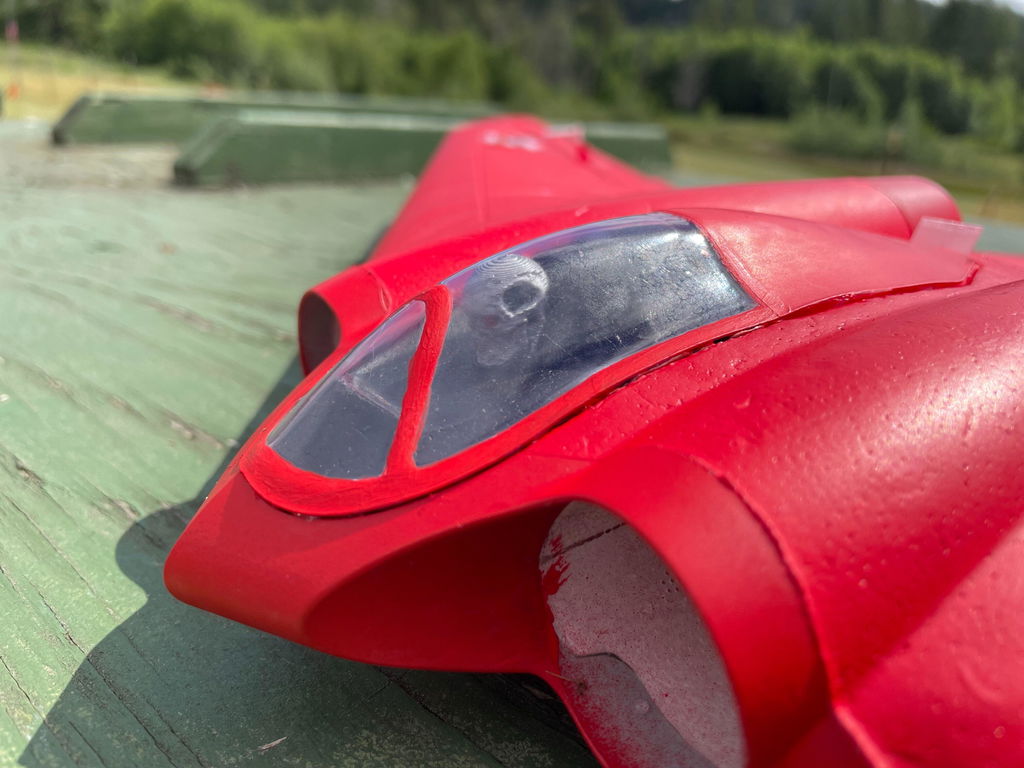
מאפיין התקנה חשוב אחד הוא הסנפיר האנכי התחתון המותקן מתחת לגוף המטוס. אף שהוא אינו תואם למטוס המקורי מבחינת קנה המידה, הוא ממלא תפקיד חשוב ביציבות ובביצועי הטיסה הכלליים. סנפיר שקוף שומר על מראה עדין יותר באוויר, ואילו האפשרות הצבועה משפרת את הנראות ואת ההתמצאות במהלך הטיסה, במיוחד ממרחק.
אם אתם מתכננים לטוס בעיקר בתצורת שיגור ידני, תוכלו גם להשאיר את סרוו ההיגוי מנותק או להסיר לחלוטין את זרוע ההיגוי. כך מתקבלת התקנה נקייה יותר בחלקו התחתון של הדגם, ונשמרת לכם האפשרות להחזיק את סרוו ה-2.2g הרזרבי לצורכי תחזוקה או החלפה בעתיד. אוסף חלקי החילוף עבור ה-Horten Ho 229 הוא המקום המתאים לשמור בסימניות לצורך שימוש ארוך טווח.
אפשרויות התקנת סוללה וביצועים
לבחירת הסוללה יש תפקיד מרכזי בביצועי ה-Horten Ho 229, והיא מאפשרת לדגם שני כיווני התקנה מובחנים. המטוס תומך בסוללות 3S וגם 4S, ומאפשר לטייסים להתאים את תחושת הטיסה להעדפותיהם.
חשוב להבין ש-3S או 4S אינם משנים רק את משקל המטוס. הם משנים בעיקר את רמת העוצמה והדחף. במערך 3S, בדרך כלל תידרשו לסוללה בעלת קיבולת גבוהה יותר כדי לשמור על איזון נכון של הדגם, ולכן המשקל הסופי של הסוללה עשוי להיות דומה לזה של מערך ה-4S המומלץ. בפועל, 3S פועל בדרך כלל בצורה הטובה ביותר בטווח של 750mAh עד 900mAh, ואילו 4S פועל בצורה הטובה ביותר בטווח של 450mAh עד 750mAh.
מערך 3S מציע את אותה שליטה חלקה כמו 4S, אך עם פחות דחף לטיסה במהירות קנה מידה מציאותית יותר. אפשרות זו מתאימה לטייסים שרוצים שה-Ho 229 ירגיש חלק ופחות אגרסיבי, ויתאים יותר לסגנון טיסה מאופק, תוך שמירה על איזון נכון של המטוס.
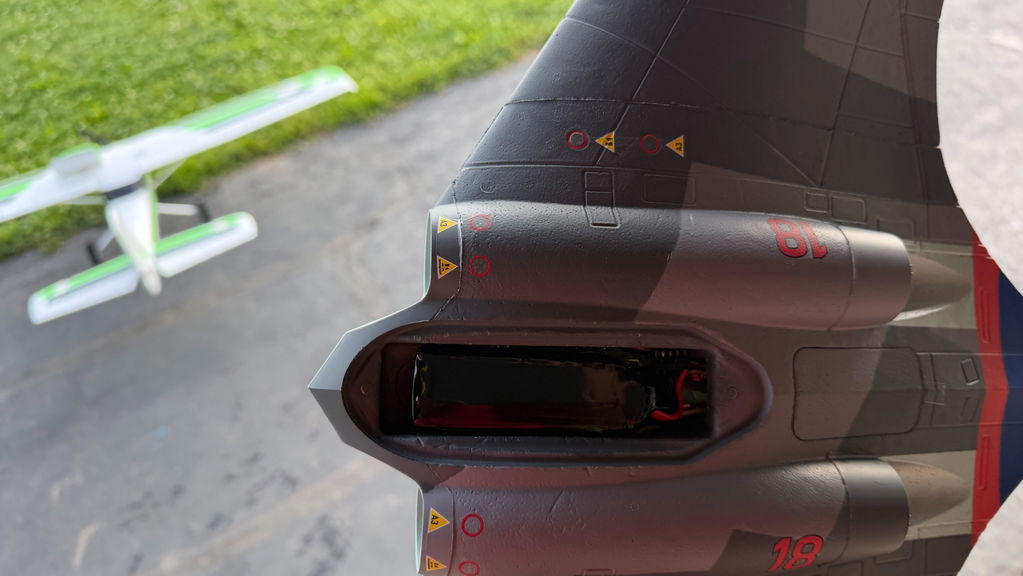
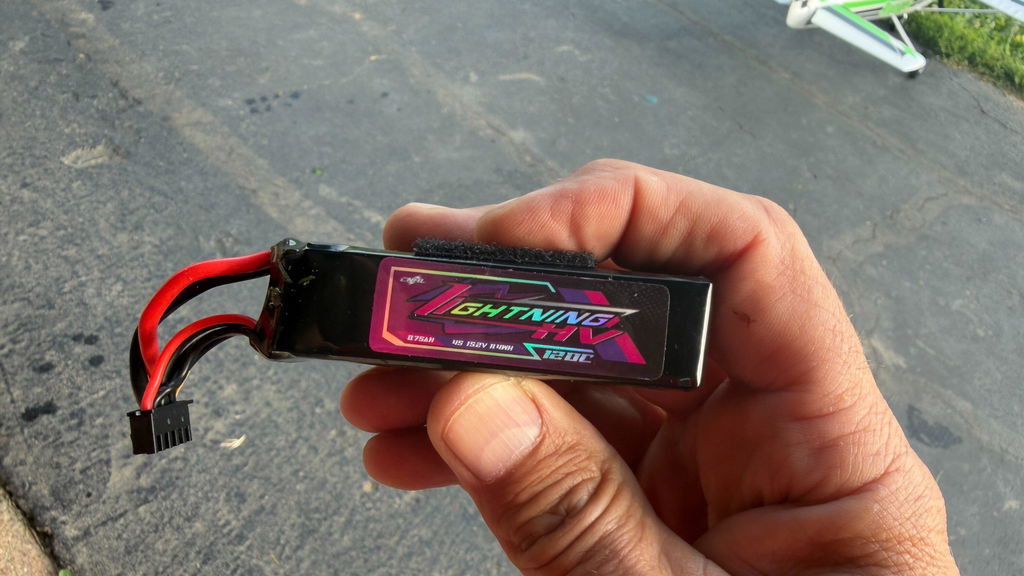
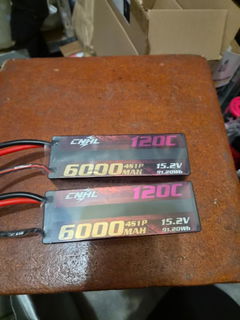
ה-Ho 229 משתמש במחברי XT30 ופועל בצורה הטובה ביותר עם סוללות 4S קומפקטיות בקיבולת של 450mAh עד 750mAh. אנו ממליצים על CNHL MiniStar HV 550mAh 15.2V 4S 70C או על סוללת CNHL Lightning LiHV 750mAh 15.2V 4S 120C HV עם XT30 לקבלת מערך הביצועים הטוב ביותר, המציע איזון מצוין בין עוצמה, משקל ומשך טיסה ומאפשר למטוס לבטא במלואו את האופי שלו כדגם EDF.
להגדרת 3S במהירות דמוית-קנה-מידה יותר, מומלצת סוללת ה-CNHL Lightning LiHV 750mAh 11.4V 3S 120C HV עם XT30. היא מעניקה לטייסים אפשרות לאספקת כוח חלקה יותר, תוך שמירה על דרישות התצורה הנחוצות לכנף המעופפת הקומפקטית הזו עם שני מנועי EDF.
לטיסות הראשונות בהגדרת ה-4S המומלצת, טיימר של כ-3 דקות ו-30 שניות הוא נקודת פתיחה הגיונית. ייתכן שניתן להאריך לכיוון 4 דקות, בהתאם לשימוש במצערת, אך תזמון קצר יותר מספק נקודת פתיחה בטוחה יותר בזמן שמתרגלים למודל.
אם אתם מחפשים אפשרויות הנעה תואמות ל-Ho 229, עיינו באוסף סוללות Horten Ho 229 הייעודי לקבלת המלצות למארזי סוללות, או חקרו את מגוון מטעני סוללות ה-LiPo של CNHL לקבלת פתרונות טעינה מתאימים.
דחף דיפרנציאלי ואפשרויות שליטה
אחת התכונות המעניינות יותר של ה-Ho 229 היא התמיכה שלו בדחף דיפרנציאלי. לאחר הפעלה והגדרה במשדר, הוא מוסיף שליטה נוספת על הסבסוב ויכול להרחיב את יכולות ההיגוי הכוללות של המטוס, להעניק לטייסים רמת שליטה נוספת ולהפוך את הטסת המודל למרתקת עוד יותר.
במקביל, דחף דיפרנציאלי הוא אפשרות לחלוטין. ה-Ho 229 עדיין טס היטב באמצעות הגדרה מסורתית של elevon ומצערת, כך שקל לשמור על תצורה ראשונית פשוטה ולהמריא במהירות.
לטייסים שנהנים להתנסות בכוונון ההגדרות ובמאפייני הטיסה, דחף דיפרנציאלי מספק גמישות נוספת בלי להוסיף מורכבות מיותרת למי שמעדיפים הגדרה פשוטה וישירה.
קובץ הגדרת רדיו ETHOS
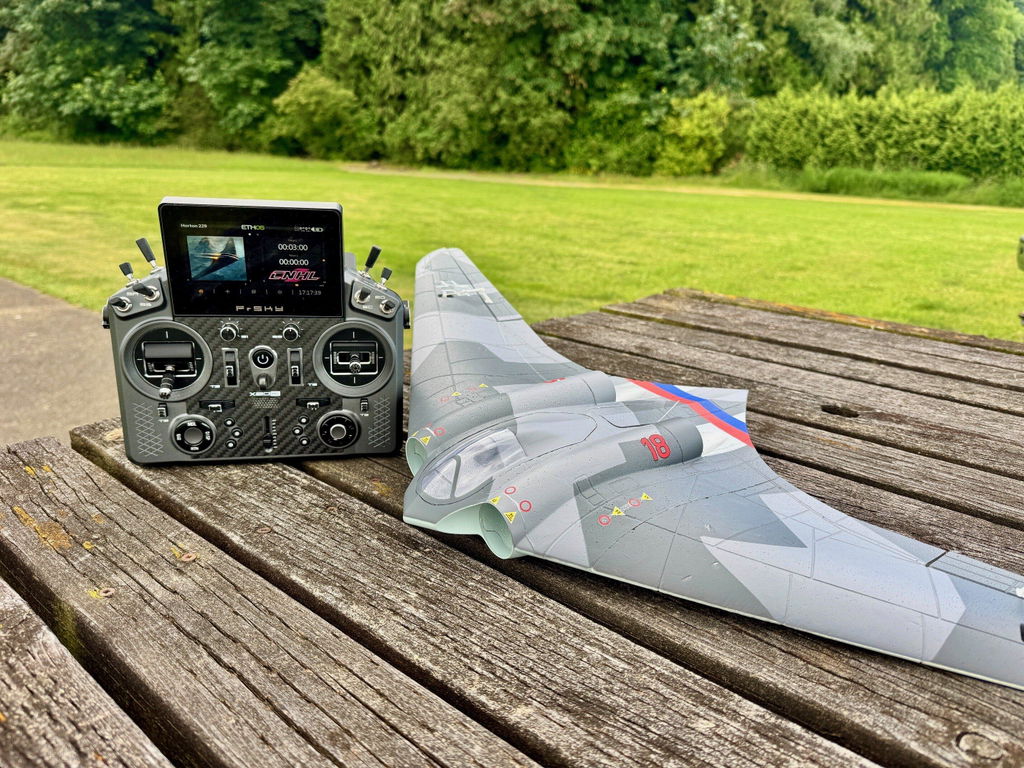
עבור משתמשי רדיו FrSky ETHOS, CNHL מספקת קובץ זיכרון מודל להורדה עבור AviNationRC Horten Ho-229. הורידו את קובץ ה-ZIP, חלצו אותו ופעלו לפי ההוראות של רדיו ה-ETHOS שלכם כדי לייבא או להעתיק את קובץ המודל למשדר.
קובץ זה מיועד לשמש כהגדרת התחלה בלבד. לאחר הייבוא, על הטייסים לבדוק את כל הקצאות הערוצים, את כיוון האלברונים, את כיוון המצערת, את הגדרת הדחף הדיפרנציאלי, את מרכזת הסרווים, את מהלכי הבקרה, את מנגנון הבטיחות ואת בדיקת הטווח לפני הטיסה.
הורדת קובצי זיכרון הדגם של CNHL Ho-229 עבור ETHOS
מה חשוב לדעת לפני הקנייה
הדבר הראשון שחשוב להבין הוא שהמטוס הזה דק, קומפקטי ומעוצב למטרה מסוימת. זו אחת הסיבות לכך שהוא נראה טוב כל כך, אך משמעות הדבר היא שיש לגשת לבעלות עליו בזהירות רבה יותר מאשר לדגם קצף עבה ויומיומי. הוא מתאים יותר למי שמעריך את היתרונות שמציעה הצורה ומוכן להתייחס בהתאם לשלדת האוויר.
הדבר השני שחשוב להבין הוא שלא מדובר ברכישה מקוצרת בסגנון BNF. זהו מטוס בתצורת PNP, ועדיין נדרש מקלט מיקרו מתאים בעל 4–6 ערוצים. גם מיקום המקלט והסוללה חשוב, מכיוון שהתכנון הזה רגיש יותר להגדרות מסודרות ונקיות מדגם אימון גנרי בעל כנף עילית.
הדבר השלישי פשוט: אל תקנו את המטוס הזה בציפייה שיתנהג כמו מטוס אימון איטי ורגוע. קנו אותו כי אתם רוצים כנף מעופפת קומפקטית עם שלט רחוק, מהירות אמיתית, אופי היסטורי אותנטי ומערך שניתן לכוונן להתנהגות חלקה יותר או אגרסיבית יותר, בהתאם לאופן שבו תרצו להחזיק בו. לקבלת מידע עזר על ההגדרות, הנחיות החיווט ופרטי הבקרה, השתמשו ב־מדריך ההרכבה הרשמי של CNHL AviNationRC Horten Ho 229.
הערות לבעלות לטווח ארוך
בטווח הארוך, ל־CNHL AviNationRC Horten Ho 229 יש סיכוי טוב יותר מרוב דגמי ה־EDF הקטנים להישאר מעניין. מטוס סילון קומפקטי רגיל עלול להשתלב ברקע עם הזמן, לאחר שהחידוש מתפוגג. ה־Ho 229 בדרך כלל אינו כזה. קווי המתאר שלו ייחודיים מדי, וזה לבדו עוזר למטוס לשמור על מקומו בהאנגר.
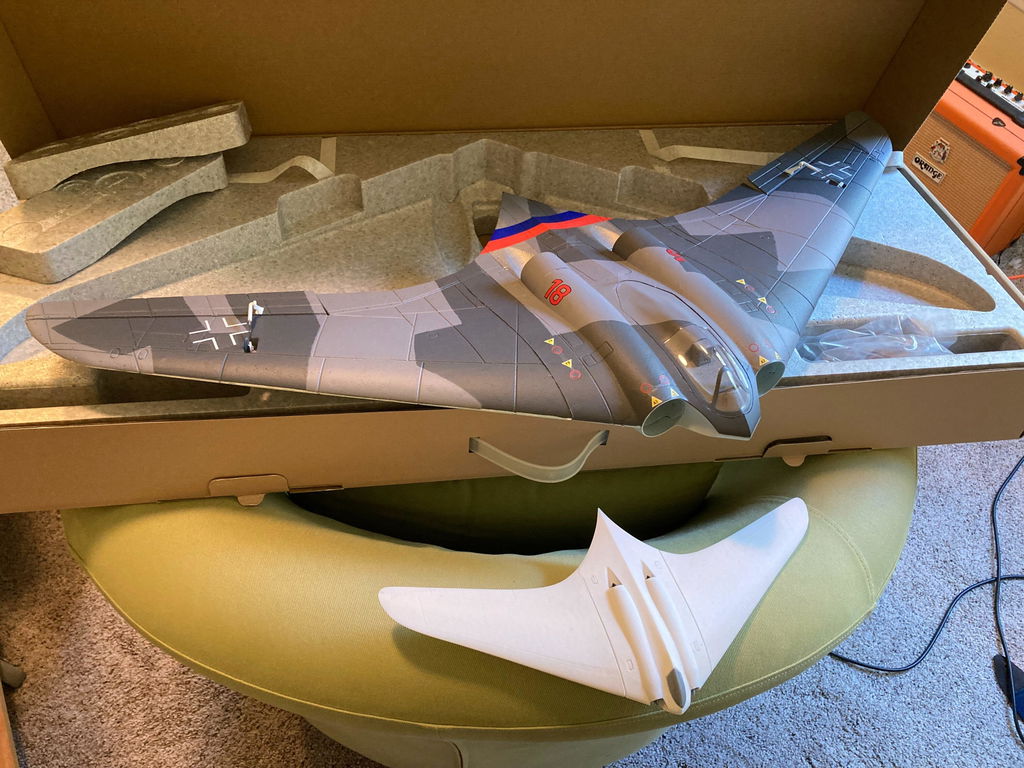
הקופסה המקורית חשובה כאן יותר מאשר במטוסים רגילים רבים. מכיוון שהדגם דק יחסית וצורתו יוצאת דופן, אחסון נאות אינו רק תוספת נחמדה. הוא חלק מהבעלות הנכונה על המטוס. שמירה על האריזה הפנימית המעוצבת ושימוש בה להובלה הם צעדים הגיוניים מבחינה מעשית, במיוחד אם רוצים לשמור על שלדת האוויר ולהקל על הנשיאה השגרתית.
גלגלי הנחיתה החצי־בקנה־מידה, הניתנים להסרה ולשליטה, הם חלק נוסף מהגמישות ארוכת הטווח הזו. חלק מהבעלים ירצו להתקין אותם לטיסות ממסלול ולמראה מפורט יותר בקנה מידה. אחרים יעדיפו להשאיר אותם מחוץ לדגם בין טיסות כדי לפשט את האחסון ולהקל על אריזת המטוס. זו אינה פשרה. זהו אחד מיתרונות הבעלות החכמים יותר המובנים בתכנון הזה.
לתמיכה בתחזוקה ולהחלפת חלקים, השתמשו באוסף חלקי החילוף הייעודי של Horten Ho 229. למידע מעמיק יותר על התאמת הדגם לכיוון המטוסים של AviNationRC, קראו את הסקירה של CNHL AviNationRC על Horten Ho 229.
שאלות נפוצות
מהי ההיסטוריה של ה־Horten Ho 229?
ה־Horten Ho 229 היה מטוס ניסויי גרמני בעל כנף מעופפת, שפותח במהלך מלחמת העולם השנייה. תכנונו המתקדם וההיסטוריה שלא הושלמה הם סיבה מרכזית לכך שהמטוס נותר עד היום מזוהה כל כך ונידון בהרחבה.
האם ה־Horten Ho 229 תוכנן כמפציץ?
ה־Horten Ho 229 תוכנן בתחילה כמטוס קרב / מטוס קרב כבד, ובהמשך נשקל פיתוח גרסה גדולה יותר לתפקיד מפציץ. עם זאת, גרסת מטוס הקרב הייתה גרסת האב־טיפוס היחידה שנבנתה והוטסה. לכן, אף שמונחים כמו “Ho 229 bomber” או “Horten Ho 229 bomber” נפוצים בחיפושים, הם אינם התיאור המדויק ביותר של אב־הטיפוס שטס בפועל.
האם ה־Horten Ho 229 דורש ג'יירו כדי לטוס כראוי?
לא. המטוס יציב מטבעו הודות לתכנונו, ואינו דורש מערכת מבוססת ג'יירו כברירת מחדל. ניתן עדיין להשתמש במקלט עם ג'יירו אם מעוניינים בסיוע נוסף, אך הדגם אינו תלוי בייצוב כדי לטוס כראוי.
האם קיים קובץ הגדרת רדיו עבור ETHOS?
כן. משתמשי FrSky ETHOS יכולים להוריד את קובץ ה־ZIP של זיכרון הדגם CNHL Ho-229 ETHOS ולהשתמש בו כהגדרה התחלתית למטוס. לאחר הייבוא, יש לבדוק תמיד את סדר הערוצים, כיוון האלירונים, כיוון המצערת, דחף דיפרנציאלי, מרכוז הסרווים, מצב הבטוח וטווח הקליטה לפני הטיסה.
האם ניתן להגדיר את ה־Horten Ho 229 למשקל של פחות מ־250 גרם?
כן. עם סוללה שמשקלה אינו עולה על כ־61 גרם, לאחר הסרת כל רכיבי כן הנסע ועם מקלט קל משקל מתאים, ה־Horten Ho 229 יכול להגיע למשקל מוכן לטיסה של פחות מ־250 גרם, בהתאם למקלט שבו משתמשים.
איזו התקנת סוללה מומלצת עבור Horten Ho 229?
ההתקנה המומלצת עבור AviNationRC 35mm Horten היא 4S. סוללת CNHL MiniStar HV 550mAh 15.2V 4S 70C היא אפשרות 4S קלה וטובה, בעוד שסוללת ה-CNHL Lightning LiHV 750mAh 15.2V 4S 120C HV עם XT30 מספקת זמן טיסה ארוך יותר ואופי EDF מודגש יותר. להתקנת 3S חלקה יותר במהירות המדמה את קנה המידה, מומלצת סוללת CNHL Lightning LiHV 750mAh 11.4V 3S 120C HV. אפשר למצוא אפשרויות תואמות באוסף הסוללות של Horten Ho 229.
האם ניתן להטיס את Horten Ho 229 ללא התקנת כן נסע?
כן. המטוס תוכנן לפעול היטב בתצורה של שיגור ידני ונחיתת גחון, ולכן הוא מתאים למשטחי דשא ולאזורים ללא מסלולים סלולים.
האם סנפיר הייצוב האנכי התחתון נדרש?
כן. הסנפיר התחתון נדרש ליציבות תקינה בטיסה. טייסים יכולים לבחור בגרסה השקופה למראה נקי יותר, או בגרסה הצבועה לנראות והתמצאות טובות יותר במהלך הטיסה.
מה מוסיף הדחף הדיפרנציאלי ל-Horten Ho 229?
דחף דיפרנציאלי מוסיף שליטה נוספת בציר הסבסוב ומרחיב את יכולות השליטה במטוס, אך הוא עדיין אופציונלי לחלוטין עבור טייסים המעדיפים התקנה פשוטה יותר.
עם איזה טיימר טיסה כדאי להתחיל?
בהתקנת ה-4S המומלצת בנפח 550–750mAh, מומלץ להתחיל עם טיימר של כ-3 דקות ו-30 שניות, ולאחר מכן להתאים אותו בהתאם לסגנון הטיסה ולשימוש במצערת.
היכן ניתן למצוא סוללות, מטענים, חלקי חילוף והמדריך התואמים?
השתמשו באוסף הסוללות של Horten Ho 229, במטעני סוללות ה-LiPo של CNHL, באוסף חלקי החילוף של Horten Ho 229 ובמדריך ההרכבה של Horten Ho 229 עבור סוללות, תמיכה בטעינה, חלקי חילוף והנחיות להתקנה.