
Some RC cars are remembered for how fast they were. Others are remembered because they changed the way people approached racing. The Team Associated RC10L belongs to both categories.
Originally developed in the late 1980s, the RC10L helped define an era of 1/10 scale electric on-road racing. Its low-slung GTP body, wide foam tires, carbon fiber chassis, and unusually simple rear suspension made it instantly recognizable. Beneath that unmistakable appearance was a serious competition machine designed around efficiency, precision, and predictable cornering.
Now, with the 2026 Team Associated RC10L re-release (Kit #8002), this legendary 2WD pan car returns with its original character largely intact. Modern electronics accommodation, including a revised servo mount and centrally positioned shorty LiPo layout, makes the platform more practical to build today.
Yet the most interesting thing about the RC10L is not what has changed. It is how much of its original engineering philosophy still makes sense nearly four decades later.
1. The Origins of the RC10L: When 1/10 Pan Car Racing Was Taking Off
The RC10L emerged during a particularly creative period in electric RC racing. In the late 1980s, manufacturers and racers were experimenting with different approaches to lightweight, high-grip on-road chassis. Team Associated already had a strong foundation through the championship-winning RC12L, but the expanding 1/10 scale category presented a different set of opportunities.
Development of the RC10L took shape in 1988. The concept was straightforward: carry the proven engineering principles of the smaller RC12L into a larger platform capable of competing with the 1/10 pan cars appearing on American racing circuits.
Rather than redesigning every aspect of the vehicle, the engineering team concentrated on the elements that mattered most: chassis proportions, rear suspension movement, front steering behavior, drivetrain durability, and compatibility with existing racing body dimensions.
This mattered because the emerging category already had established bodies and equipment. A new chassis would be much more attractive to racers if they could use familiar body styles rather than investing in an entirely new ecosystem.
A Prototype That Arrived Ready to Compete
The RC10L's early competition results gave the design immediate credibility. At the inaugural 1/10 scale ROAR On-Road Nationals in 1988, the prototype achieved the fastest qualifying position—an impressive beginning for a car still undergoing development.
The platform also demonstrated serious straight-line potential. An early prototype exceeded 57 mph during the inaugural Thunderdrome banked-oval event, while the RC10L established a track record at Whippoorwill Raceway.
The production kit followed in 1989, becoming part of a racing culture built around electric GTP cars, oval racing, weekend club events, and constant chassis experimentation.
For many enthusiasts, the RC10L became the car that introduced them to the precision and speed of dedicated on-road competition. It was different from the off-road buggies that dominated many local hobby shops: lower, wider, faster through sweeping corners, and far more sensitive to the quality of the racing surface.

2. Why the RC10L Was More Than an Enlarged RC12L
The RC10L and RC12L share important design principles, but increasing the size of a racing car changes far more than its appearance.
The larger RC10L was developed around a wider chassis, bigger tires, and larger bodywork. Although the electric motors and batteries of the period were broadly comparable to those used in smaller-scale racing, the larger car offered a distinctly different driving character.
A wider track and larger tires could make the chassis feel more settled through corners, particularly compared with the sharp responses of a compact 1/12 scale pan car. The increased dimensions also provided a more substantial platform for weight distribution and aerodynamic body design.
But bigger does not automatically mean faster. More size can bring additional weight, rolling resistance, and aerodynamic drag. The performance benefit comes from how the complete vehicle uses its available traction, not from scale alone.
That distinction remains relevant today. A 1/12 pan car may be extraordinarily quick and precise on a prepared circuit, while a 1/10 pan car can provide a broader stance and a more approachable handling character.
The RC10L was therefore not simply an RC12L with larger dimensions. It was an adaptation of successful racing principles to the needs of a different class.
3. What's New in the 2026 Team Associated RC10L Kit?
One of the strengths of the 2026 re-release is that it does not attempt to disguise the original RC10L as a completely modern racing platform.
The recognizable chassis architecture, front suspension style, rear motor pod, T-bar suspension, and central rear shock remain fundamental to its design. What has changed is the accommodation of contemporary equipment and the availability of freshly manufactured components.
The current kit combines:
- Precision carbon fiber main chassis and side wings
- CNC-machined aluminum lower rear pod plate
- Carbon fiber upper rear plate and front suspension brace
- Ball-joint-supported T-bar suspension with tweak adjustment
- Adjustable gold-anodized oil-filled rear damper
- Precision ball differential and graphite rear shaft
- Updated steering servo mounting arrangement
- Centralized shorty LiPo battery mounting system
- Original-style lightweight wheels and foam racing tires
- Authentic clear GTP racing body and molded components
The revised battery arrangement deserves attention as an engineering change rather than simply an electronics convenience. Classic RC10L setups were designed around the battery technology of their era, including split packs of cylindrical cells. A modern rectangular battery requires a different chassis packaging strategy.
The revised layout includes provisions for a modern shorty battery while retaining an alternative T-bar arrangement for a more period-correct build. The shock mounting arrangement also differs between the configurations.
That flexibility is a thoughtful compromise between historical authenticity and present-day usability.

4. Understanding the RC10L's T-Bar Suspension
The rear suspension is arguably the most interesting part of the RC10L. It is also the feature that best illustrates why pan car racing can be both mechanically simple and technically demanding.
Most familiar RC cars use suspension arms and separate dampers to control individual wheel movement. The RC10L follows a fundamentally different approach.
Its motor, rear axle, and differential form a compact rear pod. This assembly connects to the main chassis through a flexible T-bar system. Rather than allowing each rear wheel to move independently on conventional suspension arms, the entire rear drivetrain assembly moves relative to the chassis.
How Does a T-Bar Actually Work?
Think of the T-bar as a carefully controlled flexible connection between the main chassis and the rear axle assembly.
When the rear tires encounter a change in load or the car rolls during cornering, the rear pod can move relative to the chassis. The flex characteristics of the T-bar influence how that movement occurs.
The central oil-filled shock helps control vertical motion, while the T-bar and friction damping components influence the rear assembly's rolling and twisting behavior.
This arrangement achieves the necessary suspension movement with very few components. However, because the elements are mechanically connected, changes to T-bar stiffness or damping can influence several aspects of handling at once.
A stiffer arrangement may change how quickly the rear assembly reacts to lateral loading. A more flexible arrangement may allow the chassis to accommodate changes in tire loading differently. The optimal configuration depends on the track, tires, available grip, and driving style.
Why Tweak Adjustment Matters
In pan car setup, tweak describes an unwanted imbalance in how the chassis loads its wheels.
If the suspension or chassis is twisted or preloaded asymmetrically, the car may turn differently in left and right corners—even when the steering geometry appears correct.
The RC10L includes adjustable features intended to help achieve a balanced chassis. Correct adjustment can improve directional consistency and prevent the car from behaving differently through equivalent corners.
For a racing platform with such limited suspension complexity, careful chassis alignment is particularly important.

5. The Rear Monoshock: One Damper, a Lot of Responsibility
The RC10L's gold-anodized rear monoshock is visually distinctive, but its function is far more important than its appearance.
Unlike the paired rear shock absorbers of many conventional RC cars, the RC10L uses a centrally positioned oil-filled damper as part of its rear pod suspension system.
This arrangement allows the chassis to manage rear suspension movement without the additional weight and complexity of multiple independent dampers.
The central shock principally controls the rear pod's pitching movement relative to the main chassis. T-bar flex and friction damping contribute to how the rear of the car responds during cornering.
That division of responsibilities is an important part of the design. A pan car does not need large suspension travel on smooth pavement. It needs controlled movement, consistent tire contact, and predictable weight transfer.
Shock oil viscosity, friction adjustment, and suspension alignment should be treated as a system rather than as isolated settings.

6. Why the Motor Position and Rear Differential Matter
Another defining feature of the RC10L is the positioning of its rear drivetrain mass.
The designers sought to position the motor as centrally as practical across the vehicle's width, while placing the rear pod's suspension pivot close to the motor assembly. These decisions help manage the motion and inertia of the drivetrain as the car corners.
What Is Polar Moment of Inertia?
A vehicle's polar moment of inertia describes how resistant it is to rotating around an axis, including the vertical axis involved in steering through a corner.
Imagine holding a long bar with heavy weights positioned far from the center. Rotating it takes more effort than rotating the same weight concentrated near the middle.
The same principle applies to an RC car. Concentrating mass closer to the vehicle's center can make its response to changes in direction more immediate.
The RC10L's compact drivetrain design and centrally considered component placement reflect this principle. They do not eliminate rotational inertia, but they demonstrate how mechanical packaging can contribute to handling.
The VariLok Ball Differential
The RC10L uses a precision ball differential based on a robust design intended for competitive rear-wheel-drive racing.
As a car turns, its outside rear wheel travels farther than its inside rear wheel. A differential allows the two wheels to rotate at different speeds while transmitting drive torque.
Without this ability, a rigidly locked rear axle can create additional tire scrub and change the way a vehicle behaves during cornering.
Ball differential adjustment therefore matters. Excessive slip wastes power and can damage components; overly aggressive adjustment can influence cornering behavior and increase drivetrain loads.
The RC10L's differential design was developed to withstand the greater torque demands of the larger 1/10 platform. Durable drive rings and a substantial differential assembly were important elements of that approach.

7. Why Pan Cars Can Be So Fast With So Few Parts
Viewed without its body, a pan car can look almost too simple to be a serious racing machine. Yet much of its performance comes from precisely that simplicity.
Removing unnecessary mass and drivetrain complexity allows the design to concentrate on tire grip, chassis balance, steering accuracy, and controlled weight transfer.
Several characteristics explain the appeal:
- Very low chassis profile: Major components sit close to the racing surface, helping reduce the height of the center of gravity.
- Wide racing stance: The RC10L's proportions support a stable platform for high-grip cornering.
- Simple rear-wheel-drive drivetrain: Fewer driven components than a 4WD touring car simplify the transmission.
- Minimal suspension mass: The T-bar and rear pod avoid the complexity of conventional independent rear suspension.
- Purpose-built foam tires: Properly selected tires can produce excellent traction on suitable surfaces.
- Low aerodynamic body: GTP-style shells provide a racing-oriented shape suited to fast on-road driving.
None of these features guarantees speed by itself. Their value appears when they work together.
A light chassis with poor tires will not corner well. A powerful motor cannot compensate for an incorrectly adjusted differential. And a carefully aligned suspension cannot deliver consistent handling on a rough, debris-covered surface.
That is the beauty of pan car racing: the components are relatively easy to identify, but getting the complete setup right requires genuine understanding.
8. RC10L vs 1/12 Pan Cars vs Modern Touring Cars
The RC10L occupies a distinctive position within electric on-road racing. It shares its basic design philosophy with smaller pan cars but competes in a size category more commonly associated with touring cars.
| Characteristic | RC10L | 1/12 Pan Car | Typical 1/10 Touring Car |
|---|---|---|---|
| Drive layout | 2WD | 2WD | Usually 4WD |
| Rear suspension | T-bar rear pod | Rear pod / flexure | Independent |
| Overall design | Wide, low, simple | Compact, lightweight | More mechanically complex |
| Driving emphasis | Throttle precision and rear traction | High precision on prepared tracks | 4WD traction and chassis tuning |
| Typical appeal | Vintage / 1:10 pan racing | Specialized pan racing | Contemporary club racing |
The differences are most noticeable through the steering and throttle.
A modern 4WD touring car can use traction at both axles to help stabilize the vehicle under power. A rear-wheel-drive pan car must rely on its rear tires for propulsion while its front tires provide steering control.
This makes smooth throttle application particularly important when exiting a corner. Too much power too early can unsettle the rear of the car, especially when track grip is limited.
Compared with a compact 1/12 racing machine, the RC10L's larger footprint offers a different balance of responsiveness and stability. Its handling character may be easier for some drivers to approach, although both platforms demand careful setup at competitive speeds.
The newly introduced Team Associated RC12R8 also illustrates how far modern 1/12 racing technology has developed. The RC10L takes a very different approach: it preserves a historically significant design instead of pursuing an entirely new competition architecture.
9. What Is It Like to Drive an RC10L?
The RC10L's driving character is shaped by the combination of rear-wheel drive, low mass, wide stance, and direct steering.
On a smooth, high-grip track, the chassis is designed to respond quickly to steering inputs while keeping its rear tires working consistently. The low profile reduces body movement, and the compact drivetrain helps make throttle response feel immediate.
However, a pan car is not necessarily effortless to drive. Its sensitivity to setup can become apparent when tire grip changes or when the track surface is less than ideal.
Corner Entry: Smoothness Matters
Abrupt braking or aggressive steering can destabilize a lightweight rear-wheel-drive chassis. A smoother corner entry gives the tires a better opportunity to maintain consistent traction.
Mid-Corner: Let the Chassis Work
Once the car is settled, unnecessary steering corrections can disturb its balance. A good line and appropriate entry speed are often more effective than constantly changing direction.
Corner Exit: Feed in the Power
The rear wheels are responsible for both acceleration and maintaining lateral grip. Progressive throttle application helps prevent the tires from being asked to do too much at once.
The RC10L is especially rewarding when driven with rhythm and precision. It encourages the driver to understand what the chassis is doing rather than relying on electronics or mechanical complexity to conceal mistakes.
10. Foam Tires: The Forgotten Art of On-Road Racing Setup
Few details capture the atmosphere of classic pan car racing better than foam tires.
Unlike the molded rubber tires common on many modern RTR vehicles, foam racing tires depend heavily on compound selection, surface conditions, temperature, and preparation.
The 2026 RC10L includes foam donut tires along with lightweight racing wheels, allowing the builder to create a period-correct setup.
On a suitable prepared surface, foam tires can provide substantial cornering grip. But that grip does not come without attention to detail.
Tire Diameter and Rear Ride Height
Foam tires wear and gradually reduce in diameter. On a low-clearance pan car, that can influence ride height and chassis attitude.
The RC10L includes adjustable rear axle height inserts, giving the builder a way to manage the rear axle position as part of the overall setup.
Tire diameter also influences effective gearing. A smaller tire travels a shorter distance per wheel revolution, which changes vehicle speed at a given motor and drivetrain speed.
Track Surface and Traction Compounds
Historically, pan car racers experimented extensively with tire preparation. The search for consistent traction became part of the culture of electric on-road competition.
Modern builders should use compounds and treatments appropriate for their tires and local track regulations. Improvised chemicals can produce inconsistent results or damage foam materials.
The biggest practical lesson is that tire selection should follow the surface. Indoor carpet, smooth outdoor asphalt, and a temporary parking-lot circuit place different demands on tires and suspension setup.

11. Building the RC10L: Electronics, Steering and First Setup
The RC10L is a full assembly kit rather than a ready-to-run vehicle. Its appeal is therefore partly the experience of building a specialized racing chassis and making deliberate decisions about the electronics.
Required equipment includes a motor, ESC, steering servo, receiver, transmitter, suitable battery, and charger.
Motor Selection
Team Associated recommends Reedy Sonic 540-SP5 brushless motors in 13.5T, 17.5T, and 21.5T versions.
A lower-turn motor will generally have a higher speed constant when comparing otherwise similar designs, but motor turns alone do not determine the final speed of the RC10L. Gearing, battery voltage, ESC settings, motor timing, and tire diameter all matter.
For a first build, the most sensible goal is manageable acceleration and predictable handling rather than extracting the highest possible top speed immediately.
Steering Servo and Front-End Alignment
The revised servo mount is one of the important modern updates. Team Associated recommends the Reedy RS1606HD low-profile brushless servo.
Before the first drive, ensure that the steering linkage moves freely, the servo endpoints are correctly set, and the front wheels respond symmetrically.
The RC10L's front suspension uses a compact design with a trailing-axle steering arrangement. Small alignment differences can affect the way the car enters corners and holds a straight line.

Battery Layout and Modern Electronics
Unlike the original split-cell arrangements, the updated RC10L can accommodate a centralized modern shorty LiPo configuration. The kit supports suitable 1S or 2S systems, depending on the electronics chosen.
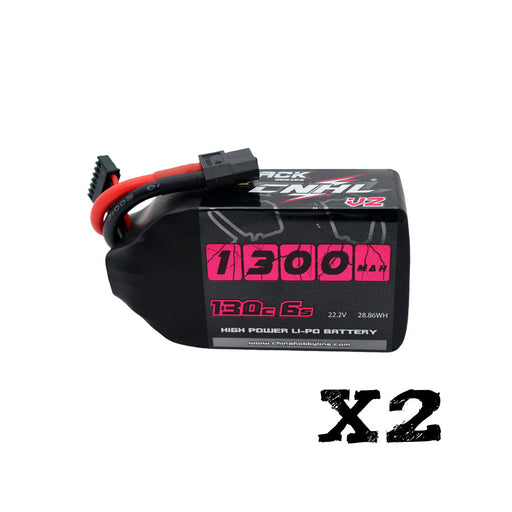
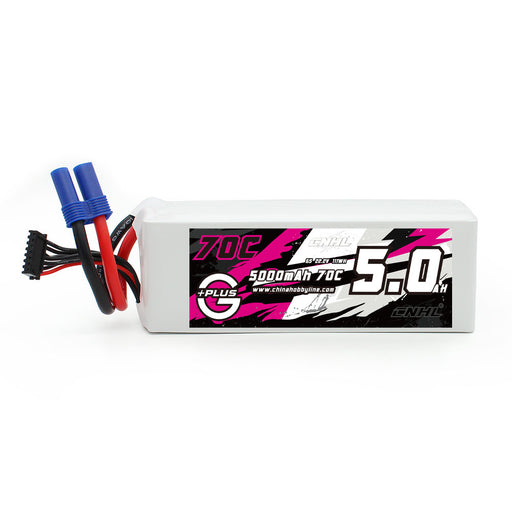
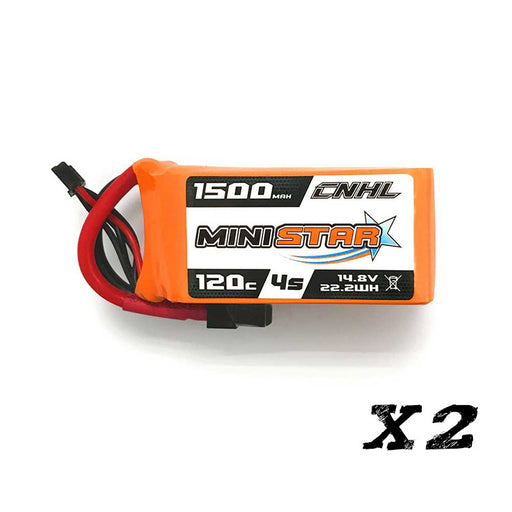
For competition builds, battery voltage, motor class, ESC compatibility, and permitted charging limits should follow the relevant race regulations. For drivers assembling a modern RC10L, the Team Associated RC10L battery collection provides compatible racing battery options.
As with the rest of the build, the important principle is balance. Electronics should be selected as a complete system, with suitable packaging, wiring clearance, power delivery, and weight distribution.
A Sensible First-Run Checklist
- Confirm that the steering turns freely without linkage binding.
- Check front-end symmetry and suspension alignment.
- Set the chassis tweak according to the assembly instructions.
- Verify rear differential adjustment and smooth drivetrain operation.
- Inspect the T-bar and rear pod for unrestricted movement.
- Set an appropriate ride height for the running surface.
- Confirm ESC operation, motor direction, and radio failsafe settings.
- Start with conservative gearing and monitor motor and ESC temperature.
A carefully assembled RC10L should be evaluated progressively. First establish a reliable baseline, then make individual setup changes so that their effects can be understood.
12. GTP, IMSA and NASCAR: The Bodies That Defined an Era
Mechanical engineering is only half the story of the RC10L. The other half is its visual identity.
The late 1980s and early 1990s were a memorable period for full-size endurance racing, and the shapes of prototype sports cars found their way into RC racing. Wide fenders, enclosed wheels, low noses, and dramatic rear bodywork created an unmistakable appearance.
RC10L racers embraced GTP and IMSA-inspired bodies, including styles recalling Jaguar and Nissan endurance prototypes. Oval racing also connected the platform with NASCAR-style stock car bodies and other specialized shells.
These body styles were not simply cosmetic. Different shapes could influence airflow, high-speed stability, and the balance of aerodynamic forces across the car.
The 2026 kit retains an authentic clear racing body, allowing owners to recreate a classic racing appearance or choose their own paint scheme.
For collectors, this is part of what makes the RC10L such a compelling return. A period-inspired body can transform a simple carbon fiber racing chassis into a convincing miniature tribute to an entire era of motorsport.
Owners considering alternative shells should check the 267.7mm wheelbase, 226.8mm published width, wheel clearance, and body mounting arrangement rather than assuming all 1/10 scale bodies are interchangeable.

13. Could the RC10L Help Revive 1/10 Pan Car Racing?
The most interesting question surrounding the RC10L re-release may have less to do with the car itself and more to do with what happens after owners finish building it.
During the original RC10L era, 1/10 pan cars were a significant presence in parts of the American on-road racing scene. Their relatively simple construction and strong performance made them appealing to competitive drivers.
Today, the landscape is different. Modern 1/10 touring cars have an established competition ecosystem, while 1/12 pan car racing retains dedicated communities in selected regions.
For 1/10 pan cars to become a more active racing category again, several conditions would help:
- Local clubs willing to organize compatible vintage pan car classes
- Clear rules for motors, batteries, tires, and bodies
- Accessible replacement parts and tire supplies
- Suitable smooth racing surfaces
- A sufficient number of drivers to make regular racing worthwhile
The RC10L has an advantage that a completely new platform would not: it already has a recognizable identity and an established place in RC racing history.
At the same time, nostalgia alone cannot guarantee a thriving competition class. Racers need places to drive, other people to compete against, and parts that allow them to maintain their vehicles.
A Second Life Beyond Organized Racing
Not every RC10L will end up on a dedicated race circuit, and that is perfectly understandable.
Some enthusiasts will build one as a tribute to a car they owned decades ago. Others will enjoy painting a classic GTP shell, experimenting with vintage-style electronics, or running informal laps on smooth pavement.
For those without a local on-road track, a clean parking-lot course can provide an accessible place to experience the chassis. However, the RC10L's limited ground clearance and foam tires make rough or debris-covered pavement a poor choice.
There is also a growing distinction between a vintage car intended for display and a vintage car intended to be driven. A modern re-release offers the possibility of enjoying the experience without putting an irreplaceable original chassis at risk.
Whether the RC10L becomes a regular feature at local racing clubs or remains a specialized enthusiast favorite, bringing the platform back creates an opportunity for a new generation to experience a different kind of RC racing.
14. Who Should Buy the 2026 RC10L Re-Release?
The RC10L will not suit every RC hobbyist. Its strengths are specific, and understanding them is the key to deciding whether the kit is worthwhile.
Vintage RC Collectors
The kit offers a modern opportunity to own a recognizable classic without relying entirely on aging original components. Its heritage and distinctive body design give it strong appeal as a collector's build.
Experienced On-Road Racers
Drivers familiar with 4WD touring cars may enjoy the RC10L as a completely different kind of challenge. Its handling demands mechanical understanding, careful tire selection, and disciplined throttle control.
RC Builders Interested in Engineering
The T-bar, rear pod, monoshock, differential, and weight distribution make the RC10L an engaging mechanical project. Many of its design principles are unusually easy to see because the chassis is so uncluttered.
Drivers Who Want an Easy RTR Car
The RC10L is less suitable for someone seeking a fully assembled car that can be driven immediately on almost any surface. It requires assembly, electronics selection, and a reasonably smooth driving environment.
It also should not be judged solely against the latest dedicated competition touring cars. The RC10L is valuable because of its particular driving character and engineering heritage, not because it attempts to replace every modern design.
15. Team Associated RC10L Specifications
| Model | Team Associated RC10L Kit |
|---|---|
| Product Number | 8002 |
| Scale | 1/10 |
| Type | Electric On-Road Pan Car |
| Drive | 2WD |
| Length | 381mm (15in) |
| Width | 226.8mm (8.93in) |
| Wheelbase | 267.7mm (10.54in) |
| Published Weight | 1550g (3.42lb) |
| Internal Gear Ratio | 2.60:1 |
| Rear Suspension | T-bar with rear monoshock |
| Chassis | Carbon Fiber |
| Assembly Level | Kit – full assembly required |
16. Team Associated RC10L FAQ
Is the 2026 RC10L a completely new design?
No. It is a re-release of the classic RC10L platform with selected updates for modern electronics and battery packaging. Its fundamental T-bar, rear pod, and pan car chassis architecture remain central to the design.
When was the original RC10L introduced?
Development took place during 1988, with early prototypes competing successfully that year. The original production RC10L followed in 1989.
Is the RC10L an on-road or off-road RC car?
The RC10L is a dedicated 1/10 scale on-road pan car. Its low chassis and foam racing tires are best suited to smooth racing surfaces.
Why does the RC10L use a T-bar instead of independent rear suspension?
The T-bar connects the rear drivetrain pod to the main chassis and permits controlled flexing movement. It achieves the suspension behavior needed for smooth-surface pan car racing with relatively few components.
What is the difference between the RC10L and RC12L?
The RC10L is a larger 1/10 scale design developed from the successful RC12L philosophy. Its wider dimensions, larger tires, and racing body proportions create a different driving character from the smaller 1/12 scale platform.
Does the 2026 RC10L include the motor and ESC?
No. The RC10L is an unassembled kit. A motor, ESC, radio system, steering servo, suitable battery, and charger must be supplied separately.
Can the RC10L use modern brushless motors?
Yes. Team Associated recommends modern Reedy brushless motor options, including 13.5T, 17.5T, and 21.5T models. The rest of the power system and gearing must be selected accordingly.
Can you drive an RC10L in a parking lot?
Yes, on a sufficiently smooth, clean surface with appropriate tires and careful driving. Rough asphalt, stones, and uneven pavement are unsuitable for this low-clearance racing chassis.
Is the RC10L better than a modern touring car?
Neither platform is universally better. A modern touring car offers sophisticated 4WD traction and extensive suspension tuning, while the RC10L provides a lightweight, direct, rear-wheel-drive pan car experience with strong vintage appeal.
Is the RC10L worth buying in 2026?
For enthusiasts who value vintage racing, kit building, mechanical simplicity, and dedicated on-road handling, the RC10L offers an unusual and appealing experience. Buyers primarily seeking an all-terrain RTR vehicle or the latest competition touring platform may prefer something else.
Final Verdict: The RC10L Still Has a Place in Modern RC Racing
The return of the Team Associated RC10L is more than a celebration of vintage RC design. It is an opportunity to revisit a period when lightweight engineering, mechanical simplicity, and careful setup defined much of electric on-road competition.
Its carbon fiber chassis, T-bar suspension, central rear shock, precisely packaged drivetrain, and foam racing tires represent a distinctive approach to building a fast, responsive racing car.
The 2026 updates make the platform easier to equip with contemporary electronics while preserving the elements that made the original special.
Whether this re-release eventually inspires new vintage racing classes, becomes a favorite among returning racers, or introduces younger enthusiasts to the world of pan cars remains to be seen.
What is already clear is that the RC10L offers something modern RC vehicles do not always provide: a direct, mechanical connection to the history of competitive on-road racing.
Nearly four decades after its debut, the RC10L does not need to reinvent itself. Its original engineering is still the reason to own one.








Tinggalkan komentar