
CNHL Baterai Lipo
CNHL bertujuan menyediakan baterai Li-Po berkualitas tinggi dan produk RC kepada semua penggemar hobi dengan layanan pelanggan yang luar biasa dan harga yang kompetitif
Kebanyakan pilot FPV dan RC tahu, setidaknya secara teori, bahwa Anda tidak boleh mengisi daya berlebih pada LiPo. Tapi teori adalah satu hal. Melihat paket yang penuh meledak menjadi bola api tepat di depan mata Anda adalah hal yang sama sekali berbeda.
Baru-baru ini, sekelompok pilot memutuskan untuk menghabiskan “hari biasa di studio” dengan sengaja mendorong beberapa paket LiPo baru jauh melewati tegangan yang ditentukan—di depan kamera. Satu paket meledak menjadi api di atas bangku. Paket lain dipasang pada quad dan diterbangkan dengan keras saat masih overvolted. Rekamannya luar biasa, tapi pelajaran di baliknya jauh lebih penting.

Hari itu tidak dimulai dengan drama. Kru hanya masuk ke studio, membuka peralatan, dan bertukar ide tentang apa yang akan direkam. Lalu seseorang mengusulkan ide yang terdengar lucu pada awalnya dan menakutkan setelahnya: “Bagaimana jika kita mengisi daya berlebih pada paket LiPo dan melihat apa yang terjadi?”
Di atas kertas, ini terdengar seperti eksperimen yang terkendali. Paket baru. Pengaturan dalam ruangan. Alat pemadam kebakaran. Kamera merekam. Tidak ada yang benar-benar percaya sesuatu yang katastrofik akan terjadi. Lagi pula, seberapa buruknya jika mendorong paket baru sedikit melewati tegangan yang ditentukan, hanya sekali ini, di lingkungan yang “aman”?
Dalam beberapa menit, sikap semua orang berubah total.

Mereka setidaknya mencoba untuk “bertanggung jawab.” Sebelum menyentuh baterai, tim pergi membeli alat pemadam api. Mereka meletakkan kardus dan menaruh baterai di meja kayu, percaya bahwa jika terjadi sesuatu, akan lebih mudah mengendalikan api di sana daripada di lantai studio yang berantakan.
Dua baterai dimasukkan ke charger: 4S dan 6S. Rencananya adalah mengisi penuh normal dulu, lalu terus mendorong tegangan lebih tinggi. Semua orang berdiri mengamati layar naik sambil pura-pura santai, bercanda tentang bagaimana “mungkin akan baik-baik saja.”
Tapi LiPo tidak peduli dengan lelucon, atau fakta bahwa ini “hanya konten” untuk video. Mereka hanya peduli pada kimia dan fisika.
Saat tegangan merayap melewati nilai normal, tanda-tanda mulai muncul:
Pada titik itu, semua orang tahu mereka berada di zona bahaya. Seseorang meraih untuk merasakan baterai, yang lain ragu-ragu dengan charger, lalu itu terjadi: baterai mengeluarkan ventilasi dengan keras dan berubah menjadi semburan api dan asap.
Bola api melesat lebih cepat dari yang diperkirakan siapa pun. Untuk sesaat, tampak seperti seluruh meja—dan segala sesuatu di atas dan sekitarnya—mungkin akan hilang. Pemadam api akhirnya melakukan tugasnya, tapi tidak sebelum semua orang mendapat pengingat fisik yang keras: LiPo yang disalahgunakan tidak hanya “gagal.” Ia meledak dengan energi yang seharusnya menjaga pesawat Anda tetap di udara.

Seolah satu kebakaran di meja kerja belum cukup, tim memutuskan untuk melanjutkan eksperimen. Baterai lain diisi jauh melebihi level normal dan dipasang pada quad FPV. Idemya adalah untuk melihat bagaimana baterai yang overcharge berperilaku saat terbang, dan apakah mereka bisa “menghabiskan” tegangan ekstra itu di udara sebelum sesuatu yang buruk terjadi.
Pembacaan tegangan sudah jauh melewati zona nyaman biasa. Namun quad tetap bisa diaktifkan dengan baik. Begitu di udara, rasanya salah dalam semua cara yang terlihat mengesankan di video tapi mengerikan jika itu adalah build Anda sendiri:
Pada suatu saat, salah satu pilot benar-benar menahan jari pilot lain pada throttle penuh, memaksa quad tetap dalam posisi penuh gas sementara baterai dipaksa bekerja sekeras mungkin. Tegangan turun dengan agresif, tapi kerusakan sudah terjadi. Saat quad kembali, baterai sudah sangat stres, secara fisik rusak parah, dan efektif hancur.
Itu menghasilkan rekaman yang menarik. Itu akan menjadi hari yang buruk jika paket itu memutuskan untuk gagal di tengah lengan saat seseorang sedang membungkuk di atas quad untuk mencolokkannya.
Eksperimen ini tidak mengajarkan pilot berpengalaman sesuatu yang “baru” tentang kimia. Yang dilakukannya adalah memberikan konfirmasi yang sangat visual dan sangat keras pada hal-hal yang sudah diketahui banyak orang tapi tidak selalu dianggap serius:
Jika sekelompok pilot berpengalaman bisa terkejut dengan betapa dahsyatnya kebakaran LiPo, sangat mudah bagi pengguna biasa di rumah untuk meremehkan risiko yang sama.
Setiap ahli kimia dan insinyur akan memiliki cara teknis mereka sendiri untuk menjelaskannya, tetapi untuk penerbangan sehari-hari ada aturan praktis sederhana:
Dalam eksperimen video, paket didorong jauh melewati 5V per sel. Pada titik itu, Anda tidak lagi “mengisi baterai.” Anda memaksanya ke kondisi runaway di mana panas, tekanan, dan reaksi internal mulai saling memperkuat.
Inti yang harus diingat sangat sederhana: jika charger, paket, atau rutinitas Anda menyarankan untuk melebihi tegangan yang ditentukan oleh pabrikan, itu bukan peningkatan—itu adalah bahaya.
Menghilangkan lelucon dan nilai kejutan, ada beberapa pengingat praktis yang bisa diambil oleh setiap pilot FPV dan RC dari jenis uji coba ini:
Sebagian besar pilot berpengalaman sudah tahu poin-poin ini. Masalahnya adalah mereka mudah dilupakan ketika belum ada yang salah. Menyaksikan paket meledak di meja adalah pengingat kuat mengapa aturan itu ada sejak awal.

Tidak ada aksesori yang dapat sepenuhnya menghilangkan risiko kegagalan LiPo, tetapi beberapa perlengkapan membuat perbedaan nyata dalam seberapa terkandung kegagalan tersebut. Salah satu peningkatan paling sederhana adalah tas penyimpanan dan pengisian tahan api yang tepat yang dirancang untuk paket LiPo.
Tas LiPo yang aman yang baik tidak akan secara ajaib membuat paket yang buruk menjadi baik kembali, tetapi dapat:
Jika Anda rutin mengisi daya di dalam ruangan, dekat dengan meja kerja, komputer, atau peralatan radio Anda, tas khusus adalah salah satu lapisan keamanan termudah yang dapat Anda tambahkan. Anda dapat menemukan opsi yang dibuat khusus seperti Tas pengisian & penyimpanan CNHL LiPo yang aman, tahan api, dan tahan ledakan , yang dirancang untuk digunakan baik saat mengisi daya maupun saat menyimpan paket di antara sesi.
Ini bukan tentang menjadi paranoid. Ini tentang menghormati berapa banyak energi yang dibawa LiPo dan memberi diri Anda margin keamanan jika sesuatu pernah salah.
Eksperimen video menunjukkan sisi buruk dari mendorong baterai jauh melampaui batasnya. Dalam penerbangan nyata, performa tidak datang dari menyalahgunakan kimia. Performa datang dari menggunakan paket yang tepat, sesuai spesifikasinya, dan membangun sistem yang bekerja secara keseluruhan.
Untuk sebagian besar rig FPV, itu berarti:
Merek yang serius dalam pencocokan sel dan kontrol kualitas fokus pada memberikan tegangan konsisten saat beban, bukan mengejar angka tidak aman di layar charger. Di situlah performa sejati berada—di dalam jendela operasi yang dimaksudkan, bukan di luar itu.
Tidak setiap perubahan kecil pada bentuk berarti baterai sudah rusak, tetapi pembengkakan yang jelas atau berulang adalah tanda peringatan serius. Jika baterai terasa membengkak secara nyata, tetap seperti itu setelah dingin, atau memiliki bau manis atau kimia yang aneh, lebih aman untuk mengistirahatkannya daripada mempertaruhkan satu penerbangan lagi.
Untuk LiPo standar, apa pun di atas 4,20V per sel berada di luar rentang desain yang dimaksudkan. Beberapa ratusan volt ekstra tidak akan mengubah cara terbang Anda, tetapi seiring waktu dapat merusak baterai dan meningkatkan risiko. Jika Anda menginginkan tegangan akhir pengisian yang lebih tinggi, gunakan paket LiHV yang secara khusus dinilai untuk 4,35V dan isi daya sesuai itu.
Hadir secara langsung lebih baik daripada meninggalkan baterai tanpa pengawasan, tetapi tetap bijaksana untuk mengontrol lingkungan. Mengisi daya di permukaan yang tidak mudah terbakar, di dalam Tas aman LiPo , dengan alat pemadam api di dekatnya, adalah pengaturan yang jauh lebih baik daripada melemparkannya di sofa atau rak kayu.
Paket baru umumnya memiliki resistansi internal lebih rendah dan performa lebih baik, tetapi itu tidak membuatnya lebih tahan terhadap penyalahgunaan seperti pengisian berlebih atau kerusakan fisik. Bahkan, karena mereka dapat mengalirkan arus lebih besar, mereka sering melepaskan lebih banyak energi saat terjadi masalah. Perlakukan paket baru dan lama dengan tingkat penghormatan yang sama.
Melihat orang lain sengaja mengisi daya LiPo berlebihan sampai meledak memang menghibur dalam pengaturan yang terkendali, tetapi satu-satunya alasan itu menyenangkan untuk ditonton adalah karena itu tidak terjadi di bengkel Anda sendiri.
Pelajarannya jelas: LiPo adalah alat luar biasa jika digunakan dengan benar, dan berbahaya jika disalahgunakan. Tetap dalam batas tegangan yang tepat, mengisi daya dengan hati-hati, dan menambahkan perlindungan sederhana seperti tas aman LiPo semua meningkatkan peluang Anda.
Terbanglah dengan keras, bereksperimen dengan rancangan, kejar garis sempurna itu—tetapi berikan baterai yang memberi daya semua itu penghormatan yang layak mereka dapatkan.
Untuk pilot yang menginginkan daya yang dapat diandalkan tanpa mendorong baterai mereka melewati batas aman, ada berbagai baterai siap FPV yang dirancang untuk performa konsisten. Anda dapat menemukannya di sini: Baterai drone FPV .
CNHL bertujuan menyediakan baterai Li-Po berkualitas tinggi dan produk RC kepada semua penggemar hobi dengan layanan pelanggan yang luar biasa dan harga yang kompetitif
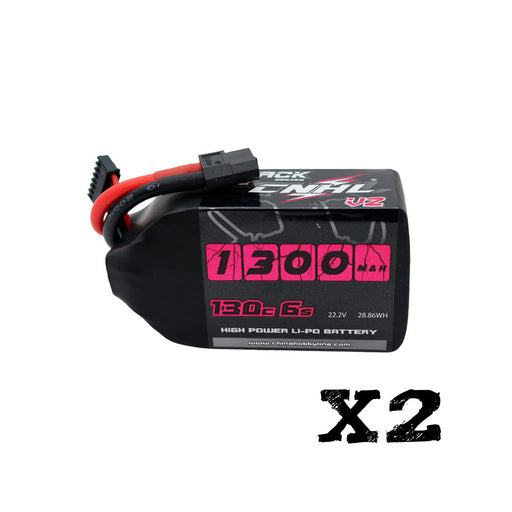
Pemeriksaan Kesesuaian Cepat 2 Packs CNHL Black Series V2.0 1300mAh 22.2V 6S 130C LiPo Battery dengan Colokan XT60 sangat cocok untuk pilot FPV yan...
Lihat detail lengkapSuku Cadang & Dukungan Jangka Panjang Kami memahami bahwa bagi pilot RC, dukungan suku cadang yang andal merupakan bagian penting untuk m...
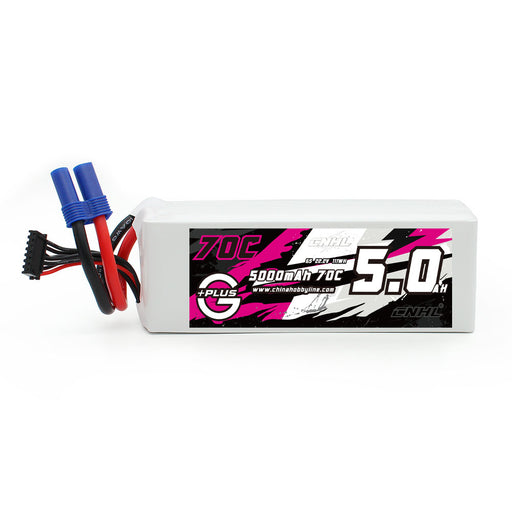
Lihat detail lengkapSpesifikasi: Nomor Stok: 500706EC5 Kapasitas: 5000mAh Voltase: 22.2V / 6-Sel / 6S1P Tingkat Discharge: 70C Kontinu / 140C Ledakan Tingkat Pengisi...
Lihat detail lengkap
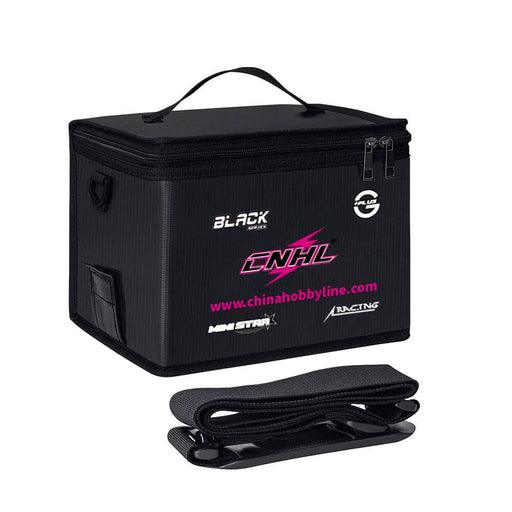
Tas Baterai LiPo CNHL dirancang untuk pengisian, transportasi, dan penyimpanan LiPo yang lebih aman di rumah atau di lapangan. Tas ini menambahkan ...
Lihat detail lengkapPemeriksaan Pemasangan Cepat 2 Paket CNHL Speedy Pizza Series Pro 1350mAh 6S 150C LiPo Battery dengan colokan XT60 dibuat untuk pilot FPV 5 inc...
Lihat detail lengkap

The CNHL Long Range Series BAK 65E 6350mAh 21700 Li-ion battery cell is built around one clear priority: maximum stored energy from a lightweight c...
Lihat detail lengkap

The CNHL Long Range Series BAK 50D 5000mAh 21700 Li-ion battery cell is designed for custom high-energy battery packs that need a strong balance be...
Lihat detail lengkap

The ISDT C4 EVO is a versatile smart battery charger built for AA, AAA and cylindrical rechargeable cells from compact 10440 batteries all the way ...
Lihat detail lengkap

The CNHL Long Range Series 6350mAh 21.6V 6S1P 21700 Li-ion battery combines six BAK 65E high-energy cells into a 137.16Wh pack designed for ultra-e...
Lihat detail lengkap

The CNHL Long Range Series 5000mAh 21.6V 6S1P 21700 Li-ion battery combines six BAK 50D cells into a compact 108Wh pack designed around long-range ...
Lihat detail lengkap




Tinggalkan komentar