

GEPRC Cinebot35 O4 Proは市場で最も軽い3.5インチシネウープではなく、それを隠そうともしていません。紙の上の数値は、保護されたクアッドがより多機能でモジュラーな設計に向かうときに自然に浮かぶ疑問を呼び起こします。しかし驚くべきことに、Cinebot35が空中に上がると、その話は単なる重量の数字以上に興味深いものになります。
これがこのクアッドが注目を集めた本当の理由です。単なる新しいフレーム形状と新しいスペックシートを持つ3.5インチの密閉型リリースではありません。より大きなアイデアはモジュラー式O4の方向性にあります:取り外し可能なカメラとVTXハウジング、より統合された電子機器レイアウト、そして専用のシネマティック用途とより柔軟な日常飛行の間に明確に位置づけられたデザインです。このコンセプトは明らかに魅力的です。DJI O4は安くなく、入手も常に理想的とは言えませんが、複数の対応フレーム間で1つのHDシステムを移動させるという考えは、多くのパイロットにすぐに理解される合理的なものです。
同時に、利便性には常に代償があります。Cinebot35 O4 Proの場合、その代償は重量、騒音、そして空中での存在感に現れます。ここがこのクアッドが語る価値のあるポイントです。単純に「良い」か「悪い」かの問題ではありません。実際に飛ばしてみて、その設計上のトレードオフが納得できるかどうかの問題です。
GEPRCはCinebot35を、同じファミリーの小型モデルの単なるサイズアップ以上のものとして位置づけています。フレームはより統合されたレイアウト、保護用のフロントキャノピー、専用のアクションカメラマウントシステム、独立した機能ボード、振動とジェロを軽減するためのサスペンデッドHDカメラ構造を採用しています。パワー面では、TAKER H743 Miniフライトコントローラー、H60 Mini 32ビット60A ESC、SPEEDX2 2105.5 2450KVモーターを搭載。公式推奨はXT60コネクター付きの6S 1300mAhから1550mAhのバッテリーで、これだけでもこの機体が超軽量で超ソフトなシネウープを目指していないことがわかります。
詳細にも表れています。モジュラー式カメラユニットはここでの本当の注目ポイントの一つです。取り外し可能なカメラエコシステム自体は新しい概念ではありませんが、GEPRCはそのアイデアをより広範なプラットフォームのアイデンティティの一部にしようとしています。理論的には、それは非常に理にかなっています。共通のHDユニットを使うことで、後に他の対応クアッドへの拡張コストを下げられます。しかし実際には、そのエコシステムを可能にする構造をフレームが支えなければなりません。ここでCinebot35は購入者に重要な問いを投げかけます:そのモジュール性の利便性は、より重い3.5インチクアッドを持ち運ぶ価値があるでしょうか?

これがCinebot35 O4 Proを単なる「面白いアイデア」のクアッドにしない重要なポイントです。重量の数字が示すよりも良く飛びます。だからといって突然軽くて機敏、静かになるわけではありません。そうではなく、実際の飛行体験が、スペックシートを疑いながら初めて見る印象よりも落ち着いていて使いやすいということです。
アクションカメラがなくても、このクアッドは3.5インチのシネウープとしては重めの部類に入ります。GoProスタイルのペイロードを加えると、総重量はこのクラスとしては過剰に感じられるレベルに達します。通常、そのような重量は、ゆっくり直線的に飛ばすときだけ許容できる、鈍重で負担の大きい機体を想像させます。しかしCinebot35はその典型には完全には当てはまりません。依然としてしっかりした感触はありますが、懸念されるような怠惰な挙動には陥りません。
これは部分的に、パワーシステムがプラットフォームを自信を持って支えられるほど強力だからです。パンチアウトは弱くありません。スロットルの反応も不足感がありません。クアッドに負荷がかかっても、設計が偶然ではなく意図的であると感じさせるように、しっかりと安定を保ちます。「サイズの割に軽い」という表現は適切ではありません。むしろ、サイズと重量にもかかわらず予想以上に高い性能を維持していると言うべきです。
Cinebot35 O4 Proの最も興味深い部分の一つは、GEPRCが単にシネマティックな個性を与えるだけで終わらなかったことです。このクアッドには2つのPIDプロファイルが搭載されており、これは紙面上の印象以上に重要です。多くのシネウープは平坦で安定した飛行では問題ありませんが、その狭い使用範囲を超えると説得力が薄れます。前進して穏やかな映像を撮るときは良く見えても、パンチアウトや急な角度、よりアクティブなトランジションを求められると、洗練されていないと感じることが多いのです。
ここがCinebot35の優れている点です。2つ目のプロファイルは、クアッドにより自信に満ちた、より完成された個性を与えます。特に、スロットルオフ時、カメラを下に向ける動き、気流の変化への対応、よりアグレッシブなラインチェンジからの回復といった、他の調整では弱点が出やすい動きでクアッドがより安定していると感じさせます。これによりCinebot35が真のフリースタイルクアッドになるわけではありませんが、単一のシネマティックな枠に閉じ込められている感覚はなくなります。
保護された3.5インチプラットフォームとして、それは重要です。機体の有用性を広げます。また、実際に人々がこのようなクアッドをどう使うかを認めているため、製品がより考え抜かれていると感じさせます。多くの購入者は、ただ優しく浮遊するだけのシネウープを望んでいません。滑らかな映像を撮影しつつ、空間が広がれば少し遊べるクアッドを求めています。Cinebot35はそのバランスに多くの人が思うよりも近づいています。

これらはCinebot35 O4 Proが批判を免れるという意味ではありません。トレードオフは依然として明白であり、それで当然です。これは繊細でも軽量でもない機体です。多くの人が望むような庭先に適した3.5インチのシネウープよりも騒音が大きいです。慣性も大きいです。離着陸時には注意が必要なほど低く構えています。また、1グラムの追加が製品写真以上に機体の感触を変えるタイプのクアッドです。
騒音の問題は、一部の仕様表が認める以上に重要です。多くの購入者が狭いまたは管理された空間での使用を想定するシネウープにとって、音の存在感は小さな問題ではありません。これは数秒で背景に溶け込むような小型FPVプラットフォームではありません。Cinebot35はプロペラサイズから想像されるよりも大きく感じられます。風のある状況では、質量と慣性がラインをより自信を持って保つのに役立つこともあります。一方で、控えめで静かな飛行体験を求める場合には理想的でないこともあります。
さらに大きな概念的なトレードオフがあります。モジュラー式のO4エコシステムは本当に魅力的ですが、そのエコシステムを支えるためのハードウェアは無料ではありません。着脱可能なケージ、追加の構造、統合されたレイアウトは実用的な利点をもたらしますが、それらはこのサイズのクアッドの挙動を変える質量も増やします。簡単に言えば、Cinebot35はモジュラーカメラのアイデアをより現実的に感じさせますが、そのアイデアのコストも無視できなくなります。
Cinebot35 O4 Proは耐久性について正直に語る必要がある市場の一部にも位置しています。保護されたクアッドは、ダクトや周囲の構造が即座に安心感を与えるため、初見では頼もしく見えがちです。しかし実際はもっと複雑です。このようなクアッドでは、激しいクラッシュが必ずしもシンプルなオープンプラップ構成で最初に損傷する部分と同じ箇所を壊すとは限りません。つまり、コアの電子機器やカーボン構造が比較的無事でも、修理の話は必ずしも単純ではなくなります。
ここで特に重要に思えます。Cinebot35のレイアウトは高級感がありますが、プラスチック構造や保護パーツ、統合されたセクションが、より強い衝撃後の実際のコストセンターになる設計のように感じられます。これは単純に壊れやすいという意味ではなく、多くの密閉型で機能豊富なシネウープが抱えるリスクと同じです。システムがより統合されるほど、クラッシュ修理は簡単な修復からより手間のかかるメンテナンス作業に変わる可能性があります。
水濡れはそのリスクをさらに予測不能にします。電子機器が詰まったFPV機体では、湿気による異常動作は必ずしも即時に起こるわけではなく、原因の特定も簡単ではありません。したがって、Cinebot35は壊れたプラスチックの見た目以上に耐久性があるかもしれませんが、予防がクラッシュ後の楽観より重要なシネウープのカテゴリーに属します。明らかに仕事をこなすためのクアッドですが、何が生き残るかを試すために気軽にクラッシュしたくなるような設計ではありません。

Cinebot35 O4 Proが通常のモデル発売以上に議論を呼んでいる理由の一つは、この製品が現在のFPVにおけるより広い問題を象徴しているからです。パイロットはこの特定のクアッドだけでなく、モジュラーHDエコシステムの将来価値も評価しています。もし一つの着脱可能なO4システムが複数の機体に対応できれば、複数のデジタルクアッドを所有する総コストの正当化が容易になるという論理は明白です。
この市場の論理が重要なのは、Cinebot35が孤立して存在しているわけではないからです。より軽量な3.5インチクアッド、シンプルなシネウープ、そしてモジュラー性は劣るものの純粋な飛行性能でより洗練されていると感じられる製品と比較されています。つまり、実際の比較は「Cinebot35はよく飛ぶか?」だけでなく、「エコシステムのアイデアは、追加の重量や構造の負担を補うほど所有体験を向上させているか?」ということでもあります。
だからこそ、このモデルは重要に感じられます。最終的に選ばない購入者にとっても、Cinebot35 O4 Proは議論を前進させます。モジュラーアプローチに対してより真剣なテストケースを提供し、このコンセプトの次のステップは単なるバージョン追加ではなく、洗練であることを明確に示しています。将来的にこの方向性の機体が利便性を保ちつつ、質量や音響的なデメリットを削減できれば、このカテゴリーはさらに説得力を持つでしょう。
| カテゴリー | 結論 | なぜ重要か |
|---|---|---|
| 重さ | 多くの3.5インチ購入者が予想するより重い | クアッドの全体的な性格とそれに伴う妥協点を定義する |
| 飛行感覚 | 仕様書以上の性能 | クアッドが失敗したコンセプトのように感じるのを防ぐ |
| シネマティックな使用 | 強い適合性 | 滑らかな映像と保護された飛行には依然として適したプラットフォーム |
| フリースタイルの可能性 | 予想以上の性能 | 2番目のPIDプロファイルは、多くのシネウープよりもクアッドに活気を与える |
| 騒音 | 目立つほどの騒音 | これがクアッドの飛行感覚や快適さに影響を与える |
| モジュラーO4設計 | 本当に興味深いが無料ではない | 取り外し可能なカメラのアイデアは本当に価値があるが、同時に重量も増す |
| クラッシュ時のシンプルさ | 得意分野ではない | 統合され保護された設計でも修理には時間がかかることがある |
| 全体的な魅力 | 適切な購入者には魅力的 | 妥協が多いが賢いプラットフォームとして理解するのが最適 |
Cinebot35 O4 Proは、バッテリーの選択が単に飛行時間に影響するだけでなく、機体の性格を変えるクアッドです。多くの小型シネウープよりも重さがあるため、バランスの取れたセットアップと負担の大きいセットアップの違いがより明確に感じられます。
ほとんどのセットアップでは、実用的なバッテリー範囲はXT60コネクター付きの6S 1300mAhから1500mAhの間であり、この範囲がプラットフォームを完成品として最も理にかなったものにしています。1300mAhのバッテリーは、クアッドをより軽快で反応良く、混合使用時にあまり重く感じさせたくない場合に適しています。1500mAhのバッテリーは、より滑らかなクルージング、長時間のセッション、そしてアクションカメラの頻繁な使用を計画している場合により適しています。
対応オプションを検討している購入者向けに、専用のセットアップガイドとコレクションページはこちらです:GEPRC Cinebot35 O4 Proに最適なLiPoバッテリー。このモデルに対して、最も実用的な組み合わせの2つはCNHL Black Series V2.0 1300mAh 22.2V 6S 130C LiPoバッテリー(XT60プラグ付き)とCNHL Black Series V2.0 1500mAh 22.2V 6S 130C LiPoバッテリー(XT60プラグ付き)です。
それは、小型の6Sバッテリーが不可能というわけではありません。軽量なリファレンスセットアップとしてまだ役立ちます。しかし、Cinebot35を単に飛ばせるだけでなく、完成された感覚にしたいなら、公式の1300mAhから1500mAhの範囲が最も理にかなった出発点です。
Cinebot35 O4 Proは、モジュラーO4エコシステムに本当に興味があり、それに伴うトレードオフを受け入れられる購入者に最も適しています。滑らかな映像撮影ができ、アクションカメラを搭載し、飛行が少し遊び心を持つ時でも単調に感じさせない保護されたプラットフォームを求める人にぴったりです。
最も静かで軽く、衝突時の修理が簡単な3.5インチシネウープを求める購入者にはあまり向きません。また、手軽な小型クアッドの感覚を主に重視する人にもあまり合いません。Cinebot35はそういう存在ではなく、むしろコンパクトなプロ用ツールで、時折パイロットにプロペラサイズ以上の大きなコンセプトを背負っていることを思い出させます。
結局のところ、それがこのクアッドを覚えやすくしている理由です。完璧ではなく、そう装ってもいません。しかし、分類しやすい以上の価値あることをしています。モジュラーO4のアイデアを真剣に考えられる実用的なものにし、そのアイデアの妥協点を明確に示して購入者が正直な判断を下せるようにしています。
GEPRC Cinebot35 O4 Proは3.5インチシネウープとして重すぎますか?
3.5インチプラットフォームとしては多くの人が予想するより確かに重いです。より重要なのは、追加の重量が目立つものの、重量の数字が示すよりも飛行性能は良いことです。
モジュラー式O4システムは本当に意味がありますか?
はい、このコンセプトは特にDJI O4セットアップの費用を複数の対応クアッドに分散したい購入者にとって理にかなっています。トレードオフは、サポート構造が重量と複雑さを増すことです。
Cinebot35はシネマティック飛行向きですか、それともフリースタイル向きですか?
依然としてシネマティックな飛行に自然に向いていますが、2つ目のPIDプロファイルにより、多くの保護された3.5インチクアッドより柔軟性があります。
Cinebot35はうるさいですか?
はい。より小さく軽いシネウープと比べて、Cinebot35は音の存在感がはっきりしています。これはプラットフォーム全体のトレードオフの一部です。
実際の使用に耐える耐久性はありますか?
実際の飛行には十分な性能がありそうですが、多くの密閉型で統合されたシネウープと同様に、軽い修理で済むような衝突に耐える設計ではなく、真剣なプラットフォームとして扱う方が良いです。
GEPRC Cinebot35 O4 Proに最適なバッテリーは何ですか?
ほとんどの完成セットアップでは、6S 1300mAhから1500mAhのXT60が最も実用的な範囲です。1300mAhパックはバランスが良く、1500mAhはより安定した重めの全体セットアップに適しています。
軽量な3.5インチクアッドよりCinebot35を選ぶ価値はありますか?
何を重視するかによります。モジュラー式O4の利便性やより統合されたシネマティックプラットフォームが、絶対的な軽さやシンプルさより重要なら、Cinebot35はずっと選びやすくなります。

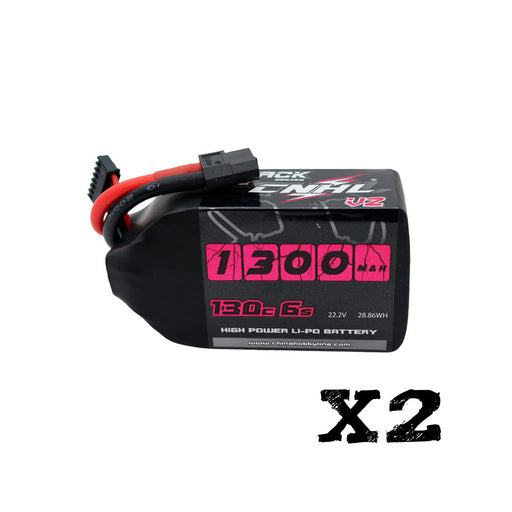
クイック適合チェック 2パック CNHL Black Series V2.0 1300mAh 22.2V 6S 130C LiPoバッテリー(XT60プラグ付き)は、フリースタイル、高速シネマティック飛行、軽量な高性能ビルド向けに、実績のある6S 1300mAh XT60バッテリーを求めるFP...
詳細をすべて表示スペアパーツと長期サポート RCパイロットにとって、航空機を何年も飛ばし続けるには、信頼できるスペアパーツのサポートが重要であることを私たちは理解しています。そのためCNHLでは、Super Tucano 1600mm専用のスペアパーツを幅広く取り揃えています。 交換に必要な主要パ...
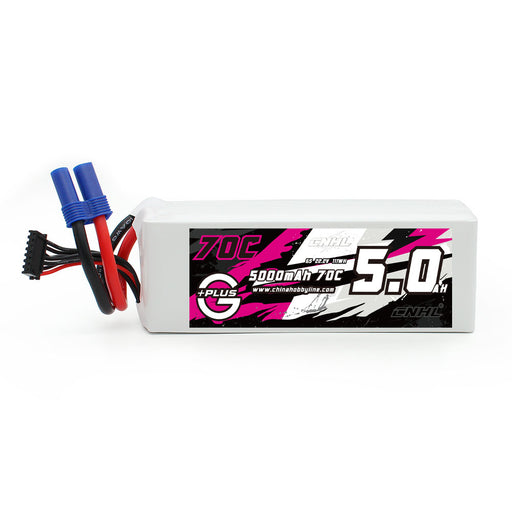
詳細をすべて表示仕様: ストック番号: 500706EC5 容量: 5000mAh 電圧: 22.2V / 6セル / 6S1P 放電率: 70C 継続 / 140C バースト 充電率: 最大5C サイズ(1-5mmの誤差): 49X51X149mm(高さ*幅*長さ) おおよその重量(±5g) : 71...
詳細をすべて表示
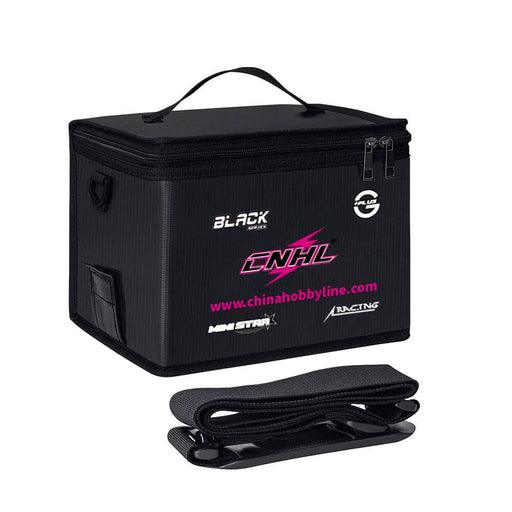
CNHL LiPoバッテリーバッグは、自宅やフィールドでのより安全なLiPo充電、輸送、保管のために設計されています。バッテリー故障時の熱、火花、炎の拡散を抑えつつ、作業スペースを整理し、充電作業をより管理しやすくする実用的な保護層を提供します。 このタイプのLiPo安全バッグは、屋内、ガレー...
詳細をすべて表示

クイックフィットチェック 2パック CNHL Speedy Pizza Series Pro 1350mAh 6S 150C LiPoバッテリー(XT60プラグ付き)は、より軽量でシャープ、反応の良い6Sフリースタイルセットアップを求める5インチFPVパイロット向けに作られています。重...
詳細をすべて表示

簡単な適合チェック CNHL Speedy Pizzaシリーズ 2200mAh 22.2V 6S 120C LiPoバッテリー(XT60プラグ付き)は、使い慣れた2200mAh 6S規格と、性能重視のFPVドローン、RCヘリコプターなど、重量に敏感な6S航空機向けに設計された、軽量で薄型のバ...
詳細をすべて表示

簡単適合チェック XT60プラグ付きCNHL Speedy Pizza Series 2200mAh 14.8V 4S 120C LiPoバッテリーは、広く使用されている2200mAh 4S規格と、パフォーマンスFPVドローン、RCヘリコプター、その他の対応4S航空機に適したスリムで軽量なパ...
詳細をすべて表示

簡単フィットチェック CNHL Speedy Pizza Series 2200mAh 11.1V 3S 120C LiPo Battery with XT60 Plugは、RC飛行機、固定翼モデル、互換性のあるFPVビルド向けに、使い慣れた3S 2200mAh航空機用バッテリーの形式を、よ...
詳細をすべて表示CNHL Long RangeシリーズのBAK 65E 6350mAh 21700リチウムイオンバッテリーセルは、軽量な円筒形セルから最大限の蓄積エネルギーを得ることを明確な優先事項として設計されています。 CNHLの測定でわずか約72–73gながら22.5Whのエネルギーを備え、N21700...
詳細をすべて表示

CNHL Long Range Series BAK 50D 5000mAh 21700 Li-ionバッテリーセルは、蓄積エネルギーと実用出力性能のバランスを重視する、高エネルギー密度のカスタムバッテリーパック向けに設計されています。 定格容量5000mAh、公称電圧3.6V、定格エネルギー...
詳細をすべて表示




コメントを残す