Hobbywing ESC 선택 방법
Hobbywing ESC 선택은 모델 유형부터 시작합니다. Hobbywing은 전자 속도 조절기를 용도와 시리즈별로 분류하므로 항공기 ESC, 자동차 ESC, 보트 ESC, FPV ESC, 크롤러 ESC는 외관은 비슷해 보여도 매우 다른 작동 조건에 맞게 설계되었습니다.
좋은 Hobbywing ESC 매칭은 모터 유형, LiPo 전압, 연속 전류, 순간 전류, 냉각, 방수, BEC 출력, OPTO 전원 구성, 센서 지원, 프로그래밍 방식, ESC가 모델에서 어떻게 사용될지 고려해야 합니다. 크롤러는 부드러운 저속 제어와 드래그 브레이크가 필요합니다. 레이스카는 센서드 모터 지원과 펀치 튜닝이 필요할 수 있습니다. 보트 ESC는 해양 냉각이 필요합니다. 비행기 ESC는 브레이크 옵션, 스로틀 보정, BEC 계획 또는 OPTO 수신기 전원 분리가 필요할 수 있습니다.
Hobbywing ESC 시리즈 가이드
| Hobbywing 시리즈 | 주요 용도 | 최적 쇼핑 경로 |
|---|---|---|
| SkyWalker ESC | RC 항공기, 고정익 비행기, 스포츠 비행기, EDF 스타일 설정 및 고전압 HV OPTO 항공기 시스템. | SkyWalker ESC 쇼핑하기 |
| QuicRun ESC | RC 자동차, 트럭, 크롤러, 배셔, 입문~중급 지상 모델 및 실용적인 플러그 앤 플레이 ESC 설정. | QuicRun ESC 쇼핑하기 |
| EzRun ESC | 성능 RC 자동차, 브러시리스 업그레이드, 배셔, 투어링카 및 강력한 지상 파워 시스템. | EzRun ESC 쇼핑하기 |
| XeRun ESC | 경쟁 지향 RC 자동차, 센서드 브러시리스 레이싱, 드리프트, 투어링, 오프로드 레이싱 및 고급 튜닝 설정. | XeRun ESC 쇼핑하기 |
| FlyFun ESC | 조종사가 항공기 중심의 ESC 동작과 신뢰할 수 있는 스로틀 제어가 필요한 RC 항공기 및 전기 비행기용. | FlyFun ESC 쇼핑하기 |
| Platinum ESC | 정확한 모델에 따라 고성능 RC 항공기, 헬리콥터 및 고급 항공기 파워 시스템. | Platinum ESC 쇼핑하기 |
| SeaKing ESC | 수냉 및 지속적인 고부하 작동이 필요한 RC 보트 및 해양 브러시리스 파워 시스템. | SeaKing ESC 쇼핑하기 |
| XRotor ESC | 드론, FPV 빌드, 멀티로터, 레이싱 쿼드, 프리스타일 항공기, 4-in-1 ESC 파워 스택. | XRotor ESC 쇼핑하기 |
용도별 Hobbywing ESC
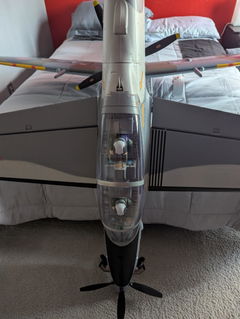
항공기용으로는 RC 비행기 ESC부터 시작하여 LiPo 셀 수, BEC, OPTO 설계, 브레이크 설정, 전류 등급을 기준으로 SkyWalker, FlyFun, Platinum 옵션을 비교하세요. SkyWalker ESC는 마이크로 15A 항공기 ESC부터 대형 항공기 및 EDF 스타일 시스템용 160A HV 14S OPTO ESC까지 다양한 범위를 커버합니다.
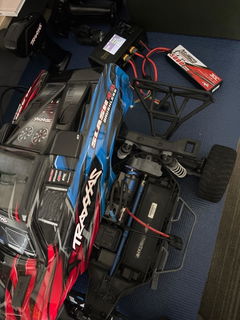
지상 모델용으로는 RC 자동차 ESC가 바셔, 투어링카, 드리프트카, 크롤러, 레이싱 설정을 위한 다양한 Hobbywing 시리즈를 포함합니다. 센서드 제어, 방수, 펀치 튜닝, 드래그 브레이크, 모터 호환성이 항공기 스타일 브레이크나 OPTO 기능보다 더 중요할 때가 많습니다.
해양 조립용으로는 RC 보트 ESC와 SeaKing ESC가 자연스러운 선택입니다. 보트 ESC는 수냉, 지속 전류 부하, 커넥터 품질, 방수, 배터리 방전 능력을 확인해야 합니다.
드론 및 FPV 조립용으로는 드론 ESC, FPV ESC, 4-in-1 ESC, 그리고 XRotor ESC를 비교하세요. 스택 크기, 펌웨어 지원, 전류 등급, LiPo 전압, 비행 컨트롤러 호환성, 모터 KV가 FPV 설정에서 모두 중요합니다.
전압 및 암페어 등급별 Hobbywing ESC
Hobbywing ESC는 항상 올바른 LiPo 전압에 맞춰야 합니다. 4S ESC, 6S ESC, 8S ESC, 12S ESC, 그리고 14S ESC는 서로 교환할 수 없습니다. 전압은 모터 RPM, 열, 커넥터 선택, 배터리 배치, 수신기 전원 계획에 영향을 미칩니다.
암페어 등급은 측정된 전류 소모량과 용도에 맞춰야 합니다. 소형 항공기는 15A, 20A 또는 30A ESC를 사용할 수 있습니다. 대형 자동차, 보트, 항공기, EDF 스타일 시스템은 100A ESC, 120A ESC, 또는 160A ESC가 필요할 수 있습니다. 전류 페이지는 전력 등급을 알지만 시리즈, BEC, 전압, 냉각, 용도를 비교해야 할 때 유용합니다.
BEC, OPTO, HV, 방수 및 센서드 Hobbywing ESC
많은 Hobbywing ESC는 메인 배터리에서 수신기와 서보에 전원을 공급하는 내장 BEC를 포함합니다. BEC가 포함된 ESC를 비교할 때는 전압 출력과 전류 출력을 모두 확인하세요. 소형 항공기 BEC, 크롤러 BEC, 대형 비행기 BEC는 수신기 측 전원 요구 사항이 매우 다를 수 있습니다.
OPTO ESC는 수신기 전원을 제공하지 않으며, 외부 UBEC, SBEC, 전원 분배 시스템 또는 독립 수신기 배터리가 선호되는 고전압 항공기에서 일반적입니다. 고전압 용도에서는 특히 8S, 12S, 14S 전원 시스템을 구축할 때 HV ESC를 비교해 보세요.
지상 차량의 경우, 센서드 ESC는 특히 레이싱과 드리프트 용도에서 스로틀 정밀도와 저속 부드러움을 향상시킬 수 있습니다. 방수 ESC는 오프로드 트럭, 크롤러, 배셔, 습한 환경에서 중요합니다. 해양용 조립에는 수냉식 RC 보트 ESC가 더 적합한 선택입니다.
RC 항공기용 Hobbywing SkyWalker ESC
Hobbywing SkyWalker ESC는 이 컬렉션에서 주요 항공기 중심 시리즈입니다. 이 라인업에는 선형 BEC가 탑재된 소형 2S 및 3S 비행기 ESC, 컴팩트한 4S 미니 ESC, 내장 BEC 또는 UBEC가 있는 강력한 6S ESC, 8S 조절식 BEC 옵션, 12S 및 14S 항공기 전원 시스템용 HV OPTO 모델이 포함됩니다.
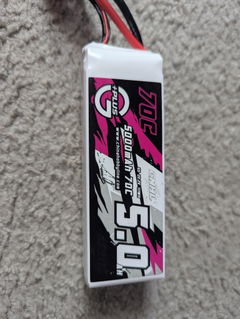
이로 인해 SkyWalker는 폼 트레이너, 파크 플라이어, 스포츠 비행기, 고정익 항공기, EDF 스타일 세트업, 고전압 전기 항공기에 유용합니다. 배터리 계획을 위해 RC 비행기 배터리, 비행기용 4S LiPo, 비행기용 6S LiPo, EDF 제트용 LiPo 배터리를 비교하세요.
추천하는 Hobbywing ESC 쇼핑 경로
- RC 비행기용: LiPo 전압, BEC, OPTO 구성, 브레이크 옵션, 전류 등급, 냉각 공기 흐름으로 SkyWalker, FlyFun, Platinum ESC를 비교하세요.
- RC 자동차용: 브러시드 또는 브러시리스 모터 유형, 센서 지원, 방수, 펀치 튜닝, 프로그래밍 기능으로 QuicRun, EzRun, XeRun ESC를 비교하세요.
- RC 보트용: 전류 등급, 전압, 냉각, 커넥터 품질, 지속 부하로 SeaKing 및 수냉식 해양 ESC를 비교하세요.
- FPV 드론용: 스택 크기, 펌웨어 지원, 암페어 등급, LiPo 전압으로 XRotor, 드론 ESC, FPV ESC, 4-in-1 ESC를 비교하세요.
- 크롤러용: 브러시드 또는 브러시리스 모터 유형, 방수, 드래그 브레이크, 저속 제어, BEC 출력으로 크롤러 ESC를 비교하세요.
자주 묻는 질문: Hobbywing ESC
Hobbywing ESC는 무엇에 사용되나요?
Hobbywing ESC는 RC 자동차, 비행기, 보트, 드론, 크롤러 및 기타 전기 RC 모델에서 배터리에서 모터로 전력을 제어합니다. 모델에 따라 브레이크, 모터 방향, 저전압 보호, BEC 수신기 전원, 방수, 프로그래밍 가능한 스로틀 동작도 관리할 수 있습니다.
어떤 Hobbywing ESC 시리즈를 선택해야 하나요?
항공기용은 SkyWalker, FlyFun, Platinum을, RC 자동차 및 지상 모델용은 QuicRun, EzRun, XeRun을, RC 보트용은 SeaKing을, 드론, FPV 빌드, 멀티로터용은 XRotor를 선택하세요. 최종 선택은 전압, 전류, 모터 유형, 냉각, BEC, 프로그래밍 필요에 따라 달라집니다.
Hobbywing ESC는 브러시리스인가요, 브러시드인가요?
Hobbywing은 브러시리스 ESC와 브러시드 ESC를 모두 만듭니다. 브러시리스 ESC는 3선 브러시리스 모터와 함께 사용하고, 브러시드 ESC는 2선 브러시드 모터와 함께 사용합니다. 두 종류는 호환되지 않습니다.
RC 비행기에 가장 적합한 Hobbywing ESC는 무엇인가요?
RC 비행기용으로는 SkyWalker ESC부터 시작해 비행기 종류에 따라 FlyFun 또는 Platinum 옵션을 비교하세요. LiPo 셀 수, 전류, BEC 또는 OPTO 수신기 전원, 브레이크 동작, 냉각 공기 흐름, 비행기 매뉴얼 요구 사항에 따라 선택하세요.
RC 자동차에 가장 적합한 Hobbywing ESC는 무엇인가요?
RC 자동차용으로는 QuicRun, EzRun, XeRun ESC를 비교하세요. QuicRun은 실용적인 입문~중급 경로이며, EzRun은 더 강력한 브러시리스 업그레이드를 지원하고, XeRun은 모델에 따라 고급 튜닝과 센서 지원이 포함된 레이싱 중심 ESC입니다.
Hobbywing ESC에서 OPTO는 무엇을 의미하나요?
OPTO는 ESC에 내장 BEC 출력이 없음을 의미합니다. ESC는 모터를 제어하지만, 수신기와 서보는 외부 UBEC, SBEC, 전원 분배 시스템 또는 독립 수신기 배터리로 전원을 공급받아야 합니다.
Hobbywing ESC는 프로그래머가 필요한가요?
많은 Hobbywing ESC는 공장 설정으로도 작동하지만, 프로그램 카드나 호환 프로그래머를 사용하면 타이밍, 브레이크 강도, 컷오프 동작, 스로틀 반응, 펀치, BEC 전압, 리버스 브레이크 및 기타 설정을 ESC가 지원할 때 더 쉽게 조정할 수 있습니다.
하나의 Hobbywing ESC가 자동차, 비행기, 보트에 모두 사용할 수 있나요?
아니요. Hobbywing ESC는 용도에 따라 설계되었습니다. 자동차 ESC, 비행기 ESC, 보트 ESC, 드론 ESC는 각각 다른 펌웨어 동작, 냉각 설계, 브레이크 로직, 방수 기능 및 프로그래밍 옵션을 사용할 수 있습니다. 항상 모델에 맞는 ESC 유형을 선택하세요.