Bygget for CNHL Bison XT STOL 1750mm PNP (6S, EC5)
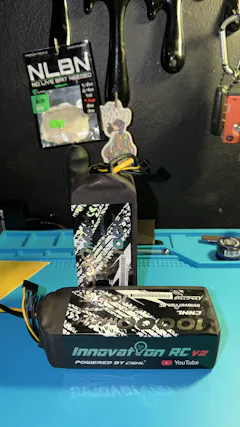
Hvis du setter opp CNHL Bison XT STOL 1750mm PNP (Oransje), gjør denne siden batterivalget enkelt: 6S kraft, EC5-plugg, og praktiske kapasiteter som passer hvordan de fleste faktisk flyr et stort STOL-fly.
Hvilken kapasitet bør du velge?
4000–5000mAh (balansert hverdagsoppsett)
Dette er «det beste valget» for de fleste piloter. Flyet holder seg livlig, staller mykt, og har fortsatt nok vekt foran til å føles stabilt ved innflyging. Hvis du vil ha en ren, forutsigbar Bison som fortsatt føles som et busfly, start her.
5200–6200mAh (lengre flygetid og mer stødig følelse)
Hvis du flyr i vind, foretrekker jevnere styring, eller bare ønsker lengre økter per batteri, gjør økt kapasitet at Bison føles mer rolig. Mange piloter liker også den ekstra neseautoriteten det gir når de bærer fart gjennom svinger eller flyr litt raskere mønstre.
Hvor mye C-rating trenger du egentlig?
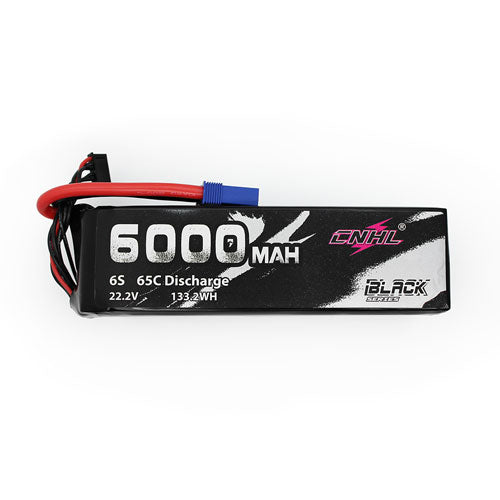
65C–70C: solid for vanlig busflyging, touch-and-go-øvelser og rolig cruising.
90C–100C: merkbart kvikkere respons hvis du liker korte starter, kraftige stigninger og raske gassendringer på vindfulle dager.
«Riktig» valg her handler mindre om maksimal kraft og mer om hvor jevnt spenningen holdes når du ber om det.
Rask sjekkliste før din første flytur
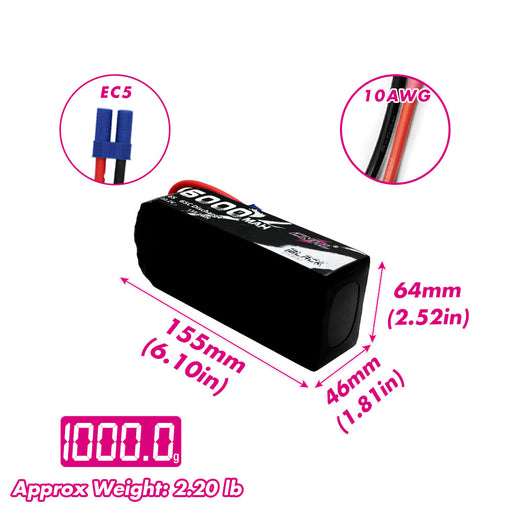
- Bekreft at batteriet passer godt i rommet, med stroppfrihet og uten at ledninger klemmer.
- Sett en forsiktig tidtaker for jomfruturen og juster etter at du ser vanlig landingsspenning.
- Hvis modellen føles haletung eller du foretrekker en mer låst innflyging, prøv et litt større batteri før du legger til ekstra ballast.
Nyttige lenker for komplett oppsett
- Handle alle 22,2V 6S LiPo-batterier hvis du vil sammenligne flere 6S-alternativer utover Bison-valgene
- LiPo-batteriladere for 6S balanseringslading og lagringsrutiner
- CNHL Bison XT STOL reservedeler og skumbytter (samleside kommer snart)
- Utforsk flere CNHL fjernstyrte fly