
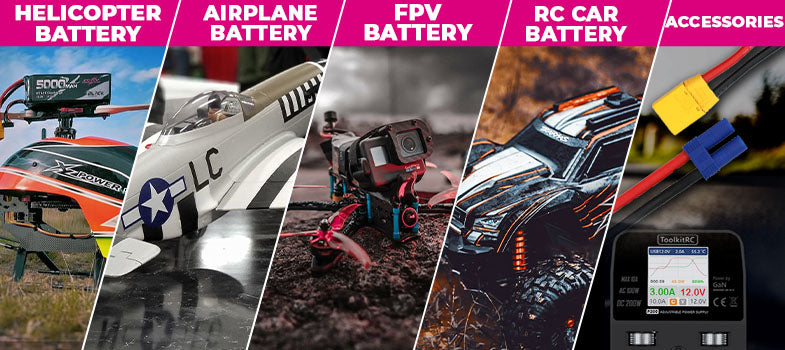
CNHL Lipo Piller
CNHL, tüm hobi meraklılarına mükemmel müşteri hizmetleri ve rekabetçi fiyatlarla yüksek kaliteli Li-Po piller ve RC ürünleri sağlamayı hedeflemektedir

LiPo piller herhangi bir RC kurulumunun en önemli parçalarından biridir, ancak farkında olmadan en kolay kötü muamele gören parçalardan biridir. Birçok pil sorunu tek bir dramatik kazayla başlamaz. Genellikle tekrarlayan küçük alışkanlıklarla başlar: paketleri uzun süre dolu bırakmak, çok düşük seviyeye indirmek, hala sıcakken şarj etmek, şişmeyi görmezden gelmek veya zaten belirgin düşüş belirtileri gösteren bir pile güvenmeye devam etmek.
Hızlı cevap: iyi LiPo pil bakımı çoğunlukla alışkanlıklarla ilgilidir. Güvenli şarj, mantıklı depolama voltajı, sıcaklık farkındalığı, erken uyarı işaretleri ve zamanında emekliye ayırma kararları önemlidir. Çoğu ciddi LiPo güvenlik sorunu önce küçük bakım sorunları olarak başlar, bu yüzden pil bakımı ve pil güvenliği her zaman aynı konuşmanın parçası olarak ele alınmalıdır.
Bu rehber, ana LiPo bakım ve güvenlik konularını tek bir yerde toplar, böylece günlük alışkanlıklar, uyarı işaretleri, değiştirme kararları ve imhanın gerçek RC kullanımında nasıl bağlantılı olduğunu anlamak kolaylaşır.
LiPo piller mükemmel güç yoğunluğu ve güçlü gerçek dünya performansı sunar, ancak dikkatsiz kullanıma karşı özellikle hoşgörülü değildir. İyi bakılmış bir pil uzun süre faydalı kalabilir ve birçok kullanımda tutarlı performans gösterebilir. Kötü bakılmış bir pil bir süre çalışmaya devam edebilir, ancak genellikle zayıflar, daha az stabil olur ve sonunda daha az güvenli hale gelir.
Bu yüzden bakım ve güvenlik ayrı konular olarak ele alınmamalıdır. Daha kısa çalışma süresi, şişme, dengesizlik, aşırı ısı, zayıf his ve şarj sorunları izole rahatsızlıklar değildir. Genellikle aynı pil hikayesinin parçalarıdır. İyi bakım performansın korunmasına yardımcı olur. İyi güvenlik alışkanlıkları sorunların daha ciddi hale gelmeden önce fark edilmesini sağlar.

LiPo sahipliğini düşünmenin faydalı bir yolu, onu dört bağlantılı parçaya ayırmaktır.
| Sahipliğin bir parçası | Neleri kapsar | Neden önemli |
|---|---|---|
| Günlük alışkanlıklar | Şarj etme, soğutma, depolama voltajı, kullanım | Bu alışkanlıklar, birçok kullanıcının fark ettiğinden daha fazla pil ömrünü şekillendirir |
| Erken uyarı işaretleri | Şişme, dengesizlik, ısı, zayıf his, daha kısa çalışma süresi | Çoğu pil sorunu ciddi hale gelmeden önce belirtiler gösterir |
| Değiştirme veya emekliye ayırma kararları | Bir pil paketi artık sağlıklı veya güvenilir olmadığında | Zayıf bir pil, hala çalışıyor diye her zaman güvenli değildir |
| Ömrünü tamamlamış pillerin işlenmesi | Atık imha, geri dönüşüm, güvenli taşıma | Eski veya hasarlı paketler yine de sorumlu bir şekilde kullanılmalıdır |
LiPo sahipliğine bu şekilde baktığınızda, mantık çok daha netleşir. Bir pil “sağlıklı”dan “tehlikeli”ye tek adımda geçmez. Genellikle önce alışkanlıklar, belirtiler ve kararlar üzerinden ilerler.
Çoğu kullanıcı sonunda aynı soruyu sorar: Bir RC pil ne kadar süre dayanmalı? Bu soru önemlidir çünkü hem çalışma süresi hem de uzun vadeli pil ömrü için beklentileri belirlemeye yardımcı olur. Ayrıca kullanıcıların doğal olarak yaşlanan bir pil ile erken aşınmaya uğrayan bir pil arasındaki farkı anlamalarını sağlar.
Başlamak için en iyi yer Bir RC Pil Ne Kadar Süre Dayanabilir? sayfasıdır. Bu sayfa çalışma süresi, döngü ömrü, faydalı ömrü kısaltan alışkanlıklar ve bir paketin değiştirilme sınırına yaklaştığını gösteren işaretleri açıklar.
Bir LiPo pilin verebileceği en net görsel uyarılardan biri şişme veya kabarmadır. Bu tür bir değişiklik asla kozmetik bir detay olarak değerlendirilmemelidir. Şişmiş bir paket, iç stresin veya arızanın zaten başladığını ve pilin bundan sonra nasıl kullanılacağına dair yaklaşımın değişmesi gerektiğini size bildirir.
Eğer karşılaştığınız sorun buysa, doğrudan Şişen LiPo Pil: Neden Olur ve Ne Yapmalı sayfasına gidin. Bu sayfa, nedenleri, risk mantığını ve bir paket şişmeye başladığında atılacak pratik sonraki adımları kapsar.
Birçok LiPo pil erken yaşlanmaz çünkü şanssızdır. Erken yaşlanmalarının nedeni tekrarlanan küçük hatalardır: aşırı deşarj, kötü saklama alışkanlıkları, sıcakken şarj etme, dengesizliği görmezden gelme ve eski paketleri çok agresif kullanma. Bu hatalar genellikle yavaş yavaş birikir, bu yüzden kullanıcılar bazen pil zayıf hissetmeye başlayana kadar ne olduğunu fark etmezler.
En faydalı önleme genel bakışını istiyorsanız, Performansı Erken Öldüren Yaygın LiPo Pil Hataları başlıklı yazıyı okuyun. Bu, pil ömrünü sessizce kısaltan alışkanlıkları belirlemek için bu kümedeki en pratik sayfadır.
Sonunda her LiPo, artık kullanılmaması gereken noktaya ulaşır. Bu aşamada, güvenli kullanım sona ermez. Eski, zayıf, şişmiş veya hasarlı piller özellikle taşıma ve atık işlemlerinde doğru şekilde ele alınmalıdır. Onları ev çöpüne atmak yapabileceğiniz en kötü şeylerden biridir.
Pratik ömrünü tamamlamış pil işlemi için, LiPo Pillerini Güvenli Bir Şekilde Nasıl Atarsınız: Tam Bir Geri Dönüşüm Rehberi sayfasına devam edin. O sayfa boşaltma yöntemi, konnektör koruması, taşıma ve geri dönüşüm mantığını kapsar.
Bazı pil sorunları, genel bir rehberin ele alamayacağı kadar uzmanlık, aciliyet veya durumsallık gerektirdiği için kendi özel sayfalarını hak eder. Aşırı şarj buna bir örnektir, çünkü normal voltajın çok ötesine itilen bir pil, “kötü fikir”den yangın riskine çok hızlı geçebilir. Ölü hücre durumları da öyledir, çünkü kullanıcıların pilin zayıf mı, kurtarılabilir mi yoksa tamamen bitmiş mi olduğunu merak etmelerine yol açabilir.
Burada en faydalı sonraki okumalar LiPo Pili Aşırı Şarj Ederseniz Ne Olur? ve Ölü LiPo Hücresiyle Ne Yapılır?. Kullanım amacınız özellikle drone veya FPV odaklıysa, Doğru Drone Pil Bakımı: Uzun Ömür ve Performans İçin İpuçları da okunmaya değerdir.
İyi bir LiPo kullanımı çoğunlukla tutarlılıkla ilgilidir. Aşağıdaki kontrol listesi en önemli alışkanlıkları kapsar:
En ciddi pil sorunları dramatik arızalarla başlamaz. Rutinlerle başlar. Bu yüzden iyi bakım en pratik güvenlik şeklidir.

Piliniz hala çalışıyorsa ama öncekinden daha zayıf hissediliyorsa, Bir RC Pil Ne Kadar Süre Dayanabilir? ile başlayın, sonra Performansı Erken Öldüren Yaygın LiPo Pil Hataları ve ardından Ölü LiPo Hücresiyle Ne Yapmalı konularına devam edin.
Pil şişiyorsa, ısınıyorsa veya güvensiz hissettiren bir davranış sergiliyorsa, Şişmiş LiPo Pil: Neden Olur ve Ne Yapmalı ile başlayın, sonra LiPo Pil Aşırı Şarj Edilince Ne Olur? okuyun ve LiPo Pilleri Güvenli Şekilde Nasıl Atılır? ile bitirin.
Özellikle daha iyi günlük alışkanlıklar istiyorsanız, Performansı Erken Öldüren Yaygın LiPo Pil Hataları ile başlayın, ardından kullanımınız daha çok drone veya FPV ağırlıklıysa Doğru Drone Pil Bakımı konusuna devam edin.
| Konu | Size ne karar vermenizde yardımcı olur | Okunacak en iyi sayfa |
|---|---|---|
| Pil ömrü | Bir pilin ne kadar dayanması gerektiği ve yaşlanmanın ne zaman belirgin hale geldiği | Bir RC Pil Ne Kadar Süre Dayanabilir? |
| Şişme / kabarma | Pakette tehlikeli bir uyarı işareti olup olmadığı | Şişmiş LiPo Pil |
| Günlük kötü alışkanlıklar | Tekrarlanan hangi hatalar pil ömrünü erken kısaltır | Yaygın LiPo Pil Hataları |
| Aşırı şarj yangın riski | Aşırı şarjın neler yapabileceği ve voltaj sınırlarının neden önemli olduğu | Bir LiPo Pili Aşırı Şarj Edildiğinde Ne Olur? |
| Ölü hücre sorunu | Zayıf veya hasarlı hücre durumunu nasıl anlarsınız | Ölü LiPo Hücresi ile Ne Yapmalı |
| Bertaraf / geri dönüşüm | Ömrünü tamamlamış paketleri daha güvenli şekilde emekliye ayırma ve taşıma | LiPo Pillerini Güvenli Bir Şekilde Nasıl Bertaraf Edersiniz |
Pil bakımı tek başına var olmaz. Performans sayfaları ve bakım sayfaları gerçek hayatta genellikle örtüşür. Zayıf his, erken voltaj düşüşü, sıcaklık hassasiyeti ve artan iç direnç genellikle aynı uzun pil hikayesinin parçalarıdır. Bu semptomların arkasındaki daha derin performans açıklamasını istiyorsanız, LiPo C Derecelendirmesi ve Pil Performans Rehberi, Bir LiPo Pilinin İç Direncini Nasıl Ölçeriz ve Soğuk Havalarda LiPo Pilleri: Performans Kaybı, Voltaj Düşüşü ve Yapılması Gerekenler sayfalarına devam edin.
LiPo pillerin ömrünü nasıl uzatabilirim?
Mantıklı şarj alışkanlıkları kullanın, aşırı deşarjdan kaçının, paket bekleyecekse depolama voltajını kullanın, şarj etmeden önce paketlerin soğumasını bekleyin ve riskli hale gelmeden önce zayıf paketleri emekliye ayırın.
Şişmiş bir LiPo pili her zaman tehlikeli midir?
Şişme her zaman bir uyarı işaretidir ve asla normal olarak kabul edilmemelidir. Tehlike seviyesi ciddiyetine bağlıdır, ancak paket dikkatle ele alınmalıdır.
Bir LiPo pilini ne zaman kullanmayı bırakmalıyım?
Eğer şişiyorsa, olağandışı şekilde ısınıyorsa, çok erken voltaj düşüşü yaşıyorsa, iyi dengeleyemiyorsa veya benzer koşullarda eskisinden çok daha zayıf hissediyorsa, bunu ciddiye alma zamanı gelmiştir.
Sadece zayıf hisseden bir pili kullanmaya devam edebilir miyim?
Bazen hafif zayıflık sadece yaşlanma, sıcaklık veya kurulum talebidir, ancak tekrarlayan zayıf his genellikle paketin artık olması gerektiği kadar sağlıklı olmadığının erken bir uyarı işaretidir.
LiPo pilleri saklamanın en güvenli yolu nedir?
Depolama voltajında, daha serin ve kuru bir ortamda, dağınıklıktan, ısıdan ve yanıcı maddelerden uzak tutun.
Eski bir LiPo pilini çöpe atabilir miyim?
Hayır. LiPo piller uygun şekilde bertaraf edilmeli ve uygun bir geri dönüşüm veya tehlikeli atık noktasına götürülmelidir.
İnsanların yaptığı en büyük LiPo hataları nelerdir?
En yaygın olanları aşırı deşarj, paketleri uzun süre tam şarjlı bırakmak, sıcakken şarj etmek, dikkatsiz şarj, uyarı işaretlerini görmezden gelmek ve zayıf paketleri hala sağlıklıymış gibi kullanmaktır.
CNHL, tüm hobi meraklılarına mükemmel müşteri hizmetleri ve rekabetçi fiyatlarla yüksek kaliteli Li-Po piller ve RC ürünleri sağlamayı hedeflemektedir
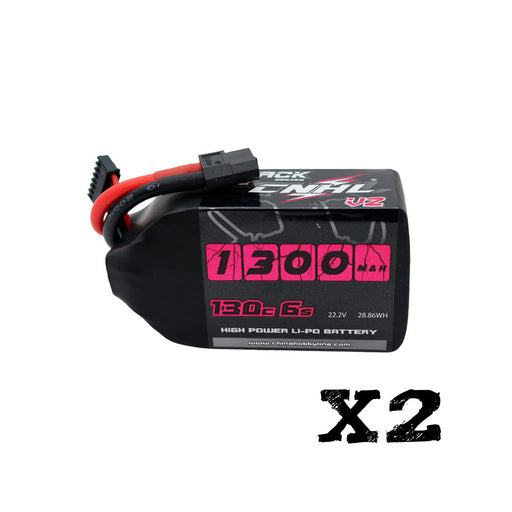
Hızlı Uyum Kontrolü XT60 Fişli 2'li CNHL Black Series V2.0 1300mAh 22.2V 6S 130C LiPo Pil, serbest stil, hızlı sinematik uçuş ve hafif performans s...
Tam detayları görüntüleYedek Parçalar ve Uzun Vadeli Destek RC pilotları için güvenilir yedek parça desteğinin, bir uçağı yıllarca uçurmaya devam etmenin önemli bir...
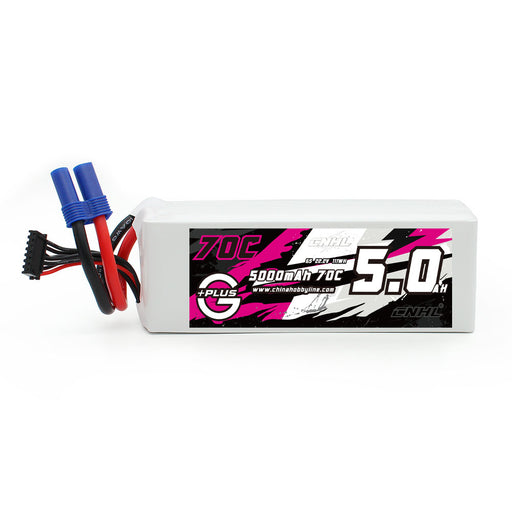
Tam detayları görüntüleÖzellikler: Stok Numarası: 500706EC5 Kapasite: 5000mAh Voltaj: 22.2V / 6-Hücre / 6S1P Deşarj Oranı: 70C Sürekli / 140C Ani Şarj Oranı: Maksimum 5...
Tam detayları görüntüle
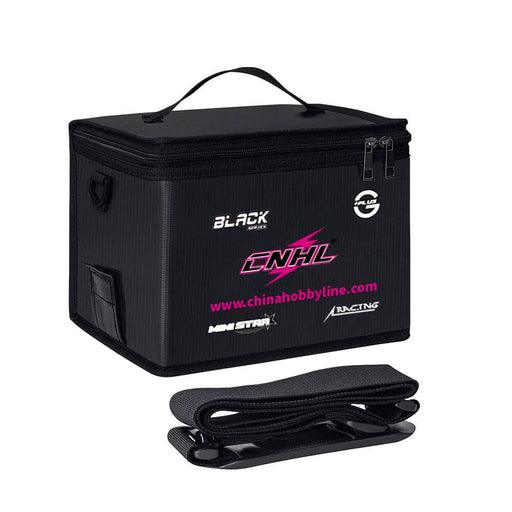
CNHL LiPo Pil Çantası, evde veya sahada daha güvenli LiPo şarjı, taşıma ve depolama için tasarlanmıştır. Pil arızası durumunda ısı, kıvılcım ve ale...
Tam detayları görüntüleHızlı Uyum Kontrolü 2 Paket CNHL Speedy Pizza Serisi Pro 1350mAh 6S 150C LiPo Pil XT60 Fişli, daha hafif, daha keskin ve daha tepki veren bir 6...
Tam detayları görüntüle

CNHL Long Range Series BAK 65E 6350mAh 21700 Li-ion pil hücresi, hafif silindirik bir hücreden maksimum depolanan enerjiyi elde etme gibi tek ve ne...
Tam detayları görüntüle

CNHL Long Range Series BAK 50D 5000mAh 21700 Li-ion pil hücresi, depolanan enerji ile kullanılabilir güç kapasitesi arasında güçlü bir denge gerekt...
Tam detayları görüntüle

ISDT C4 EVO, kompakt 10440 akülerden büyük 26700 hücrelere kadar AA, AAA ve silindirik şarj edilebilir hücreler için tasarlanmış çok yönlü bir akıl...
Tam detayları görüntüle

CNHL Long Range Serisi 6350mAh 21.6V 6S1P 21700 Li-ion batarya, altı BAK 65E yüksek enerjili hücreyi ultra uzun menzilli FPV, FPV kanatları ve veri...
Tam detayları görüntüle

CNHL Long Range Serisi 5000mAh 21.6V 6S1P 21700 Li-ion pil, altı BAK 50D hücresini kompakt bir 108Wh pakette birleştirir ve uzun menzilli FPV, FPV ...
Tam detayları görüntüle




Bir yorum bırakın