
CNHL Lipo Piller
CNHL, tüm hobi meraklılarına mükemmel müşteri hizmetleri ve rekabetçi fiyatlarla yüksek kaliteli Li-Po piller ve RC ürünleri sağlamayı hedeflemektedir

Çoğu LiPo pil, erken performans kaybını tek bir dramatik kazadan dolayı yaşamaz. Daha sık olarak, tekrar eden küçük hatalarla aşınırlar. Burada biraz fazla deşarj, orada tam şarjda birkaç gün bırakma, hala sıcakken şarj etme, şişmeyi görmezden gelme veya yaşlanan bir paketi hala yeniymiş gibi kullanma, birçok kullanıcının fark ettiğinden daha hızlı birikebilir.
Hızlı cevap: performansı erken öldüren en yaygın LiPo pil hataları aşırı deşarj, paketleri tam şarjda çok uzun süre saklama, pil hala sıcakken şarj etme, kötü şarj alışkanlıkları kullanma, şişme veya dengesizliği görmezden gelme, paketleri kötü sıcaklık koşullarına maruz bırakma ve zayıf paketleri çok zorlamaya devam etmektir. İyi haber şu ki, bu hataların çoğu neye dikkat edeceğinizi öğrendiğinizde önlenebilir.
Pil bakımıyla ilgili daha geniş yapıyı önce öğrenmek istiyorsanız, LiPo Pil Bakımı ve Güvenlik Rehberi ile başlayın. Zayıf his, voltaj düşüşü ve yaşlanmanın performans tarafını öğrenmek istiyorsanız, LiPo C Derecelendirmesi ve Pil Performansı Rehberi'ne devam edin.
Birçok kullanıcı zayıf bir pilin markanın kötü olduğu veya paketin şanssız olduğu anlamına geldiğini varsayar. Bazen bu doğrudur, ancak çoğu zaman gerçek neden daha basittir: pil, hasar göstermeye başlayana kadar normal kullanımda tekrar tekrar zorlanmıştır. LiPo piller yüksek performanslı paketlerdir, ancak dikkatsiz alışkanlıklara karşı affetmezler.
Bu yüzden erken performans kaybı genellikle yavaş yavaş gelişir. Pil hala çalışabilir, hala şarj olabilir ve çoğunlukla normal görünebilir, ancak yük altında daha yumuşak hisseder, daha erken voltaj düşüşü yaşar, daha fazla ısınır veya eskisi kadar uzun dayanmaz. Bu değişiklikler genellikle tek bir arıza olayından ziyade rutin hataların birikmiş sonucudur.

Bu, LiPo ömrünü kısaltmanın en hızlı yollarından biridir. Birçok kullanıcı modelde “biraz daha güç kaldı” diye sürmeye veya uçurmaya devam eder, ancak pili tekrar tekrar çok düşük seviyeye indirmek hücrelere gerçek stres uygular. Zamanla bu alışkanlık kapasiteyi azaltır, voltaj düşüşünü kötüleştirir ve paketin beklenenden çok daha erken zayıf hissetmesine neden olur.
Gerçek kullanımda bu genellikle kullanıcı bir dakika daha, bir tur daha veya bir uçuş hattı daha peşinde koştuğu için olur. O ekstra küçük süre anlık olarak pahalı hissettirmez, ancak pil gücünü kaybettiğinde, dengeyi daha kolay kaybettiğinde veya zayıf bir hücre geliştirdiğinde genellikle daha pahalıya mal olur. Bu sorunun ömrüyle ilgili daha fazla detay için RC Pil Ne Kadar Dayanır? ve Ölü LiPo Hücresiyle Ne Yapılır sayfalarına bakabilirsiniz.
Tam şarj, kullanım içindir, depolama için değil. LiPo pil ömrünün en yaygın sessiz düşmanlarından biri, pillerin “bir sonraki kullanım muhtemelen yakındır” diye günlerce veya haftalarca tam dolu bırakılmasıdır. Yüksek voltajda bekletmek hücrelere sürekli stres uygular ve yaşlanmayı hızlandırır, pil o süre içinde hiç kullanılmasa bile.
Bu hata çok yaygındır çünkü hemen dramatik bir şey olmaz. Pil aniden şişmez veya bozulmaz. Sadece uzun vadede koruyabileceği gücün bir kısmını yavaşça kaybeder. Bu yüzden normal kullanımda depolama voltajı çok önemlidir. Bir pilin erken yaşlanması için kötü muamele görmesi gerekmez; bazen sadece çok sık tam dolu bırakılması yeterlidir.
Isı, pil ömrünü kısaltmanın en kolay yollarından biridir ve birçok kullanıcı farkında olmadan ekstra ısı stresi yaratır. Zorlu bir kullanım veya uçuş sonrası pil zaten içten ısınmıştır. Pili hemen şarja takmak, hücrelerin sakinleşmesi için zaman bulamadan daha fazla stres ekler.
Bu yüzden paketlerin şarj edilmeden önce soğumasına izin vermek basit ama değerli bir alışkanlıktır. Sıcak bir pil zaten zorlanıyor demektir. Hemen şarj etmek onu bir günde yok etmeyebilir, ancak tekrar tekrar sıcak şarj yapmak, zamanla kullanım ömrünü kısaltan küçük, alışkanlık haline gelmiş bir stres türüdür.
Kötü şarj alışkanlıkları, pillerin olması gerekenden daha hızlı yaşlanmasının bir diğer yaygın nedenidir. Bu, yanlış kimya modunu kullanmak, doğru dengeleme şarjını atlamak, güvenilir olmayan şarj cihazları kullanmak, dikkatsizce şarj etmek veya şarjı “genellikle işe yarıyor” diye önemsememek anlamına gelebilir.
LiPo piller bu tür tembelliği ödüllendirmez. Bir paket hayatta kalsa bile, kötü şarj alışkanlıkları genellikle daha sonra dengesizlik, daha fazla ısı, azalan çalışma süresi veya pilin yük altında eskisi kadar temiz hissettirmemesi olarak ortaya çıkar. Şarj alışkanlıkları kötü ise, pil ömrü genellikle kötü olur.
En kötü alışkanlıklardan biri, uyarı işaretlerini sadece kozmetik bir sorun gibi görmek. Biraz şişme, hücreleri dengelemekte zorlanan bir şarj cihazı, çok çabuk ısınan bir pil veya alışılmadık bir kokuya sahip bir paket “muhtemelen hâlâ iyidir” diye geçiştirilmemeli. Bunlar genellikle pilin performans sorunundan güvenlik sorununa doğru ilerlediğinin erken işaretleridir.
Birçok kullanıcı pil hala çalıştığı için zorlamaya devam eder. İşte küçük uyarı işaretlerinin daha ciddi arızalara dönüşmesinin tam sebebi budur. Paket şişmeye başlıyorsa, Şişen LiPo Pil: Neden Olur ve Ne Yapmalı yazısını okuyun. Pil zaten ömrünün sonundaysa, LiPo Pilleri Güvenli Şekilde Nasıl Atmalı kısmına geçin.
LiPo piller sıcaklık aşırılıklarını sevmez. Isı stresi ve yaşlanmayı hızlandırır. Soğuk ise paketin daha zayıf hissetmesine, voltaj düşüşünün artmasına ve zayıflıkların çok daha erken ortaya çıkmasına neden olur. Hiçbir sorun pili anında öldürmez, bu yüzden kullanıcılar kötü sıcaklık maruziyetinin ne kadar önemli olduğunu genellikle hafife alır.
Pilleri sıcak bir arabada bırakmak, sıcak paketleri şarj etmek, çok soğuk paketlerle sert uçmak veya sürmek ya da pilleri kötü depolama koşullarında bırakmak hepsi birikir. Kış tarafını düzgünce açıklamak isterseniz, Soğuk Havalarda LiPo Piller: Performans Kaybı, Voltaj Düşüşü ve Ne Yapmalı yazısına devam edin.
Bazı piller aniden arızalanmaz. Zamanla sadece daha zayıf, daha yumuşak ve daha az stabil hale gelirler. Daha yüksek iç direnç, daha kısa çalışma süresi, daha belirgin gerilim düşüşü ve daha güçlü sıcaklık hassasiyeti, pilin artık eskisi gibi olmadığının işaretleridir. Yaygın bir hata, onu taze bir pil gibi kullanmaya devam etmek ve aynı zor performansı ondan beklemektir.
Kullanıcıların sıkça takıldığı nokta burasıdır. Pil teknik olarak hala çalışıyor, bu yüzden onu zorlamaya devam ederler. Ancak stres artık aynı talebi eskisi kadar güvenle karşılayamayan daha eski, zayıf bir pakete biner. Bu kararın pratik kullanım ömrü tarafını öğrenmek isterseniz, bkz. RC Pil Ne Kadar Süre Dayanır?. Ölçüm tarafını görmek isterseniz, devam edin: LiPo Pilin İç Direnci Nasıl Ölçülür.
Bazen pil kendi başına zayıf değildir. Sadece iş için yanlış eşleşmedir. Yetersiz boyutta bir paket, gerçekçi olmayan akım talebi veya kötü gerilim seçimi, gerçek sorun paket ile kurulum arasındaki uyumsuzluk olduğunda pili hayal kırıklığı yaratıyormuş gibi gösterebilir. Bu uyumsuzluk stresi hızla yaratır ve genellikle pilin erken yaşlanmasına neden olur.
Bu, bir pilin teknik olarak bitmeden çok önce zayıf hissetmesinin bir nedenidir. Kurulum, paketin gerçekçi olarak karşılaması beklenenin üzerinde bir talepte bulunur. Bu sorunun performans tarafını görmek isterseniz, bkz. Gerilim Düşüşü Nedir? ve LiPo C Derecesi ve Pil Performans Rehberi.
Gerçek kullanımda, bu hatalar nadiren başlangıçta tek bir dramatik olayla kendini gösterir. Bunun yerine, kullanıcılar genellikle bir desen fark eder. Pil artık eskisi kadar uzun süre dayanmaz. Yük altında daha yumuşak hissedilir. Gerilim düşüşü daha erken ortaya çıkar. Şarj cihazı dengelemek için daha çok çalışır. Pil paketi eskisine göre daha fazla ısınır. Şişme belirtileri ortaya çıkmaya başlar. Bunlar, zamanla biriken tekrarlanan stresin görünür sonuçlarıdır.
Bu yüzden pil sağlığı genellikle teoriden çok belirtilerle daha kolay anlaşılır. Hangi hatanın önce hasara yol açtığını her zaman bilemeyebilirsiniz, ancak bir paket eskisinden daha zayıf, daha az stabil ve daha az güvenilir hissetmeye başladığında desen genellikle netleşir.
| Hata | Kullanıcıların genellikle daha sonra fark ettiği şeyler |
|---|---|
| Aşırı deşarj | Daha kısa çalışma süresi, zayıf hücreler, daha fazla voltaj düşüşü |
| Paketleri uzun süre dolu bırakmak | Daha erken yaşlanma, zayıf uzun vadeli performans |
| Sıcakken şarj etmek | Daha fazla ısı stresi, daha kısa ömür |
| Kötü şarj alışkanlıkları | Dengesizlik, azalan verimlilik, güvenilmez davranış |
| Uyarı işaretlerini görmezden gelmek | Şişme, güvensiz kullanım, daha hızlı düşüş |
| Kötü sıcaklık maruziyeti | Daha yumuşak his, daha kötü voltaj düşüşü, daha hızlı yaşlanma |
| Eski paketleri çok zorlamak | Zayıf his, ısı, erken arıza |
| Kuruluma uygun olmayan paket | Kronik stres, kötü his, erken düşüş |
İyi haber şu ki, çoğu erken pil hasarı önlenebilir. Birkaç tutarlı alışkanlık büyük fark yaratır:
Bu alışkanlıkların hiçbiri karmaşık değildir. Önemli olan tutarlılıktır. Pil ömrü, bir mükemmel günden çok, aylardır süren rutin kullanımdaki olaylarla şekillenir.

Çoğu pil sorunu dramatik bir arıza ile başlamaz. Daha yumuşak his, daha kısa çalışma süresi, daha yüksek ısı, daha fazla dengesizlik ve daha erken voltaj düşüşü ile başlar. Bu yüzden erken performans kaybı önemlidir. Genellikle pilin artık eskisi kadar sağlıklı olmadığının ilk uyarısıdır.
Bu değişikliklere erken dikkat ederseniz, genellikle alışkanlıkları değiştirme, stresi azaltma veya paketi daha ciddi bir soruna dönüşmeden önce emekliye ayırma şansınız olur. Çok uzun süre görmezden gelirseniz, performans kaybı olarak başlayan durum genellikle bir güvenlik sorununa dönüşür.
Daha geniş sahiplik çerçevesi için, LiPo Pil Bakımı ve Güvenlik Rehberi'ne devam edin. Ömür ve değiştirme mantığı için, RC Pil Ne Kadar Dayanır?'a bakın. Şişme ve görünür uyarı işaretleri için, Şişmiş LiPo Pil: Neden Olur ve Ne Yapmalı makalesini okuyun. Güvenli kullanım sonu için, LiPo Pillerini Güvenli Şekilde Nasıl Atmalıyız'a devam edin. Aşırı şarj riski için, LiPo Pili Aşırı Şarj Edince Ne Olur?'a bakın. Ölü hücre uyarı işaretleri için, Ölü LiPo Hücresiyle Ne Yapmalı makalesini okuyun.
LiPo pillerine en hızlı zarar veren nedir?
Aşırı deşarj, yüksek ısı, paketleri uzun süre tam şarjda bırakmak ve dikkatsiz şarj alışkanlıkları, LiPo ömrünü en hızlı kısaltan etkenler arasındadır.
LiPo pilini tam şarjda bırakmak zarar verir mi?
Evet. LiPo pili tam şarjda uzun süre bırakmak yaşlanmayı hızlandırır ve uzun vadeli performansı zayıflatır.
LiPo pilini hala sıcakken şarj etmek zararlı mı?
Evet. Paket hala sıcakken şarj etmek ekstra stres yaratır ve zamanla pil ömrünü kısaltabilir.
Aşırı deşarj LiPo pilini bozabilir mi?
Evet. Tekrarlanan aşırı deşarj, hücrelere zarar vermenin ve kullanım ömrünü azaltmanın en yaygın yollarından biridir.
Soğuk hava LiPo pil ömrünü kısaltır mı?
Soğuk hava kısa vadede performansı özellikle etkiler, ancak kötü sıcaklık alışkanlıklarının tekrarlanması yine de stresi artırabilir ve pil zayıflığını daha hızlı ortaya çıkarabilir.
Zayıf bir LiPo pili ne zaman kullanmayı bırakmalıyım?
Eğer çok erken voltaj düşüşü yaşar, çok kolay ısınır, şişer, düzgün dengeleyemez veya benzer sağlıklı paketlere göre çok daha zayıf hissedilirse, bu uyarıyı ciddiye alma zamanı gelmiştir.
LiPo pillerin ömrünü nasıl uzatabilirim?
Depolama voltajını kullanın, aşırı deşarjdan kaçının, paketlerin şarj öncesi soğumasını sağlayın, doğru şekilde şarj edin ve zayıf paketleri riskli hale gelmeden önce emekliye ayırın.
CNHL, tüm hobi meraklılarına mükemmel müşteri hizmetleri ve rekabetçi fiyatlarla yüksek kaliteli Li-Po piller ve RC ürünleri sağlamayı hedeflemektedir
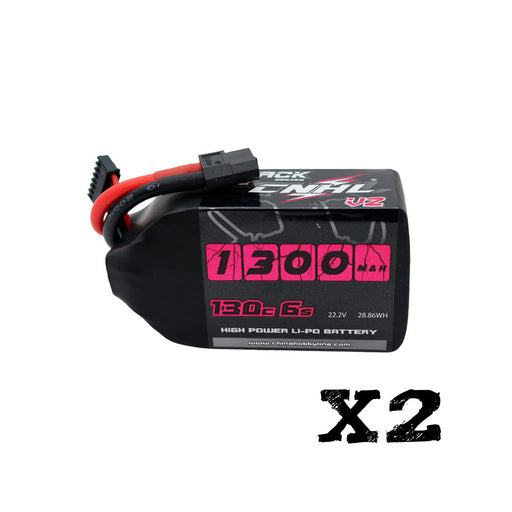
Hızlı Uyum Kontrolü XT60 Fişli 2'li CNHL Black Series V2.0 1300mAh 22.2V 6S 130C LiPo Pil, serbest stil, hızlı sinematik uçuş ve hafif performans s...
Tam detayları görüntüleYedek Parçalar ve Uzun Vadeli Destek RC pilotları için güvenilir yedek parça desteğinin, bir uçağı yıllarca uçurmaya devam etmenin önemli bir...
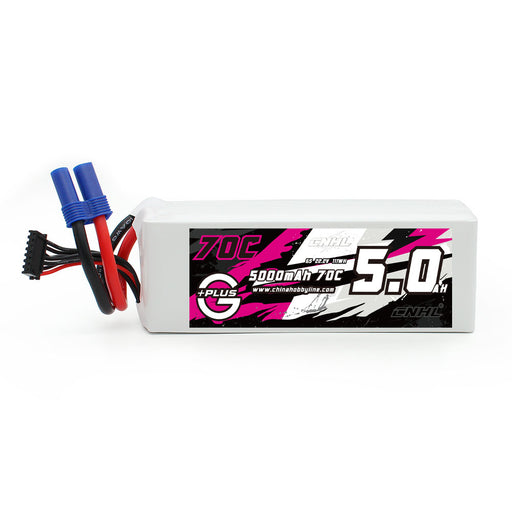
Tam detayları görüntüleÖzellikler: Stok Numarası: 500706EC5 Kapasite: 5000mAh Voltaj: 22.2V / 6-Hücre / 6S1P Deşarj Oranı: 70C Sürekli / 140C Ani Şarj Oranı: Maksimum 5...
Tam detayları görüntüle
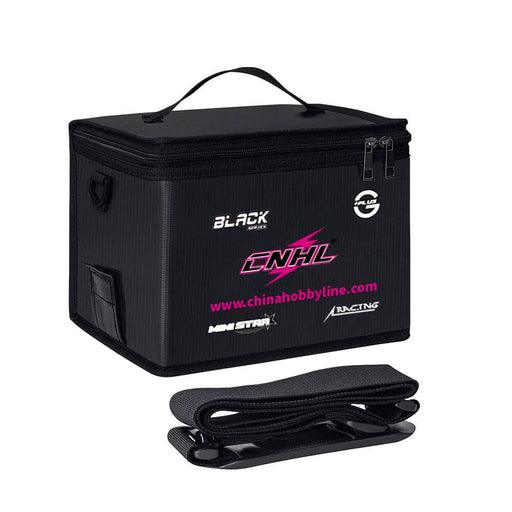
CNHL LiPo Pil Çantası, evde veya sahada daha güvenli LiPo şarjı, taşıma ve depolama için tasarlanmıştır. Pil arızası durumunda ısı, kıvılcım ve ale...
Tam detayları görüntüleHızlı Uyum Kontrolü 2 Paket CNHL Speedy Pizza Serisi Pro 1350mAh 6S 150C LiPo Pil XT60 Fişli, daha hafif, daha keskin ve daha tepki veren bir 6...
Tam detayları görüntüle

CNHL Long Range Series BAK 65E 6350mAh 21700 Li-ion pil hücresi, hafif silindirik bir hücreden maksimum depolanan enerjiyi elde etme gibi tek ve ne...
Tam detayları görüntüle

CNHL Long Range Series BAK 50D 5000mAh 21700 Li-ion pil hücresi, depolanan enerji ile kullanılabilir güç kapasitesi arasında güçlü bir denge gerekt...
Tam detayları görüntüle

ISDT C4 EVO, kompakt 10440 akülerden büyük 26700 hücrelere kadar AA, AAA ve silindirik şarj edilebilir hücreler için tasarlanmış çok yönlü bir akıl...
Tam detayları görüntüle

CNHL Long Range Serisi 6350mAh 21.6V 6S1P 21700 Li-ion batarya, altı BAK 65E yüksek enerjili hücreyi ultra uzun menzilli FPV, FPV kanatları ve veri...
Tam detayları görüntüle

CNHL Long Range Serisi 5000mAh 21.6V 6S1P 21700 Li-ion pil, altı BAK 50D hücresini kompakt bir 108Wh pakette birleştirir ve uzun menzilli FPV, FPV ...
Tam detayları görüntüle




Bir yorum bırakın