
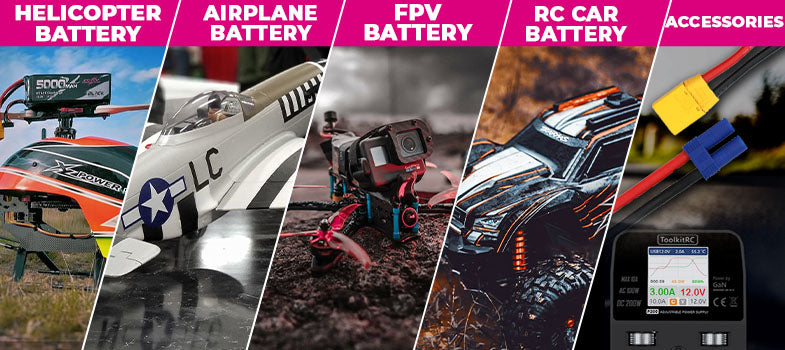
CNHL Lipo Batteries
CNHL aim at providing high-quality Li-Po batteries and RC products to all hobby enthusiasts with excellent customer services and competitive prices
So you’ve got an old LiPo battery on your bench. Maybe it’s puffy, maybe it barely takes a charge, or maybe it’s just tired and weak. The temptation is to toss it in the trash and forget it ever existed.
Don’t. A damaged or leftover LiPo is one of those “small things” that can turn into a very real fire hazard if it gets crushed, punctured, or shorted during handling.
Quick answer (the safe habit):
If you want the broader framework behind LiPo warning signs, battery lifespan, and safer ownership habits, start with the LiPo Battery Maintenance and Safety Guide.


Throwing a LiPo in the trash is risky for one simple reason: the pack can get crushed. If it shorts internally or the connector bridges against metal, you can trigger a fast, hot battery fire.
If you want a deeper “how fires start” breakdown, this internal guide helps: How to Keep LiPos from Burning Down Your House.
Also, recycling matters here because batteries contain useful metals and chemicals that shouldn’t end up leaking in landfills. But the main reason most hobbyists look this up is still the same: don’t create a fire scenario for yourself or for waste workers.
RC LiPos are the soft, shrink-wrapped pouch packs with:

Rule of thumb: treat any RC LiPo like a “high-energy item” until it’s prepared for recycling.
Goal: reduce the stored energy and eliminate short-circuit risk during transport.
Important: local recyclers can have different requirements. Some want packs discharged “low,” some want them fully dead. If your local facility has a rule, follow that.
Option A (best): controlled discharge with a hobby charger
Option B: discharge using a resistive load (light bulb / resistor)
Option C (common search term): LiPo disposal salt water method
People do this because it’s simple, but it’s also slow, messy, and not always the most controlled option. If you use it, treat it as a “last resort” method and give it time.

Do not try to “force-discharge” by shorting the leads. If you’re unsure, use the controlled methods above or call your local facility and follow their instructions.
WARNING: if your pack is swollen like a pillow, punctured, or leaking, treat it as unstable. In many cases, you should not attempt salt water or aggressive discharge methods.
This companion guide is worth reading if you’re dealing with puffed packs: Understanding Swollen LiPo Batteries: Why They Happen and What to Do.

Once the pack is ready for disposal, prevent shorts during the trip:
If you want a simple transport option, a LiPo-safe bag is a practical layer of protection: LiPo Safety Bag (Fireproof Storage & Transport).
Most people searching “where to dispose of LiPo batteries” or “LiPo disposal near me” just want a real drop-off point. Here are the most common options:

Non-US note (quick search phrasing): if you’re in Germany, searches like “LiPo Akku Entsorgung” or “Wertstoffhof Lithium Akku” usually get you to the right municipal page (queries like “Nuremberg / Nürnberg” show up in Search Console for a reason).
Good LiPo disposal isn’t complicated. The safe routine is: discharge (as required), tape, contain, and drop it at the right place. That’s it.
If you’re trying to get more life out of packs so you’re not disposing of them early, your charging/storage habits matter a lot. This guide is a good companion read: How to Charge and Store LiHV Batteries (Storage Voltage & Charging Guide).
And if you want the broader “which chemistry for what use case” overview, start here: RC Battery Chemistry Explained: LiPo vs LiHV vs Li-ion vs LiFe.
If you’re replacing a retired pack after disposal, you can browse: CNHL LiPo Batteries.
If you are trying to decide whether a battery is truly at end of life or just aging normally, read How Long Can an RC Battery Last?.
If you want to avoid sending batteries to disposal earlier than necessary, see Common LiPo Battery Mistakes That Kill Performance Early.
Don’t treat it like a normal “old pack.” Isolate it in a fire-resistant container, cover with sand/kitty litter, keep it away from flammables, and contact your local hazardous waste facility for instructions.
Start with your city/county hazardous waste site, then check big-box battery bins and hobby shops. If you’re in the US, a locator like Call2Recycle can help identify drop-off points.
It’s commonly used because it’s simple, but it’s slow and not the most controlled method. If you have a charger discharge/storage function or a safe resistive load method, those are usually cleaner options. For swollen/damaged packs, avoid salt water and follow hazardous waste guidance.
CNHL aim at providing high-quality Li-Po batteries and RC products to all hobby enthusiasts with excellent customer services and competitive prices
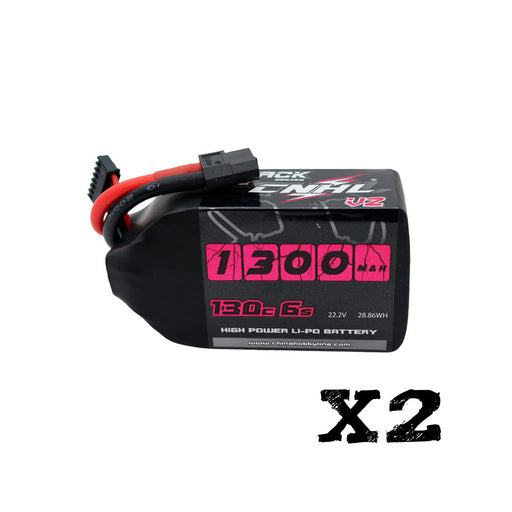
Quick Fit Check The 2 Packs CNHL Black Series V2.0 1300mAh 22.2V 6S 130C LiPo Battery with XT60 Plug is a strong fit for FPV pilots who want a prov...
View full detailsSpare Parts & Long-Term Support We know that for RC pilots, reliable spare parts support is an important part of keeping an aircraft fl...
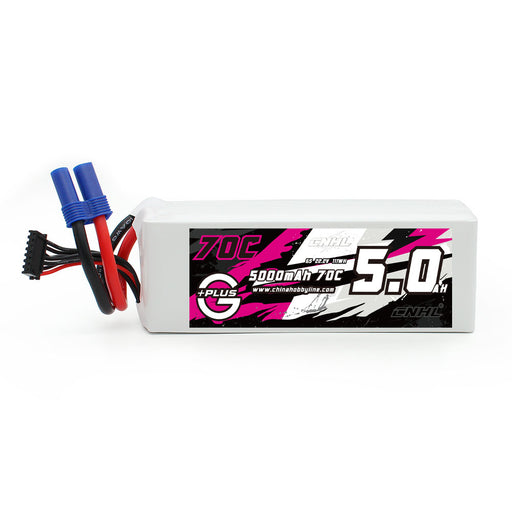
View full detailsSpecifications: Stock Number: 500706EC5 Capacity: 5000mAh Voltage: 22.2V / 6-Cell / 6S1P Discharge Rate: 70C Continual / 140C Burst Charge Rate: ...
View full details
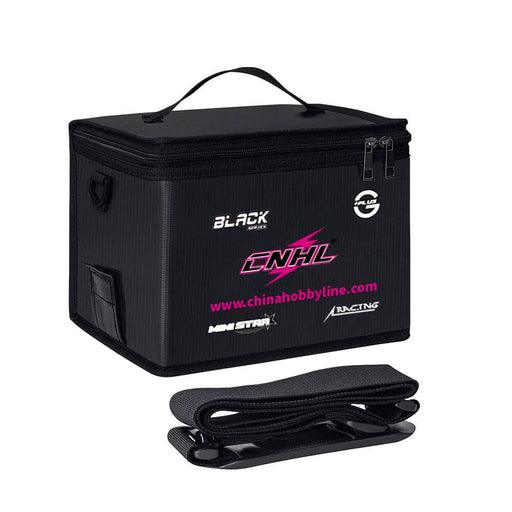
The CNHL LiPo Battery Bag is designed for safer LiPo charging, transport, and storage at home or at the field. It adds a practical layer of protect...
View full detailsQuick Fit Check The 2 Packs CNHL Speedy Pizza Series Pro 1350mAh 6S 150C LiPo Battery with XT60 Plug is built for 5-inch FPV pilots who want a ...
View full details

The CNHL Long Range Series BAK 65E 6350mAh 21700 Li-ion battery cell is built around one clear priority: maximum stored energy from a lightweight c...
View full details

The CNHL Long Range Series BAK 50D 5000mAh 21700 Li-ion battery cell is designed for custom high-energy battery packs that need a strong balance be...
View full details

The ISDT C4 EVO is a versatile smart battery charger built for AA, AAA and cylindrical rechargeable cells from compact 10440 batteries all the way ...
View full details

The CNHL Long Range Series 6350mAh 21.6V 6S1P 21700 Li-ion battery combines six BAK 65E high-energy cells into a 137.16Wh pack designed for ultra-e...
View full details

The CNHL Long Range Series 5000mAh 21.6V 6S1P 21700 Li-ion battery combines six BAK 50D cells into a compact 108Wh pack designed around long-range ...
View full details




Comments
Leave a comment