
CNHL Lipo Batteries
CNHL aim at providing high-quality Li-Po batteries and RC products to all hobby enthusiasts with excellent customer services and competitive prices
Most FPV and RC pilots know, at least in theory, that you should never overcharge a LiPo. But theory is one thing. Watching a fully loaded pack erupt into a fireball right in front of you is something else entirely.
Recently, a group of pilots decided to spend a “normal day at the studio” deliberately pushing a couple of fresh LiPo packs way beyond their rated voltage—on camera. One pack burst into flames on the bench. Another one was strapped to a quad and flown hard while still overvolted. The footage is wild, but the lessons behind it are even more important.
If you want the broader framework behind LiPo warning signs, battery lifespan, and safer handling habits, start with the LiPo Battery Maintenance and Safety Guide.

The day didn’t start with drama. The crew just rolled into the studio, unpacked gear, and tossed around ideas for what to film. Then someone suggested the kind of idea that sounds funny at first and terrifying in hindsight: “What if we overcharge a LiPo pack and see what happens?”
On paper, it sounded like a controlled experiment. Brand new packs. Indoor setup. Fire extinguishers. Cameras rolling. Nobody really believed anything catastrophic would happen. After all, how bad can it be to push a fresh pack a bit over its rated voltage, just this one time, in a “safe” environment?
Within a few minutes, everyone’s attitude changed completely.

They did at least try to be “responsible” about it. Before touching a battery, the team went out and bought fire extinguishers. They laid down cardboard and set the packs on a wooden table, believing that if anything went wrong, it would be easier to manage the fire there than on the cluttered studio floor.
Two packs went on the chargers: a 4S and a 6S. The plan was to bring them up to normal full charge first, then keep pushing the voltage higher. Everyone stood around watching the display creep up while pretending to be relaxed, joking about how “it’ll probably be fine.”
But LiPos don’t care about jokes, or about the fact that this is “just content” for a video. They only care about chemistry and physics.
As the voltage crept past normal values, the signs started showing:
At that point, everyone knew they were in the danger zone. Someone reached in to feel the pack, someone else hesitated with the charger, and then it happened: the battery violently vented and turned into a spray of flames and smoke.
The fireball shot up faster than anyone expected. For a moment, it looked like the entire table—and everything on and around it—might be lost. Fire extinguishers finally did their job, but not before everyone got a harsh, physical reminder: an abused LiPo doesn’t just “fail.” It explodes with energy that was meant to keep your aircraft in the air.

As if one bench fire wasn’t enough, the team decided to take the experiment further. Another pack was charged well beyond normal levels and mounted on an FPV quad. The idea was to see how an overcharged pack behaves in flight, and whether they could “use up” the extra voltage in the air before something disastrous happened.
The voltage reading was already way past the usual comfort zone. Yet the quad armed just fine. Once in the air, it felt wrong in all the ways that look impressive in a video and horrifying if it’s your own build:
At one point, one of the pilots literally held another pilot’s finger on full throttle, forcing the quad to stay pinned while the pack was hammered as hard as possible. The voltage sagged aggressively, but the damage was already done. By the time the quad came back in, the battery was badly stressed, physically chewed up, and effectively destroyed.
It made for exciting footage. It would make for a terrible day if that pack had decided to fail mid-arm while someone was leaning over the quad to plug it in.
The experiment didn’t teach experienced pilots anything “new” about chemistry. What it did do is put a very visual, very loud confirmation on things many people already know but don’t always take seriously:
If a group of experienced pilots can be surprised by how violent a LiPo fire is, it’s very easy for a casual user at home to underestimate the same risks.
Every chemist and engineer will have their own highly technical way to explain it, but for everyday flying there’s a simple rule of thumb:
In the video experiment, the pack was pushed significantly over 5V per cell. At that point, you’re no longer “charging a battery.” You’re forcing it into a runaway condition where heat, pressure, and internal reactions all start to feed on each other.
The key takeaway is simple: if your charger, pack, or routine suggests going above the manufacturer’s specified voltage, that’s not an upgrade—it’s a hazard.
Stripping away the jokes and shock value, there are several practical reminders that every FPV and RC pilot can take from this kind of test:
Most experienced pilots already know these points. The problem is that they’re easy to forget when nothing has gone wrong yet. Watching a pack erupt on a bench is a powerful reminder of why the rules exist in the first place.
If a pack is clearly damaged, swollen, or no longer safe to trust, follow this LiPo battery disposal and recycling guide.

No accessory can completely remove the risk of a LiPo failure, but some gear makes a very real difference in how contained that failure is. One of the most straightforward upgrades is a proper fire-resistant storage and charging bag designed for LiPo packs.
A good LiPo safe bag won’t magically make a bad pack good again, but it can:
If you’re routinely charging indoors, near your workbench, computer, or radio gear, a dedicated bag is one of the easiest safety layers you can add. You can find a purpose-built option like the CNHL LiPo safe fireproof and explosion-resistant charge & storage bag , which is designed to be used both while charging and while storing packs between sessions.
It’s not about being paranoid. It’s about respecting how much energy a LiPo carries and giving yourself a margin of safety if something ever does go wrong.
The video experiment shows the ugly side of pushing a battery far beyond its limits. In real flying, performance doesn’t come from abusing chemistry. It comes from using the right pack, within its specs, and building a system that works as a whole.
For most FPV rigs, that means:
Brands that take their cell matching and quality control seriously focus on delivering consistent voltage under load, not chasing unsafe numbers on a charger screen. That’s where true performance lives—inside the intended operating window, not beyond it.
For the broader habit-side picture behind early battery damage, read Common LiPo Battery Mistakes That Kill Performance Early.
Not every tiny change in shape means a pack is done, but obvious or repeated puffing is a serious warning sign. If a pack feels noticeably swollen, stays that way after cooling, or has a strange sweet or chemical smell, it’s safer to retire it than to gamble on one more flight.
For standard LiPos, anything beyond 4.20V per cell is outside the intended design range. A few extra hundredths of a volt will not transform your flying, but over time it can degrade the pack and increase risk. If you want higher end-of-charge voltage, use LiHV packs that are specifically rated for 4.35V and charge them accordingly.
Being present is better than leaving packs unattended, but it’s still wise to control the environment. Charging on a nonflammable surface, inside a LiPo safe bag , with a fire extinguisher nearby, is a much better setup than tossing them on the couch or a wooden shelf.
New packs generally have lower internal resistance and better performance, but that doesn’t make them more tolerant of abuse like overcharging or physical damage. In fact, because they can deliver more current, they often release more energy when something goes wrong. Treat new and old packs with the same level of respect.
Watching someone else intentionally overcharge a LiPo until it explodes is entertaining in a controlled setting, but the only reason it’s fun to watch is because it’s not happening in your own workshop.
The lesson is clear: LiPos are incredible tools when used correctly, and dangerous when abused. Staying within proper voltage limits, charging with care, and adding simple protections like a LiPo safe bag all stack the odds in your favor.
Fly hard, experiment with builds, chase that perfect line—but give the batteries that power it all the respect they deserve.
For pilots who want dependable power without pushing their packs beyond safe limits, there's a full range of FPV-ready batteries designed for consistent performance. You can find them here: FPV drone batteries .
CNHL aim at providing high-quality Li-Po batteries and RC products to all hobby enthusiasts with excellent customer services and competitive prices
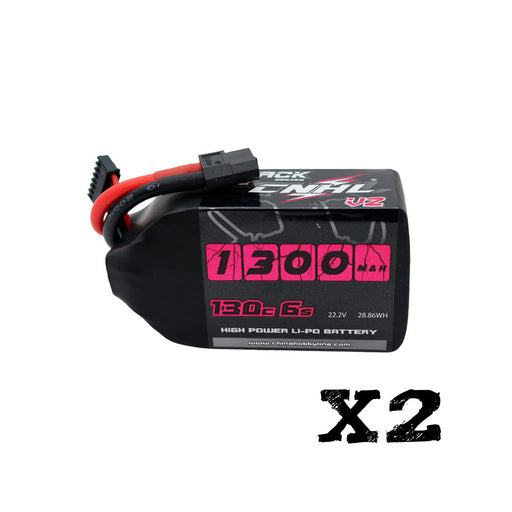
Quick Fit Check The 2 Packs CNHL Black Series V2.0 1300mAh 22.2V 6S 130C LiPo Battery with XT60 Plug is a strong fit for FPV pilots who want a prov...
View full detailsSpare Parts & Long-Term Support We know that for RC pilots, reliable spare parts support is an important part of keeping an aircraft fl...
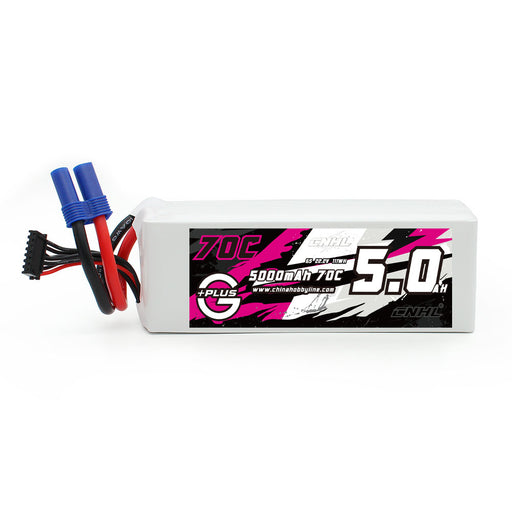
View full detailsSpecifications: Stock Number: 500706EC5 Capacity: 5000mAh Voltage: 22.2V / 6-Cell / 6S1P Discharge Rate: 70C Continual / 140C Burst Charge Rate: ...
View full details
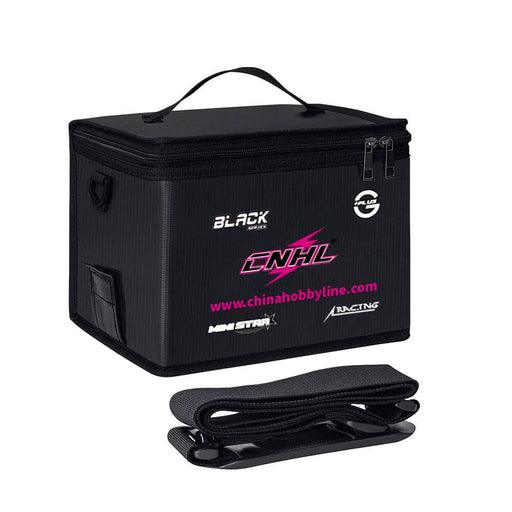
The CNHL LiPo Battery Bag is designed for safer LiPo charging, transport, and storage at home or at the field. It adds a practical layer of protect...
View full detailsQuick Fit Check The 2 Packs CNHL Speedy Pizza Series Pro 1350mAh 6S 150C LiPo Battery with XT60 Plug is built for 5-inch FPV pilots who want a ...
View full details

The CNHL Long Range Series BAK 65E 6350mAh 21700 Li-ion battery cell is built around one clear priority: maximum stored energy from a lightweight c...
View full details

The CNHL Long Range Series BAK 50D 5000mAh 21700 Li-ion battery cell is designed for custom high-energy battery packs that need a strong balance be...
View full details

The ISDT C4 EVO is a versatile smart battery charger built for AA, AAA and cylindrical rechargeable cells from compact 10440 batteries all the way ...
View full details

The CNHL Long Range Series 6350mAh 21.6V 6S1P 21700 Li-ion battery combines six BAK 65E high-energy cells into a 137.16Wh pack designed for ultra-e...
View full details

The CNHL Long Range Series 5000mAh 21.6V 6S1P 21700 Li-ion battery combines six BAK 50D cells into a compact 108Wh pack designed around long-range ...
View full details




Leave a comment