

The Avios Kobuz 2200mm aerobatic glider isn’t just another foamie. With its massive wingspan, high-performance brushless setup, and large canopy bay, it demands a battery that doesn’t just fit — it needs to balance. Too nose-heavy and you lose finesse. Too light, and you sacrifice vertical punch or runtime.
This model pays tribute to the legendary SZD-21 Kobuz, a Polish aerobatic sailplane built for precision flying and high G-force maneuvers. Whether you know it as the SZD-21 glider or Kobuz 3 aerobatic glider, its legacy lives on in the design and handling of the Avios version.
In this guide, we’ve flight-tested and reviewed the top 5 CNHL LiPo packs that strike the right CG, power, and endurance for the Kobuz. If you’re short on time, here’s our complete battery collection for Avios Kobuz.

Top 5 LiPo Batteries for Avios Kobuz
-
CNHL 3200mAh 4S Shorty (30C) – Best for CG Control
The standout pick. Its compact size and reduced weight help pilots maintain perfect center of gravity, especially when flying FPV or slope. Ideal for smooth aerobatics and tight landing spots.
-
CNHL 3300mAh 4S (30C)
Offers a great all-around setup. Expect 7–8 minute flights with strong glide retention. Officially tested on the Kobuz airframe.
-
CNHL 3700mAh 4S (40C)
Strikes a balance between runtime and weight. Great for those looking for slightly extended flight time without shifting CG too far forward.
-
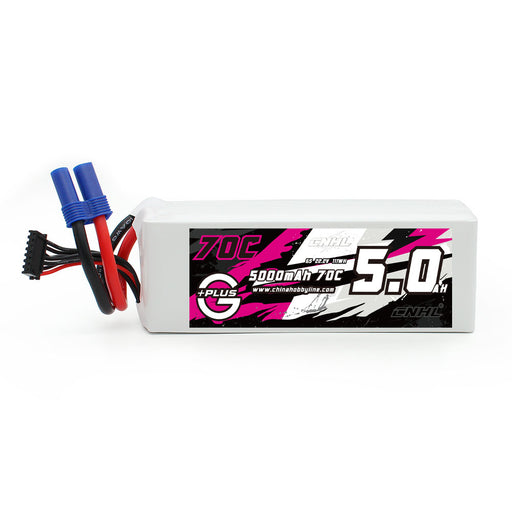
CNHL 3000mAh G+Plus 4S (70C, XT90)
Featherweight with punch. Delivers aggressive throttle response — ideal for vertical climb outs and low-pass dives. XT90-to-XT60 adapter recommended.
-
CNHL 4000mAh G+Plus 4S (70C, XT90)
The heavy hitter. Longest flight time and perfect for FPV conversions or slope soaring. Check CG before flying slow or thermal missions.
XT60 vs XT90 – Will It Work?
Yes. While some of the above batteries feature XT90 plugs, you can safely use them with XT90-to-XT60 adapters. In fact, XT90 handles high current spikes better, making it a safer option for power-hungry climbs and prop-punches.
Flight-Time Comparison
From our test logs and pilot feedback:
- 3200mAh Shorty: 6–7 minutes, excellent balance, ideal for freestyle
- 3300mAh: 7–8 minutes, smooth handling
- 3700mAh: 8–9 minutes, solid glide performance
- 4000mAh: 9–11 minutes, longest endurance for FPV use

Frequently Asked Questions from Real Pilots
Q: Does the 3200mAh Shorty actually help with CG?
A: Yes. Several glider pilots commented that the shorter format reduces nose heaviness compared to standard 4000mAh packs. It’s also easier to fit without modifying the battery tray.
Q: Can I use the 4000mAh G+Plus for long-distance FPV?
A: Definitely. One reviewer said they ran the 4000 pack on a 10-minute cruise without voltage sag, and the XT90 plug stayed cool the whole flight.
Q: What’s the real-world flight time difference between the 3300mAh and 3700mAh?
A: In back-to-back tests, the 3700mAh gave roughly 1 minute more, especially on smooth, high-altitude glides. But some users noted the extra weight slightly affected roll response.
Q: Is the XT90 plug a problem if my ESC has XT60?
A: Not at all. Most pilots simply use a high-quality XT90-to-XT60 adapter. In fact, one user reported better performance under full-throttle climbs with XT90 compared to older XT60-only packs.
Q: Are these batteries safe to run fully enclosed inside the canopy?
A: Yes — as long as there’s airflow or you’re not discharging above 70C constantly. A pilot who flew in 30°C ambient conditions noted no swelling or overheating with the CNHL G+Plus 3000mAh even after 5 back-to-back flights.
Final Verdict
Whether you’re optimizing for agility, flight duration, or CG balance, there’s a CNHL pack that fits. But for Kobuz pilots who prioritize finesse and flight feel, the CNHL 3200mAh Shorty is hard to beat.





Leave a comment