
CNHL Lipo Batteries
CNHL aim at providing high-quality Li-Po batteries and RC products to all hobby enthusiasts with excellent customer services and competitive prices

So, you’ve picked out your dream RC car. You're ready to rip, but hold on—you have to choose a battery first, and that decision is just as important as the car itself. One of the first things you'll have to figure out is whether to go with a "hard case" or a "soft case" LiPo battery. This choice isn't just about how it looks; it affects your car's performance, how long the battery lasts, and most importantly, your safety. Let's break it down so you can pick the right one.

A hard case LiPo battery is exactly what it sounds like. The delicate battery cells inside are wrapped in a tough, rigid plastic shell. Think of it like a suit of armor for your power source. This tough outer case is designed to take a beating, protecting the sensitive stuff inside from all the bumps, crashes, and tumbles that come with a fun day of driving. It’s built for the rough-and-tumble RC world.

A soft case LiPo battery is the total opposite. The battery cells are just wrapped in a thin layer of plastic shrink-wrap, kind of like a foil pouch. If a hard case is a suit of armor, a soft case is like a lightweight t-shirt. It offers very little protection but gives you maximum performance and flexibility.

To make it super simple, let's put them next to each other and see how they stack up.
| Feature | Hard Case LiPo | Soft Case LiPo |
| Protection | Awesome | Not great |
| Weight | Heavier | Lighter |
| Cost | More expensive | Cheaper |
| Flexibility | Not very (standard sizes) | Very (tons of shapes/sizes) |
| OK for Car Races? | Yes (usually required) | Nope |
| Best For | RC Car Racing, Off-Road Fun | RC Airplanes, Drones, Custom Builds, Rock Crawlers |
| Main Advantage | Toughness & Safety | Performance & Light Weight |
The right battery for you depends completely on what you plan to do. It’s not about which one is "better," but which one is better for you.


In the great debate between hard case and soft case LiPos, there's no one-size-fits-all answer. One isn't better than the other; they're just built for different jobs. A hard case is your tough, safe, and race-ready choice for any car or truck you're driving on the ground. A soft case is your lightweight, high-performance pick for anything that flies or for special projects. Now that you know the difference, you can pick the perfect battery to power up your fun.
CNHL aim at providing high-quality Li-Po batteries and RC products to all hobby enthusiasts with excellent customer services and competitive prices
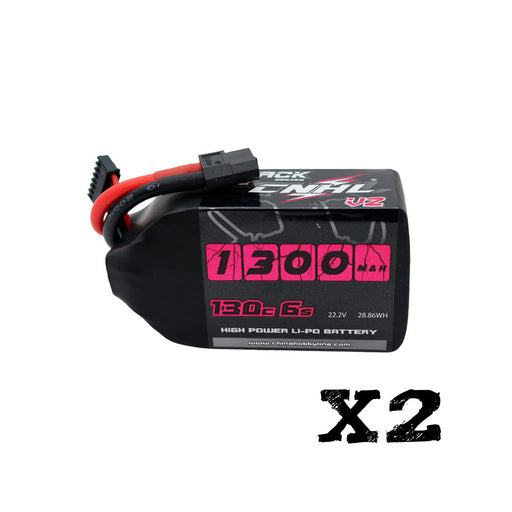
Quick Fit Check The 2 Packs CNHL Black Series V2.0 1300mAh 22.2V 6S 130C LiPo Battery with XT60 Plug is a strong fit for FPV pilots who want a prov...
View full detailsSpare Parts & Long-Term Support We know that for RC pilots, reliable spare parts support is an important part of keeping an aircraft fl...
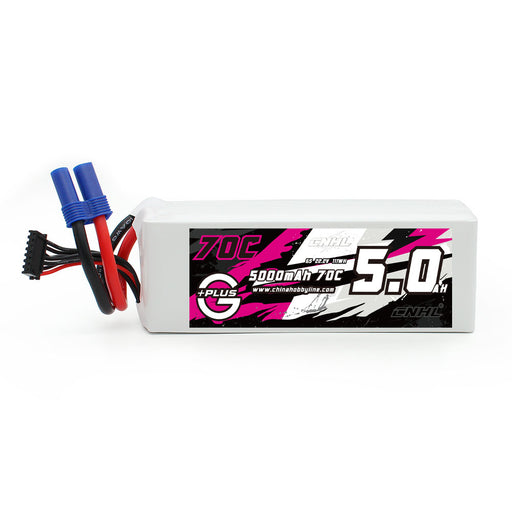
View full detailsSpecifications: Stock Number: 500706EC5 Capacity: 5000mAh Voltage: 22.2V / 6-Cell / 6S1P Discharge Rate: 70C Continual / 140C Burst Charge Rate: ...
View full details
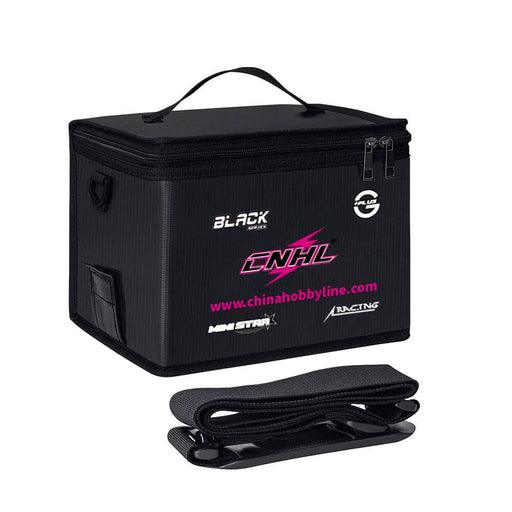
The CNHL LiPo Battery Bag is designed for safer LiPo charging, transport, and storage at home or at the field. It adds a practical layer of protect...
View full detailsQuick Fit Check The 2 Packs CNHL Speedy Pizza Series Pro 1350mAh 6S 150C LiPo Battery with XT60 Plug is built for 5-inch FPV pilots who want a ...
View full details

The CNHL Long Range Series BAK 65E 6350mAh 21700 Li-ion battery cell is built around one clear priority: maximum stored energy from a lightweight c...
View full details

The CNHL Long Range Series BAK 50D 5000mAh 21700 Li-ion battery cell is designed for custom high-energy battery packs that need a strong balance be...
View full details

The ISDT C4 EVO is a versatile smart battery charger built for AA, AAA and cylindrical rechargeable cells from compact 10440 batteries all the way ...
View full details

The CNHL Long Range Series 6350mAh 21.6V 6S1P 21700 Li-ion battery combines six BAK 65E high-energy cells into a 137.16Wh pack designed for ultra-e...
View full details

The CNHL Long Range Series 5000mAh 21.6V 6S1P 21700 Li-ion battery combines six BAK 50D cells into a compact 108Wh pack designed around long-range ...
View full details




Leave a comment