








What do drift drivers actually use?
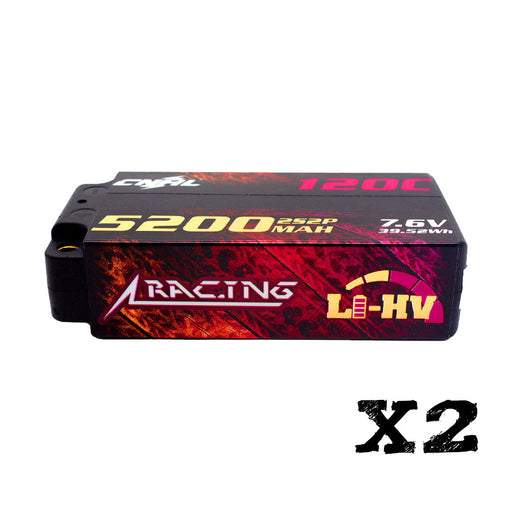
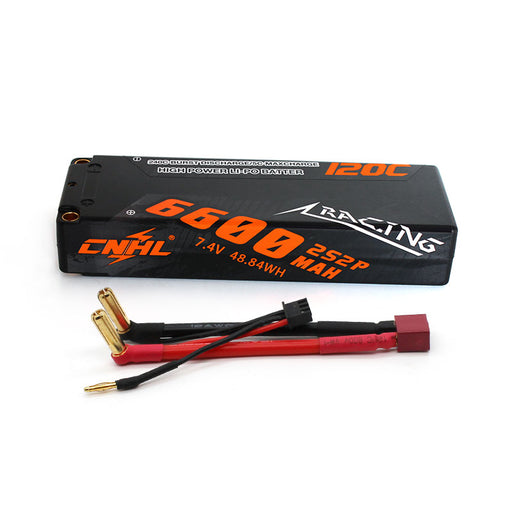
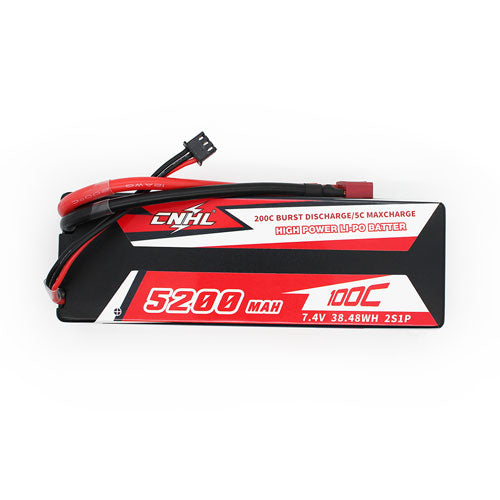
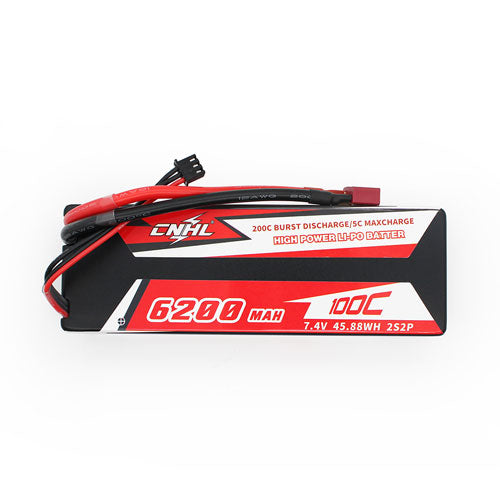
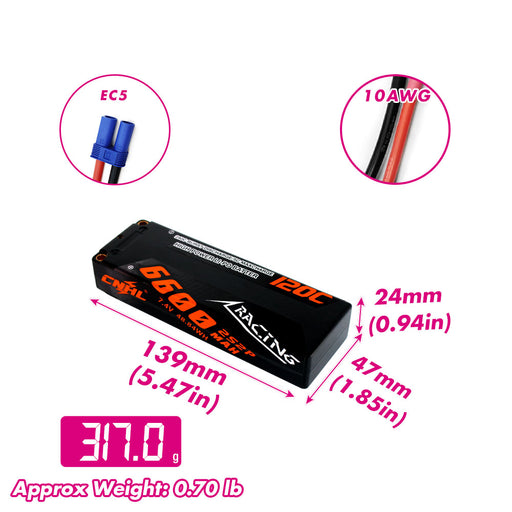
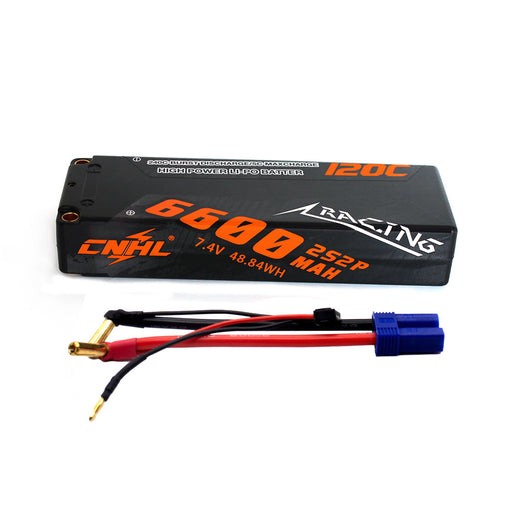
Walk through any RC drift meet and you’ll notice a pattern—most cars are powered by 2S LiPo batteries. They deliver smooth, controllable torque that makes throttle work easier. More and more drivers also choose 2S LiHV drift packs for that little extra firmness mid-run, especially when they don’t want wheel speed fading late in a chase.
Shorty vs. Stick packs: two different feels
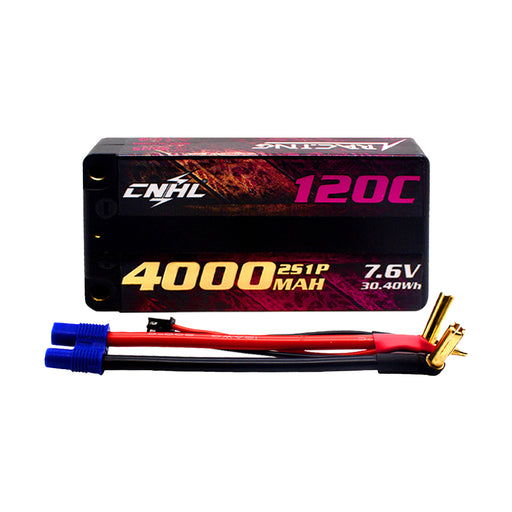
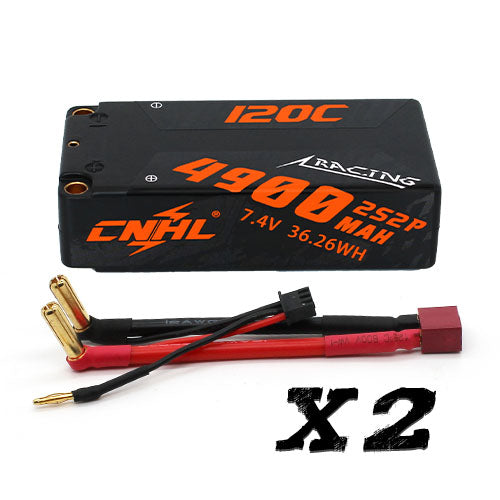
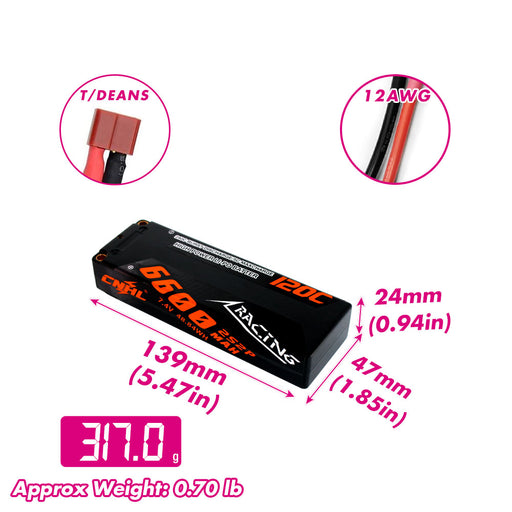
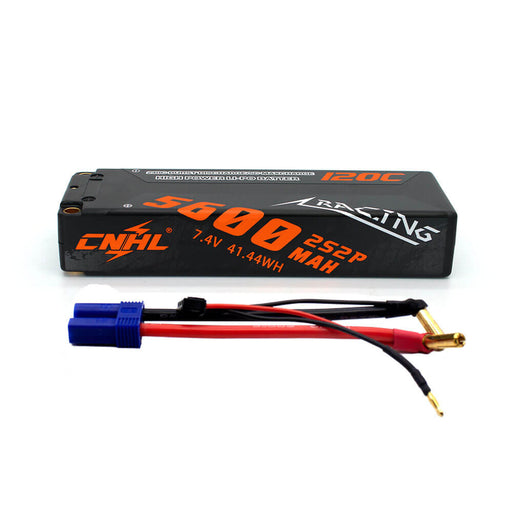
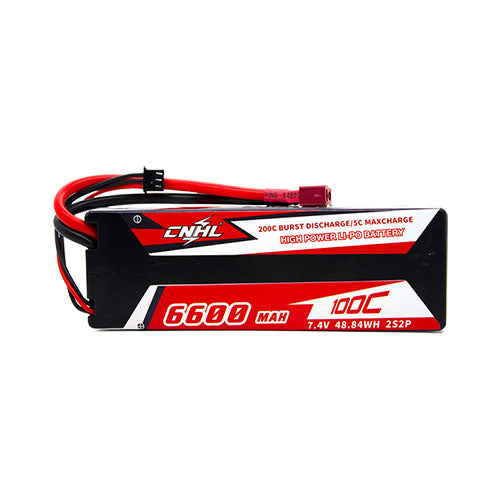
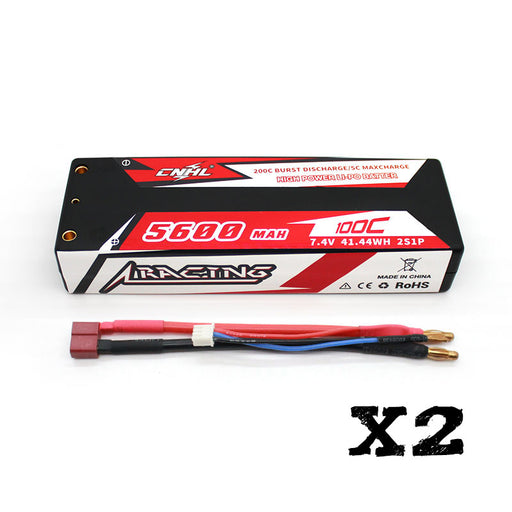
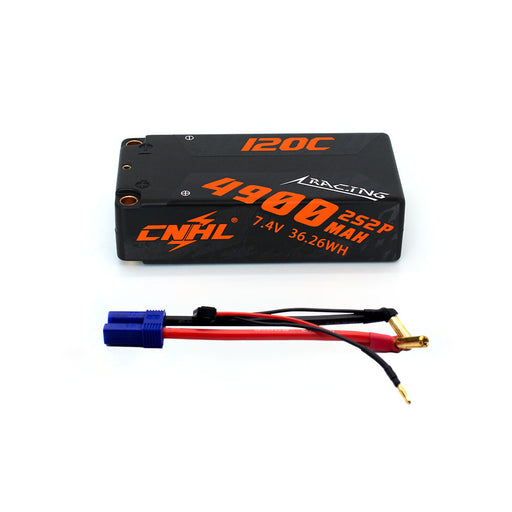
It’s one of those debates you hear all the time. Shorty drift batteries give lighter weight and more freedom to shift balance, making cars like Yokomo YD-2 or MST RMX rotate sharper. Stick packs bring the steady, predictable feel many HPI Sprint 2 Drift and Sakura owners trust. Neither is “better”—it depends on whether you like agile rotation or a planted base.
2S LiPo vs. 2S LiHV: when LiHV makes a difference
If you’ve ever felt your throttle go soft halfway through a run, that’s where 2S LiHV batteries stand out. They hold voltage a touch higher all the way through, so your car keeps pace and angle without dropping off. For most drivers, it’s the easiest upgrade before even thinking about 3S.
Why low IR beats chasing big C numbers
Packs with 100C or 120C printed on the label look impressive, but in drifting, low IR drift batteries tell the real story. Low internal resistance keeps the voltage curve flat, so long link-ups stay smooth. It feels more like a freshly greased throttle cable than a spec sheet number.
Fitment & connectors
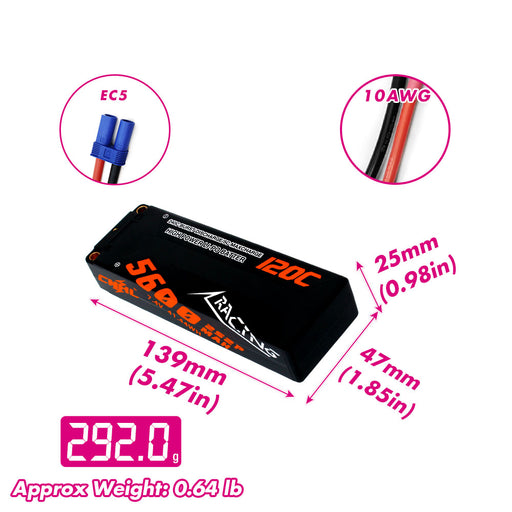
Take a look at your chassis tray first. Yokomo and MST builds are often designed for shorties, while older HPI and Sakura cars expect stick packs. Connectors like Deans (T-plug) and XT60 remain the most common choices, making swaps reliable and simple.
Upgrade path: how most drivers progress
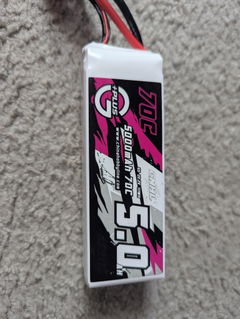
- Beginner: start with a 4000–5000mAh 2S LiPo, mid C rating, safe and steady.
- Intermediate: move to a 2S shorty drift pack with lower IR, or try 2S LiHV for mid-run consistency.
- Competition: chase lighter weight and lower IR, manage temps carefully, and stick to strict charge/storage routines for repeatable throttle feel.
Related collections
Explore more here: CNHL RC Car Batteries, 2S LiPo Batteries, and 2S LiHV Batteries.
Charging & care tips
Balance charge every cycle, use 1–2C unless your pack and charger allow more, and store around 3.8V/cell. Avoid running them flat—let them rebound above 3.5V/cell. Drivers with MST or Yokomo setups often say a good routine keeps throttle feel sharp for months.
Why upgrading the battery comes first
Plenty of drift drivers will tell you: motors and ESCs matter, but swapping in a solid 2S drift pack usually transforms the car more than anything else. With steady power and consistent feel, you spend less time fighting sagging voltage and more time enjoying smooth, connected slides.