




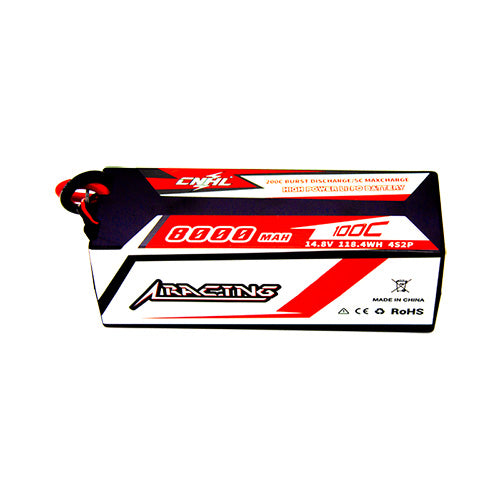

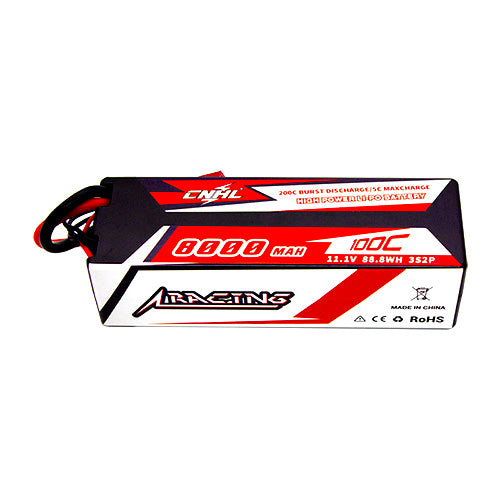

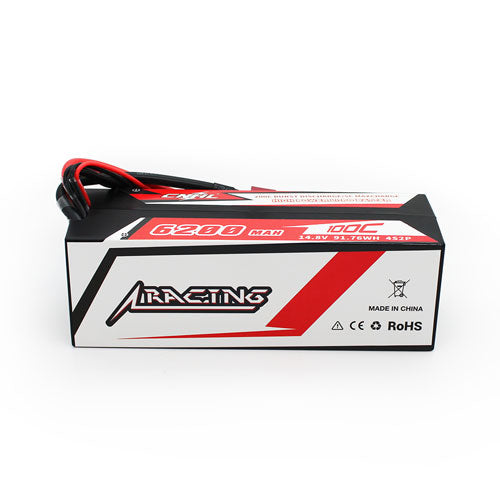

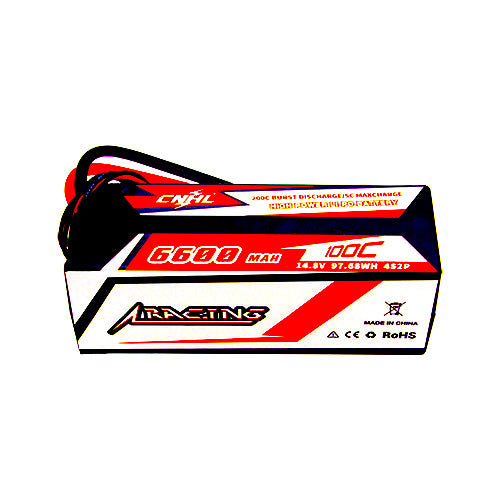
What actually works in a 1/8 truggy?
Modern builds usually run 4S LiPo or 6S LiPo. The choice isn’t about “better”—it’s about feel and layout. 4S keeps things nimble; 6S brings headroom for long straights, heavy tires, and bash sessions.
How 4S vs 6S feels on track
On 4S the throttle is smooth and precise—perfect for carving lines. On 6S the truck hits like a wild animal: harder launches, more wheel speed, and that grin-inducing top end. Racers usually stay 4S; bashers often swear by 6S.
Capacity, weight, and runtime
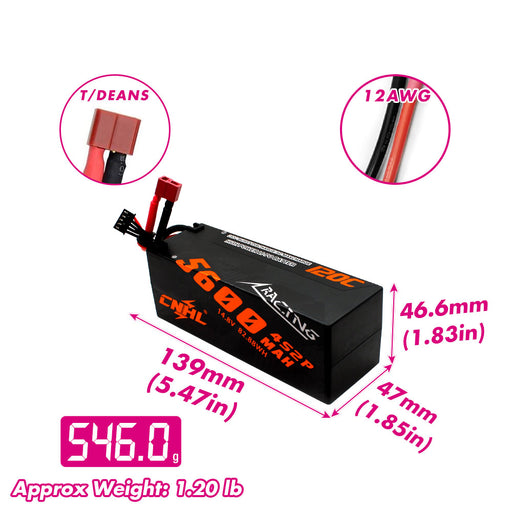
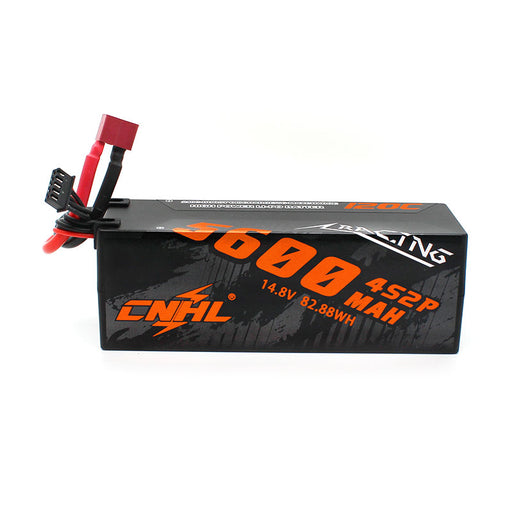
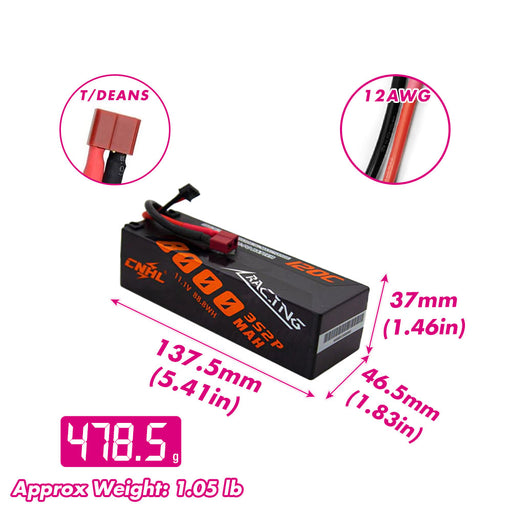
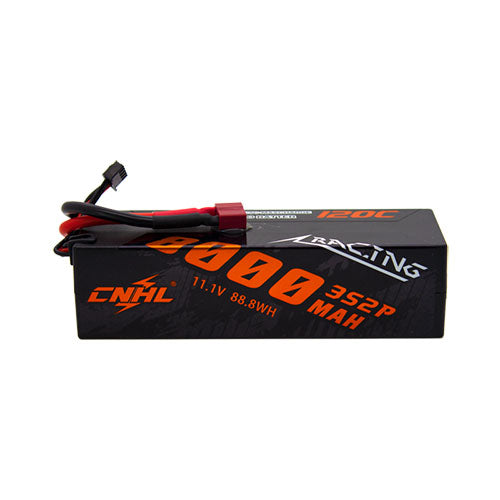
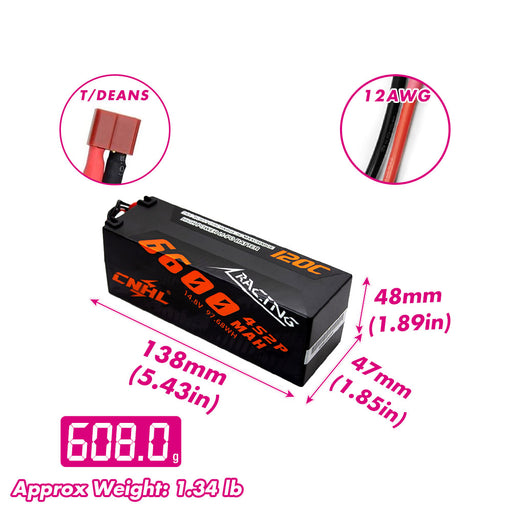
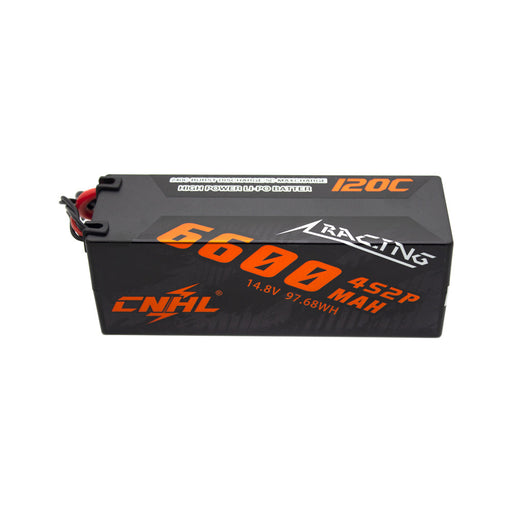
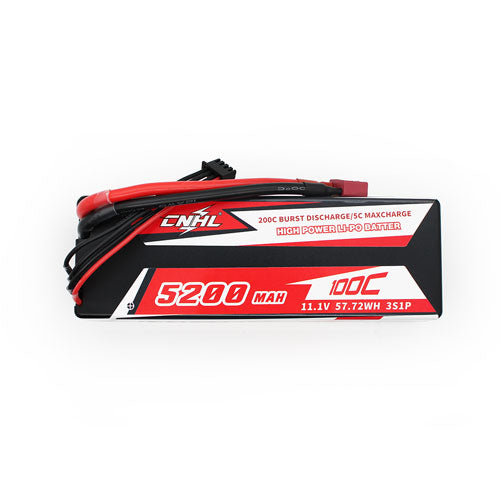
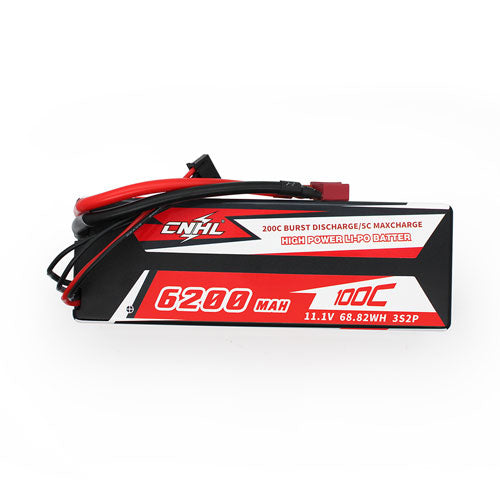
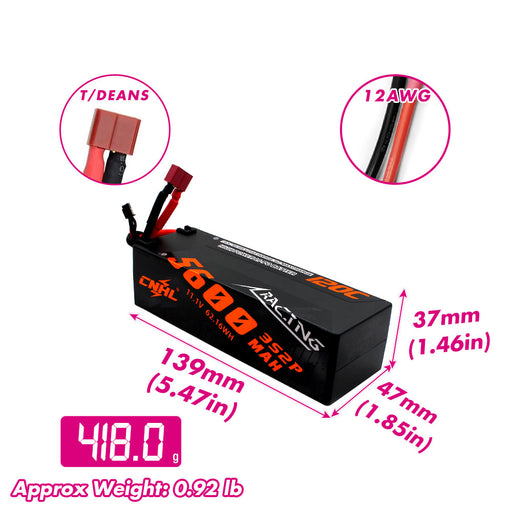
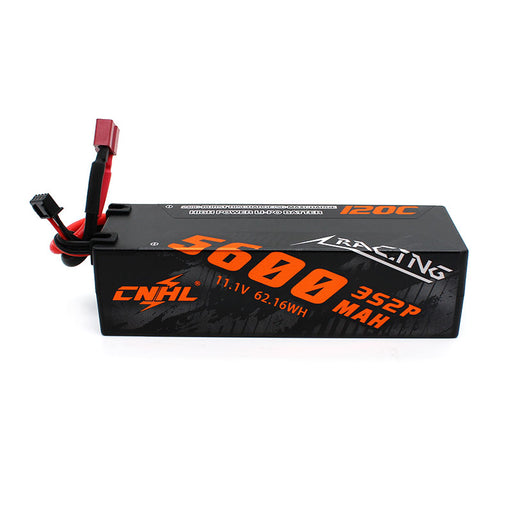
The practical window is 5000–9500mAh. Around 5000–6000mAh keeps weight in check for mains; 6500–9500mAh stretches runtime for practice and big-air days. Balance endurance against how lively you want the chassis to feel.
Connectors & fitment
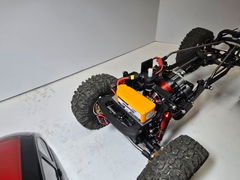
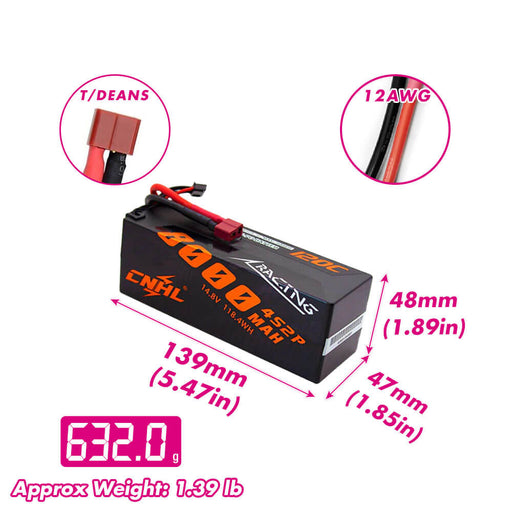
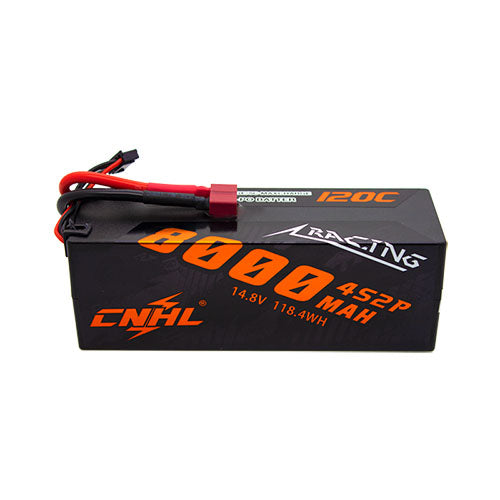
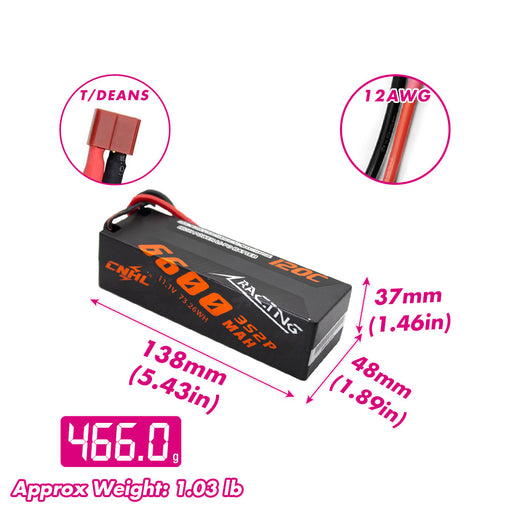
Most setups use EC5, XT90, or QS8; lighter builds may run T/Dean. Check tray height and lead routing—some 6S options are a tight fit, and shorter leads help keep temps under control.
Popular chassis & typical pairings
Losi 8IGHT-T, Team Associated RC8T4, Tekno ET48, Mugen MBX8T, XRAY XT8, and Kyosho Inferno ST-RR Evo all reward low-IR packs. Competitive drivers gravitate to 4S 5000–6000mAh; fun-run builds often step to 6S 6000–9500mAh for extra punch.
HPI Trophy Truggy Flux owners, take note
Looking for a battery for the HPI Trophy Truggy Flux? A 4S 5000–6000mAh setup feels balanced and race-like. For bigger jumps and longer sessions, 6S is common—usually dual 3S hardcase in series, with low IR to prevent mid-run sag.
Why truggies sit between buggies and monster trucks
They’re the hybrids of off-road RC—heavier and more planted than a buggy, but far less brick-like than a monster truck. That’s why 4S and 6S truggy batteries hit the sweet spot: enough current to muscle a big chassis, without turning the truck dull or sluggish.
Related collections
Explore more: CNHL RC Car Batteries, 4S LiPo Batteries, 6S LiPo Batteries.
RC Truggy vs Buggy vs Monster Truck Batteries
Each class has its own personality—and the battery choice follows that personality:
| Category | Typical Scale | Common Voltage | Capacity Range | On-track vibe |
|---|---|---|---|---|
| Buggy | 1/10 & 1/8 | 2S–4S LiPo | 4000–6000mAh | Light and twitchy. Small packs keep direction changes crisp and fun. |
| Truggy | Mostly 1/8 | 4S–6S LiPo | 5000–9500mAh | The middle ground. 4S for silky control; 6S for beast-mode torque and longer runs. |
| Monster Truck | 1/8 & 1/5 | 6S–8S LiPo | 6000–10000mAh+ | Brute force. Big bricks, big connectors, built for wheelies and long, rowdy runs. |
That’s why RC truggy batteries often get called the sweet spot—more muscle than buggy packs, less bulk than monster truck bricks.
RC Truggy Battery FAQ
4S or 6S—how should I choose?
Ask what feel you want. 4S keeps the truck light with silky throttle—great for tight, technical tracks. 6S brings explosive torque and higher top speed for big layouts and bashing. Both work; the track and your style decide.
Can I use 2S or 3S packs?
Not as single packs in a heavy 1/8 chassis, but you can series them: 2 × 2S = 4S and 2 × 3S = 6S. Racers usually prefer a single 4S hardcase; bashers commonly run dual-3S for 6S power.
What capacity hits the sweet spot?
5000–9500mAh. Around 5000–6000mAh keeps mains lively and light; 6500–9500mAh stretches runtime for practice and big-air days. Too large and the extra weight dulls the chassis.
Which connectors make sense?
EC5, XT90, and QS8 handle truggy current well. XT60 shows up on lighter builds, but most 1/8 setups benefit from beefier plugs to keep temps in check.
Any tips for HPI Trophy Truggy Flux owners?
Plenty of drivers like a 4S 5000–6000mAh for a balanced, race-like feel. Want more punch and runtime? Go 6S—typically with dual 3S hardcase packs—and choose low-IR cells so the power doesn’t fade mid-run.