






























Why the Right Battery Wins SCT Races
On a short course track, tiny details decide the race—how clean you exit the apex, how smooth you flow through the jumps, and how early you can get back on the throttle. The right battery keeps its voltage steady even when you’re hard on power, so launches feel strong, lap times stay consistent, and your electronics finish cool instead of overheated.
Recommended Specs for 1/10 & 1/8 SCT
SCT Battery Ranges at a Glance
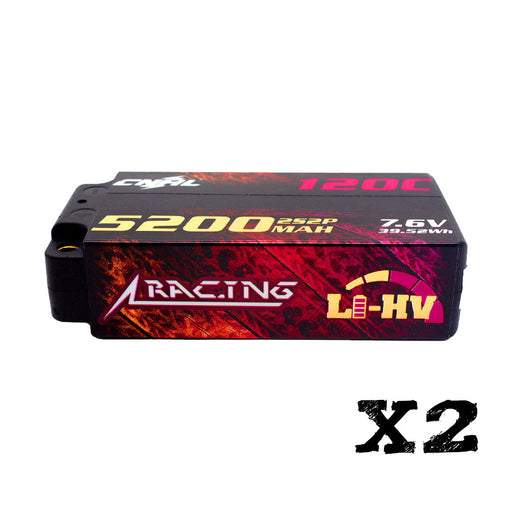
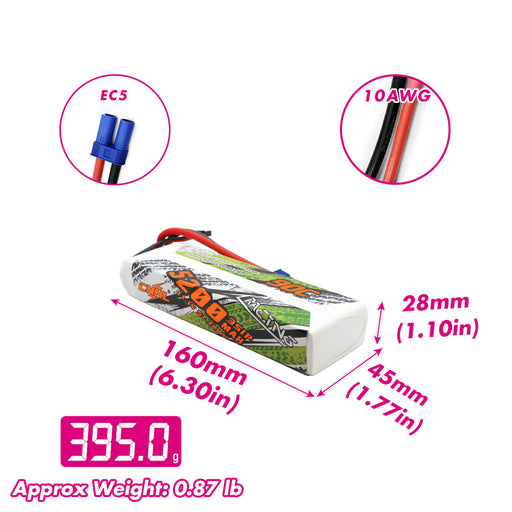
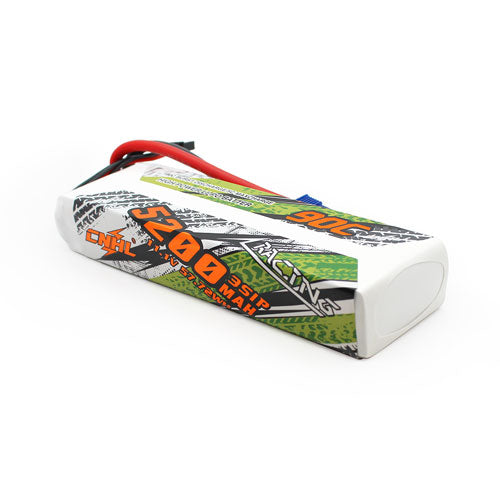
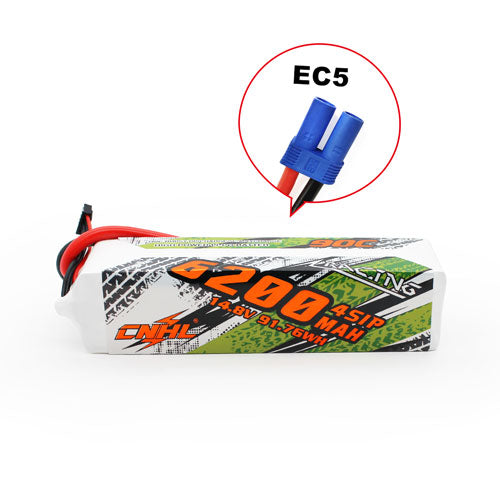
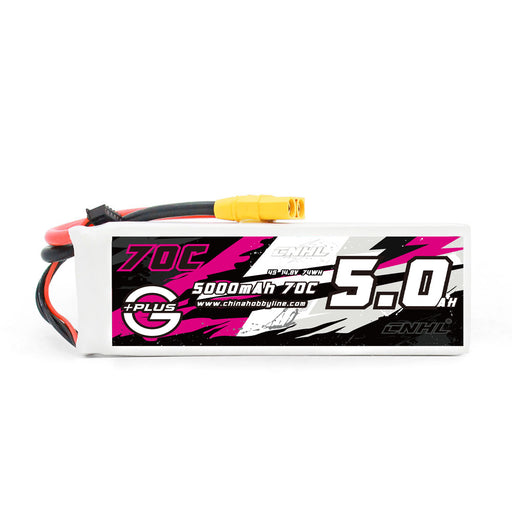
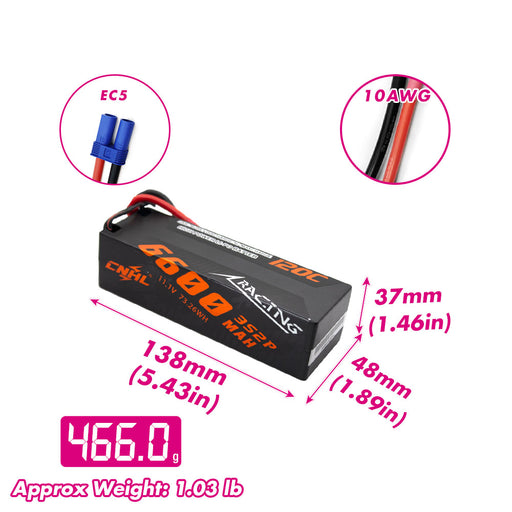
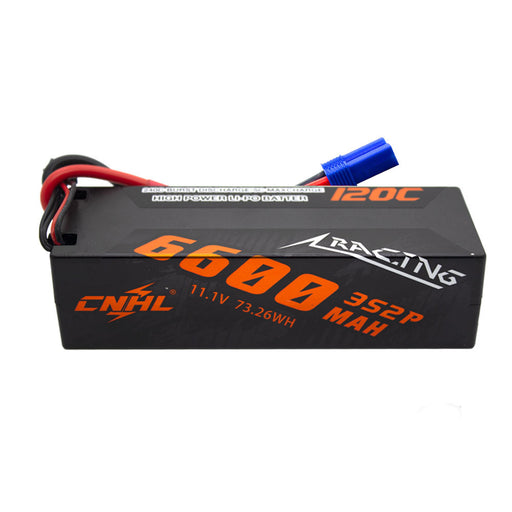
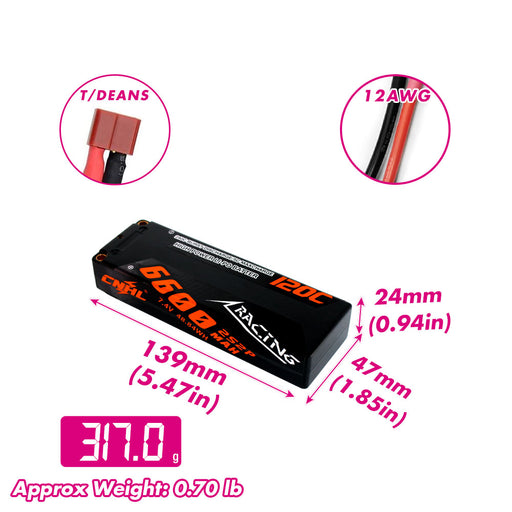
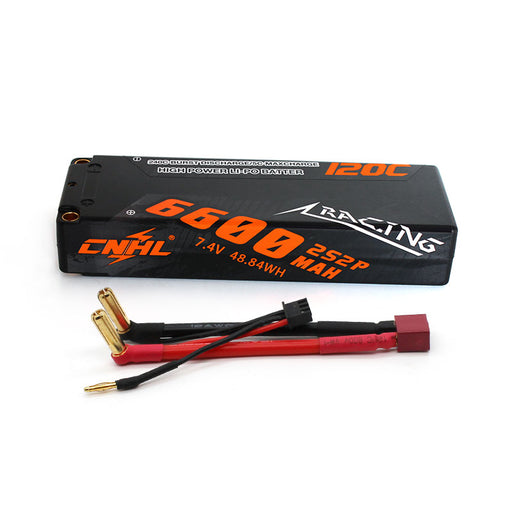
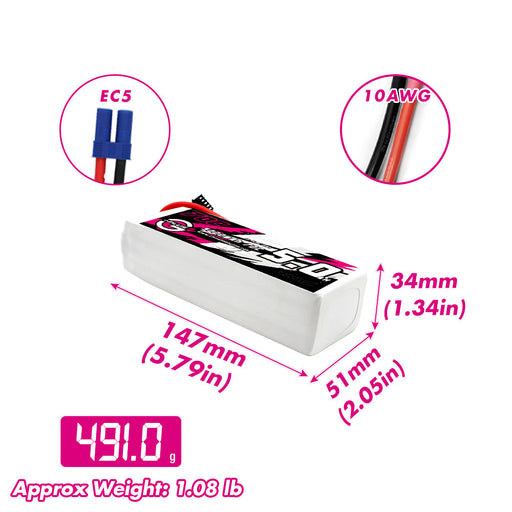
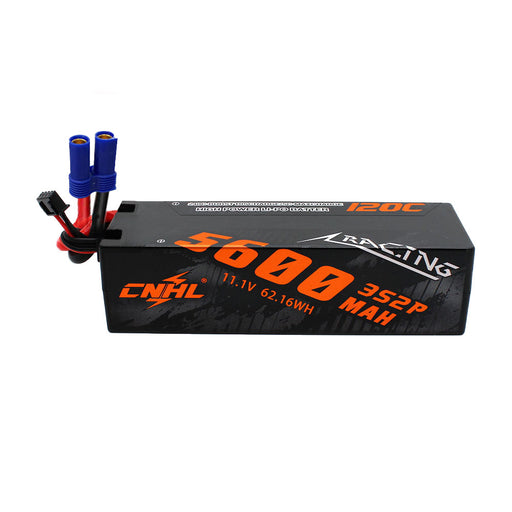
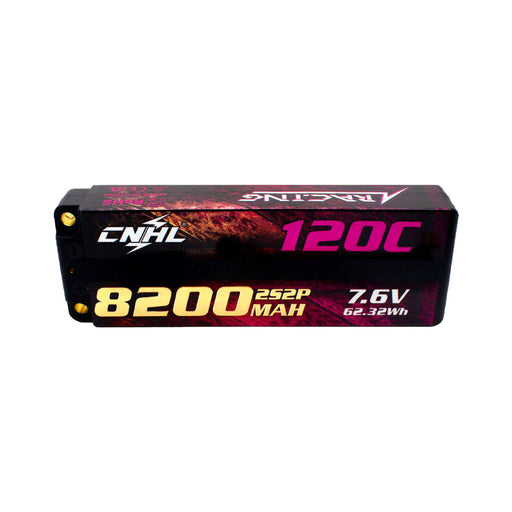
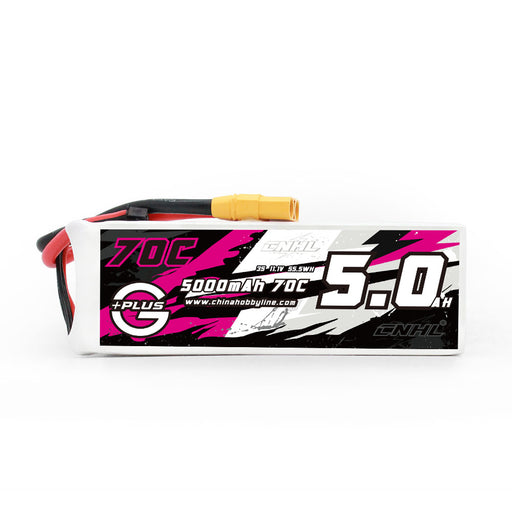
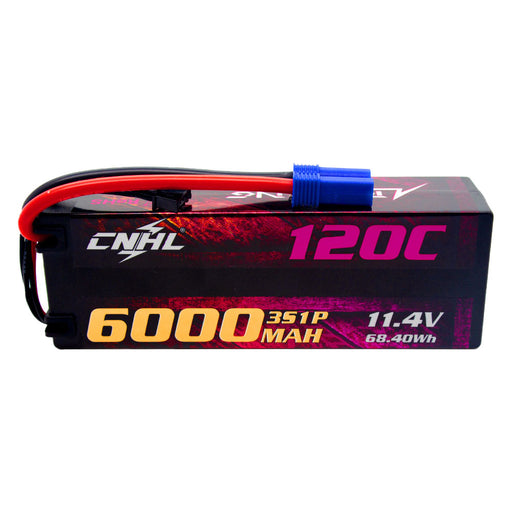
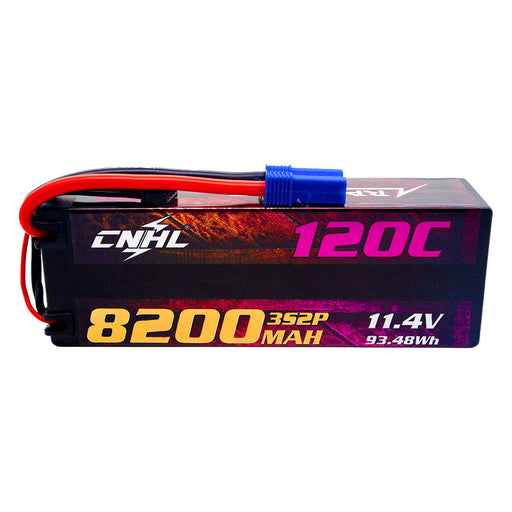
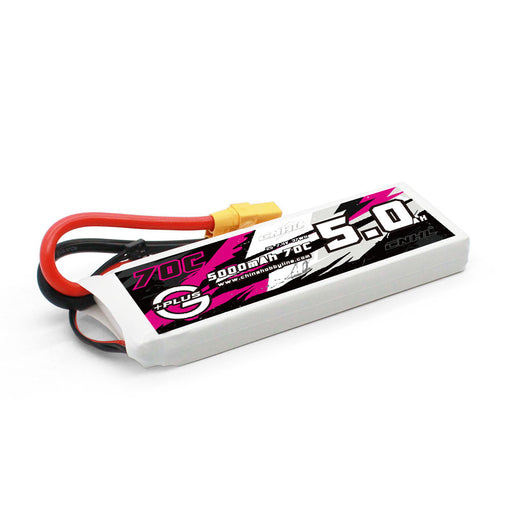
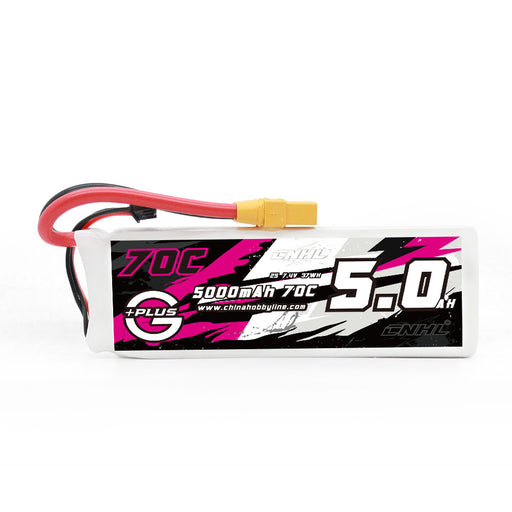
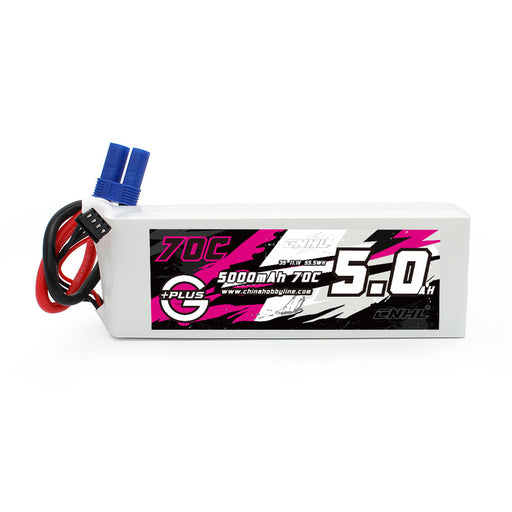
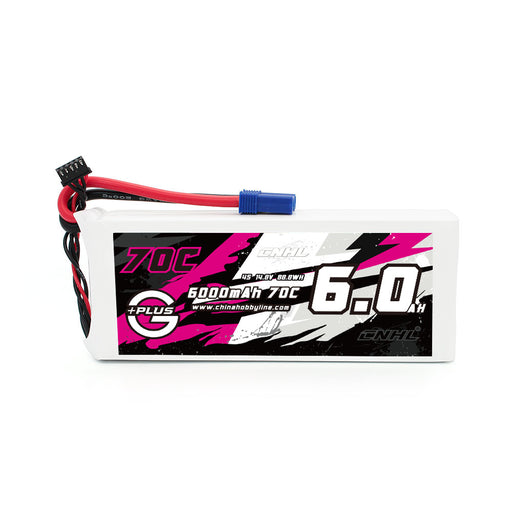
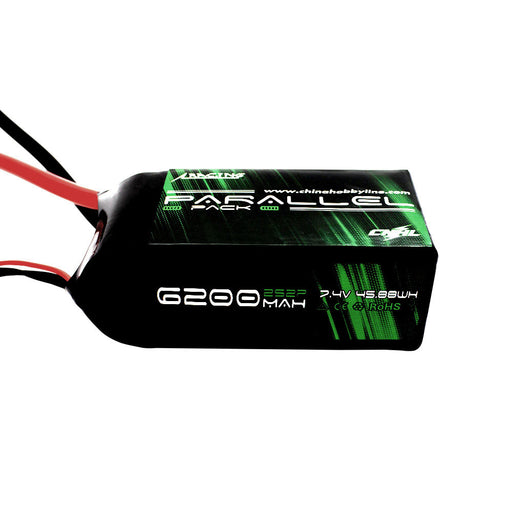
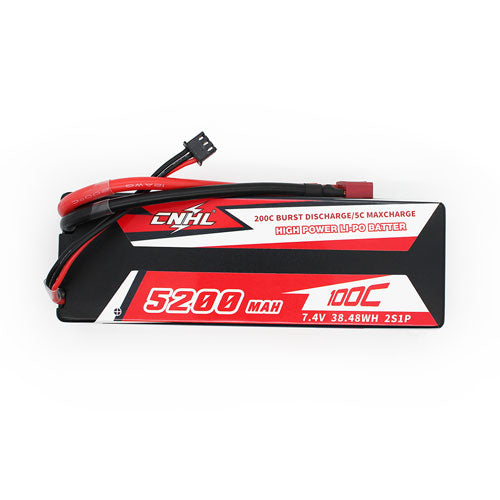
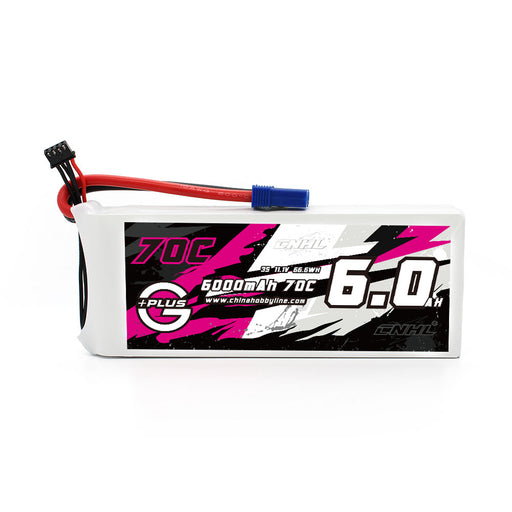
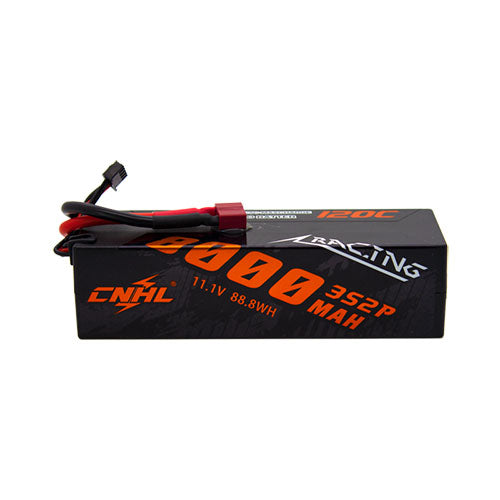
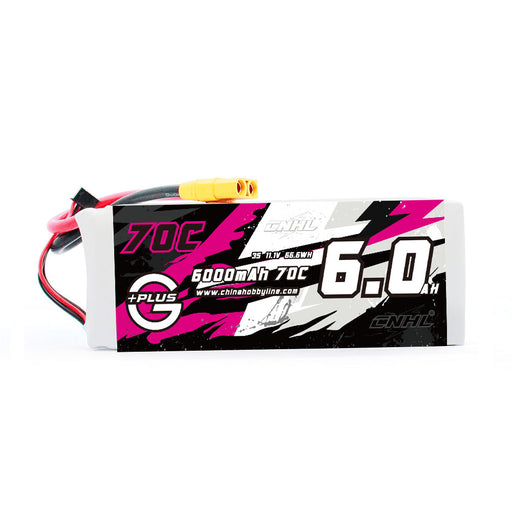
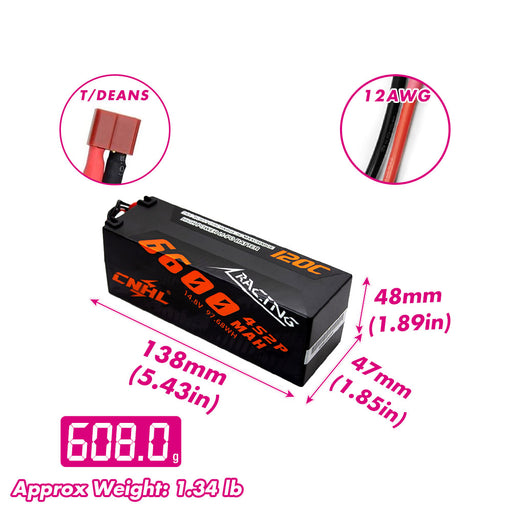
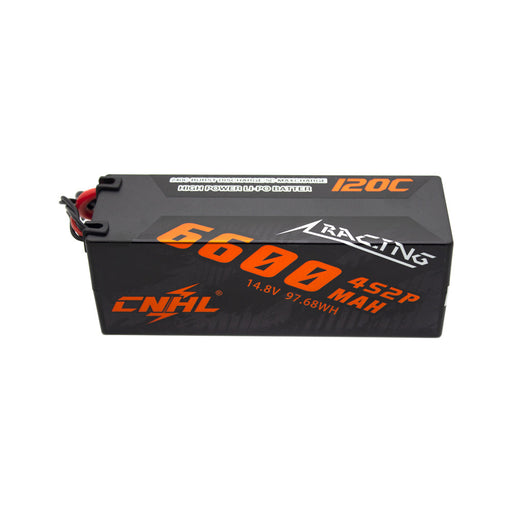
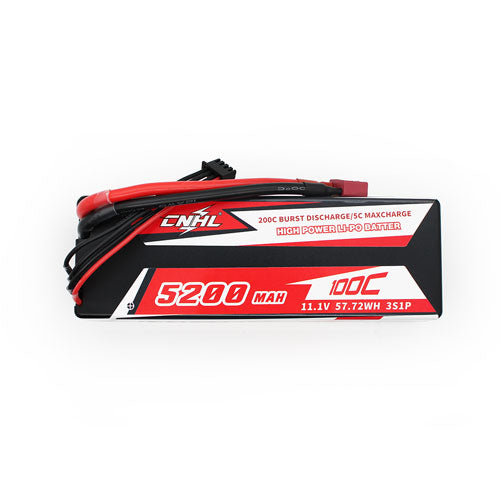
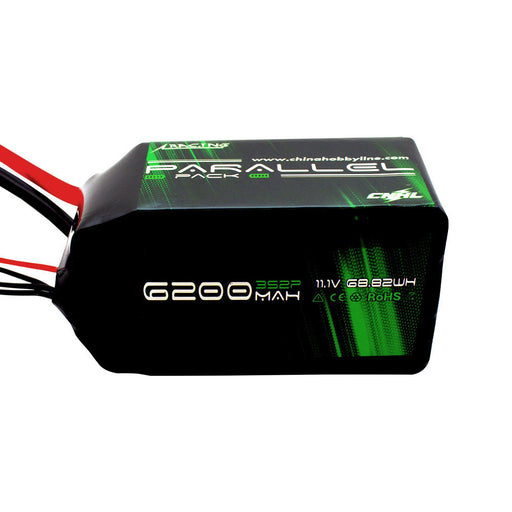
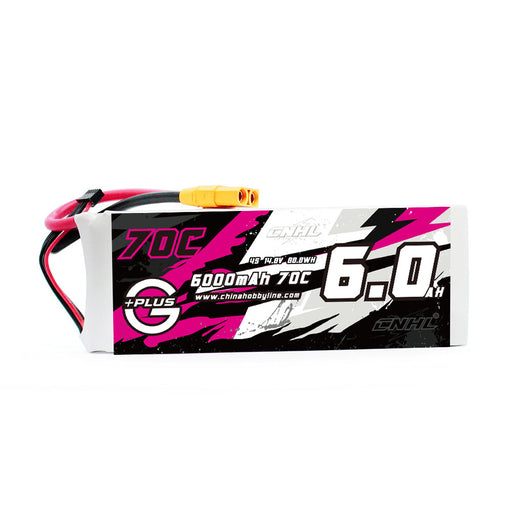
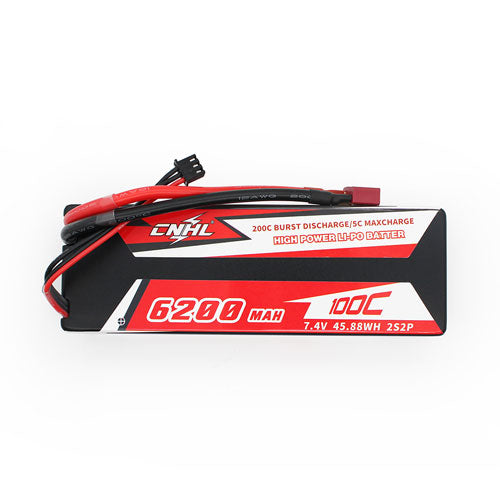
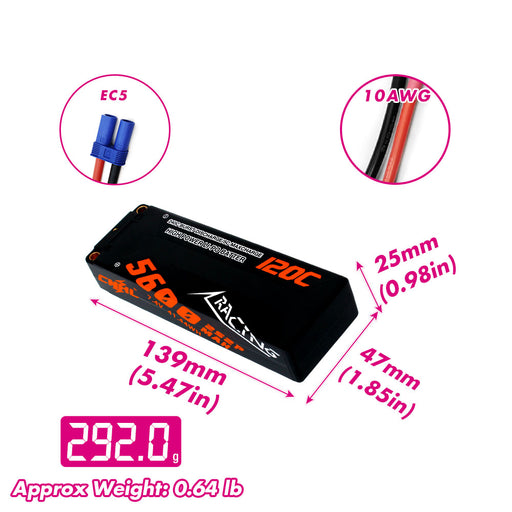
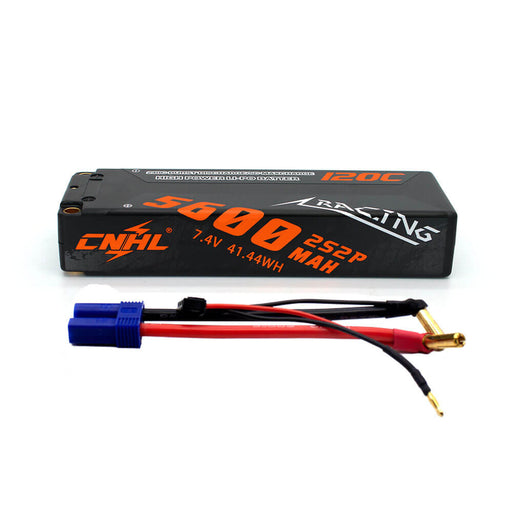
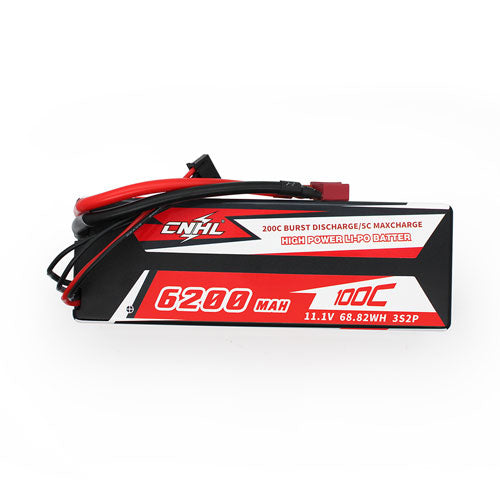
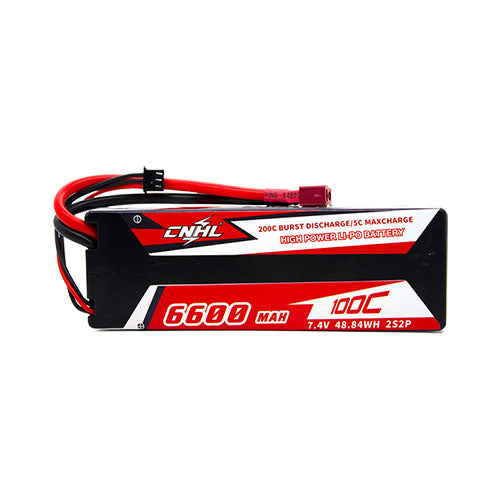
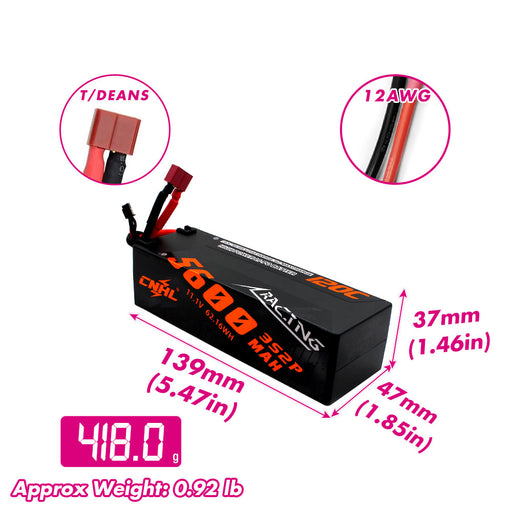
- 1/10 SCT (Slash / SC10 / Senton 3S, etc.): 2S 5000–6600mAh • 70–120C works for most racing setups. Want extra punch for bashing or top speed runs? Go 3S 5000–6000mAh—just make sure your ESC and motor can handle it, and keep an eye on gearing and temps so you’re not packing up early with burnt gear.
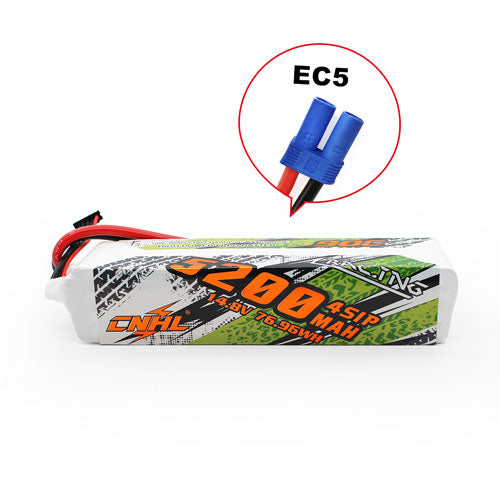
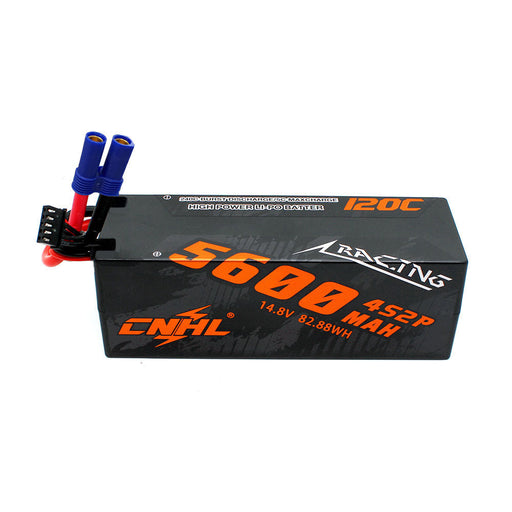
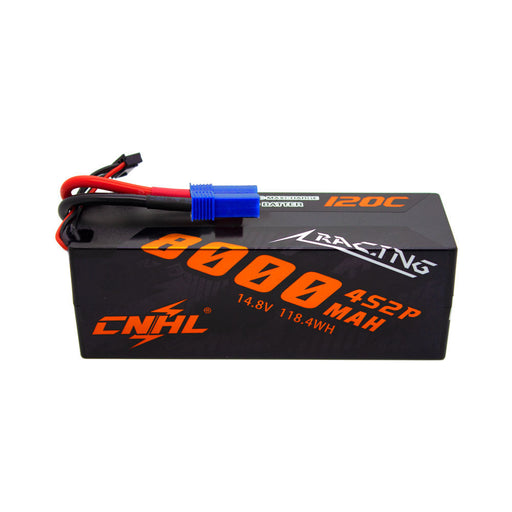
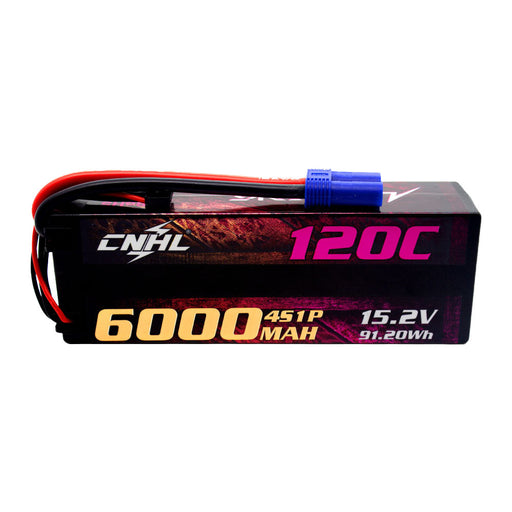
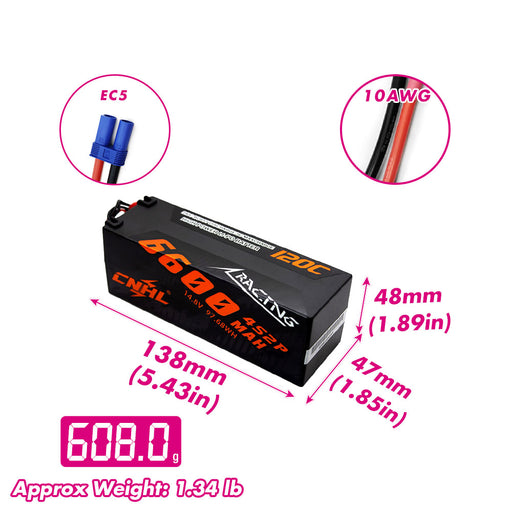
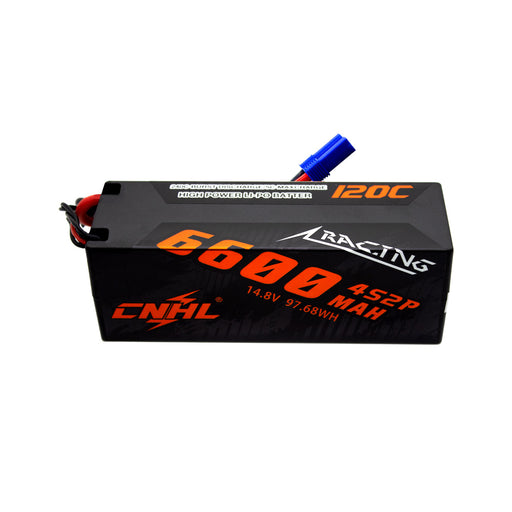
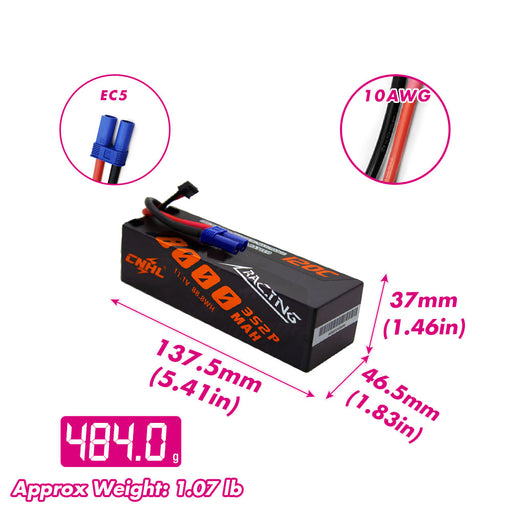
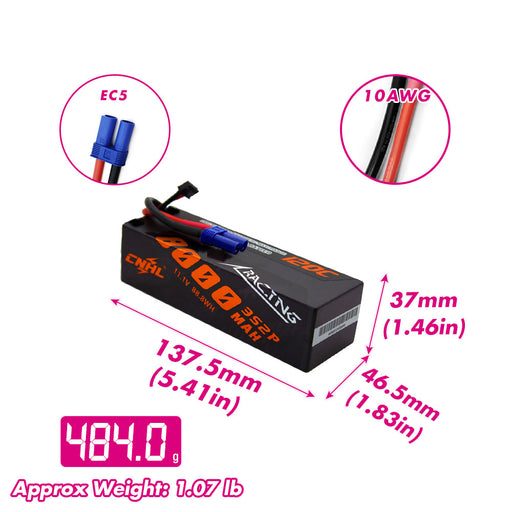
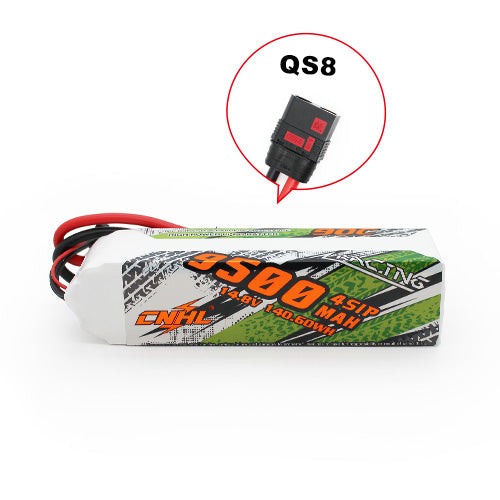
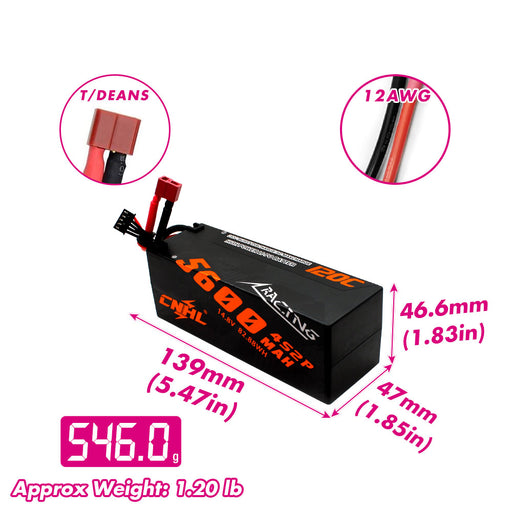
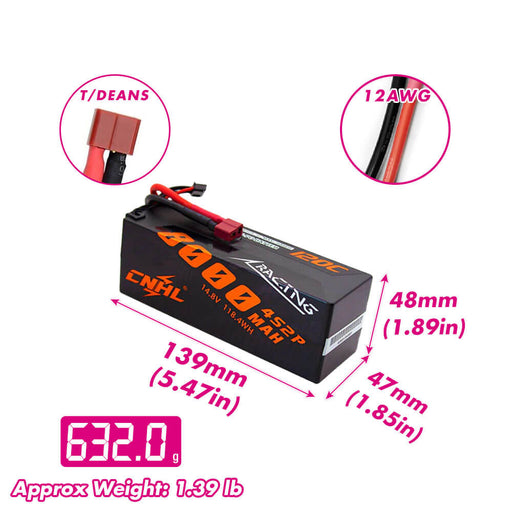
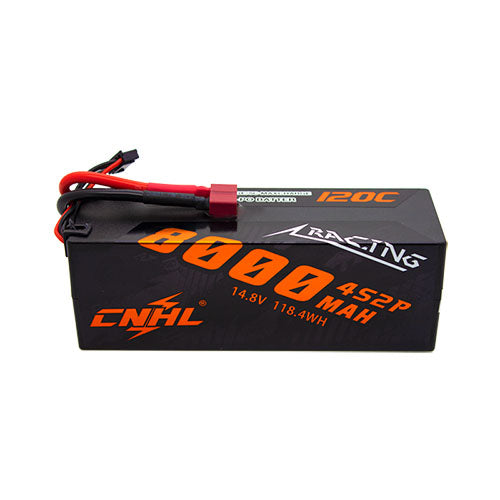
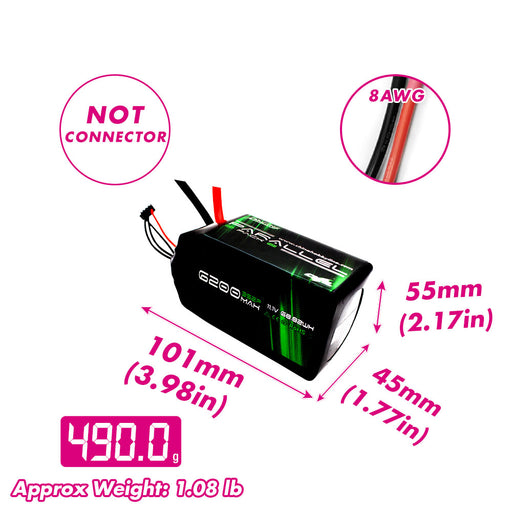
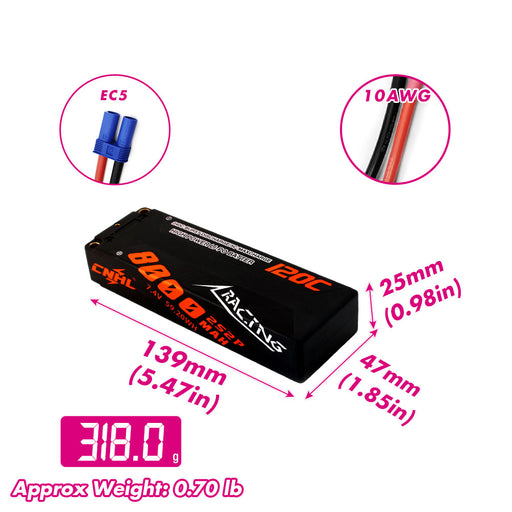
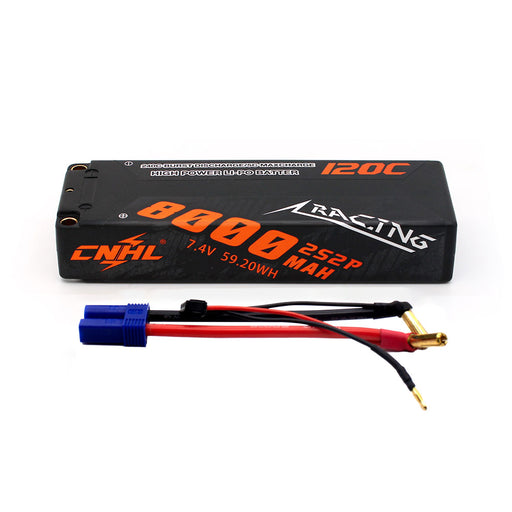
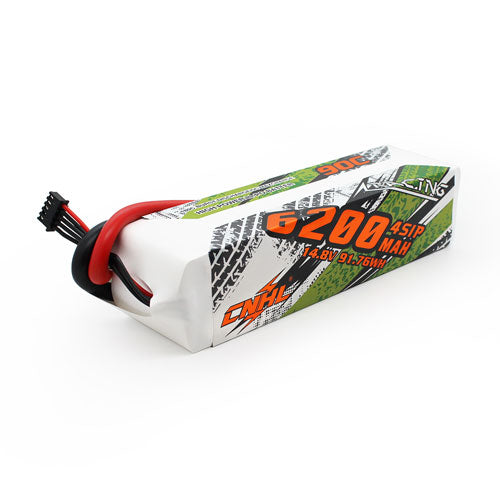
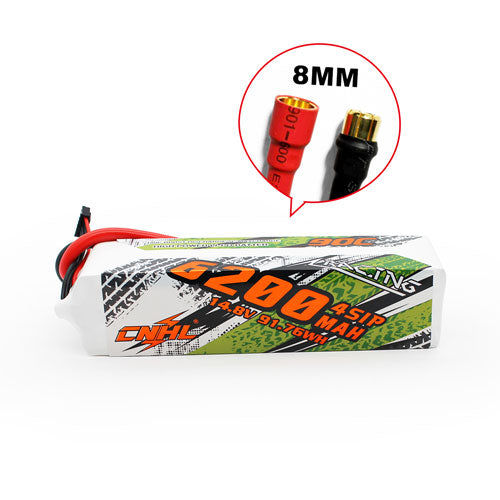
- 1/8 SCT: 4S 6000–9500mAh • 90–130C with EC5 or XT90 connectors—ideal for longer tracks and those big-air jump sections.
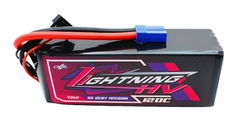
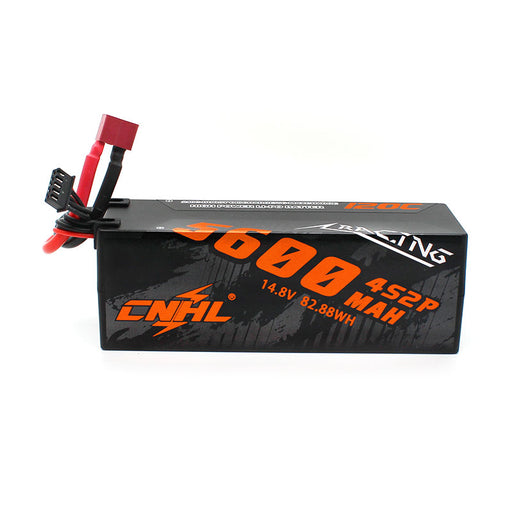
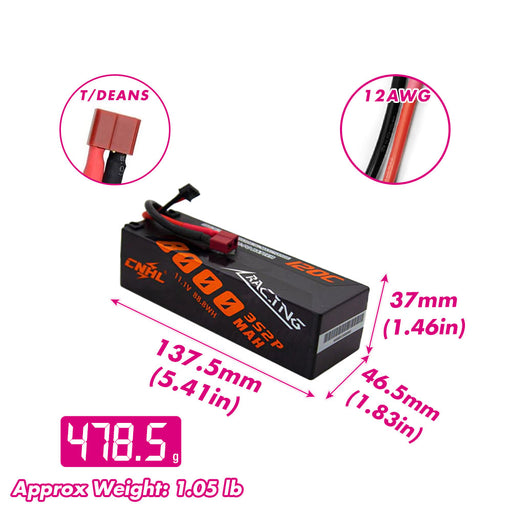
Pro tips: Most clubs require hard-case packs. A higher C rating gives you more punch out of corners and helps you hold speed through tricky rhythm sections. LiHV (4.35V/cell) can add extra snap off the line—just check your charger and make sure it’s allowed in your race rules.
Popular Fits
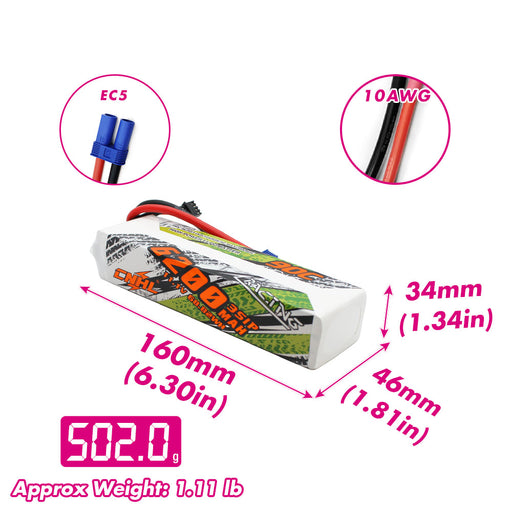
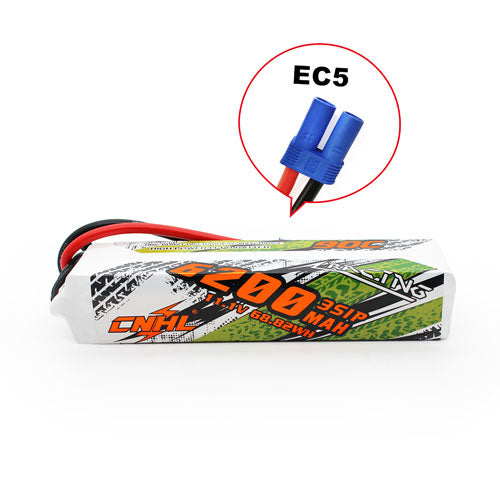
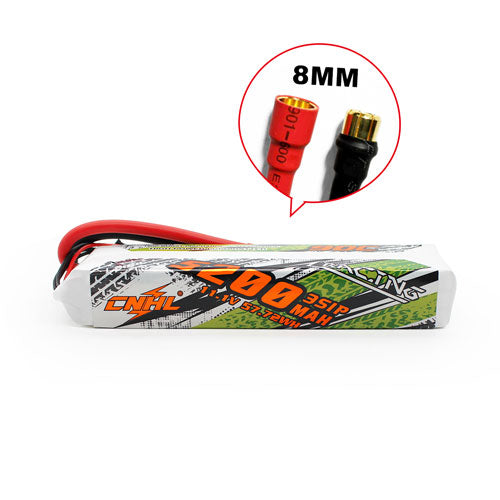
Perfect for Traxxas Slash / Slash 4x4, Arrma Senton, Team Associated SC10/SC6, Losi Tenacity SCT, Kyosho SCT, and similar models. A quick check on your tray size and connector type (EC5, XT90, Deans, TRX) before buying will save you the headache of a pack that doesn’t fit.
Micro 1/24 SCT (Losi) Battery Guide
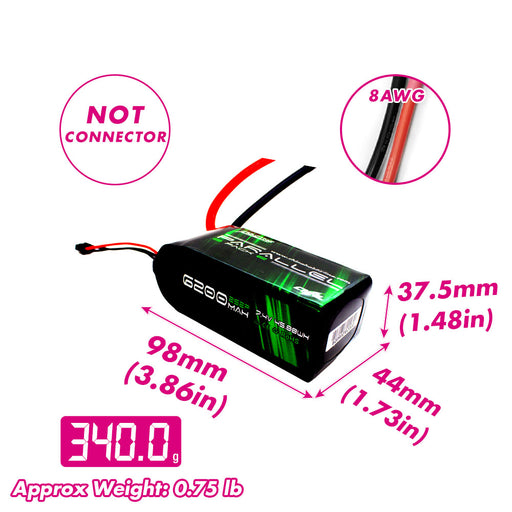
Running a micro SCT? Fit matters as much as the numbers on the spec sheet. Drivers often search for losi 1/24 sct lipo battery, losi micro sct battery, or losi mini sct battery—but these tiny trays mean measuring twice is key before you buy.
- Voltage: 1S or 2S (most stock setups are 1S; some upgrades handle 2S)
- Capacity: about 300–650mAh (2S) or 450–800mAh (1S)
- Discharge (C): usually 30–70C
- Plugs: JST-PH 2.0 / “micro-Losi” are the most common
Not sure which SCT battery’s right for you? Use the voltage and connector filters above to zero in on a perfect fit.
Build Tips from the Pits
- Go hard case: SCT racing is full-contact, and a hard case protects your pack from crashes and rough landings—plus it keeps you within most racing rules.
- Pick higher C when you can: That burst of speed out of a corner is where a high-C pack earns its keep, helping you make passes stick.
- Try LiHV if it’s allowed: Charging to 4.35V/cell can give you a stronger launch—especially handy on short tracks where acceleration matters most.
FAQ: Short Course Truck Batteries
Q: Is 2S or 3S better for a Slash?
For club racing, 2S keeps things light, balanced, and within the rules. For bashing or chasing speed—and if your electronics can take it—3S is a blast. Just keep gearing sensible and watch your temps.
Q: 5000mAh or 6000mAh+—which should I choose?
For standard race heats, 5000–5600mAh is plenty and keeps weight down. If you want more practice time between swaps, 6000–6600mAh is worth the slight weight trade-off.
Q: Can I race with soft-case packs?
Most clubs say no for safety reasons. Even if they’re allowed, hard cases are the safer bet for SCT racing’s bumps and landings.
Want to see more options beyond SCT? Check the full CNHL RC Car Batteries collection.