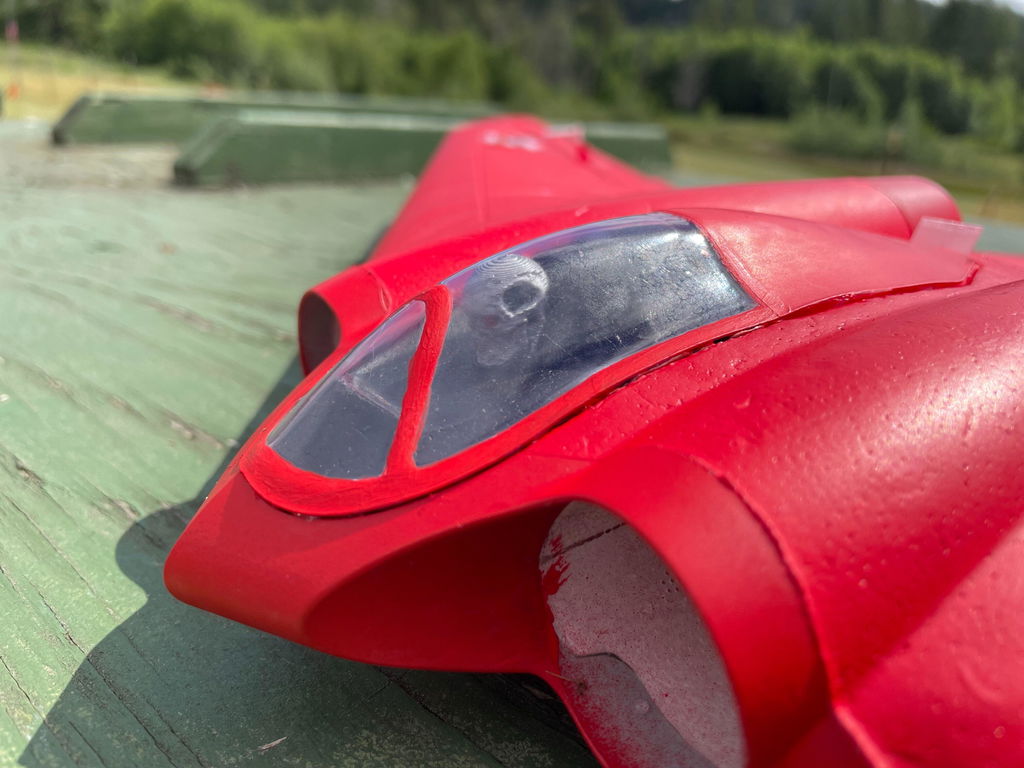
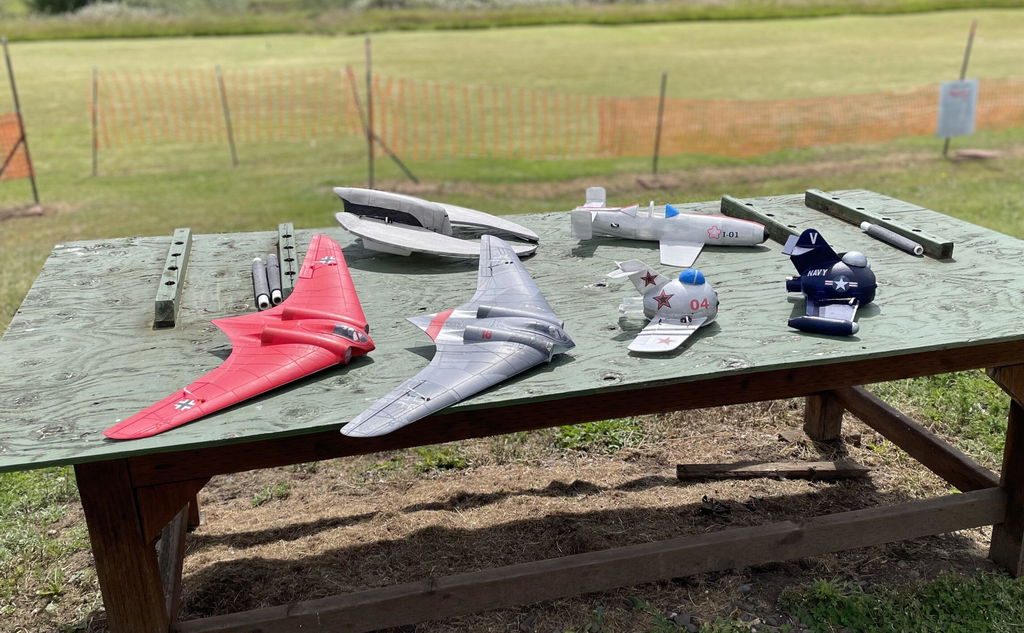
Varaosat ja korjaustuki
Tiedämme, että RC-lentäjille luotettava varaosatuki on tärkeä osa pitkäaikaista omistamista. Siksi CNHL tarjoaa AviNationRC Horten Ho 229:lle oman varaosavalikoiman.
Saatavilla on keskeisiä rungon, laskutelineen, EDF-järjestelmän, moottorin, nopeudensäätimen, servon, laitteiston ja tarrojen varaosia sekä muita vaihtotuotteita ja valikoituja ladattavia 3D-tulostustiedostoja korjausten ja asennuksen tueksi.
Tarvitsitpa laskuvaurion korjaamista, voimajärjestelmän osan vaihtamista tai yleisesti käytettyjen osien pitämistä valmiina tulevaa huoltoa varten, Ho 229:n oma varaosasivu helpottaa tähän lentokoneeseen sopivien komponenttien löytämistä.
Katso ajantasaiset osat ja saatavuus CNHL AviNationRC Horten Ho 229 -varaosakokoelmasta.
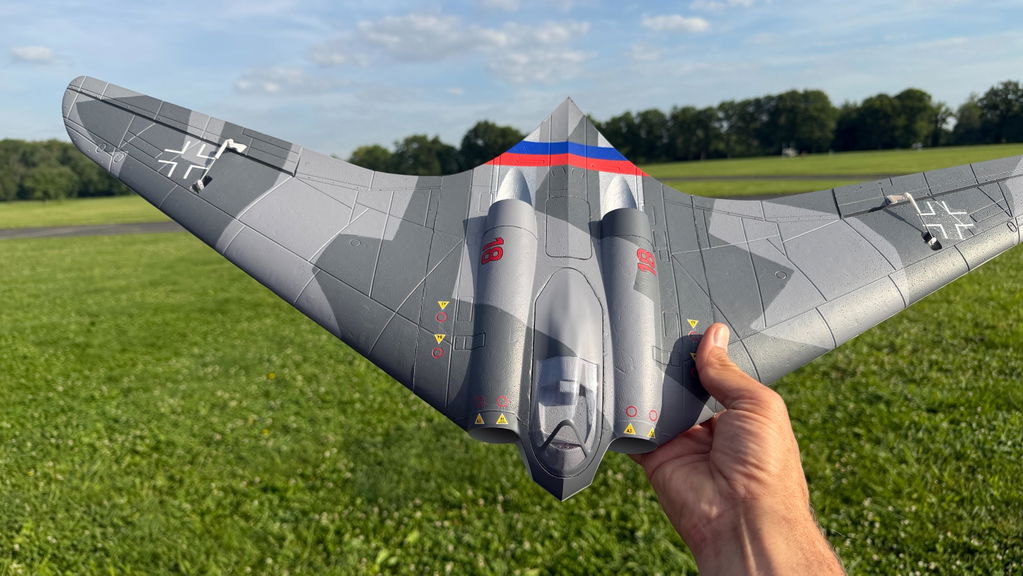
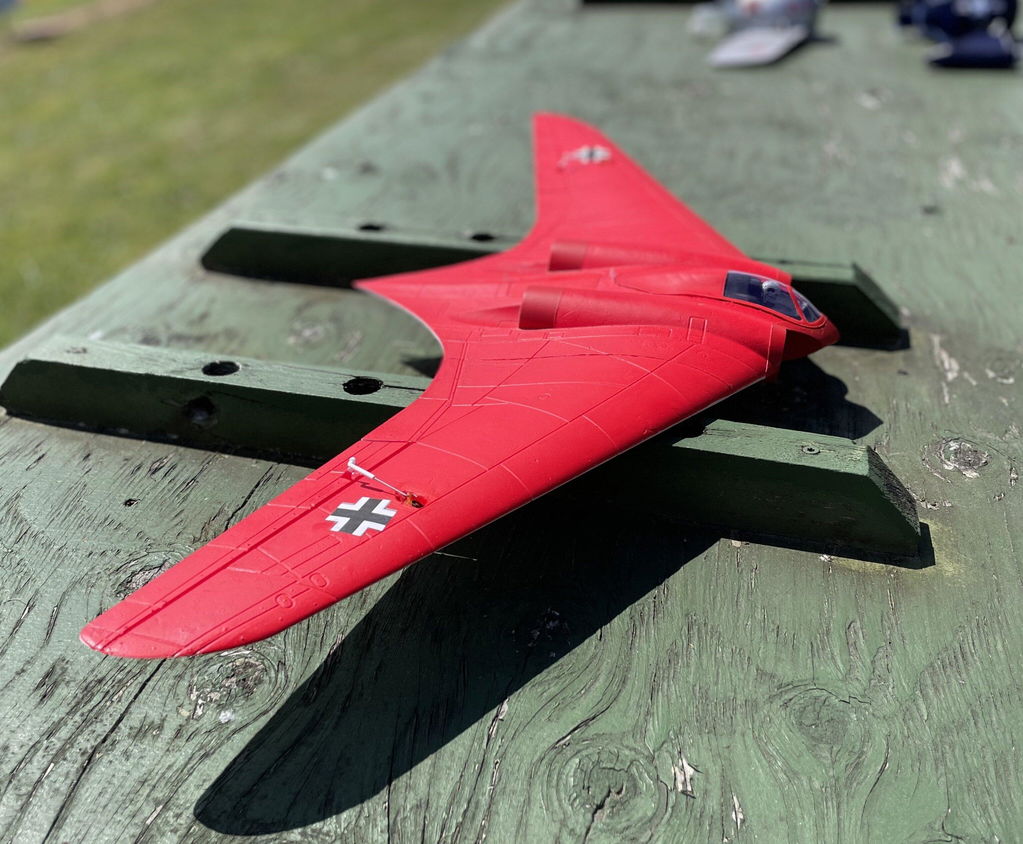
CNHL on ensimmäisenä tuonut AviNationRC:n debyyttikoneen, Horten Ho-229:n, markkinoille – kyseessä on kompakti EDF, joka yhdistää harvinaisen mittakaavamaisen lentävän siiven ja kokoaan vakavamman, suorituskykyyn keskittyvän lentokokemuksen.
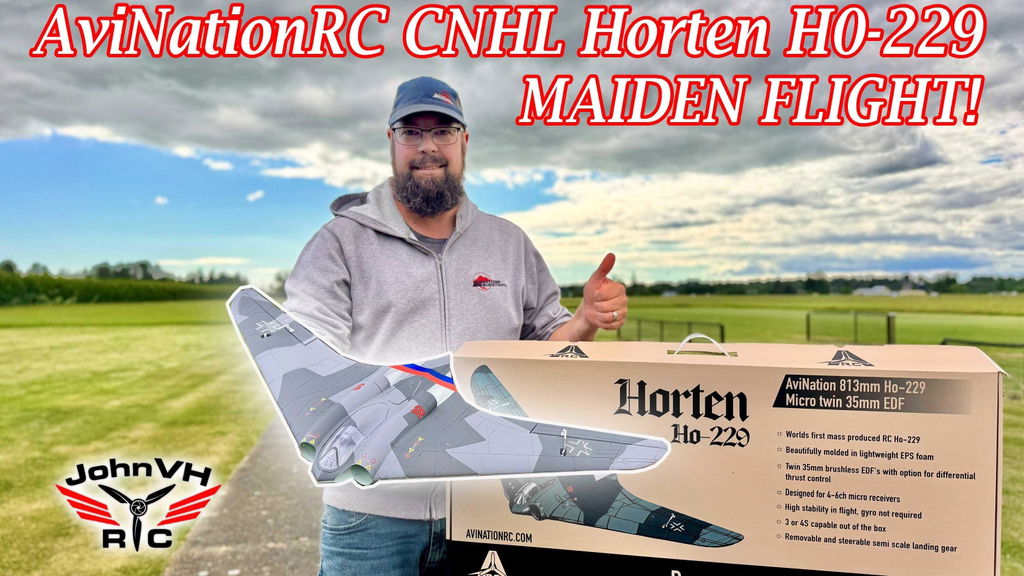
CNHL AviNationRC Horten Ho 229 RC-lentokone 813 mm, kaksi 35 mm:n EDF-yksikköä, PNP liittyy edelleen yhteen ilmailuhistorian tunnetuimmista keskeneräisistä kokeellisista lentävistä siivistä, ja sen ainutlaatuinen muoto herättää huomiota vielä vuosikymmeniä myöhemmin. Alun perin Luftwaffelle toisessa maailmansodassa kokeelliseksi raskaaksi hävittäjäksi kehitetty täysikokoinen Ho-229 ei koskaan saavuttanut täyttä operatiivista palveluskäyttöä, mikä lisää siihen nykyään liittyvää kiehtovuutta.
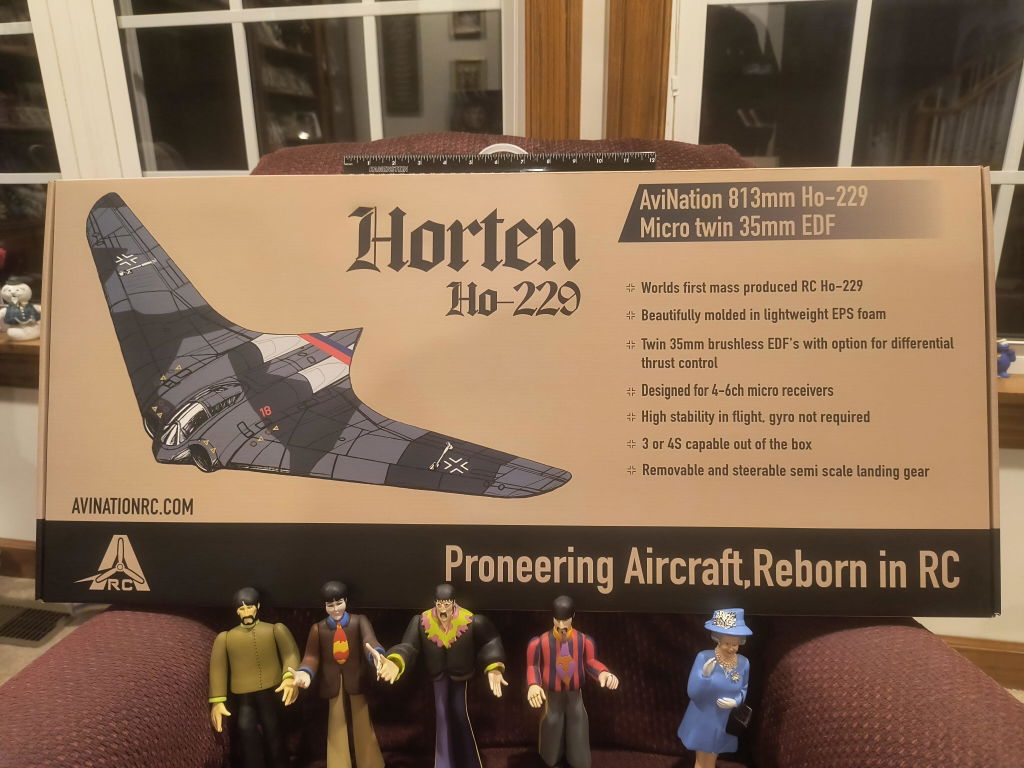
AviNationRC on tuonut Horten Ho-229:n 813 mm:n kaksimoottorisena 35 mm:n EDF-RC-versiona eloon kompaktissa ja suorituskykyyn keskittyvässä muodossa. Nopeaan ja herkästi reagoivaan lentokokemukseen suunniteltu malli jäljittelee alkuperäisen Ho 229 -lentokoneen omaleimaista luonnetta, mutta pysyy käytännöllisenä nykyaikaisille RC-lentäjille ja tarjoaa myös erinomaista käsiteltävyyttä hitailla nopeuksilla. Laajempaa CNHL:n RC-lentokonevalikoimaa selaaville tämä Ho 229 -lentokone sijoittuu hyvin eri kategoriaan kuin tavallinen harjoittelu- tai urheilumalli.
Nopea sopivuustarkistus
Kaksi 35 mm:n EDF-yksikköä tarjoaa kokoon nähden vahvan suorituskyvyn, ja kevyt 174 gramman paljas runko pitää lentokoneen ketteränä, herkästi reagoivana ja helposti kuljetettavana. Valmiina lentoon paino on akusta, vastaanottimesta ja kokoonpanosta riippuen noin 245–265 g.
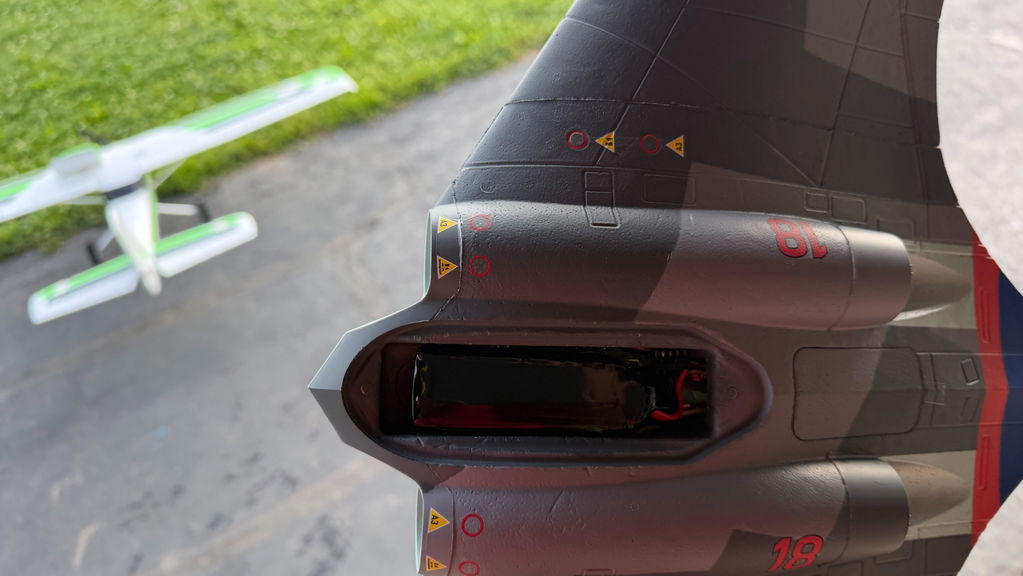
PNP-versiona toimitettuna malli vaatii yhteensopivan 4–6-kanavaisen mikrovastaanottimen käyttöönottoa varten, ja se tukee sekä 3S- että 4S-akkukokoonpanoja. 3S-kokoonpano tarjoaa saman pehmeän ohjattavuuden kuin 4S, mutta pienemmällä työntövoimalla, mikä voi tehdä lentokokemuksesta mittakaavamaisemman, kun taas vakio-4S-kokoonpano tarjoaa suuremman työntövoiman, voimakkaamman kiihtyvyyden ja aggressiivisemman EDF-lentokokemuksen.
Molemmat kokoonpanot tarjoavat vakaan toiminnan koko nopeusalueella sekä kevyessä että voimakkaammassa tuulessa. Gyroa ei toimiteta, koska sitä ei tarvita normaaliin lentämiseen. AviNationRC Horten lentää luonnostaan vakaasti suunnittelunsa ansiosta, vaikka lisäavustusta suosivat pilotit voivat halutessaan käyttää gyrovastaanotinta.
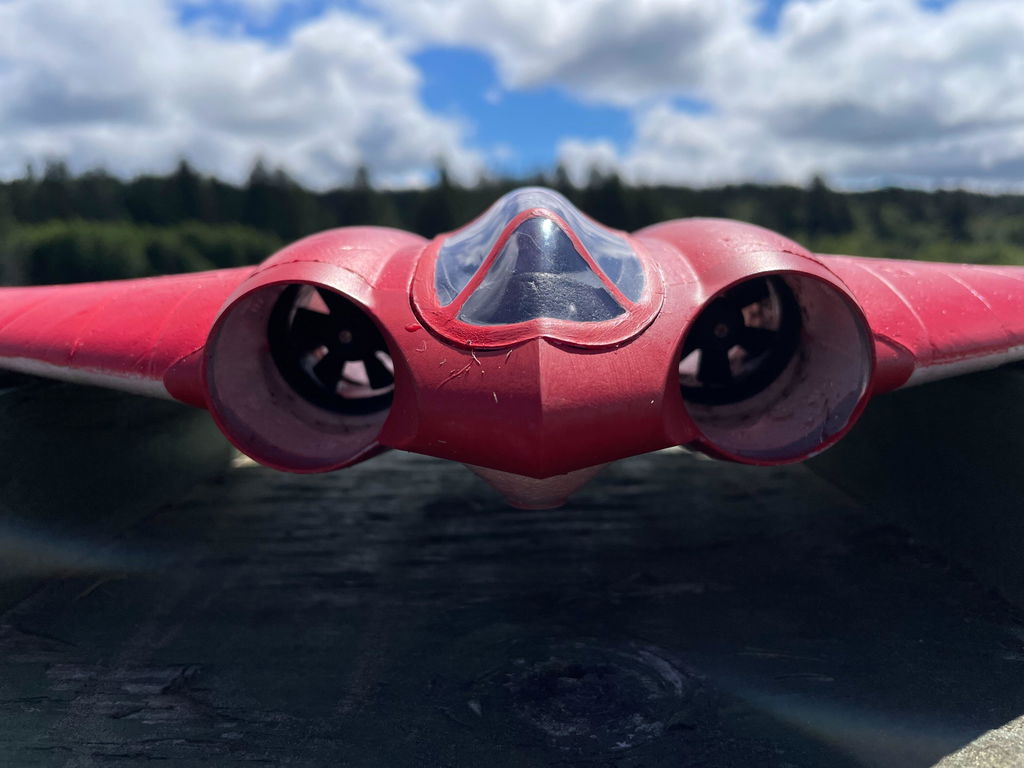
Voimasta vastaavat kaksi 1311 5600KV:n harjatonta ulkopyörijämoottoria, jotka on yhdistetty kahteen 15 A:n mikroharjattomaan ESC-säätimeen. Ne tarjoavat koneelle tehokkaan voimansiirron ja luotettavan suorituskyvyn. Mallissa on myös irrotettava ja ohjattava puoliskaalamainen laskuteline, joka parantaa sekä käytännön maakäsittelyä että realistista ulkonäköä.
Jos haluat yhteensopivat tehovaihtoehdot yhdestä paikasta, käytä CNHL AviNationRC Horten Ho-229 -akun kokoelmaa.
Pikayhteenveto
Jos sinulla on jonkin verran kokemusta sporttimallien tai pienempien EDF-lentokoneiden lennättämisestä, Horten Ho-229 tarjoaa omaleimaisemman askeleen kohti kompaktia suihkukonesuorituskykyä. Sen ainutlaatuinen lentävän siiven rakenne, herkkä ohjattavuus ja kompakti koko tekevät siitä kiinnostavan vaihtoehdon piloteille, jotka etsivät jotain erilaista ilman siirtymistä suureen tai monimutkaiseen EDF-alustaan.
Tämä ei ole vain yksi pieni radio-ohjattava lentokone muiden joukossa. Saksalaisena Ho 229 -konseptina käytännölliseen moderniin RC-muotoon tuotuna siinä on harvinainen siluetti, vaikuttava ilmailuhistoria ja lentotuntuma, joka vaikuttaa kokonsa perusteella odotettua vakavammalta. Sitä kuvataan usein Ho 229 -suihkukoneeksi tai Ho 229 -lentokoneeksi, ja sitä haetaan joskus jopa Ho 229 -pommikoneena, mutta todellinen arvo on siinä, että AviNationRC on muuntanut muodon lennettäväksi, käyttökelpoiseksi ja luotettavasti toistettavaksi RC-lentokoneeksi.

Tuotetiedot
| Kärkiväli |
813 mm |
| Pituus |
360 mm |
| Paljaan rungon paino |
174 g ilman akkua |
| Lentovalmis paino |
245–265 g akun, vastaanottimen ja kokoonpanovalinnan mukaan |
| Moottori |
2 x 1311 5600KV:n harjattomat ulkopyörijämoottorit |
| ESC |
2 x 15 A:n mikroharjattomat ESC-säätimet |
| Servot |
3 x 2,2 g:n servot (2 x korkeusperäsin, 1 x ohjaus) |
| EDF-yksiköt |
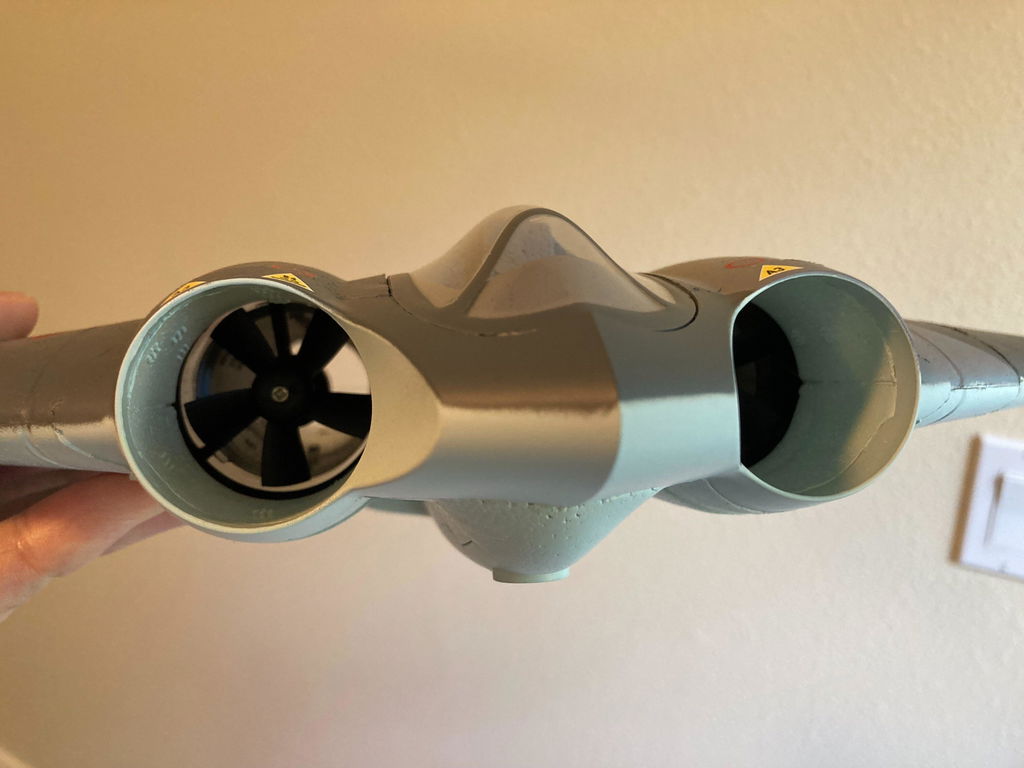
2 x 35 mm:n 5-lapaiset EDF-yksiköt |
| Kokoonpano |
PNP |
| Vastaanotin |
Tarvitaan mikrokoon 4–6-kanavainen vastaanotin (ei sisälly toimitukseen) |
| Vastaanotintilan koko |
50 x 26 x 30 mm (L x W x H) |
| Akun tuki |
3S / 4S |
| Rungon materiaali |
Kevyt EPS-vaahto |
| Laskuteline |
Irrotettava ja ohjattava puoliskaalamainen laskuteline |
| Varastonumero |
HO229001 / HO229002 |
Lento-ominaisuudet
Ilmassa Horten Ho 229 tuntuu nopealta, sulavalta ja suorituskykyiseltä näin kompakti EDF-malliksi. Kahden 35 mm:n puhallinyksikön rakenne antaa mallille vahvan kiihtyvyyden ja eloisan tuntuman, kun taas lentävä siipi tarjoaa erilaisen kokemuksen kuin perinteinen sporttikone tai park flyer.
Ho 229 säilyttää nopeuden hyvin ja tuntuu vakaalta ilmassa, sillä se seuraa lentorataa sulavasti ja tuntuma säilyy yhtenäisenä kaarroksissa. Se ei ole nykivä tai arvaamaton, mutta reagoi suoremmin kuin tyypillinen harjoituskonetyylinen mikrokoon lentokonemalli. Tämä lisää tarkkuuden ja hallinnan tunnetta etenkin käytettäessä valinnaista differentiaalisen työntövoiman kokoonpanoa.
Kallistusvaste on terävä ilman liiallista aggressiivisuutta, ja malli hyötyy maltillisista ohjainliikkeistä ensimmäisillä lennoilla, kun totuttelet sen käsittelyyn. Kun säädöt ovat kohdallaan, Ho 229:stä tulee sellainen lentokone, joka houkuttelee uusintalennoille. Se on riittävän kompakti mukaan otettavaksi minne tahansa, mutta tarpeeksi erilainen erottuakseen joka kerta, kun se irtoaa kiitotieltä.
Kenelle tämä lentokone sopii parhaiten
Jos sinulla on jonkin verran kokemusta urheilumallien tai pienempien EDF-lentokoneiden lennättämisestä, Horten Ho 229 tarjoaa persoonallisen askeleen kompaktien suihkukoneiden suorituskykyyn. Sen ainutlaatuinen lentävä siipi -rakenne, herkkä ohjaustuntuma ja kompakti koko tekevät siitä houkuttelevan vaihtoehdon piloteille, jotka etsivät jotain erilaista siirtymättä suureen tai monimutkaiseen EDF-alustaan.
Tämä lentokone sopii pilotille, joka haluaa persoonallisuutta eikä samanlaisuutta. Jos hangaariisi on jo kertynyt tarpeeksi tavallisen näköisiä pieniä vaahtomuovimalleja ja tavanomaisia mikro-suihkukoneita, CNHL AviNationRC Horten Ho 229 on heti järkevä valinta. Se tuo täysin erilaisen siluetin, epätavallisemman omistuskokemuksen ja riittävästi todellista suorituskykyä, jotta sillä tekee mieli lentää useammin kuin kerran pelkän ulkomuodon vuoksi.
Ho 229 sopii heikommin henkilölle, joka haluaa mahdollisimman rauhallisen ja anteeksiantavan ensikoneen. Se lentää luonnostaan hyvin ilman gyropohjaista järjestelmää, mutta rakenne, ohjaustuntuma ja kokonaiskonsepti tekevät siitä pikemminkin harrastajalle suunnatun hankinnan kuin yleisen aloittelevan pilotin harjoituskoneen.
Lentokokoonpano ja varustevaihtoehdot
Horten Ho 229 tarjoaa piloteille kaksi käytännöllistä tapaa nousta ilmaan ja laskeutua: joko laskuteline asennettuna tai siistissä käsin laukaistavassa kokoonpanossa. Molemmat vaihtoehdot toimivat hyvin, ja valinta riippuu siitä, miten ja missä haluat lentää.
Mallin käyttäminen ilman laskutelinettä pitää rungon kevyempänä ja alapuolelta siistimpänä, mikä tekee käsistä laukaisemisesta ja vatsalleen laskeutumisesta helppoa ja toimivaa. Tämä kokoonpano sopii nurmikentille tai avoimille lentoalueille, joilla ei ole tasaista kiitotietä.
Päällystetyiltä alustoilta lentäville piloteille irrotettava laskuteline tuo lisää realismia ja mahdollistaa nousut ja laskut pyörien varassa samalla, kun lentokoneen tunnusomainen lentävä siipi -ulkomuoto säilyy. Laskuteline on myös ohjattava, mikä helpottaa käytännön maatoimintaa kiitotietä käytettäessä.
Yksi tärkeä rakenneominaisuus on runkorakenteen alle asennettava alempi pystyevä. Vaikka se ei vastaa alkuperäisen ilma-aluksen mittakaavaa, sillä on tärkeä rooli vakaudessa ja yleisessä lentosuorituskyvyssä. Kirkas evä pitää ulkonäön ilmassa huomaamattomampana, kun taas maalattu vaihtoehto parantaa näkyvyyttä ja lentoasennon hahmottamista etenkin etäältä.
Jos aiot lentää pääasiassa käsin laukaistavassa kokoonpanossa, voit myös jättää ohjausservon kytkemättä tai poistaa ohjausvarren kokonaan. Näin mallin alapuolesta tulee siistimpi, ja voit pitää ylimääräisen 2,2 g:n servon varalla tulevia huolto- tai vaihtotarpeita varten. Horten Ho 229:n varaosakokoelma kannattaa pitää kirjanmerkeissä pitkäaikaista käyttöä varten.
Akun kokoonpano ja suorituskykyvaihtoehdot
Akun valinnalla on suuri vaikutus Horten Ho 229:n suorituskykyyn, ja se tarjoaa mallille kaksi selvästi erilaista kokoonpanovaihtoehtoa. Ilma-alus tukee sekä 3S- että 4S-akkuja, joten pilotit voivat säätää lentotuntuman omien mieltymystensä mukaan.
On hyvä ymmärtää, ettei 3S- tai 4S-kokoonpano muuta yksinkertaisesti ilma-aluksen painoa. Se muuttaa pääasiassa teho- ja työntövoimatasoa. 3S-kokoonpanossa tarvitaan yleensä suuremman kapasiteetin akku, jotta malli pysyy oikein tasapainossa, joten akun lopullinen paino voi olla lähellä suositellun 4S-kokoonpanon painoa. Käytännössä 3S toimii parhaiten yleensä 750–900 mAh:n kapasiteetilla, kun taas 4S toimii parhaiten 450–750 mAh:n kapasiteetilla.
3S-kokoonpano tarjoaa yhtä sulavan käsiteltävyyden kuin 4S, mutta pienemmällä työntövoimalla, mikä mahdollistaa mittakaavan mukaisemman nopeuden. Tämä vaihtoehto sopii piloteille, jotka haluavat Ho 229:n tuntuvan sulavammalta ja rauhallisemmalta sekä muistuttavan enemmän hillittyä lentotyyliä, samalla kun ilma-alus säilyy asianmukaisesti tasapainotettuna.
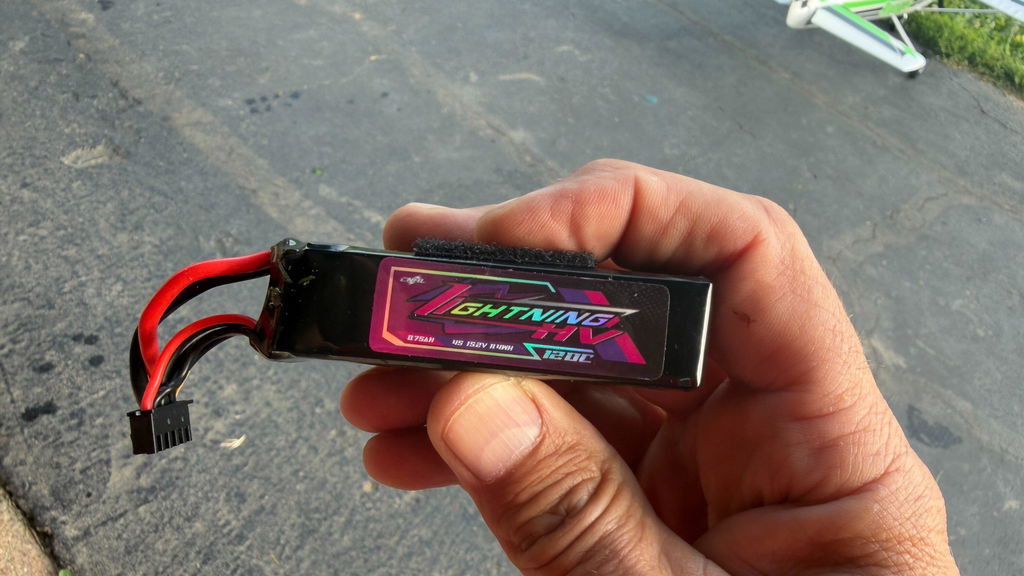
Ho 229 käyttää XT30-liittimiä, ja se toimii parhaiten kompaktien 4S-akkujen kanssa, joiden kapasiteetti on 450–750 mAh. Suosittelemme CNHL MiniStar HV 550 mAh 15,2 V 4S 70C -akkua tai CNHL Lightning LiHV 750 mAh 15,2 V 4S 120C HV -akkupakettia XT30-liittimellä optimaalisen suorituskyvyn saavuttamiseksi. Ne tarjoavat erinomaisen tasapainon tehon, painon ja lentoajan välillä sekä tuovat esiin ilma-aluksen EDF-lennokin täyden luonteen.
Kooltaan realistisempaan 3S-asetukseen suositellaan CNHL Lightning LiHV 750mAh 11.4V 3S 120C HV -akkua XT30-liittimellä. Se tarjoaa piloteille tasaisemman tehonsyötön vaihtoehdon ja noudattaa samalla tämän kompaktin kaksimoottorisen EDF-lentävän siiven edellyttämää kokoonpanoa.
Suositellulla 4S-asetuksella ensimmäisillä lennoilla sopiva lähtökohta on noin 3 minuutin ja 30 sekunnin ajastin. Neljään minuuttiin venyttäminen voi olla mahdollista kaasun käytöstä riippuen, mutta lyhyempi aika tarjoaa turvallisemman lähtökohdan malliin tutustuttaessa.
Jos etsit Ho 229:ään yhteensopivia virtavaihtoehtoja, selaa suositellut akut sisältävää erillistä Horten Ho 229 -akkuvalikoimaa tai tutustu sopivia latausratkaisuja tarjoavaan kattavaan CNHL LiPo -akkulaturien valikoimaan.
Differentiaalinen työntövoima ja ohjausvaihtoehdot
Yksi Ho 229:n kiinnostavimmista ominaisuuksista on differentiaalisen työntövoiman tuki. Kun se otetaan käyttöön ja määritetään lähettimessä, se lisää suuntavakautuksen hallintaa ja voi laajentaa lentokoneen yleisiä käsittelyominaisuuksia, antaen piloteille uuden hallinnan tason ja tehden mallilla lentämisestä entistä mukaansatempaavampaa.
Samalla differentiaalinen työntövoima on täysin valinnainen. Ho 229 lentää edelleen hyvin perinteisellä elevon- ja kaasuasetuksella, joten alkuasetukset on helppo pitää yksinkertaisina ja päästä nopeasti ilmaan.
Niille piloteille, jotka haluavat kokeilla asetusten säätämistä ja lento-ominaisuuksia, differentiaalinen työntövoima tarjoaa lisää joustavuutta ilman tarpeetonta monimutkaisuutta niille, jotka suosivat suoraviivaista asetusta.
ETHOS-radioasetustiedosto
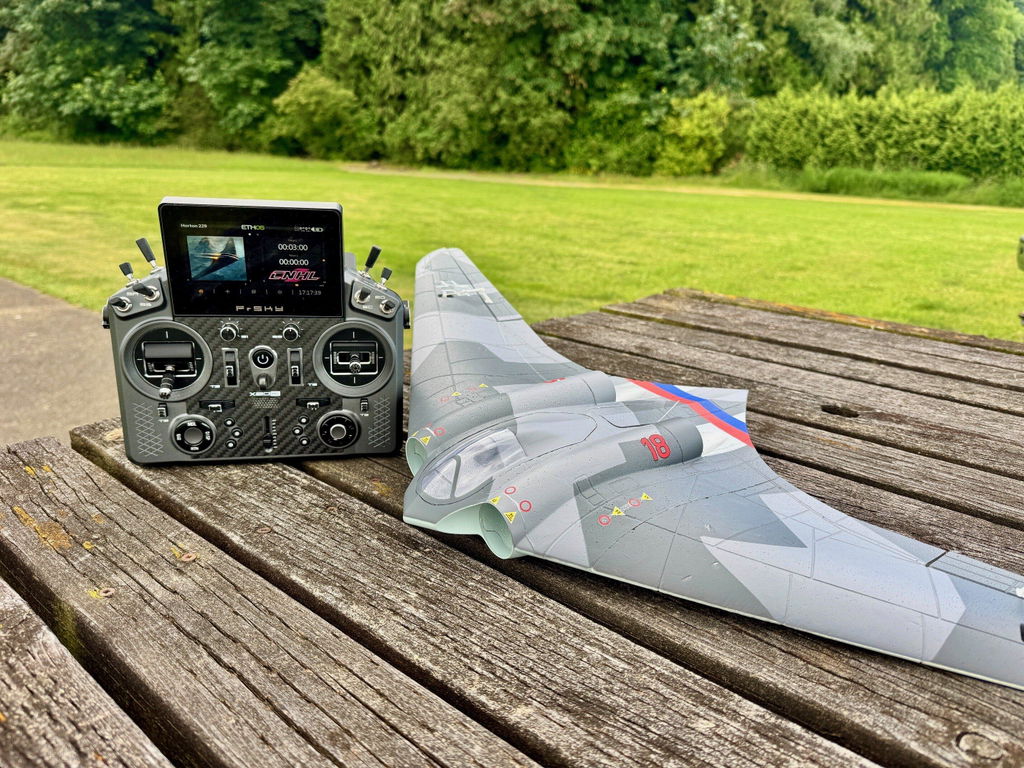
FrSky ETHOS -radioiden käyttäjille CNHL tarjoaa ladattavan mallimuistitiedoston AviNationRC Horten Ho-229 -mallille. Lataa ZIP-tiedosto, pura se ja tuo tai kopioi mallitiedosto lähettimeen ETHOS-radiosi ohjeiden mukaisesti.
Tämä tiedosto on tarkoitettu vain lähtökohtaiseksi asetukseksi. Tuonnin jälkeen lentäjien on tarkistettava ennen lentoa kaikki kanavamääritykset, elevonien suunta, kaasun suunta, differentiaalisen työntövoiman asetukset, servojen keskitys, ohjausliikkeet, failsafe-toiminto ja kantamatesti.
Lataa CNHL Ho-229 ETHOS -mallimuistitiedostot
Mitä sinun tulee tietää ennen ostamista
Ensimmäinen asia, joka on ymmärrettävä, on se, että tämä lentokone on ohut, kompakti ja tarkoituksenmukaisesti muotoiltu. Se on yksi syy siihen, miksi se näyttää niin hyvältä, mutta samalla sen omistamiseen on suhtauduttava hieman huolellisemmin kuin paksurunkoiseen jokapäiväiseen foamie-malliin. Se sopii paremmin henkilölle, joka arvostaa muodon tarjoamia ominaisuuksia ja on valmis kohtelemaan runkoa sen mukaisesti.
Toinen asia, joka on ymmärrettävä, on se, ettei kyseessä ole BNF-oikotieostos. Kyseessä on PNP-lentokone, ja siihen tarvitaan edelleen sopiva mikrokoon 4–6-kanavainen vastaanotin. Myös vastaanottimen ja akun sijainnilla on merkitystä, sillä tämä rakenne on puhtaan asetuksen suhteen herkempi kuin tavallinen ylätasoinen aloittelijamalli.
Kolmas asia on yksinkertainen: älä osta tätä lentokonetta odottaen sen käyttäytyvän kuin hidas, vähän tehoa vaativa harjoitusmalli. Osta se, koska haluat kompaktin RC-lentävän siiven, jossa on todellista nopeutta ja aitoa historiallista luonnetta sekä säätömahdollisuudet, joiden avulla lennosta voi tehdä joko pehmeämpää tai aggressiivisempaa sen mukaan, miten haluat sitä käyttää. Katso asetusten viitteet, johdotusohjeet ja ohjaustiedot virallisesta CNHL AviNationRC Horten Ho 229 -kokoamisohjeesta.
Pitkän aikavälin omistajan huomioita
Pitkällä aikavälillä CNHL AviNationRC Horten Ho 229:lla on paremmat mahdollisuudet pysyä kiinnostavana kuin useimmilla pienillä EDF-malleilla. Tavallinen kompakti suihkukone voi uutuudenviehätyksen hälvettyä sulautua taustaan. Ho 229 ei yleensä tee niin. Sen siluetti on liian erottuva, ja jo se auttaa lentokonetta säilyttämään paikkansa hallissa.
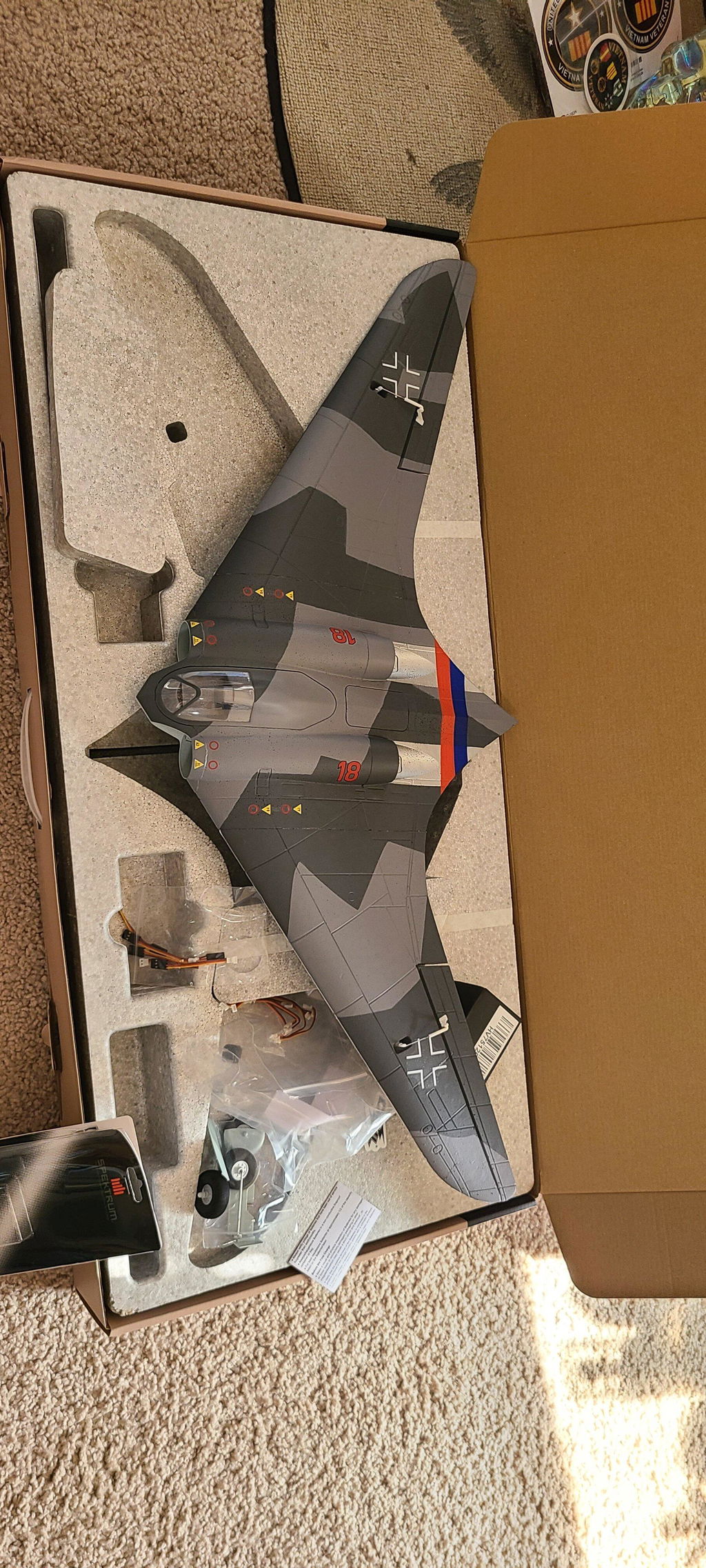
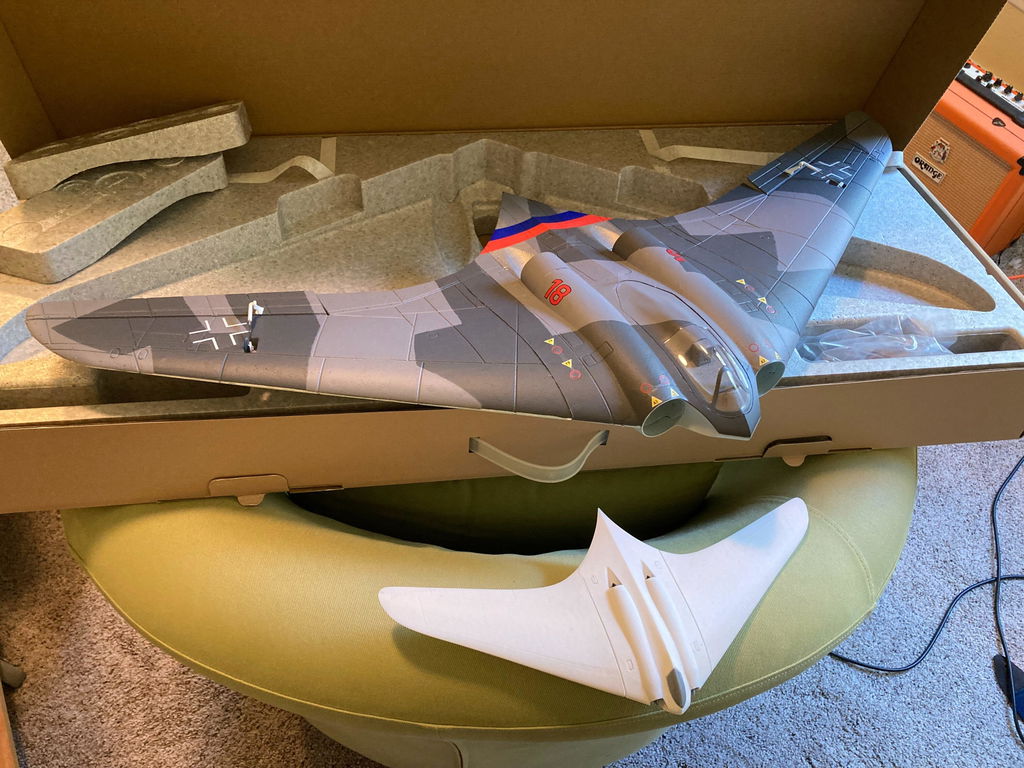
Alkuperäisellä laatikolla on tässä suurempi merkitys kuin monissa tavallisissa lentokoneissa. Koska malli on suhteellisen ohut ja sen muoto epätavallinen, asianmukainen säilytys ei ole vain mukava lisä. Se kuuluu olennaisesti lentokoneen hyvään omistamiseen. Muotoillun sisäpakkauksen säilyttäminen ja käyttäminen kuljetukseen on käytännöllistä, etenkin jos haluat suojata runkoa ja helpottaa tavanomaista kantamista.
Irrotettava ja ohjattava puoliskaalamainen laskuteline on yksi osa tätä pitkän aikavälin joustavuutta. Jotkut omistajat haluavat sen asennettuna kiitotiekäyttöä ja täydellisempää skaalailmettä varten. Toiset jättävät sen mieluummin pois lentojen välillä säilytyksen helpottamiseksi ja lentokoneen pakkaamisen sujuvoittamiseksi. Kyse ei ole kompromissista. Se on yksi tämän rakenteen fiksummista omistamisen eduista.
Huoltoa ja varaosia varten käytä erityistä Horten Ho 229 -varaosakokoelmaa. Jos haluat tutustua tarkemmin siihen, miten malli sopii AviNationRC:n lentokonemallistoon, lue CNHL AviNationRC Horten Ho 229 -arvostelu.
Usein kysytyt kysymykset
Mikä on Horten Ho 229:n historia?
Horten Ho 229 oli toisen maailmansodan aikana kehitetty saksalainen kokeellinen lentävä siipi. Sen edistyksellinen rakenne ja keskeneräinen historia ovat tärkeimmät syyt siihen, miksi lentokone on yhä niin tunnistettava ja laajasti keskusteltu.
Suunniteltiinko Horten Ho 229 pommikoneeksi?
Horten Ho 229 suunniteltiin alun perin hävittäjäksi tai raskaaksi hävittäjäksi, ja myöhemmin harkittiin suurempaa versiota pommikoneeksi. Vain hävittäjäversiosta rakennettiin ja lennätettiin kuitenkin prototyyppi. Vaikka hakutermejä kuten ”Ho 229 bomber” tai ”Horten Ho 229 bomber” käytetään yleisesti, ne eivät ole tarkin kuvaus oikeasti lentäneestä prototyypistä.
Tarvitseeko Horten Ho 229 lentääkseen asianmukaisesti gyroa?
Ei. Lentokone on rakenteensa ansiosta luonnostaan vakaa, eikä se tarvitse gyroskooppipohjaisia asetuksia heti käyttövalmiina. Voit silti halutessasi käyttää gyro-vastaanotinta lisäavuksi, mutta malli ei tarvitse vakautusta lentääkseen asianmukaisesti.
Onko ETHOS-radioon saatavilla asetustiedostoa?
Kyllä. FrSky ETHOS -käyttäjät voivat ladata CNHL Ho-229 ETHOS -mallimuistitiedoston ZIP-pakettina ja käyttää sitä lentokoneen lähtöasetuksena. Tarkista tuonnin jälkeen aina kanavajärjestys, elevonien suunta, kaasun suunta, differentiaalinen työntövoima, servojen keskitys, failsafe-asetukset ja kantama ennen lentämistä.
Voidaanko Horten Ho 229:n paino saada alle 250 grammaan?
Kyllä. Kun akku painaa enintään noin 61 g, kaikki laskutelineen osat on irrotettu ja käytössä on sopiva kevyt vastaanotin, Horten Ho 229:n lentovalmis paino voi vastaanottimesta riippuen jäädä alle 250 grammaan.
Millaista akkukokoonpanoa suositellaan Horten Ho 229:ään?
AviNationRC 35mm Hortenin suositeltu kokoonpano on 4S. CNHL MiniStar HV 550mAh 15.2V 4S 70C on hyvä kevyempi 4S-vaihtoehto, kun taas CNHL Lightning LiHV 750mAh 15.2V 4S 120C HV -akku XT30-liittimellä tarjoaa pidemmän lentoajan ja voimakkaamman EDF-luonteen. Tasaisempaan, mittakaavan mukaiseen nopeuteen sopivaksi 3S-kokoonpanoksi suositellaan CNHL Lightning LiHV 750mAh 11.4V 3S 120C HV -akkua. Yhteensopivat vaihtoehdot löytyvät Horten Ho 229 -akkuvalikoimasta.
Voiko Horten Ho 229:ää lentää ilman asennettua laskutelineistöä?
Kyllä. Lentokone on suunniteltu toimimaan hyvin käsin laukaistavana ja vatsalaskuun perustuvana, joten se sopii käytettäväksi nurmikentillä ja alueilla, joilla ei ole päällystettyjä kiitoteitä.
Tarvitaanko alempaa pystysuuntaista vakaajaa?
Kyllä. Alasiiveke tarvitaan asianmukaisen lennon vakauden takaamiseksi. Pilotit voivat valita kirkkaan version siistimmän ulkonäön vuoksi tai maalatun version paremman näkyvyyden ja asennon hahmottamisen vuoksi lennon aikana.
Mitä differentiaalinen työntövoima lisää Horten Ho 229:ään?
Differentiaalinen työntövoima lisää suuntausohjausta ja laajentaa lentokoneen hallintaominaisuuksia, mutta sen käyttö on täysin valinnaista niille piloteille, jotka suosivat yksinkertaisempaa kokoonpanoa.
Millä lentoajastimella minun kannattaa aloittaa?
Suositellulla 550–750 mAh:n 4S-kokoonpanolla aloitusajaksi suositellaan noin 3 minuuttia 30 sekuntia, minkä jälkeen aikaa voi säätää lentotyylin ja kaasun käytön mukaan.
Mistä löydän yhteensopivat akut, laturit, varaosat ja käyttöohjeen?
Käytä Horten Ho 229 -akkuvalikoimaa, CNHL LiPo -akkujen latureita, Horten Ho 229 -varaosavalikoimaa ja Horten Ho 229 -kokoamisohjetta akkuja, lataustukea, varaosia ja asennusohjeita varten.