Varaosat ja korjaustuki
RC-piloteille luotettava varaosatuki on tärkeä osa lentokoneen pitkäaikaista omistamista. Siksi CNHL tarjoaa CNHL KAVAN Pulse 2200 V2 -mallille oman varaosavalikoiman, mikä helpottaa purjekoneen korjaamista, uudelleenrakentamista ja lentokunnossa pitämistä normaalin kulumisen, kuljetusvaurioiden tai kovempien laskujen jälkeen.
Saatavilla oleviin varaosiin kuuluvat muun muassa tärkeät osat, kuten runko, vasemman ja oikean siiven sarja, korkeusvakaaja, kuomu/akkuluukku, ohjausmekanismien tarvikesarja, 3548-750KV:n harjaton ulkopyörämoottori, 11x8-taittopotkurin lavat ja taittopotkurin spinneri.
Tarvitsitpa vaurioituneen runko-osan korjaamista, kuluneiden ohjausosien vaihtamista tai nokan ja voimalähteen palauttamista potkuriosuman jälkeen, omalle Pulse 2200 V2 -mallille tarkoitettu varaosasivu helpottaa oikeiden komponenttien löytämistä.
Nykyiset osat ja saatavuus löydät CNHL KAVAN Pulse 2200 V2 -varaosakokoelmasta.
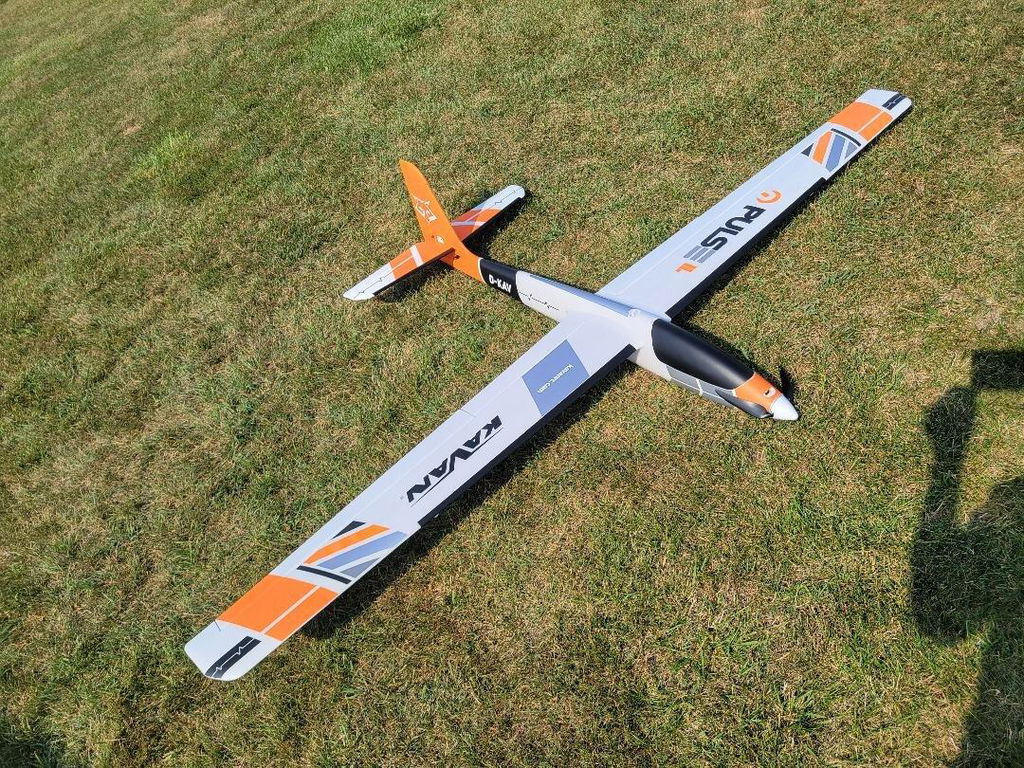
Oranssi KAVAN Pulse 2200 V2 PNP -purjekone on 2206 mm:n täysiohjattava sähköinen sporttipurjekone piloteille, jotka hallitsevat jo siivekkeiden käytön, koordinoidut kaarrokset, energianhallinnan sekä erillisten laskusiivekkeiden vaatiman perusteellisemman säätämisen. Sitä ei ole tarkoitettu ensimmäiseksi RC-lentokoneeksi, mutta se on erinomainen seuraava malli piloteille, jotka siirtyvät peruskoulukoneiden ja yksinkertaisempien moottoripurjekoneiden parista vaativampaan kalustoon.
Pulse 2200 V2 kattaa laajemman lentoalueen kuin pelkästään hitaaseen lämpövirtalentoon tarkoitettu purjekone. Se nousee varmasti 4S-teholla, etsii nostavia ilmavirtauksia, toimii rinnelentoon, suorittaa nopeat moottorilennot ja selviytyy kevyestä sporttipurjekoneen taitolennosta. Suuri siipikärkiväli, terävä ohjaustuntuma, tehokas crow-jarrutus ja nopeudessa erottuva ääni antavat sille energisemmän luonteen kuin monilla tavanomaisilla vaahtomuovisilla moottoripurjekoneilla.
Nopea soveltuvuustarkistus
Sopii parhaiten: keskitason ja kohtalaisen edistyneille piloteille, jotka etsivät yhdestä runkomallista lämpövirtauksissa lentämistä, rinteenostojen hyödyntämistä, moottoroitua sporttilentoa ja kevyttä taitolentoa.
Taitotaso: ei suositella ensimmäiseksi RC-lentokoneeksi; sopii parhaiten piloteille, jotka hallitsevat jo siivekkeillä varustetut koulukoneet, sporttimallit tai aloitustason täysivakaajat.
Virallinen akkosuositus: 4S 14.8V LiPo, 2600–4000 mAh, vähintään 30C, XT60-liittimellä.
Radio: vähintään 6 kanavaa; joustavampiin siiveke-, läppä-, differentiaali- ja crow-asetuksiin suositellaan vähintään 7-kanavaista tietokonelähetintä.
Suorittamiseen tarvitaan: lähetin, vastaanotin, 4S-lentoakku, yhteensopiva laturi ja tavalliset mallinnusvälineet.
Tärkeä taittopotkurin jarrun tarkistus
Tarkista ennen ensimmäistä lentoa, että taittopotkuri pysähtyy nopeasti, kun kaasu suljetaan kokonaan. Jos potkuri jatkaa pyörimistään ilmavirrassa, se lisää ilmanvastusta ja voi heikentää huomattavasti liitotehoa, sakkokäännöksen ohjattavuutta, termiikkitehokkuutta ja laskeutumisen hallintaa.
Asennettu nopeudensäädin on KAVAN R-50SB Plus. Sen tehdasasetuksissa sekä jarrutyyppi että jarruvoima ovat poissa käytöstä, joten jarruasetus on tarkistettava ennen lentoa.
Suositeltu testattu asetus: valitse Jarrutyypiksi normaali ja jarruvoimaksi keskitaso. Keskitaso vastaa noin 90 prosentin jarrutusvoimaa virallisessa KAVAN Plus ESC -ohjekirjassa.
Taittopotkurin jarrun käyttöönotto lähettimellä
Turvallisuus ensin: irrota potkuri ennen ESC:n ohjelmointitilaan siirtymistä. Varmista, että ilma-alus pysyy paikallaan, ja pysy poissa moottorin ja potkuriakselin läheltä.
- Kytke lähetin päälle ja siirrä kaasutikku täyskaasuasentoon.
- Kytke lentoakku ESC:hen. Odota, että ESC siirtyy ohjelmointitilaan ja alkaa käydä ohjelmoitavia asetuksia läpi.
- Kun kuulet yhden lyhyen piippauksen, siirrä kaasutikku ala-asentoon kolmen sekunnin kuluessa. Tämä valitsee asetuksen Jarrutyyppi.
- ESC käy nyt läpi jarrutyypin arvot. Kun kuulet kaksi lyhyttä piippausta, siirrä kaasutikku takaisin yläasentoon. Tämä tallentaa asetuksen Jarrutyyppi: normaali.
- ESC palaa ohjelmoitavien asetusten kiertoon. Kun kuulet kaksi lyhyttä piippausta, siirrä kaasutikku ala-asentoon kolmen sekunnin kuluessa. Tämä valitsee asetuksen Jarruvoima.
- ESC käy läpi jarruvoiman arvot. Kun kuulet kolme lyhyttä piippausta, siirrä kaasutikku takaisin yläasentoon. Tämä tallentaa asetuksen Jarruvoima: keskitaso.
- Odota Exit-signaalia, joka koostuu kahdesta pitkästä piippauksesta ja yhdestä lyhyestä piippauksesta, ja siirrä kaasutikku ala-asentoon kolmen sekunnin kuluessa poistuaksesi ohjelmointitilasta.
- Irrota lentoakku. Palauta kaasutikku normaaliin ala-asentoon ennen akun kytkemistä uudelleen.
- Kun potkuri on edelleen irrotettuna, tarkista kaasun normaali toiminta ja varmista, että moottori pysähtyy nopeasti kaasun sulkemisen jälkeen.
- Asenna potkuri takaisin vasta, kun radio- ja ESC-asetukset on vahvistettu. Kiinnitä lentokone ja tarkista taittolapapotkurin jarru vielä kerran pienellä teholla ennen lentoa.
Ohjelmointiäänet on valittava edellä kuvatussa aikaikkunassa. Jos väärä kohta tai arvo valitaan, irrota akku ja toista toimenpide.
Katso virallinen KAVAN Plus ESC -säätimen käyttöohje
Huomautus akusta ja painopisteestä
Pulse 2200 V2:n akkua valittaessa ei ole kyse vain kapasiteetista tai lentoajasta. Akun paino ja sijainti vaikuttavat suoraan koneen tasapainoon ja käsiteltävyyteen. Aloita suositellulta 75–85 mm:n painopistealueelta siiven etureunan takana ja varmista lopullinen painopiste juuri sillä akulla, jota aiot käyttää lennolla.
Tuotetiedot
| Tuotetyyppi |
PNP-sähköinen urheilumoottoripurjekone / moottorikäyttöinen purjekone |
| Kärkiväli |
2206 mm |
| Kokonaispituus |
1266 mm |
| Siipipinta-ala |
41,8 dm² |
| Paino |
1800 g |
| Lentopaino |
2100-2250g |
| Moottori |
KAVAN C3548-750 -harjaton moottori |
| ESC-säädin |
KAVAN R-50SB Plus 50 A:n ESC-säädin kytkentätyyppisellä SBEC:llä |
| Potkuri |
11×8-taittolapapotkuri |
| Asennetut servot |
6 mikroservot asennettuina: 4 × 17 g ja 2 × 9 g |
| Ohjaustoiminnot |
Kaasu, sivuperäsin, korkeusperäsin, siivekkeet ja laskusiivekkeet |
| Suositeltu akku |
4S 14,8 V LiPo, 2600–4000 mAh, vähintään 30C, XT60-liittimellä |
| Radiojärjestelmävaatimus |
Vähintään 6 kanavaa; itsenäiseen läppä- ja siivekesekoitukseen suositellaan vähintään 7-kanavaista tietokonelähetintä |
| Painopistealue |
75–85 mm siiven etureunan takana |
| Rungon materiaali |
Hiilikuidulla vahvistettu EPO-vaahtomuovi |
| Erityisominaisuudet |
Kaksiosainen siipi, irrotettava korkeusvakaaja, taittolapapotkuri, täysiverinen läppäsiipi, magneettinen kuomu sekä päivitetyt V2-servot ja ohjauslinkit |
| Tarvitaan viimeistelyyn |
Vastaanotin, lähetin, 4S LiPo-akku, laturi ja perustyökalut kokoonpanoa varten |
| Varastonumero |
KAV02.8091 |
Pikakatsaus ja soveltuvuus pilotille
Pulse 2200 V2 sijoittuu rennon vaahtomuovisen purjekoneen ja suorituskykyisemmän moottoripurjekoneen väliin. Se liitää ja hakee nostoa kuten varsinainen moottoripurjekone, mutta siinä on enemmän nopeutta, terävämpi ohjausvaste ja voimakkaammin moottorilennon tuntua kuin peruslämpövirtakoneessa.
Se sopii parhaiten piloteille, jotka ovat jo lentäneet siivekkeillä varustetulla harjoituskoneella, urheilulentokoneella tai pienemmällä sähkökoneella. Pilottien tulee hallita ilmanopeuden säilyttäminen, käyttää sivuperäsintä tarvittaessa, suunnitella lähestyminen sekä tarkistaa ohjain- ja radioasetukset ennen lentoa.
Irrotettava kaksiosainen siipi ja irrotettava korkeusvakaaja helpottavat kuljetusta, mutta kyseessä on silti täysikokoinen 2206 mm:n lentokone. Ostajien kannattaa varata riittävästi tilaa ajoneuvossa ja kotona sekä valita suurelle ja suhteellisen nopealle moottoroidulle liidokille sopiva lennätysalue.

Miltä Pulse 2200 V2 tuntuu ilmassa
Kun kone on tasapainotettu ja radio-ohjaimen säädöt hiottu kohdalleen, Pulse 2200 V2 lentää puhtaasti ja reagoi huomattavasti tarkemmin kuin hitaasti lentävä, kevyesti kuormitettu vaahtomuoviliidokki. Sillä voi lentää rauhallisesti, mutta se säilyttää energiaa riittävästi nopeisiin ohilentoihin, silmukoihin, vaakakierteisiin, selkälentoon, sakkauskäännöksiin ja muihin kevyen sporttiliidokin liikkeisiin.
Yksi sen tunnusomaisimmista ominaisuuksista on ääni. Moottori, taittopotkuri ja suuri siipi synnyttävät huomattavan vihellyksen tai kirkunan moottoroiduissa nousuissa ja nopeammissa ohilennoissa. Ensimmäiset katsojat korostivat toistuvasti ääntä, nopeutta ja täsmällistä lentorataa koneen mieleenpainuvimpina ominaisuuksina.
Malli on parasta ymmärtää sporttiliidokiksi, jossa on lievä warmliner-luonne, ei hitaaksi pelkästään termiikkeihin tarkoitetuksi purjekoneeksi. Se pystyy edelleen rauhalliseen liitelyyn, mutta siinä on riittävästi tehoa ja ohjattavuutta, jotta lento tuntuu vauhdikkaalta, kun lentäjä haluaa energisemmän menon.
Asennettu C3548-750-harjaton moottori ja 11×8-taittopotkuri tarjoavat tehokkaan noususuorituskyvyn 4S-akulla muuttamatta konetta tavanomaiseksi pitkäsiipiseksi sporttikoneeksi. Kun potkurijarru toimii oikein ja lavat taittuvat runkoa vasten, Pulse palaa puhtaampaan ja tehokkaampaan liitotilaan.
Riippumattoman lentotestauksen pääkohdat
- Terävä ja tarkka ohjausvaste sekä nopean sporttiliidokin tuntuma
- Tunnusomainen ääni moottoroiduissa nousuissa ja suurilla nopeuksilla tehdyissä ohilennoissa
- Vakaat ja täsmälliset lentoradat, kun malli on tasapainotettu ja säädetty oikein
- Tehokas crow-jarrutus jyrkkiä ja hallittuja lähestymisiä varten
- Onnistunut testilento kevyemmällä 4S 2200 mAh:n akulla
- Pidempi lentoaika ja vakaampi tasapaino 4S 3200 mAh:n akulla
- Taittuvan potkurin jarru tulee tarkistaa ennen ensilentoa
- Siiven havaittava taipuminen tarkoittaa, että äärimmäisiä ja toistuvia suurilla G-voimilla tehtäviä liikkeitä tulee välttää
Käytännön 4S-akkumallit
Suosittelemme 4S 14,8 V:n LiPo-akkua, jonka kapasiteetti on 2600–4000 mAh, purkausluokituksen vähintään 30C ja XT60-liittimen.
| Akun koko |
Odotettavissa oleva lentokäyttäytyminen |
Sovitus- ja säätöhuomautus |
| 4S 2200 mAh |
Keveämpi ja herkemmin reagoiva. Yhdellä aktiivisella sekalentotestillä saavutettiin noin kahdeksan minuutin lentoaika. |
Alle virallisen kapasiteettisuosituksen. Tarkista taakse siirtynyt painopiste ja kiinnitä pienempi akku huolellisesti. |
| 4S 2600-3200mAh |
Tasapainoinen yleiskäyttöinen kapasiteetti, jossa on enemmän hyödyllistä reserviä toistuviin nousuihin. Testattu 3200 mAh:n akku teki tuntumasta vakaamman. |
Käytännöllinen aloitusalue, kun yksittäisen akun mitat ja lopullinen painopiste ovat sopivat. |
| 4S 3300-4000mAh |
Pidemmät moottoroidut lentoajat ja raskaampi, vakaampi tuntuma. |
Tarkista akun pituus, leveys, korkeus, johtojen ulostulo, liittimen sijainti ja painopiste. Saman kapasiteetin akut voivat erota kooltaan huomattavasti. |
Painopiste on tärkeämpi kuin nimelliskapasiteetti. Varmista akun todelliset mitat, johtojen vaatima tila, kuomun sulkeutuminen, akun kiinnitys ja lopullinen 75–85 mm:n painopiste ennen lentoa.
Sopiviin vaihtoehtoihin voit tutustua KAVAN Pulse 2200 V2:n akkukokoelmassa.

Ensimmäisten lentojen säätömuistiinpanot
Pidä ensimmäisiä lentoja säätölentoina äläkä tee niiden perusteella lopullista arviota rungosta. Pulse 2200 V2 reagoi selvästi akun sijaintiin, painopisteeseen, ohjausnopeuksiin, differentiaaliin, laskusiivekkeiden kompensointiin ja taittopotkurin jarruasetuksiin.
Aloita suositellulta painopistealueelta, käytä valmistajan aloitusasetuksen mukaisia ohjainliikkeitä, tarkista kaikkien ohjainten liikesuunnat ja varmista, että moottori pysähtyy oikein kaasun ollessa kiinni. Jos lentokone tuntuu poikkeuksellisen herkältä korkeusohjauksessa, tarkista akun sijainti ja painopiste ennen kuin teet mallista pidemmälle meneviä johtopäätöksiä.
Kevyempi akku voi tehdä Pulsesta ketterämmän tuntuisen, mutta se voi myös siirtää painopistettä taaksepäin. Raskaampi akkupaketti voi tehdä lentokoneesta vakaamman tuntuisen, mutta liiallista akun painoa ei pidä käyttää korvaamaan akun oikeaa sijoittelua ja radiolaitteiston asianmukaista säätöä.
Varmista ennen laukaisua myös:
- Taittopotkuri pysähtyy nopeasti kaasun ollessa kiinni
- Potkurin lavat taittuvat vapaasti runkoa vasten
- Akku on kiinnitetty tukevasti
- Ohjaamon kuomu sulkeutuu painamatta akkua tai johtoja
- Siivekkeet, laskusiivekkeet, korkeusperäsin ja sivuperäsin liikkuvat oikeaan suuntaan
- Laskusiivekkeiden ja crow-jarrutuksen käyttö ei aiheuta odottamatonta korkeusmuutosta
- Vastaanotin- ja antenniasennus on läpäissyt normaalin kantamatestin
Radio, laskusiivekkeet ja crow-jarrutus
Perus 6-kanavainen radio saa Pulsen 2200 V2:n lentoon mukana toimitetulla kytkentäjärjestelyllä, mutta 7-kanavainen tai useamman kanavan tietokoneohjain on parempi valinta piloteille, jotka haluavat siivekkeille ja laskusiivekkeille erillisen ohjauksen.
Radion monipuolisemmat säätömahdollisuudet helpottavat siivekkeiden differentiaalin, laskusiivekkeiden ja korkeusperäsimen kompensaation, lentotilojen, spoileron-toimintojen ja butterfly-jarrutuksen määrittämistä. Tässä ilma-aluksessa nämä eivät ole vain valinnaisia ohjelmointiharjoituksia. Ne voivat parantaa merkittävästi kaarreominaisuuksia, nopeuden hallintaa ja laskutarkkuutta.
Butterfly, jota kutsutaan yleisesti myös crow-jarrutukseksi, on erityisen tehokas Pulse 2200 V2:ssa. Erilliset lentotestit osoittivat jyrkän ja hallittavan liu'un, jonka aikana lentokone säilytti hyödyllisen kallistusohjauksen. Tämä tekee crow-jarrutuksesta arvokkaan lähestymisen lyhentämisessä, ylimääräisen energian hallinnassa ja mallin tarkemmassa sijoittamisessa laskuun.
Korkeusperäsimen kompensaatiota saatetaan tarvita laskusiivekkeitä tai butterfly-jarrutusta käytettäessä. Tarkka määrä riippuu lopullisesta painopisteestä, ohjainten liikkeistä, radion ohjelmoinnista ja pilotin mieltymyksistä, joten aloita varovasti ja hienosäädä seos turvallisella korkeudella.
Ilma-alus, kuljetus ja rakenteelliset rajoitukset
Hiilikuidulla vahvistettu EPO-rakenne tekee Pulse 2200 V2:n omistamisesta käytännöllisempää kuin herkän komposiittikilpaliidokin. Vaahtorakenne soveltuu säännöllisiin moottorilla tehtäviin nousuihin, liitämiseen, nurmilaskuihin ja kohtuullisiin sporttiliidokin liikkeisiin.
Kaksiosainen siipi on vahvistettu hiilikuituosilla, ja se yhdistetään rungon läpi alumiinisella liitosputkella. Yhdessä irrotettavan korkeusvakaajan kanssa tämä helpottaa 2206 mm:n ilma-aluksen kuljettamista ja säilyttämistä.
V2-versioon kuuluu myös vahvemmat ja nopeammat servot sekä tarkemmat palloniveltyyppiset ohjainlaitteet. Nämä muutokset tukevat ensimmäisillä lennoilla havaittua terävää ja varmaa ohjausvastetta ja tekevät V2:sta enemmän kuin pelkän kosmeettisen päivityksen.
Pulse pystyy silmukoihin, vaakakierteisiin, selkälentoihin, sakkokäännöksiin ja muihin kevyisiin taitolentoliikkeisiin, mutta se on edelleen suuri EPO-liidokki eikä varsinaiseen suuriin g-voimiin soveltuva taitolentokone. Siivet saattavat taipua näkyvästi voimakkaan kuormituksen aikana. Toistuvia voimakkaita oikaisuja, äkillisiä käänteisiä g-liikkeitä, äärimmäisiä ylinopeuksia ja rajuja, suurta kuormitusta aiheuttavia liikkeitä tulee siksi välttää.

Mitä on hyvä tietää ennen ostamista
Pulse 2200 V2 palkitsee pilotit, jotka nauttivat säätämisestä yhtä paljon kuin lentämisestä. Akun sijainti, painopiste, potkurijarrutus, laskusiivekkeiden liike, differentiaali ja butterfly-jarrutuksen ohjelmointi vaikuttavat kaikki lopulliseen lentokokemukseen. Parempi lähetin ja huolellinen ensimmäisen lennon säätö auttavat runkoa hyödyntämään huomattavasti suuremman osan potentiaalistaan.
Tämä on myös fyysisesti suuri malli. Vaikka siipi ja peräsin voidaan irrottaa, ostajien on silti otettava huomioon kokoonpanoon tarvittava tila, kuljetustila, säilytystila sekä lentopaikka, jossa on riittävästi tilaa nopeille ohituksille ja turvalliselle lähestymiselle.
Lentokoneessa on alapuolen suojakomponentit, joista voi olla hyötyä lennätettäessä karummilta, kivisiltä tai kuluttavilta laskeutumisalustoilta. Tasaiselta nurmikolta lentävät pilotit voivat valita toisenlaisen kokoonpanon, mutta suoj osat tarjoavat lisävaihtoehdon omistajalle.
Kokoonpano-ohjeet, ohjainasetukset, painopisteohjeet ja ajantasaiset nopeudensäädinohjeet löytyvät ennen lentoa KAVAN Pulse 2200 V2:n käyttöohjeesta.
Varaosa- ja tukituotteita varten tutustu KAVAN Pulse 2200 V2:n varaosiin ja lisävarusteisiin.
Pakkauksen sisältö
- EPO-runko, johon on asennettu harjaton moottori, 50 A:n nopeudensäädin, taittolapapotkuri ja servot
- EPO-kaksiosainen siipi, johon servot on asennettu
- EPO-vaakaperäsin
- Lennokin runkotarvikkeet ja muut kokoonpanoon liittyvät osat
- Käyttöohje
Tarvitset myös
- Yhteensopiva vastaanotin
- Lähetin- / RC-radiojärjestelmä
- 4S 14,8 V:n LiPo-akku XT60-liittimellä
- Yhteensopiva tasapainotuslaturi
- Perusmallinnustyökalut, kuten ruuvimeisselit, pihdit ja askarteluveitsi
Usein kysytyt kysymykset
Onko KAVAN Pulse 2200 V2 hyvä RC-lentokone aloittelijalle?
Ei. Se sopii paremmin keskitason tai kohtalaisen edistyneille piloteille, joilla on aiempaa kokemusta siivekkeillä varustettujen harjoituskoneiden, urheilulentokoneiden tai sähkölennokkien lennättämisestä.
Mitä akkua Pulse 2200 V2 käyttää?
Virallinen suositus on 4S 14,8 V:n LiPo-akku, jonka kapasiteetti on 2600–4000 mAh, purkausluokitus vähintään 30C ja liittimenä XT60.
Minkä kokoinen akku on käytännöllinen lähtökohta?
Oikean kokoinen, noin 2600–3200 mAh:n 4S-akku on monille piloteille käytännöllinen lähtökohta. Se tarjoaa hyvän tasapainon lentoajan, akun painon ja painopisteen säätämisen välillä. Varmista aina mitat ja lopullinen 75–85 mm:n painopiste käytettävän akun kanssa.
Voiko Pulse 2200 V2:ta lennättää 4S 2200 mAh:n akulla?
Kyllä. 4S 2200 mAh:n 30C-akku testattiin onnistuneesti, ja sillä saavutettiin noin kahdeksan minuuttia aktiivista sekalentoa. Se on kuitenkin alle virallisen kapasiteettisuosituksen, ja kevyempi paino saattaa siirtää painopistettä taaksepäin.
Kuinka kauan sillä voi lentää 4S 3200 mAh:n akulla?
Eräässä riippumattomassa testissä lentoajaksi saatiin noin 14 ja puoli minuuttia 4S 3200 mAh:n 50C-akulla. Lentoaika vaihtelee huomattavasti kaasun käytön, nousujen tiheyden, sään, akun kunnon ja lentotyylin mukaan.
Miksi taittopotkurin jarru on tärkeä?
Jos potkuri jatkaa pyörimistään moottorin ollessa suljettuna, se lisää vastusta ja heikentää lentokoneen kykyä liitää puhtaasti. Oikein toimiva jarru pysäyttää lavat ja taittaa ne runkoa vasten.
Onko ESC:n jarru määritetty tehtaalla oikein?
Tehdasasetukset voivat vaihdella. Tarkista potkurin toiminta ennen ensimmäistä lentoa ja varmista, että ohjelmointiohjeet vastaavat asennettua KAVAN R-50SB Plus ESC:tä.
Sisältääkö PNP-versio moottorin, ESC:n ja servot?
Kyllä. PNP-paketti sisältää asennetun C3548-750-harjattoman moottorin, R-50SB Plus 50 A:n ESC:n, taittopotkurin ja kuusi servoa.
Kuinka monta radiokanavaa tarvitaan?
Lentokoneen saa lentoon vähintään 6-kanavaisella radiolla, mutta joustavampaan siivekkeiden ja laskusiivekkeiden erilliseen ohjelmointiin suositellaan vähintään 7-kanavaista tietokonelähetintä.
Mitä korpijarrutus tarkoittaa?
Korpijarrutus, jota kutsutaan myös perhosjarrutukseksi, nostaa siivekkeitä ja laskee laskusiivekkeitä. Tämä lisää vastusta ja jyrkentää liukua säilyttäen samalla hyödyllisen kallistuksen hallinnan, mikä auttaa lentäjää hallitsemaan laskeutumisenergiaa ja lyhentämään lähestymistä.
Voiko Pulse 2200 V2:lla tehdä taitolentoa?
Kyllä. Sillä voi tehdä kevyitä urheiluliidokkien taitolentoliikkeitä, kuten silmukoita, vaakakierteitä, selkälentoja ja sakkauskäännöksiä. Sitä ei ole suunniteltu toistuviin äärimmäisiin suuren G-voiman tai rajuihin käänteisen G-voiman liikkeisiin.
Voiko peräsimen irrottaa kuljetusta varten?
Kyllä. Vaakaperäsin on irrotettava, ja kaksiosainen siipi helpottaa myös säilytystä ja kuljetusta.
Mikä on tärkein ensimmäisen lennon valmistelukohta?
Aloita oikeasta painopisteestä. Varmista, että lentokone tasapainottuu suositellulla 75–85 mm:n alueella, ja tarkista ennen lentoonlähtöä myös taittopotkurin jarru, ohjainten suunnat, laskusiivekkeiden kompensointi, akun kiinnitys ja vastaanottimen kantama.
Mikä tekee V2-versiosta erilaisen?
V2-version teknisiin tietoihin kuuluvat vahvemmat ja nopeammat servot sekä tarkemmat palloniveltyyppiset ohjausosat, jotka mahdollistavat puhtaamman ja varmemman ohjausvasteen.
Viimeistele kokoonpanosi
Parhaat akut KAVAN Pulse 2200 V2:lle
KAVAN Pulse 2200 V2:n varaosat ja tarvikkeet
KAVAN Pulse 2200 V2:n online-käyttöohje
KAVAN Plus ESC:n ohjelmointi- ja käyttöohje
Osta kaikki CNHL RC -lentokoneet
LiPo-akkujen laturit