

CNHL Baterai Lipo
CNHL bertujuan menyediakan baterai Li-Po berkualitas tinggi dan produk RC kepada semua penggemar hobi dengan layanan pelanggan yang luar biasa dan harga yang kompetitif
The Freewing Avanti S 90mm takes one of RC's most recognizable EDF sport jets into a new size and performance class. With a 1380mm wingspan, a powerful 90mm 12-blade fan, redesigned structural reinforcement, quick-release wings and an optional thrust-vectoring system, this is much more than a straightforward enlargement of the familiar Avanti S.
The Avanti has always been about balancing speed with approachable handling. Unlike many scale military jets, its clean sport-jet design prioritizes predictable aerobatics, stable tracking and a useful low-speed envelope. Those qualities matter even more when moving to a larger, heavier aircraft capable of high-speed EDF performance.
The new 90mm platform is available in two distinct PNP power configurations: a 6S version for strong, responsive sport flying and an 8S Ultra Performance version for greater thrust and acceleration. Both share the larger Avanti airframe, retractable landing gear, functional flaps, an integrated EG01 gyro and an extensive LED lighting system.
So, is the Freewing Avanti S 90mm worth upgrading to from the 80mm version? Is 6S powerful enough, or does the 8S setup make more sense? And what should you know about the landing gear, flap compensation, battery setup and future thrust-vectoring upgrade? Let's look at what makes this aircraft different and how to get the most from it.

The most obvious change is size. The new Avanti S measures 1380mm (54.3 inches) across the wings and 1460mm (57.5 inches) in length, creating a noticeably larger aircraft than the popular 80mm models.
That additional size brings more than visual impact. The longer airframe and larger wing give the aircraft a substantial presence during wide aerobatic maneuvers, while its high-contrast finish makes orientation easier at a distance. It also has the more planted character associated with larger sport jets.
Yet the real improvements lie beneath the painted EPO surface. Freewing has strengthened the wing structure, upgraded the landing gear, simplified field assembly and incorporated several features that previously required additional modifications.
The hollow main wing is supported by a square carbon-fiber tube and an internal wooden reinforcement beam. The horizontal stabilizers also incorporate carbon reinforcement, giving the larger aircraft the structural support needed for demanding sport-jet flying.
The wing feels exceptionally rigid compared with the softer foam construction found on many older EDF aircraft. Rigidity is important during fast passes, rolling maneuvers and abrupt changes in aerodynamic loading, where excessive structural flex can reduce precision.
The control-surface hardware has received similar attention. Hidden hinges create clean aerodynamic surfaces, while reinforced control-horn mounting points and centered ball-link connections help distribute servo loads more evenly. The result is a more substantial control system suited to a larger and faster aircraft.
A 1380mm EDF jet needs to be convenient to transport, and the new quick-release wing system makes a meaningful difference.
Each wing slides onto the main carbon spar and locks into place using an integrated release mechanism. The electrical connections engage automatically as the wing is installed, reducing loose wiring and eliminating the need for conventional wing-mounting screws.
This makes field assembly faster and simplifies transportation in smaller vehicles. The rear fuselage, horizontal stabilizers and vertical tail still require proper assembly and fastening, but routine wing removal is far less cumbersome.
The quick-release system is especially valuable for pilots who fly regularly and prefer not to transport a fully assembled jet.

The 6S and 8S versions share the same basic airframe and equipment package, but their motors and power requirements differ. Understanding those differences is essential before choosing the aircraft or installing a flight battery.
| Aircraft | Freewing Avanti S 90mm EDF Sport Jet |
|---|---|
| Wingspan | 1380mm / 54.3in |
| Length | 1460mm / 57.5in |
| EDF | 90mm, 12-blade |
| 6S Motor | 3668-1960KV brushless inrunner |
| 8S Motor | 4075-1350KV brushless inrunner |
| ESC | 120A with 8A UBEC and thrust reversing |
| 6S Weight Without Battery | Approx. 3125g |
| 8S Weight Without Battery | Approx. 3265g |
| Flight Stabilization | Freewing EG01 6-axis gyro |
| Landing Gear | Electric retracts with CNC aluminum shock-absorbing struts |
| Flaps | Functional takeoff and landing flaps |
| Battery Compartment | 280 × 83 × 70mm |
| Recommended CG | 148–153mm behind the wing leading edge at the fuselage |
| Optional Upgrade | Thrust vectoring system |
Aircraft weights exclude flight batteries. Final flying weight depends on the selected battery, receiver and additional equipment.
One of the strongest features of the 90mm Avanti S lineup is the choice between two factory power systems. The 6S and 8S versions are designed for different performance priorities, rather than simply offering two interchangeable battery voltages.
The 6S Avanti S 90mm has enough power for confident sport flying, including large loops, clean rolls, inverted passes and sustained knife-edge maneuvers. Its smooth throttle response and predictable handling make it a well-balanced choice for pilots who value aerobatic precision over outright top speed.
The 3668-1960KV inrunner drives the same 90mm 12-blade EDF format used by the 8S version. Acceleration is strong enough for energetic flight, while the aircraft retains the steady, deliberate feel that makes a larger sport jet enjoyable.
A 6S setup also offers practical advantages. Pilots who already own suitable 6S batteries and charging equipment can continue using that voltage class, and the lighter motor configuration provides more flexibility when managing total flying weight.
For most conventional sport-jet maneuvers, the 6S model does not feel like a compromised aircraft. It is a capable configuration in its own right.
The 8S Avanti S steps up to a 4075-1350KV inrunner designed for the higher-voltage power system. With approximately 4700g (10.4lb) of specified thrust and a claimed top speed of around 200km/h (124mph), the Ultra Performance version is aimed at pilots who enjoy high-energy EDF flying.
The additional power is particularly attractive for rapid acceleration, fast passes and vertical climbs. It also gives the pilot more power available for energy recovery after demanding maneuvers, although the aircraft must still be flown within its aerodynamic limits.
The 8S motor adds approximately 140g to the aircraft's battery-free weight compared with the 6S configuration. The final difference in flying weight depends on the battery selected, so choosing the largest available 8S pack is not necessarily the best way to maximize performance.
With a suitable battery and correctly configured controls, the 8S Avanti is the more performance-focused option. The 6S model remains the sensible choice for pilots who prefer a lighter, simpler power system and already have sufficient speed for their flying style.
Quick verdict: Choose 6S for versatile, responsive sport flying and easier integration into an existing 6S battery setup. Choose 8S for higher power potential, stronger acceleration and more demanding high-energy flying. Both versions retain the fundamental Avanti handling characteristics.

The Avanti S has never depended on raw speed alone for its appeal. Its greatest strength is the combination of smooth tracking, accurate control response and an unusually broad performance envelope for an EDF sport jet.
The 90mm version preserves that character while bringing a more substantial feel to the air. It carries momentum smoothly through large maneuvers, responds cleanly to deliberate control inputs and has enough visual presence to make its attitude easier to recognize during distant passes.
A properly configured Avanti S accelerates smoothly along the runway, with its steering stabilization helping reduce unwanted nose-wheel corrections during the takeoff roll.
With the takeoff flaps selected, allow the aircraft to build sufficient airspeed before applying gentle up elevator. The nose should rotate smoothly rather than being pulled abruptly off the runway.
The 8S version has sufficient power for short takeoff runs under favorable conditions, but runway length still depends on wind, surface quality, battery weight and pilot technique. A well-maintained hard runway provides the most predictable conditions for evaluating a new setup.
The 90mm 12-blade fan gives the Avanti S a smooth, turbine-like exhaust note. Its sound has a refined character that suits the sport-jet airframe, particularly during sustained passes and gradual throttle changes.
At speed, the aircraft feels most at home flying smooth lines rather than making constant small corrections. The larger wing and fuselage produce a stable visual presentation, while the rigid structure supports consistent control response.
The 8S version offers the stronger performance potential, but the 6S aircraft is already capable of satisfying high-speed sport flying. Proper energy management matters more than keeping the throttle fully open throughout the flight.
The Avanti S is designed for aerobatics. Axial rolls, four-point rolls, barrel rolls, large loops and inverted passes suit the aircraft particularly well.
Its roll authority is strong, and higher-speed aileron response can feel more aggressive than expected on a maiden flight. Starting with conservative rates and appropriate exponential makes the aircraft easier to assess before moving to larger control throws.
Knife-edge flight benefits from the rudder's available authority, while the predictable elevator response helps maintain smooth, rounded loops. For an EDF of this size, these qualities are more useful than simply having a very high maximum speed.
The Avanti S has a relatively forgiving low-speed character for a high-performance EDF jet. With the flaps deployed and the aircraft properly balanced, it can slow down considerably while maintaining controlled flight.
This broadens the usable speed range and makes the transition from high-speed aerobatics to landing approaches more manageable.
However, stability should not be confused with unlimited stall resistance. A larger EDF still needs adequate airspeed, especially in turns and when carrying a heavier battery. Smooth elevator inputs and careful throttle management remain essential as the aircraft slows down.

The new Avanti S 90mm has a useful two-stage flap system, but achieving a smooth approach requires more than simply lowering the flaps and reducing throttle.
Flap deployment can create a noticeable nose-up pitching tendency. This is particularly important during the transition from normal flight to the landing configuration, when unexpected changes in pitch can make the approach less predictable.
A practical starting setup uses approximately 20mm of flap deflection for takeoff and 29mm for landing. The first stage helps with takeoff and moderate deceleration, while the larger landing setting provides stronger drag and allows a slower approach when appropriately trimmed.
The correct elevator compensation depends on the aircraft's actual response. Start with the specified center of gravity, verify the flap movement and test both positions at a safe altitude before programming a permanent elevator mix.
If the aircraft consistently pitches upward when the flaps are lowered, a suitable amount of down-elevator compensation may be needed. Introduce changes gradually and confirm that the aircraft remains stable throughout the transition.
Avoid copying another pilot's elevator-to-flap mixing values without testing them. Even small differences in CG, control travel and flying weight can change the amount of correction required.
A reliable Avanti landing begins before the final turn. Reduce speed progressively, deploy the landing gear with sufficient altitude and introduce flaps while the aircraft still has room to settle into its new configuration.
Use throttle to maintain a controlled descent, rather than allowing the aircraft to become excessively slow and then relying on large elevator corrections. The 90mm airframe carries more momentum than a smaller EDF and benefits from a smooth, stabilized approach.
Aim to touch down on the main landing gear first, holding the nose wheel clear until the aircraft begins to decelerate. This reduces unnecessary loading on the front gear and helps prevent nose-wheel bounce.
If the aircraft bounces significantly, a controlled go-around may be safer than forcing it back onto the runway, provided sufficient airspeed and room remain. The goal is a smooth landing rather than recovering a poor approach at any cost.
The factory 120A ESC includes a thrust-reversing function. Once the aircraft is safely on the ground, reverse thrust can help reduce the landing rollout, particularly on shorter hard-surface runways.
Assign reverse thrust to a control that cannot be activated accidentally during flight. A spring-loaded momentary switch is a sensible option because the function disengages when the switch is released.
Reverse thrust is a useful addition, but it should supplement correct landing technique rather than compensate for an excessively fast or unstable approach.
The redesigned landing gear is one of the most meaningful mechanical improvements on the 90mm Avanti S.
The electric retracts use CNC-machined aluminum shock-absorbing struts with enclosed springs and damping grease. This protects the suspension components from exposure while providing a more substantial mechanism for absorbing touchdown loads.
The front landing gear includes a built-in reinforcement brace, addressing an important area of vulnerability on nose-wheel EDF aircraft. Main gear strut doors and dedicated nose gear doors also give the aircraft a cleaner finished appearance.
Yes, the Avanti S 90mm is suitable for hard-surface runways and short, well-maintained grass. The strengthened landing gear gives it a better foundation for operating from suitable grass fields.
However, runway conditions still matter. Tall grass increases rolling resistance, uneven ground can disrupt directional control and a heavier aircraft places greater loads on its wheels and suspension.
For grass-field operation, keep the takeoff run smooth, avoid unnecessary nose-wheel loading and allow the aircraft to build sufficient speed before rotation.
Pilots operating regularly from rough grass should also consider total flying weight. A large high-capacity battery may fit comfortably inside the fuselage while still making takeoff and landing more demanding.

The factory-installed Freewing EG01 6-axis gyro is a valuable addition to the Avanti S 90mm, particularly for a larger sport jet that may encounter changing wind conditions during takeoff, aerobatics and landing.
Its stabilization function helps reduce unwanted movement and gives the aircraft a more consistent feel in gusts. The steering stabilization function also improves directional control during ground operations.
The aircraft remains fully dependent on correct pilot inputs, adequate airspeed and suitable control settings. A gyro can improve stability, but it cannot prevent a stall or correct an unsafe center of gravity.
The factory EG01 configuration provides gyro-off and stabilization operation. Recovery and self-leveling features require additional programming and should not be assumed to be active in the default setup.
For the maiden flight, use a familiar stabilization configuration and verify that every gyro correction moves the corresponding control surface in the proper direction. An incorrect correction direction can make the aircraft unstable immediately after takeoff.
A basic 6-channel radio can operate the essential flight functions, while additional channels allow independent control of features such as reverse thrust and gyro modes. An 8-channel setup provides access to the full range of factory functions.
Suitable initial control travel is especially important on a fast EDF. The following values provide a useful setup reference, subject to the current manual and the geometry of the installed linkages.
| Elevator High Rate | 21mm / 25% expo |
|---|---|
| Elevator Low Rate | 16mm / 25% expo |
| Aileron High Rate | 32mm / 30% expo |
| Aileron Low Rate | 27mm / 30% expo |
| Rudder | 100% travel / 30% expo reference |
| Takeoff Flaps | Approx. 20mm |
| Landing Flaps | Approx. 29mm |
These are practical setup reference values, not a substitute for checking the current Freewing manual. Verify travel directions, servo geometry and actual deflection before flight.
Before the first flight, complete a full control-direction check, gyro-direction check, throttle calibration and receiver fail-safe test. Also confirm that the flaps, retracts, steering and thrust-reversing function operate as intended.
The Avanti S 90mm has a spacious battery compartment measuring approximately 280 × 83 × 70mm, giving pilots more flexibility than many smaller EDF jets.
The large opening makes battery installation straightforward, while the available fore-and-aft adjustment helps accommodate different pack dimensions and weights.
However, there is an important distinction between a battery that physically fits and one that produces a suitable flying setup. The pack must be securely mounted, the canopy must close without pressing against the wiring and the aircraft must balance within its specified CG range.
The published CG range is 148–153mm behind the wing leading edge at the fuselage.
Freewing provides reference markings underneath the wing and a dedicated balancing arrangement using wooden support pieces. The balancing supports allow the complete aircraft to be suspended more precisely while the battery position is adjusted.
For the first flight, begin within the specified range rather than experimenting with an excessively rearward CG. The correct balance helps maintain predictable pitch response, particularly as the aircraft slows down for landing.
A slightly forward balance may suit some flying preferences, but unnecessary nose-heaviness can also increase the elevator effort required for rotation and flare.
Recheck the CG whenever changing battery capacity, physical dimensions, installation position or optional equipment.
For both power configurations, the 5000–5200mAh range is a sensible starting point. It offers a practical balance between available energy and flying weight, particularly for pilots focused on aerobatics and responsive handling.
The 6000–6700mAh range is attractive for pilots who want additional energy capacity. A well-chosen high-capacity pack may provide more usable flight time without a significant weight penalty, depending on the battery's construction and specifications.
Larger 7200–8500mAh batteries also deserve consideration in the roomy Avanti fuselage, but the maximum practical capacity depends on more than the published compartment dimensions. CG, pack weight, mounting position and canopy clearance remain critical.
For the 6S Avanti, the CNHL G+Plus 5000mAh 100C EC5 is a conventional high-discharge starting option, while the CNHL Lightning LiHV 6700mAh 120C EC5 provides additional rated capacity with a competitive weight.
For the 8S Ultra Performance version, the CNHL Racing Series 5200mAh 90C QS8 offers a single-pack solution close to the factory-recommended capacity. The CNHL Lightning LiHV 6700mAh 120C QS8 provides a higher-capacity alternative with an attractive capacity-to-weight balance.
| CNHL Battery | Voltage | Capacity | Discharge | Connector |
|---|---|---|---|---|
| G+Plus 6S | 22.2V | 5000mAh | 100C | EC5 |
| Lightning LiHV 6S | 22.8V | 6700mAh | 120C | EC5 |
| Racing 8S | 29.6V | 5200mAh | 90C | QS8 |
| Lightning LiHV 8S | 30.4V | 6700mAh | 120C | QS8 |
The single-pack 8S options simplify battery handling compared with using two 4S packs in series. However, their QS8 connectors require a suitable connection solution if the aircraft retains its factory EC5 power lead.
LiHV batteries also require attention to charging voltage. They can be balance-charged to the conventional 4.20V-per-cell LiPo limit. Charging to 4.35V per cell should only be used after confirming compatibility with the installed ESC and complete power system.
For a complete comparison of available battery capacities, dimensions, weights and connectors, explore the CNHL Freewing Avanti S 90mm 6S & 8S Battery Collection.
One of the most interesting features of the new 90mm airframe is the removable rear fuselage section designed to accommodate an optional thrust-vectoring system.
The optional Freewing assembly, FJ32511022, allows the direction of the EDF exhaust to be controlled rather than relying entirely on conventional aerodynamic surfaces.
This opens up a different style of flying. With suitable radio programming, the aircraft can perform high-angle-of-attack maneuvers, flat spins, tight tumbles and other 3D-style aerobatics that are not part of normal sport-jet operation.
The standard Avanti S already offers more than enough aerobatic capability for many pilots. Thrust vectoring is best regarded as an optional progression for experienced flyers who specifically want to explore a more extreme flight envelope.
Installing the system requires proper servo setup, control mixing and renewed center-of-gravity checks. Changes to the rear assembly affect the aircraft's mass distribution, while the additional control authority demands careful testing at altitude.
For pilots interested in developing their 3D EDF skills, the ability to add thrust vectoring without redesigning the entire rear fuselage is a major advantage of this platform.

The lighting package gives the new Avanti S 90mm a more distinctive appearance than many traditional sport jets.
Navigation lights, strobes and formation lights are integrated into the airframe, with lighting at the wing, fuselage and tail positions. The result is a visually striking aircraft that remains easier to orient against varying sky conditions.
The red-and-white version uses a high-contrast upper and lower color arrangement, while the green-and-white version provides a similarly distinctive alternative. The different underside markings help identify roll attitude during aerobatic flight.
The clear canopy retains the recognizable Avanti cockpit appearance, complete with a removable pilot figure. Its transparent finish and accessible internal layout also make the aircraft interesting for custom FPV installations.
A camera can potentially be positioned to take advantage of the clear canopy without immediately requiring major modifications to the transparent section.
Any FPV installation must still account for camera placement, radio equipment, power supply, cooling, secure mounting and center-of-gravity changes. The canopy design offers opportunities for customization, but an FPV system is not included with the PNP aircraft.
Cooling passages along the forward fuselage direct airflow toward the internal battery and electronic equipment. This is particularly relevant on a high-current EDF aircraft, where battery and ESC temperatures deserve attention during warm-weather flying.
The magnetic nose cone simplifies access and handling, while the removable canopy hatch provides generous access to the battery area. The design also accommodates additional cosmetic options, including a compatible tail-light or afterburner-style installation.
For owners of the Freewing Avanti S 80mm, the 90mm version represents a meaningful step up rather than a simple replacement.
The smaller Avanti remains attractive because of its manageable size, relatively light flying weight and convenient transportation. It continues to make sense for pilots whose runway, storage space or preferred flying style does not require a larger jet.
The 90mm model adds a bigger flying presence, a reinforced airframe, upgraded landing gear, a more elaborate lighting package and a factory-designed route to thrust-vectoring capability.
Its separate 6S and 8S power systems also create more choice. The 6S version is a natural option for experienced sport-jet pilots who already use that battery class, while the 8S version provides a stronger performance platform.
| Consideration | Avanti S 80mm | Avanti S 90mm |
|---|---|---|
| Aircraft size | More compact | Larger, 1380mm wingspan |
| Transportation | Easier in smaller spaces | Quick-release wings help |
| Power options | Depend on specific 80mm version | Dedicated 6S and 8S PNP versions |
| Flight character | Lighter, compact sport jet | More substantial, planted feel |
| Landing gear | Version-dependent suspension | Reinforced CNC aluminum suspension |
| Future upgrades | Dependent on specific model | Dedicated optional thrust-vectoring system |
The upgrade makes the most sense for pilots who want more size, additional power potential and an expanded feature set. If a smaller Avanti already matches your runway and flying preferences, there is no need to abandon it simply because a 90mm version exists.
The Freewing Avanti S 90mm is best suited to intermediate and advanced RC pilots who already have experience with high-speed aircraft, EDF throttle management and stabilized landing approaches.
The 6S Avanti S provides an attractive step into a larger aircraft without necessarily requiring a move to 8S batteries. Its stable character and familiar sport-jet control response make the transition manageable for pilots with solid EDF experience.
The 8S Ultra Performance version is better suited to pilots who prioritize acceleration, high-speed passes and sustained vertical performance. Its higher-voltage motor system and larger airframe provide a more demanding and energetic flying experience.
The optional thrust-vectoring system gives the 90mm Avanti room to grow. Pilots can begin with conventional sport flying and later explore a more advanced aerobatic configuration without replacing the entire aircraft.
Despite the built-in gyro, this is not a beginner trainer. Its speed, flying weight and power demand disciplined setup, suitable runway conditions and enough airspace to recover safely from mistakes.
Yes. The 6S version uses a 3668-1960KV motor, while the 8S Ultra Performance version uses a 4075-1350KV motor. The two configurations require different battery voltages and should not be treated as interchangeable.
The 8S Ultra Performance version has a specified top speed of approximately 200km/h (124mph). Actual speed depends on battery performance, aircraft weight, wind and flying conditions.
Yes. The gyro-equipped PNP versions include the Freewing EG01 6-axis stabilization system, with steering stabilization for ground handling. Additional recovery modes require appropriate configuration rather than being automatically enabled.
The aircraft is suitable for hard surfaces and short, well-maintained grass. Its reinforced landing gear improves durability, but grass length, runway smoothness and flying weight remain important.
The specified CG range is 148–153mm behind the wing leading edge at the fuselage. Balance the aircraft in its flight-ready configuration with the selected battery installed.
The stock 8S version can use a suitable single 8S LiPo battery instead of multiple packs connected in series. Confirm the battery's current capability, connector, physical dimensions, secure installation and final CG.
The Freewing Avanti S 90mm succeeds in bringing the familiar sport-jet formula to a more substantial platform. It combines the recognizable Avanti design with stronger structural reinforcement, practical quick-release wings, improved landing gear, modern lighting and a built-in stabilization system.
Its greatest appeal is the balance between performance and handling. The aircraft has the speed and control authority needed for energetic aerobatics, yet its well-designed wing and flap system also provide a useful low-speed range for controlled approaches.
The 6S version is already a capable sport jet, while the 8S Ultra Performance configuration adds the power potential that more demanding EDF pilots want. The optional thrust-vectoring system makes the larger airframe even more interesting for future experimentation.
For experienced RC pilots looking for a larger, more powerful Avanti without giving up the smooth flying characteristics that made the original popular, the new 90mm version is a strong choice.
Choosing a flight battery for your Avanti S 90mm? Explore our CNHL Freewing Avanti S 90mm 6S & 8S Battery Collection for suitable battery capacities, connector options, weight comparisons and practical installation guidance.
CNHL bertujuan menyediakan baterai Li-Po berkualitas tinggi dan produk RC kepada semua penggemar hobi dengan layanan pelanggan yang luar biasa dan harga yang kompetitif
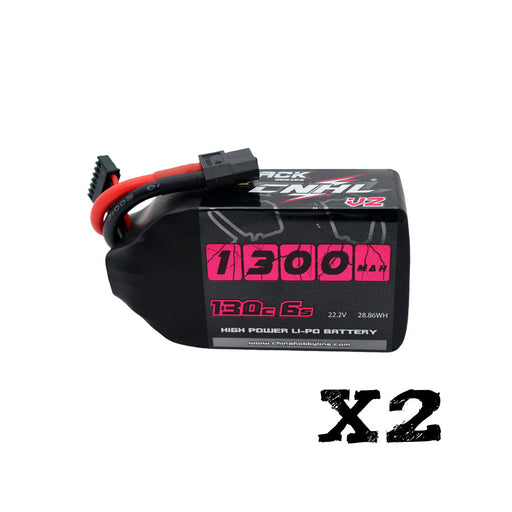
Pemeriksaan Kesesuaian Cepat 2 Packs CNHL Black Series V2.0 1300mAh 22.2V 6S 130C LiPo Battery dengan Colokan XT60 sangat cocok untuk pilot FPV yan...
Lihat detail lengkapSuku Cadang & Dukungan Jangka Panjang Kami memahami bahwa bagi pilot RC, dukungan suku cadang yang andal merupakan bagian penting untuk m...
Lihat detail lengkap
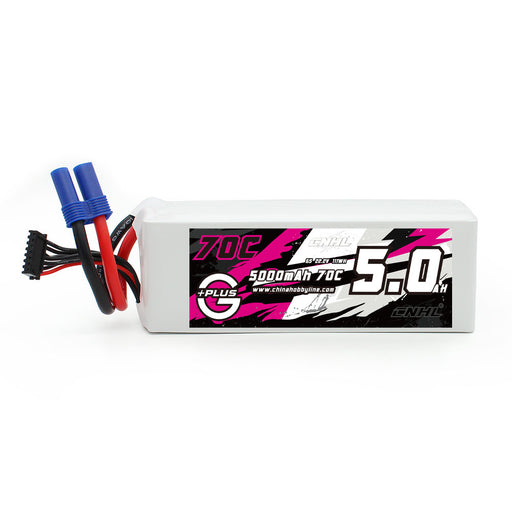
Spesifikasi: Nomor Stok: 500706EC5 Kapasitas: 5000mAh Voltase: 22.2V / 6-Sel / 6S1P Tingkat Discharge: 70C Kontinu / 140C Ledakan Tingkat Pengisi...
Lihat detail lengkap
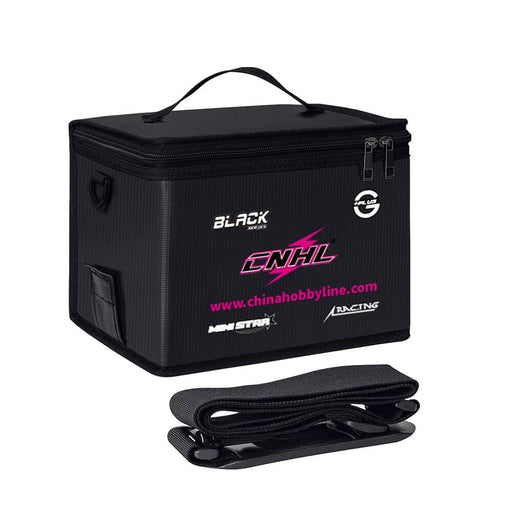
Tas Baterai LiPo CNHL dirancang untuk pengisian, transportasi, dan penyimpanan LiPo yang lebih aman di rumah atau di lapangan. Tas ini menambahkan ...
Lihat detail lengkap

Pemeriksaan Pemasangan Cepat 2 Paket CNHL Speedy Pizza Series Pro 1350mAh 6S 150C LiPo Battery dengan colokan XT60 dibuat untuk pilot FPV 5 inc...
Lihat detail lengkap

Quick Fit Check The CNHL Speedy Pizza Series 2200mAh 22.2V 6S 120C LiPo Battery with XT60 Plug combines the familiar 2200mAh 6S format with a ligh...
Lihat detail lengkap

Quick Fit Check The CNHL Speedy Pizza Series 2200mAh 14.8V 4S 120C LiPo Battery with XT60 Plug combines a widely used 2200mAh 4S format with a sli...
Lihat detail lengkap

Quick Fit Check The CNHL Speedy Pizza Series 2200mAh 11.1V 3S 120C LiPo Battery with XT60 Plug takes the familiar 3S 2200mAh aircraft battery form...
Lihat detail lengkap

The CNHL Long Range Series BAK 50D 5000mAh 21700 Li-ion battery cell is designed for custom high-energy battery packs that need a strong balance be...
Lihat detail lengkap

The ISDT C4 EVO is a versatile smart battery charger built for AA, AAA and cylindrical rechargeable cells from compact 10440 batteries all the way ...
Lihat detail lengkap


Tinggalkan komentar