
CNHL Lipo Batterijen
CNHL streeft ernaar hoogwaardige Li-Po batterijen en RC-producten te leveren aan alle hobbyisten met uitstekende klantenservice en concurrerende prijzen
De Redcat Vertex-10 en Redcat Vertex 10W zijn het soort RTR-crawlers waarbij de accukeuze belangrijker is dan normaal. Ze worden al geleverd met een krachtige borstelloze setup, stevige stuurhardware, portaalassen, onderdelen van koolstofvezel voor het chassis en een compacte indeling met het zwaartepunt vooraan. Dat betekent dat de accu niet alleen iets is dat de rijtijd bepaalt. Hij verandert hoe de truck aanvoelt op rotsen.
Onze belangrijkste conclusie is eenvoudig: het Vertex 10-platform heeft geen enorme accu nodig om capabel aan te voelen. Het borstelloze Hobbywing 1700KV-buitenlopersysteem biedt voldoende controle bij lage snelheid, waardoor een compacte 3S XT60-LiPo voor de meeste bestuurders al de nuttigste setup is. Een 4S-accu voegt pit, snelheid en een agressiever gevoel toe, maar is niet automatisch beter voor technisch kruipen.
De standaard Redcat Vertex 10 en de Redcat Vertex 10W moeten ook niet worden gezien als “de kleine versus de betere”. De standaard Vertex 10 is de precieze 1.9-crawler voor krappere lijnen. De Redcat Vertex 10W is de bredere 2.2-crawler voor stabiliteit, zijhellingen en grotere obstakels. Ze delen hetzelfde kernplatform, maar belonen verschillende rijstijlen.

Het eerste wat je over het Redcat Vertex 10-platform moet begrijpen, is dat het al over de elektronica beschikt waar veel crawlerbezitters normaal gesproken naartoe upgraden. De Hobbywing 2812 1700KV borstelloze buitenloper, de 60A-crawler-ESC, de instelbare hoogspannings-BEC, de XT60-connector en de borstelloze Hexfly-servo van 50 kg geven de truck een veel completer RTR-gevoel dan een eenvoudige geborstelde trailcrawler.
Dat verandert het advies voor de accu. Bij een zwakkere RTR-crawler zou je misschien voor een hogere spanning kiezen om de truck wat levendiger te maken. Hier voelt 3S al als een volwaardige setup voor kruipritten. De truck kan langzaam kruipen, grip houden, afdalen, krappe bochten maken en tussen obstakels toch stapvoets blijven rijden. 4S is leuk, maar dit platform heeft 4S niet nodig om levendig aan te voelen.
Voor bestuurders is de juiste accustrategie niet: “gebruik de grootst mogelijke accu.” De betere strategie is: houd de accu compact, houd de connector eenvoudig, plaats het gewicht op de juiste plek en kies de spanning op basis van je rijstijl.
| CNHL-conclusie | Waarom dit belangrijk is | Resultaat van de accu |
| Sterke RTR-elektronica | De truck heeft al een soepele regeling bij lage snelheid en een krachtige stuurwerking. | 3S is voldoende voor de meeste kruipritten. |
| Compacte accuruimte | Grote shorty-accu’s kunnen te breed of te dik zijn. | De pasvorm is belangrijker dan de capaciteit. |
| ESC geschikt voor 2S-4S | Het systeem geeft bestuurders ruimte om het vermogen af te stemmen. | 3S voor balans, 4S voor pit. |
Het Vertex 10-platform is opgebouwd rond een lichtgewicht chassis van 3 mm koolstofvezel, een naar voren geplaatste motor, een skidplaat met een hoek van 10 graden, hooggeplaatste achterste draagarmen, metalen aandrijfassen, portaalassen en stuurinrichting op de as. Dit is geen crawler waarbij een schaalgetrouwe carrosserie vooropstaat en prestaties op de tweede plaats komen. Hij is duidelijk gericht op technisch rijden.
Het aandrijfsysteem is een van de belangrijkste redenen waarom de truck anders aanvoelt. De borstelloze outrunner van Hobbywing zorgt voor een soepele gasregeling bij lage snelheid, terwijl de 60A ESC 2S-4S LiPo ondersteunt en een XT60-stekker gebruikt. Ook de ondersteuning voor een 10A BEC is belangrijk, omdat de truck is uitgerust met een krachtige borstelloze stuurservo van 50 kg. Bij een crawler met zo'n grote stuurhoek en zoveel trekkracht aan de voorkant is een stabiele stroomvoorziening belangrijk.
De stuurinrichting is een ander hoogtepunt. Dankzij de dubbele CV-voorassen en een stuurhoek tot 58 graden kunnen beide modellen veel krapper sturen dan veel bestuurders van een RTR-crawler zouden verwachten. De Redcat Vertex 10W biedt dankzij zijn bredere spoor en 32% overdrive nog meer controle, terwijl de standaard Vertex 10 het smallere, technischere gevoel behoudt.

De standaard Redcat Vertex 10 is de preciezere truck. Hij gebruikt assen van 204 mm, gemeten van zeskant tot zeskant, een wielbasis van 316 mm, 1,9-inch beadlockwielen, banden van 4,75 inch en in totaal 20% overdrive. Door die combinatie kun je de truck gemakkelijker door smalle rotsgangen, krappe poorten en technische lijnen sturen, waar de breedte een probleem kan worden.
De Redcat Vertex 10W is de stabielere truck. Hij gebruikt assen van 228 mm, gemeten van zeskant tot zeskant, een wielbasis van 330 mm, 2,2-inch beadlockwielen, banden van 5,25 inch en in totaal 32% overdrive. Op steile beklimmingen, losse ondergrond en uit het vlak liggende rotsen bieden de extra breedte en bandhoogte echte voordelen. Hij geeft meer vertrouwen wanneer de lijn open is en het risico op omrollen groot is.
Daarom zouden we de Redcat Vertex 10W niet simpelweg het “betere” model noemen. Het is het stabielere model. De standaard Redcat Vertex 10 is nog steeds de betere keuze wanneer je een smallere crawler wilt die op plekken past waar de Wide mogelijk niet komt. Als je lokale terrein krappe rotsspleten heeft, is de standaardtruck een logische keuze. Als je terrein steil en open is en veel zijhellingen heeft, is de Redcat Vertex 10W de betere keuze.

| Model | Setup | Karakter | Beste terrein |
| Redcat Vertex 10 | 204 mm assen, wielbasis van 316 mm, 1,9-inch wielen, 20% overdrive | Smalle, precieze, technische rijeigenschappen | Krappe poorten, smalle lijnen, gecontroleerd kruipen |
| Redcat Vertex 10W | 228 mm assen, wielbasis van 330 mm, 2,2-inch wielen, 32% overdrive | Breed, stabiel, agressief | Zijhellingen, steile beklimmingen, losse rotsen, open rotsvelden |
Het Vertex 10-platform is niet een van die crawlers waarbij 2S te zwak aanvoelt en 4S de enige manier lijkt om ervan te genieten. De borstelloze outrunner geeft de truck al een sterke respons bij lage snelheid. Op 3S heeft de truck voldoende controle bij het kruipen, genoeg drag brake en voldoende snelheid om tussen obstakels door te rijden zonder de crawler te scherp te maken voor krap technisch rotswerk.
Dat is belangrijk omdat technisch crawlen vooral draait om een nauwkeurige gasregeling, niet om maximale spanning. Een crawler die nauwelijks kan kruipen, zich tijdens een afdaling kan vasthouden en soepel kan herstellen zonder van de lijn te springen, is nuttiger dan een model dat alleen meer wielsnelheid heeft. Voor de Redcat Vertex 10 en Redcat Vertex 10W biedt 3S de beste balans.
4S verandert het karakter. De truck krijgt meer kracht, een directere gasrespons en een hogere wielsnelheid. Dat kan handig zijn op open rotsen, steile beklimmingen of wanneer de Redcat Vertex 10W een korte krachtstoot nodig heeft om van positie te veranderen. Maar 4S vraagt ook meer van de bestuurder. Bij technisch crawlen kan de extra spanning de truck agressiever laten aanvoelen dan nodig is.
| Accuspanning | Hoe het aanvoelt | Beste gebruik | CNHL-aanbeveling |
| 2S LiPo | Zacht en mild | Langzaam oefenen en rustige controle | Bruikbaar, maar niet onze eerste keuze voor dit borstelloze platform. |
| 3S LiPo | Gebalanceerd, soepel, krachtig genoeg | Dagelijks crawlen, technische passages, gemengd terrein | Het beste startpunt voor de meeste Vertex 10-bezitters. |
| 4S LiPo | Scherper, sneller, agressiever | Ervaren bestuurders, open rotsen, extra kracht | Leuk als tweede setup, vooral voor de Redcat Vertex 10W. |
De grootste accufout bij het Vertex 10-platform is ervan uitgaan dat elke normale 1/10-shorty-accu past. Dat is niet zo. De accuruimte is compact en dikke shorty-packs kunnen te breed zijn voor de standaardpositie. Dit is vooral belangrijk voor bestuurders die 4S willen gebruiken, omdat compacte 4S-packs moeilijker te kiezen zijn dan compacte 3S-packs.
Daarom raden we af om deze crawler te behandelen als een gewone 1/10-trailtruck met een groot hardcase-pack. Het Redcat Vertex 10-platform heeft een kleinere XT60 LiPo nodig die netjes past en de truck in balans houdt. Meer mAh helpt niet als het pack te breed of te hoog is, of een onhandige montagepositie vereist.
Bij de standaard Redcat Vertex 10 helpt een compacte plaatsing van de accu om het smalle, precieze rijgedrag te behouden. Bij de Redcat Vertex 10W helpt een compacte plaatsing om de bredere truck voorspelbaar te houden bij zijwaarts rijden op hellingen of klimmen. In beide gevallen maakt de accugrootte deel uit van de afstelling, niet alleen van de aankoop.
Voor dit platform houdt CNHL de aanbeveling bewust beperkt. De truck ondersteunt 2S-4S, maar de accuruimte is niet geschikt voor elk crawlerpack. Deze compacte MiniStar XT60-packs zijn de twee opties die het meest logisch zijn voor de Vertex 10 en Redcat Vertex 10W.
| CNHL-accu | Spanning | Beste match | Waarom we dit aanbevelen |
| CNHL MiniStar 850mAh 11.1V 3S 70C LiPo-accu met XT60-stekker | 3S | Beste configuratie voor dagelijks gebruik | De beste balans tussen controle, punch en een compacte pasvorm voor de meeste Redcat Vertex 10-bestuurders. |
| CNHL MiniStar 850mAh 14.8V 4S 70C LiPo-accu met XT60-stekker | 4S | Configuratie met extra vermogen | De optie met hogere spanning voor bestuurders die een agressiever borstelloos rijgevoel willen in een compact XT60-pakket. |
Onze keuze voor de meeste mensen is de 3S MiniStar. Deze past bij de manier waarop het Vertex 10-platform gereden wil worden: beheerst, soepel en technisch. De 4S MiniStar is de leuke optie als je meer punch wilt, vooral met de Redcat Vertex 10W op open rotsen of steile lijnen.
Bekijk hier de geselecteerde compacte accu's: LiPo-accu voor Redcat Vertex-10 en Vertex-10W.
Het Redcat Vertex 10-platform heeft sterke RTR-specificaties, maar het blijft een crawler die te maken krijgt met vastlopers, steile beklimmingen, zijdelingse belasting en grote stuurhoeken. Voordat je hem zwaar gebruikt, zouden we de kleine details controleren die bepalen of een goede crawler consistent blijft presteren.
Begin met de spoorstanguiteinden. Brede assen, veel tractie, de kracht van een borstelloze motor en een vastlopende rotslijn kunnen kleine kunststof onderdelen zwaar belasten. Dat betekent niet dat de Redcat Vertex 10 een universeel probleem met spoorstanguiteinden heeft, maar voor zwaar competitiegericht crawlen is het verstandig reserve-exemplaren mee te nemen.
We zouden ook de werking van de schokdemperolie, de spanning van de accuriem, de kabelgeleiding en de stuurspeling bij volledig insturen controleren. De truck heeft een grote stuurhoek en de accuruimte is compact, dus de configuratie moet vóór de eerste serieuze rotsrit netjes zijn.
Kies de standaard Redcat Vertex 10 als je terrein krap, technisch en vol smalle lijnen is. De 1.9-wielen, kortere wielbasis en smallere asbreedte maken het gemakkelijker om de truck te positioneren op plekken waar een brede 2.2-crawler mogelijk niet past.
Dit is ook de versie die we als eerste zouden combineren met het 3S MiniStar-pakket. Het doel is precisie, niet brute kracht. Een compacte 3S-accu houdt de configuratie overzichtelijk en maakt de truck gemakkelijker te controleren op technische lijnen.
Kies de Redcat Vertex 10W als je terrein stabiliteit beloont. De brede assen, langere wielbasis, 2.2-wielen, grotere banden en 32% overdrive zorgen voor een stabiel gevoel op steile beklimmingen en schuin aflopende rotsen. Dit is de versie die het meest geschikt is voor open rotsparcoursen, zijhellingen en agressieve lijnen.
De Redcat Vertex 10W is ook het model dat beter gebruik kan maken van 4S, maar voor de meeste bestuurders moet 3S nog steeds het uitgangspunt zijn. Gebruik 4S als je een scherper gevoel, meer kracht en sneller herpositioneren tussen obstakels wilt.
Het Redcat Vertex 10-platform is indrukwekkend omdat het al de belangrijke onderdelen heeft: borstelloze aandrijving, een krachtige servo, een structuur van koolstofvezel, links met veel bodemvrijheid, portaalassen, beadlock-velgen en een grote stuurhoek. Het voelt niet als een crawler die een gigantische batterij nodig heeft om zwakke elektronica te compenseren.
Voor de standaard Vertex 10 zouden we beginnen met een compacte 3S XT60-pack. Zo blijft de truck beheersbaar, licht en precies. Voor de Redcat Vertex 10W zouden we ook beginnen met 3S en daarna 4S toevoegen als de agressievere optie zodra de bestuurder vertrouwd is met de truck en de pasvorm van de batterij is bevestigd.
Dat is de meest praktische manier om dit platform in te stellen: 3S voor controle, 4S voor extra kracht en een compacte XT60-pasvorm voor beide.
Bekijk hier de geselecteerde packs: Redcat Vertex 10 LiPo-batterijcollectie.
De Redcat Vertex 10 gebruikt een 2S-4S LiPo-batterij met een XT60-connector. Omdat het batterijvak compact is, raadt CNHL een compacte XT60-pack aan in plaats van een grote hardcase-shorty-pack.
3S is beter voor de meeste dagelijkse crawls, omdat het een soepele controle en voldoende kracht biedt. 4S geeft de Redcat Vertex 10W een scherper, agressiever karakter, maar is niet nodig voor normaal technisch crawlen.
Ja. Beide RTR-modellen ondersteunen 2S-4S LiPo en gebruiken XT60. De keuze van de batterij draait vooral om rijstijl en fysieke pasvorm, niet om een andere connector.
Niet altijd. Veel standaard shorty-packs zijn te breed of te dik voor het compacte batterijvak van de Vertex 10. Controleer altijd de afmetingen van de batterij voordat je koopt, vooral voor 4S.
Nee. De Redcat Vertex 10W is stabieler op hellingen en steile beklimmingen, maar de standaard Redcat Vertex 10 kan beter zijn op smalle, technische lijnen. Een grotere breedte helpt op veel plekken, maar is niet automatisch overal beter.
Controleer de uiteinden van de spoorstangen, het gevoel van de schokdemperolie, de positie van de batterijriem, de vrije ruimte rond de bedrading en de stuurbeweging bij maximale stuuruitslag. Dit zijn verstandige controles voor elke competitiegerichte crawler, vooral als je van plan bent om 4S te gebruiken of de truck zwaar te belasten op rotsen met veel grip.
CNHL streeft ernaar hoogwaardige Li-Po batterijen en RC-producten te leveren aan alle hobbyisten met uitstekende klantenservice en concurrerende prijzen

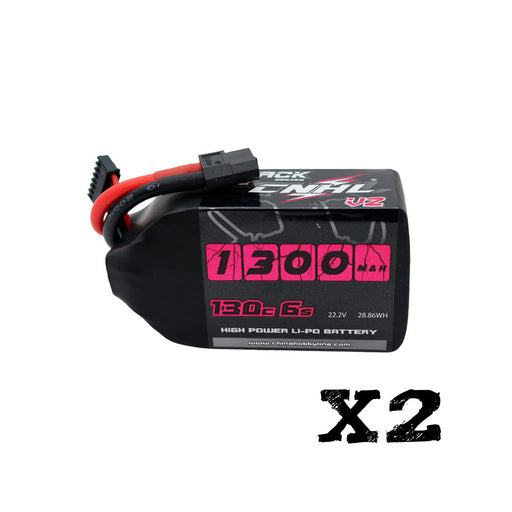
Snelle compatibiliteitscontrole De 2 Packs CNHL Black Series V2.0 1300mAh 22.2V 6S 130C LiPo Battery with XT60 Plug is zeer geschikt voor FPV-pilot...
Bekijk volledige detailsReserveonderdelen & langdurige ondersteuning We weten dat betrouwbare ondersteuning met reserveonderdelen voor RC-piloten een belangrijk ...
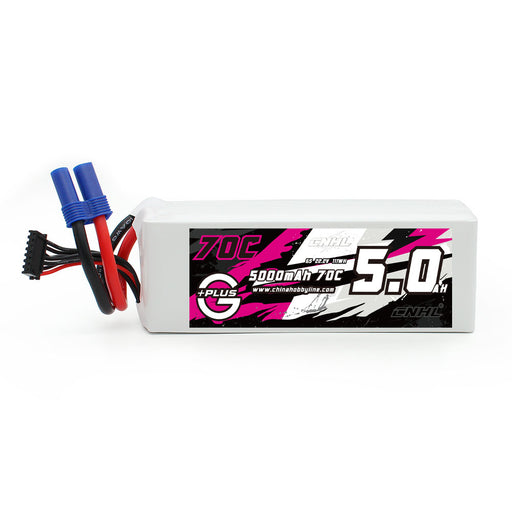
Bekijk volledige detailsSpecificaties: Voorraadnummer: 500706EC5 Capaciteit: 5000mAh Spanning: 22.2V / 6-cel / 6S1P Ontlaadsnelheid: 70C continu / 140C burst Laadsnelhei...
Bekijk volledige details
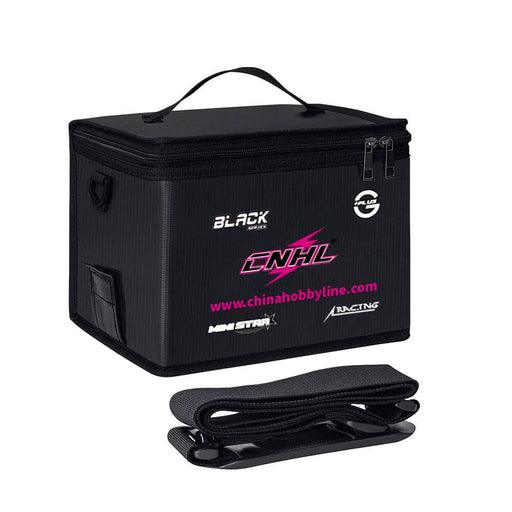
De CNHL LiPo Battery Bag is ontworpen voor veiliger LiPo-opladen, transport en opslag thuis of op het veld. Het voegt een praktische beschermlaag t...
Bekijk volledige detailsSnelle pascontrole De 2 Packs CNHL Speedy Pizza Series Pro 1350mAh 6S 150C LiPo-accu met XT60-stekker is ontworpen voor 5-inch FPV-piloten die ...
Bekijk volledige details

De BAK 65E 6350mAh 21700 Li-ion-batterijcel uit de CNHL Long Range Series is ontworpen met één duidelijke prioriteit: maximale opgeslagen energie u...
Bekijk volledige details

De CNHL Long Range Series BAK 50D 5000mAh 21700 Li-ion-batterijcel is ontworpen voor aangepaste batterijpakketten met een hoge energiedichtheid, wa...
Bekijk volledige details

De ISDT C4 EVO is een veelzijdige slimme batterijlader voor AA-, AAA- en cilindrische oplaadbare batterijen, van compacte 10440-batterijen tot grot...
Bekijk volledige details

De CNHL Long Range Series 6350mAh 21.6V 6S1P 21700 Li-ionbatterij combineert zes BAK 65E-cellen met hoge energiedichtheid tot een pakket van 137.16...
Bekijk volledige details

De CNHL Long Range Series 5000mAh 21.6V 6S1P 21700 Li-ion-accu combineert zes BAK 50D-cellen tot een compact pakket van 108Wh, ontworpen voor long-...
Bekijk volledige details




Laat een reactie achter