



Пояснення діапазону напруги LiHV (1S–8S)
Акумулятори LiHV для FPV не обмежені певним розміром дрона чи стилем польоту. Перевага високої напруги поширюється на кілька діапазонів напруги:
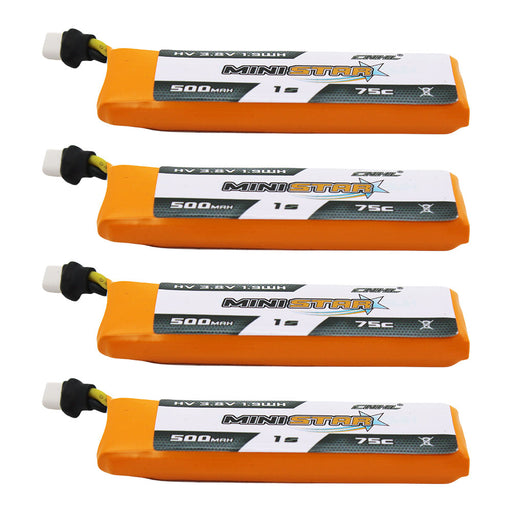
- 1S LiHV (4,35 В): Крихітні Whoop та мікро FPV дрони, де важить кожен грам і мілівольт.
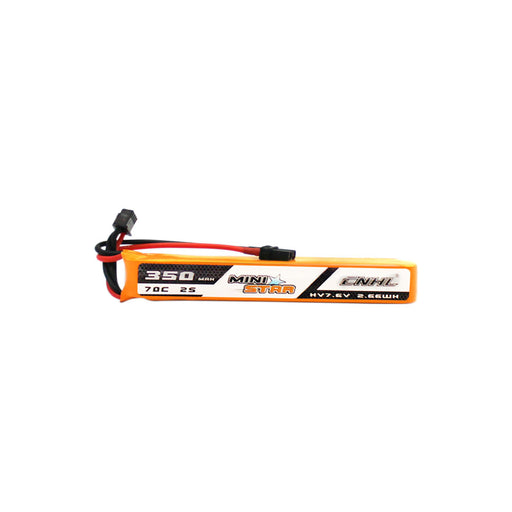
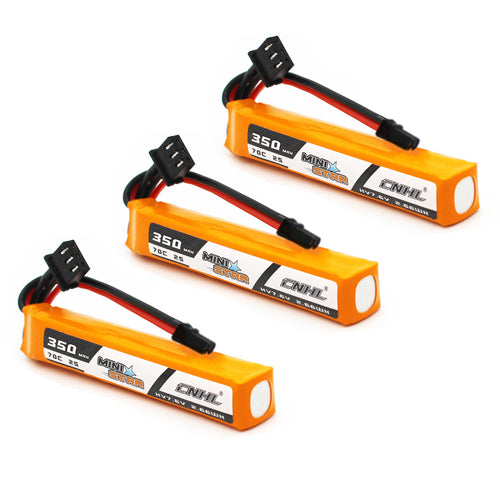
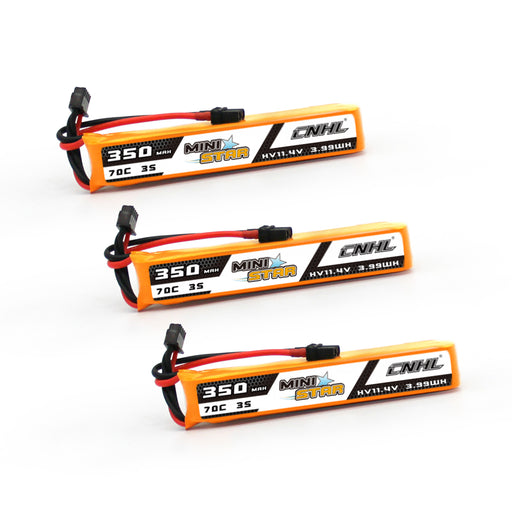
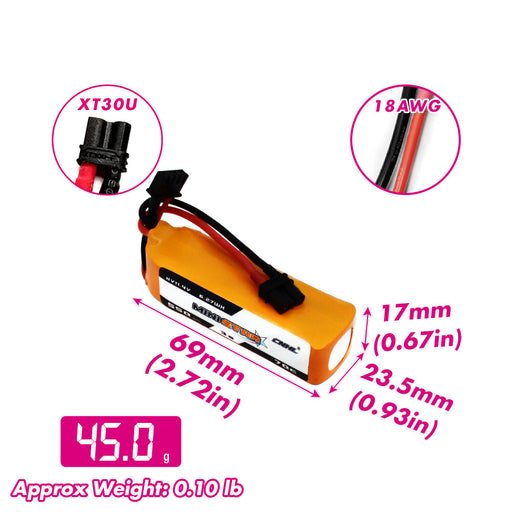
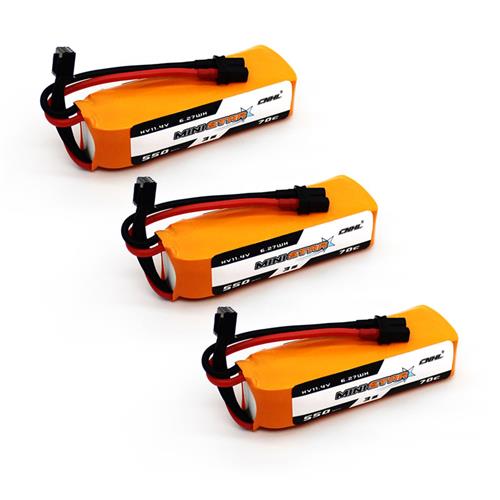
- 2S–3S LiHV: Cinewhoop, toothpick та легкі FPV конструкції, що потребують плавної, але чутливої потужності.
- 4S–6S LiHV: Фристайл, гонки, кінематографічний FPV та дрони для далекої відстані, які вимагають сильної потужності та низького падіння напруги.
- 8S LiHV: Cine-lifter та FPV дрони з великою вантажністю, що використовують двобатарейні або високовольтні системи живлення.
LiHV проти стандартних LiPo акумуляторів
| Характеристика | Стандартний LiPo | LiHV LiPo |
|---|---|---|
| Максимальна напруга заряджання | 4,20 В на елемент | 4,35 В на елемент |
| Відгук на газ | Добрий | Сильніший і миттєвий |
| Падіння напруги | Вище під навантаженням | Нижче під навантаженням |
| Типове використання у FPV | Загальний FPV політ | FPV конструкції, орієнтовані на продуктивність |
Хто повинен обирати LiHV FPV акумулятори
- Пілоти, які хочуть максимальний удар газу та чутливість
- Фристайл та гоночні пілоти, чутливі до падіння напруги
- Кінематографічні FPV пілоти, які потребують стабільної потужності протягом тривалих зйомок
- Будівельники cine-lifter, що використовують високовольтні або двобатарейні системи
Примітки щодо заряджання та сумісності
Акумулятори LiHV для FPV потребують зарядних пристроїв, які підтримують режим заряджання LiHV. Завжди перевіряйте, що ваш зарядний пристрій, регулятор швидкості (ESC), мотори та система живлення розраховані на вибрану напругу перед використанням.
Багато пілотів заряджають LiHV акумулятори до 4,20 В для подовження терміну служби, використовуючи повний заряд 4,35 В лише тоді, коли потрібна максимальна продуктивність або тривалість польоту.
Пов’язані колекції FPV акумуляторів
Поширені запитання про LiHV FPV акумулятори
Чи можна використовувати LiHV акумулятори на стандартному FPV дроні?
Так, якщо ваш ESC, мотори та електроніка розраховані на цю напругу. Завжди перевіряйте сумісність системи.
Чи потрібно заряджати LiHV акумулятори до 4,35 В?
Ні. Багато пілотів заряджають LiHV акумулятори до 4,20 В щодня і залишають заряджання до 4,35 В для гонок або складних польотів.
Чи кращі LiHV акумулятори за стандартні LiPo?
LiHV акумулятори мають вищу пікову напругу та менше падіння напруги, що робить їх ідеальними для FPV конструкцій, орієнтованих на продуктивність.