
بطاريات CNHL ليبو
تهدف CNHL إلى توفير بطاريات Li-Po عالية الجودة ومنتجات RC لجميع عشاق الهوايات مع خدمات عملاء ممتازة وأسعار تنافسية
Not every RC airplane needs retractable landing gear, scale cockpit details, unlimited vertical performance or a complicated flight control system. Sometimes, the most enjoyable airplane in the hangar is the one that takes only a few minutes to prepare and puts the biggest smile on your face.
The Arrows Hobby 1220mm SkyStick is a refreshing reminder of that idea. With its exposed aluminum fuselage, rounded yellow and navy-blue wings, oversized wheels and straightforward 3S power system, it embraces a style of RC flying that has remained popular for decades.
The SkyStick looks like another simple high-wing trainer. Look more closely, however, and you will find an interesting combination of classic slow-stick handling, rugged construction, recreational bush flying capability and practical upgrade potential.
It is not trying to be the most powerful or sophisticated RC airplane available. Instead, it focuses on something equally important: making everyday flying enjoyable, accessible and uncomplicated.

Arrows SkyStick Review: At a Glance
For many long-time RC enthusiasts, the sight of an airplane built around a simple fuselage stick immediately brings back memories of the original GWS Slow Stick.
During the early years of electric RC flying, lightweight stick airplanes became popular because they were affordable, easy to understand and forgiving in the air. Their simple construction made repairs manageable, while their modest flying speeds gave pilots more time to think and react.
The classic GWS Slow Stick was particularly memorable for its uncomplicated three-channel flying experience. It did not need impressive aerobatic performance to be enjoyable. Its appeal came from the freedom to spend an evening flying without the preparation associated with larger, more complicated models.

Modern brushless motors, LiPo batteries, digital radio systems and improved foam construction have expanded what a stick airplane can do. Models such as the E-flite Slow Ultra Stick and Arrows SkyStick preserve the accessible character of the original concept while adding aileron control, improved structural rigidity and more capable power systems.
That development is important because simplicity no longer has to mean fragility or extremely limited flight performance.
The SkyStick takes the concept in a particularly practical direction. Rather than chasing maximum aerobatic capability, it places greater emphasis on a durable airframe, convenient assembly and the kind of low-speed flying that makes an uncomplicated airplane worth owning.
| Model | Arrows Hobby 1220mm SkyStick |
| Wingspan | 1220mm (48 in) |
| Overall Length | 955mm (37.6 in) |
| Flying Weight | Approx. 900g (manufacturer specification) |
| Wing Area | 33.5dm² (519.3 sq. in.) |
| Wing Loading | 26.9g/dm² |
| Motor | Brushless 2212-KV1300 |
| ESC | 20A Brushless ESC |
| Propeller | 10 × 5, 2-blade |
| Servos | 3 × 9g |
| Recommended Battery | 3S 11.1V 1300–2200mAh LiPo, 25C |
| Battery Connector | XT60 |
| Center of Gravity | 85–95mm behind the wing leading edge |
| Radio Requirements | Minimum 4 channels |
| Flight Controls | Throttle, Aileron, Elevator and Rudder |
| Landing Gear | Fixed metal landing gear with oversized wheels |
| Flaps | No; optional dual-servo flaperon modification possible |
| Approximate Flight Duration | about 8 minutes |
The SkyStick's most distinctive feature is its exposed aluminum square-tube fuselage.
Most modern foam trainers use a molded fuselage that encloses the electronics and provides the airplane's overall shape. The SkyStick removes much of that unnecessary structure and uses an aluminum backbone to connect the motor, wing mounts, landing gear and tail assembly.

This approach offers several practical advantages. Electronics remain accessible, individual structural components can be inspected easily, and repairs do not necessarily require opening a molded foam fuselage.
The front and rear fuselage sections are separate components, making replacement and maintenance more manageable if an accident damages one section.
There is also a trade-off. An exposed airframe is less aerodynamic than a conventional enclosed fuselage, and it offers less protection against dirt, moisture and direct contact with the electronics. The SkyStick is designed around practicality rather than aerodynamic refinement.
That is entirely appropriate for an airplane whose main purpose is enjoyable low-speed flying.
The SkyStick's design puts structural strength into components that frequently experience stress during everyday flying: the fuselage backbone, wing mounts and landing gear.
Its relatively substantial aluminum square tube and reinforced mounting points give it a reassuringly solid appearance. Field experience also suggests that the metal landing gear tolerates imperfect landings well.
Nevertheless, durability should not be confused with being crash-proof. Following a heavy landing, inspect the wing locks, landing gear attachment, aluminum tube alignment, control linkages and propeller before flying again.
One of the less obvious reasons why some RC airplanes receive more flying time than others has nothing to do with their flight performance.
It is convenience.
A large scale warbird or EDF jet may deliver a spectacular flying experience, but transporting it, assembling it and preparing its equipment can turn a short flying session into a much larger commitment.
The SkyStick approaches the hobby from the opposite direction.

Its main wing uses quarter-turn locking fasteners, allowing the assembled wing to be installed or removed quickly. The landing gear is detachable, and the fuselage can be separated into two sections when more compact transportation is required.
The result is a 1.2-meter airplane that does not necessarily require a dedicated vehicle or permanent storage space.
For pilots who enjoy short evening flights, weekend trips to the flying field or simply keeping a ready-to-use airplane in the car during suitable weather, this convenience is a meaningful advantage.
Just remember that convenience does not remove the need for a complete pre-flight inspection. Every removable structural component must be correctly secured before takeoff.
With a wingspan of 1220mm, a generous wing area of 33.5dm² and a wing loading of 26.9g/dm², the SkyStick is clearly designed to remain comfortable at relatively low flying speeds.
Its high-wing configuration and straightforward control layout give developing pilots time to make corrections, while experienced pilots can enjoy relaxed circuits without constantly managing speed or demanding control inputs.

The airplane is particularly appealing for gentle turns, touch-and-go practice, controlled approaches and smooth low-throttle cruising.
It can also perform tighter maneuvers when flown by an experienced pilot. Its forgiving low-speed character makes these maneuvers approachable, although airspeed and stall awareness remain essential.
Unlike an EDF jet that rewards energy management at higher speeds, the SkyStick encourages pilots to slow down and enjoy the details of controlling an airplane.
There is an important distinction here: a low wing loading does not make an aircraft immune to stalls. Excessive angle of attack, abrupt control inputs, incorrect balance and turbulent conditions can still result in a loss of control.
Proper setup and appropriate flying conditions remain essential.
Although marketed primarily as a trainer, the SkyStick has several characteristics that make it particularly interesting for recreational bush flying.
Its oversized wheels, flexible wire landing gear, low-speed handling and short takeoff and landing potential are all features associated with enjoyable grass-field flying.

Its landing gear is especially noteworthy. Rather than using a rigid carbon fiber landing gear assembly, the SkyStick employs a metal wire structure with some natural flexibility.
This helps absorb part of the impact during imperfect touchdowns and gives the airplane a practical advantage when operating from suitable uneven grass surfaces.
The large wheels are another useful feature. Many owners of other stick airplanes eventually install larger wheels to improve grass-field performance. The SkyStick incorporates that idea into its standard configuration.
The SkyStick can perform relatively short takeoffs and landings when conditions, pilot technique and aircraft setup are suitable.
Its slow approach speeds make it an enjoyable platform for practicing controlled approaches, accurate touchdowns and short-field techniques.
However, the stock SkyStick does not have dedicated flaps or the specialized high-lift devices found on some purpose-built STOL aircraft. It should be viewed as a capable recreational bush flyer rather than a dedicated extreme-STOL competition airplane.
For many pilots, that balance is exactly what makes it attractive. It offers enough bush flying capability to be entertaining without requiring the complexity of a specialized aircraft.
The stock 2212-KV1300 motor, 20A ESC and 10 × 5 propeller provide a practical power system for an aircraft of this type.
There is enough performance for more than basic trainer circuits. Once pilots are comfortable with the aircraft, they can explore loops, rolls, stall turns and inverted flight within the limitations of the stock setup.
Its roll rate is better suited to relaxed sport flying than aggressive aerobatics. The relatively simple airframe also lacks the fuselage side area needed for sustained knife-edge flight.
| Flying Style | Stock SkyStick Capability |
|---|---|
| Relaxed Cruising | Excellent fit for the aircraft's design |
| Slow Flying | A primary strength |
| Grass-Field Takeoffs and Landings | Well suited to appropriate surfaces |
| Loops and Rolls | Suitable for basic sport aerobatics |
| Inverted Flight | Possible with appropriate control inputs |
| Sustained Knife-Edge Flight | Limited by airframe geometry |
| Hovering and Unlimited Vertical Climb | Not a stock power-system strength |
| Aggressive 3D Aerobatics | Not the aircraft's intended role |
The distinction matters because stick airplanes are sometimes judged by how many advanced maneuvers they can perform. That misses the point of the SkyStick.
Its strength is delivering accessible sport flying in a rugged and uncomplicated package, not competing with specialized 3D aircraft.
Anyone considering the Arrows SkyStick will probably also look at the E-flite Slow Ultra Stick. Both airplanes bring a familiar stick-plane concept into the modern brushless RC era, and both appeal to pilots who appreciate slow flight and uncomplicated construction.
Despite their similarities, the two aircraft have different priorities.

| Feature | Arrows SkyStick | E-flite Slow Ultra Stick |
|---|---|---|
| Wingspan | 1220mm | 1188mm |
| Length | 955mm | 1041mm |
| Fuselage | Aluminum square tube | Aluminum square tube |
| ESC | 20A | 30A Spektrum Avian Smart Lite |
| Battery | 3S 1300–2200mAh | 2S–3S 1300–2200mAh |
| Connector | XT60 | IC3 / EC3 |
| Landing Gear | Flexible metal wire | Carbon fiber |
| Wheels | Oversized wheels | Smaller stock wheels |
| Wing Attachment | Quarter-turn quick-release locks | Screw attachment |
| Slow Flying | Excellent | Excellent |
| Stock Aerobatics | Basic to moderate sport flying | Broader aerobatic capability |
| Receiver | User supplied with PNP | AR630 included with BNF Basic |
| Primary Appeal | Durability and everyday convenience | More powerful sport performance |
The SkyStick is particularly appealing when durability, convenient transportation and grass-field operation take priority.
Its metal landing gear offers a different approach to absorbing landing loads, while its oversized wheels reduce the need for an immediate wheel upgrade for suitable grass flying conditions.
The quarter-turn wing locks also make frequent transportation and assembly more convenient.
The E-flite Slow Ultra Stick has a more capable stock power system and offers a broader aerobatic flight envelope on 3S power.
For pilots interested in stronger vertical performance, hovering and more aggressive sport maneuvers, the E-flite model is the more natural starting point.
Its BNF Basic configuration also includes a Spektrum receiver with AS3X and SAFE Select, which is especially convenient for existing Spektrum users.
The answer depends on the equipment you already own.
A SkyStick PNP can be particularly economical for someone with a spare compatible receiver, transmitter, battery and charger. However, adding a premium stabilization receiver can reduce the initial price difference between the two aircraft.
Compare the complete flight-ready cost rather than the advertised aircraft price alone.
The SkyStick and Slow Ultra Stick are both attractive modern stick airplanes. The better choice depends on whether your priorities are relaxed, rugged everyday flying or a wider range of stock aerobatic performance.
Arrows offers the SkyStick in both Plug-and-Play (PNP) and Ready-to-Fly (RTF) configurations, allowing pilots to choose between a complete introductory package and greater freedom over the installed radio equipment.
Best for: Pilots who already own radio equipment or want more control over aircraft setup.
Best for: New pilots who want a convenient package without separately selecting all the required electronics.
The RTF transmitter includes an important throttle-lock function, and the Vector system provides stabilization options for developing pilots.
Experienced users may prefer the PNP version because a programmable radio system typically allows more detailed adjustment of control rates, exponential, channel mixing and gyro settings.
These adjustments become particularly useful when experimenting with dual aileron servos, flaperons or more advanced flight configurations.
The Vector system supplied with the standard RTF configuration provides different levels of electronic flight assistance.
Provides self-leveling assistance to help pilots maintain more manageable aircraft attitudes during basic flying practice.
Provides stabilization assistance intended to reduce the effects of external disturbances while allowing greater freedom over aircraft attitude.
Disables gyro assistance and allows the pilot to control the aircraft directly.
A stabilization system can make an already forgiving aircraft feel smoother, but it does not correct an incorrectly installed battery, mechanically misaligned control surfaces or an unsuitable center of gravity.
Before flying, always verify that both the pilot-commanded control directions and the stabilization correction directions are correct.
The SkyStick is mechanically simple and does not require extensive glue-based construction. Nevertheless, taking the time to assemble it correctly is much more important than meeting an advertised assembly-time estimate.
Join the two wing panels using the supplied wing tube and appropriate hardware. Ensure that the aileron linkages are installed correctly and move freely.
Once the wing is attached to the fuselage, confirm that both quarter-turn wing locks are fully engaged. Check the attachment again after transportation or any heavy landing.
Align the tail components carefully so that the mounting holes are in their correct positions. The updated assembly instructions specify an M3 × 20mm screw for securing the horizontal stabilizer assembly.
Use the correct supplied hardware rather than forcing a shorter or larger screw into a misaligned hole.
The manufacturer provides the following control surface travel settings as a starting point:
| Control Surface | Low Rate | High Rate |
|---|---|---|
| Aileron | 16mm up/down | 20mm up/down |
| Elevator | 16mm up/down | 20mm up/down |
| Rudder | 30mm left/right | 40mm left/right |
Use the recommended low-rate settings for the maiden flight. A programmable transmitter can provide additional adjustment through exponential and dual rates once the aircraft's basic handling is understood.
New pilots should consider assistance from an experienced instructor and simulator practice before attempting their first flight.
The SkyStick's stock power system is designed for a 3S 11.1V LiPo battery with a capacity between 1300mAh and 2200mAh and an XT60 connector.
However, the battery plays a more important role than simply supplying power. Because the aircraft uses a lightweight open fuselage, changing battery weight or mounting position can noticeably affect its center of gravity and overall handling.
Some lightweight 1300mAh setups may require the battery to be positioned particularly far forward to obtain the correct balance. A moderately heavier battery can sometimes make balancing easier while providing additional usable capacity.
| Recommended CNHL Battery | Best Application |
|---|---|
| Black Series 2200mAh 3S Shorty 40C XT60 | Compact higher-capacity all-round flying |
| Black Series V2.0 1500mAh 3S 130C XT60 | Balanced lightweight everyday flying |
| Black Series V2.0 1300mAh 3S 130C XT60 | Minimum battery weight and relaxed slow flying |
The compact CNHL 2200mAh 3S Shorty is an especially appealing option for pilots who want additional capacity without moving to a substantially heavier conventional battery. The 1300mAh and 1500mAh V2.0 packs remain attractive for pilots prioritizing low installed weight.
Always check the aircraft's balance with the actual battery installed rather than assuming that packs with the same capacity will produce identical results. You can compare compatible CNHL 3S XT60 batteries, lightweight packs and compact Shorty options in our dedicated Arrows SkyStick LiPo Batteries Collection. Find the Right Battery for Your Arrows SkyStick
PNP owners who need a suitable charging system can also explore our ISDT smart balance chargers for convenient 3S LiPo charging.
The SkyStick's straightforward construction makes it an interesting platform for pilots who enjoy experimenting with their RC airplanes.
Unlike more complicated scale aircraft, many of its mechanical and electrical components are easily accessible. That makes changes to the radio system, control linkages and power system relatively approachable for experienced builders.
The standard SkyStick uses a single centrally mounted servo to control both ailerons. This arrangement keeps the electronics simple and reduces component count.
However, the wing includes provisions for a dual-servo installation.
Installing an independent servo for each aileron allows a compatible transmitter and receiver to provide more flexible control mixing, including flaperons.
With both ailerons moving downward together, the pilot can experiment with different low-speed approach characteristics while retaining differential aileron control.
This modification is particularly interesting for bush flying enthusiasts, but its effects should be evaluated carefully. Lowered flaperons can reduce roll authority, change pitching behavior and affect the way the outer wing approaches a stall.
Correct servo direction, adequate control authority and appropriate elevator compensation should be established before using the modification close to the ground.
A programmable radio system can transform the available setup flexibility without changing the airframe itself.
Independent control rates, exponential, adjustable stabilization and advanced mixing are particularly useful when exploring the SkyStick's sport flying potential.
Spektrum AS3X-compatible receivers are one option for pilots already invested in that radio ecosystem. Other compatible receivers and stabilization systems can also be considered.
The key is to configure the aircraft correctly rather than assuming that a more expensive receiver will automatically improve its handling.
The stock oversized wheels are already useful for grass flying, but pilots operating regularly from rougher surfaces may prefer softer tires.
A suitable lightweight wheel upgrade can improve impact absorption, although larger or heavier wheels may introduce additional drag, change aircraft balance and place greater loads on the landing gear.
Check axle compatibility and installed weight before replacing the original wheels.
The stock SkyStick has enough power for its intended trainer and recreational sport flying role. Nevertheless, some experienced pilots may want stronger vertical performance or a more responsive aerobatic setup.
The original 20A ESC has limited additional current headroom. Published field testing has reported current draw approaching 19A with the original power system, although actual current depends on the battery, propeller and test conditions.
Installing a larger propeller without evaluating the resulting electrical load could overload the ESC or motor.
For a properly engineered higher-power setup, a 30A aircraft ESC may be a suitable component to investigate.
The Hobbywing SkyWalker V2 30A aircraft ESC supports 3S–4S input and includes a 5V/5A BEC, making it an interesting candidate for custom small-aircraft power systems where additional ESC current capacity is required.
A higher-rated ESC does not increase motor power on its own. It also does not increase the current or thermal limits of the original 2212 motor.
Any propeller or motor change must be evaluated using reliable current measurements, manufacturer limits and temperature checks. The BEC must also be suitable for the installed receiver and servos, especially if additional servos are fitted.
Upgrading the ESC to a 4S-capable model does not mean the original motor and propeller become suitable for 4S operation.
For pilots planning a custom aircraft power system, browse our complete range of Hobbywing SkyWalker aircraft ESCs.
Stick airplanes have always divided opinions when it comes to appearance.
Some pilots appreciate the honest mechanical simplicity of an exposed aluminum fuselage, while others prefer the more polished appearance of a conventional scale airplane.
The SkyStick adds some character to the concept through its rounded flying surfaces, yellow and navy-blue scalloped wing design and checkerboard details.
The supplied water-slide decals allow owners to personalize the airplane rather than being limited to a single predetermined finish.
There is also a practical reason to experiment with the graphics. The upper and lower wing surfaces have a similar color scheme, so contrasting decals on one side can help pilots distinguish aircraft orientation during turns and inverted flight.
The SkyStick may never be mistaken for a detailed scale model, but that is part of its charm. It is an airplane that invites customization and regular use rather than careful display.
Several characteristics make the SkyStick appealing to new RC pilots: relatively low flying speeds, a high-wing configuration, straightforward assembly and a rugged landing gear design.
The RTF version also provides a convenient starting package with stabilization assistance and throttle-lock functionality.
However, being easy to fly does not mean an aircraft requires no training.
The SkyStick still has four primary flight controls, a substantial wingspan and a powerful spinning propeller. Beginners must learn orientation, throttle management, coordinated turns, landing approaches and safe recovery techniques.
Proper CG setup is particularly important because lightweight battery configurations may require careful forward positioning.
For a first-time pilot, the best results are likely to come from combining an appropriate RTF setup with simulator practice, assistance from an experienced flyer and calm weather at a suitable flying field.
For pilots who have already learned basic flight control, the SkyStick can be an enjoyable next step into four-channel sport flying.
Its low-speed handling, high-wing layout and rugged construction make it a reasonable beginner airplane, particularly with stabilization assistance. Simulator training and help from an experienced pilot are recommended for first-time flyers.
Neither is universally better. The SkyStick emphasizes durability, convenient assembly and grass-field flying, while the E-flite Slow Ultra Stick offers stronger stock aerobatic performance. Both are capable slow flyers.
Yes. Its oversized wheels, flexible metal landing gear and low-speed flight characteristics make it well suited to grass flying fields.
It has useful short takeoff and landing potential for recreational flying. However, it does not have dedicated stock flaps and is not designed specifically as an extreme-STOL competition aircraft.
Reliable hovering is not a strength of the original power system. A custom propulsion upgrade may expand its capabilities, but hovering performance cannot be guaranteed by installing a larger ESC alone.
No. The original aircraft has a single aileron servo and no dedicated flaps. The wing includes provisions for installing independent aileron servos, allowing flaperon mixing with compatible radio equipment.
The standard PNP configuration does not include the Vector stabilization system. Pilots can install a compatible receiver or separate stabilization system. The standard RTF configuration includes Vector assistance.
The stock SkyStick uses a standard 3S 11.1V LiPo battery from 1300mAh to 2200mAh with an XT60 connector. Browse our compatible Arrows SkyStick batteries for suitable options.
The manufacturer's recommended CG is 85–95mm behind the wing leading edge. Adjust battery position and check aircraft balance before every flight following a configuration change.
The original power system is designed for 3S LiPo operation. Do not use a 4S battery with the stock configuration. A higher-voltage custom setup would require evaluating or replacing all affected propulsion components.
A compatible 30A aircraft ESC may be considered as part of a custom upgrade. Confirm input voltage, BEC output, connector compatibility, motor limits and installation requirements. A higher ESC rating does not automatically increase motor performance.
No waterproof or amphibious capability is specified for the standard SkyStick. Avoid water exposure and do not operate the aircraft from water surfaces.
The Arrows Hobby 1220mm SkyStick is not an airplane that needs to impress with complicated engineering or extreme performance figures. Its appeal is much more straightforward.
It combines an uncomplicated aluminum airframe, useful slow-flight characteristics, oversized wheels and convenient assembly into an aircraft that encourages pilots to fly more often.
Its stock power system is not intended to compete with dedicated 3D airplanes, and some pilots may eventually want more advanced radio equipment or independent aileron control. Those limitations do not undermine its purpose. They simply define where the SkyStick fits within a modern RC hangar.
For developing pilots, it offers an approachable introduction to four-channel flying. For experienced enthusiasts, it provides a refreshing alternative to the preparation and concentration demanded by larger or more complicated aircraft.
Most importantly, it brings back an idea that made the original slow-stick airplanes so memorable: an RC airplane does not need to be complicated to be worth flying.
Sometimes the airplane that delivers the most enjoyment is simply the one you take to the field most often.
تهدف CNHL إلى توفير بطاريات Li-Po عالية الجودة ومنتجات RC لجميع عشاق الهوايات مع خدمات عملاء ممتازة وأسعار تنافسية
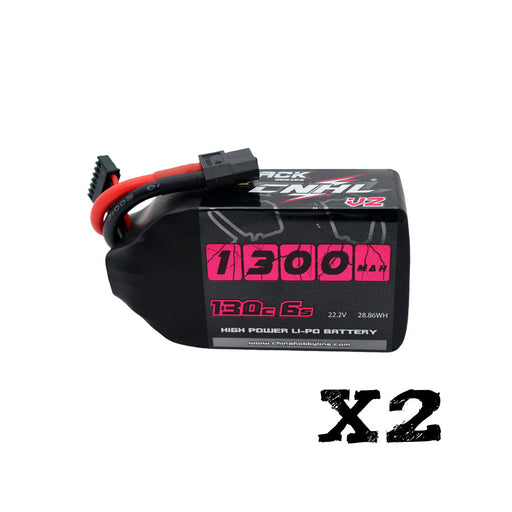
تحقق سريع من الملاءمة تُعد بطارية CNHL Black Series V2.0 بسعة 1300mAh وجهد 22.2V وتكوين 6S ومعدل 130C، مع قابس XT60، المكونة من عبوتين خيارًا مثالي...
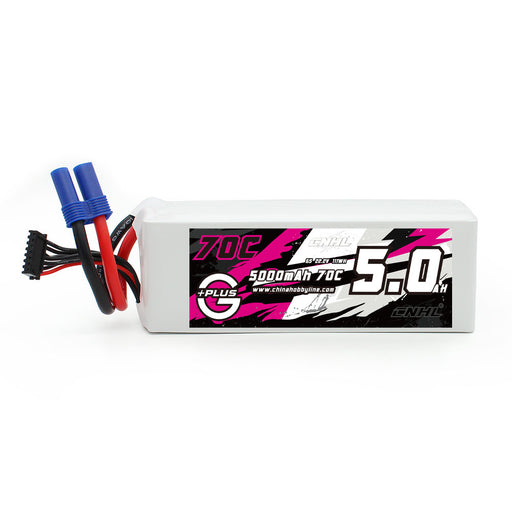
عرض التفاصيل الكاملةالمواصفات: رقم المخزون: 500706EC5 السعة: 5000mAh الجهد: 22.2V / 6-خلية / 6S1P معدل التفريغ: 70C مستمر / 140C انفجار معدل الشحن: 5C كحد أقصى الحجم...
عرض التفاصيل الكاملة
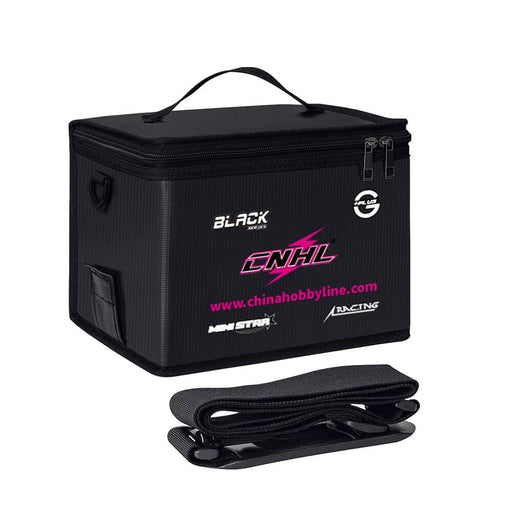
تم تصميم حقيبة بطارية CNHL LiPo لشحن LiPo، النقل، والتخزين بشكل أكثر أمانًا في المنزل أو في الميدان. تضيف طبقة حماية عملية من خلال المساعدة في احتو...
عرض التفاصيل الكاملةفحص التركيب السريع حزمة 2 حزم CNHL Speedy Pizza Series Pro 1350mAh 6S 150C LiPo مع قابس XT60 مصممة لطياري FPV بقياس 5 إنش الذين يريدون إعداد طي...
عرض التفاصيل الكاملةالمواصفات: رقم المخزون: 1501204 السعة: 1500mAh الجهد: 14.8V / 4 خلايا / 4S1P معدل التفريغ: 120C مستمر / 240C لحظي معدل الشحن: 5C كحد أقصى الحجم (ف...
عرض التفاصيل الكاملة

يوفر كابل محول بطارية CNHL المكوّن من عبوتين من XT60 إلى IC2 طريقة ملائمة لتوصيل بطاريات LiPo المتوافقة بموصل XT60 بطرازات RC المزودة بموصل IC2 دو...
عرض التفاصيل الكاملة

إن ISDT X16 هو شاحن LiPo احترافي عالي القدرة وثنائي القناة يعمل بتيار متردد، مصمم لأنظمة بطاريات RC الكبيرة التي تتجاوز كثيرًا قدرات شاحن الميدان ...
عرض التفاصيل الكاملة

صُمّم ISDT PD60 بوصفه شاحن توازن LiPo بقدرة 60W يعمل عبر USB-C، بحجم صغير، لمستخدمي RC الذين يريدون حلًا بسيطًا ومحمولًا للشحن من دون حمل مزوّد...
عرض التفاصيل الكاملة

تحقق سريع من الملاءمة تجمع بطارية CNHL Speedy Pizza Series 2200mAh 22.2V 6S 120C LiPo مع قابس XT60 بين تنسيق 2200mAh 6S المألوف وشكل بطارية أخف وأ...
عرض التفاصيل الكاملة

تحقق سريع من الملاءمة تجمع بطارية CNHL Speedy Pizza Series 2200mAh 14.8V 4S 120C LiPo مع قابس XT60 بين تنسيق 2200mAh 4S واسع الاستخدام وتصميم نحيف...
عرض التفاصيل الكاملة



اترك تعليقًا