ما هو شاحن بطارية LiPo بترتيب 8S؟
شاحن بطارية LiPo بترتيب 8S هو شاحن مصمم خصيصًا لشحن بطاريات الليثيوم بوليمر القياسية التي تحتوي على ثماني خلايا متصلة على التوالي. تتمتع بطارية LiPo قياسية بترتيب 8S بجهد اسمي قدره 29.6 فولت، وتصل إلى 33.6 فولت عند شحن كل خلية إلى 4.20 فولت.
هذا مهم لأن العديد من شواحن الهوايات الشائعة تقتصر على بطاريات 6S. لا ينبغي اعتبار الشاحن شاحن LiPo بترتيب 8S إلا عندما تذكر مواصفاته صراحةً دعم LiPo القياسي حتى ثماني خلايا.
جهد LiPo بترتيب 8S: 29.6 فولت اسميًا و33.6 فولت عند الشحن الكامل
| مواصفات LiPo بترتيب 8S | الجهد |
|---|---|
| عدد الخلايا | 8 خلايا على التوالي |
| الجهد الاسمي | 29.6V |
| جهد الشحن الكامل لبطارية LiPo القياسية | 33.6V |
| الجهد الأقصى لكل خلية | 4.20V |
يجب استخدام برنامج LiPo القياسي في الشاحن مع بطاريات LiPo القياسية بترتيب 8S. لا تختر برنامج LiHV أو أي برنامج ليثيوم آخر بجهد أعلى مع حزمة LiPo قياسية.
ما مقدار القدرة التي يحتاجها شاحن LiPo بترتيب 8S؟
يشير تصنيف 8S إلى أن الشاحن قادر على التعامل مع جهد البطارية. لكنه لا يوضح مدى سرعة شحنه لبطارية 8S كبيرة.
التقريب المفيد بالقرب من الجهد الكامل هو:
على سبيل المثال، يتطلب شحن بطارية 8S بتيار 5 أمبير تقريبًا 168W عند البطارية بالقرب من نهاية الشحن. يتطلب الشحن بتيار 10 أمبير تقريبًا 336Wستكون متطلبات الإدخال الفعلية أعلى، لأن أنظمة الشحن لا تتمتع بكفاءة 100%.
قدرة شحن 8S حسب سعة البطارية عند 1C
عندما يسمح مُصنّع البطارية بمعدل شحن 1C، يكون تيار الشحن بالأمبير مساويًا تقريبًا لسعة الحزمة بوحدة أمبير-ساعة. توضح الأرقام أدناه القدرة التقريبية المطلوبة من جانب البطارية بالقرب من جهد الشحن الكامل البالغ 33.6 فولت.
| سعة 8S | التيار التقريبي عند 1C | القدرة التقريبية عند الاقتراب من الجهد الكامل |
|---|---|---|
| 3000 ملّي أمبير-ساعة | 3A | 100.8 واط |
| 4000 ملّي أمبير-ساعة | 4A | 134.4 واط |
| 5000 ملّي أمبير-ساعة | 5A | 168W |
| 6000 ملّي أمبير-ساعة | 6A | 201.6 واط |
| 8000 ملّي أمبير-ساعة | 8A | 268.8 واط |
| 10000 ملّي أمبير-ساعة | 10A | 336W |
هذه أرقام تقريبية من جانب البطارية فقط. اترك هامش قدرة إضافيًا لتعويض خسائر تحويل الشاحن، وقيود الإدخال، والظروف الحرارية. لا تفترض أبدًا إمكانية شحن البطارية بتيار 1C أو أعلى ما لم يسمح مُصنّعها بمعدل الشحن هذا.
لماذا يتطلب شحن 8S قدرة كهربائية أكبر من 6S
تتطلب بطارية 8S قدرة كهربائية أكبر من بطارية 6S عند شحن كلتيهما بالتيار نفسه، لأن حزمة 8S تعمل بجهد أعلى.
على سبيل المثال، يتطلب تيار 5 أمبير عند الاقتراب من الشحن الكامل تقريبًا:
- بطارية 6S LiPo: 25.2V × 5A ≈ 126W
- بطارية 8S LiPo: 33.6V × 5A ≈ 168W
ولهذا، لا يكفي المستخدمين ذوي الحزم عالية السعة شراء شاحن مصنّف لعدد خلايا 8S فحسب. ينبغي النظر في قدرة الشحن الكهربائية في الوقت نفسه.
مقارنة شواحن بطاريات RC الحالية من نوع 8S
تضم مجموعة شواحن 8S الحالية خيارات تعمل عبر DC فقط وأخرى عبر AC/DC، لكن الطُرز الثلاثة جميعها توفر قناتي شحن مستقلتين ودعمًا صريحًا لبطاريات LiPo القياسية حتى 8S.
| الشاحن | نوع الإدخال | أقصى قدرة شحن | القنوات | LiPo القياسية | LiHV |
|---|---|---|---|---|---|
| ISDT P20 | عبر DC فقط | 500W ×2 | 2 | 1–8S | 1–7S |
| ISDT K2 ZIP | AC / DC | 200W إجماليًا عبر AC / 500W ×2 عبر DC | 2 | 1–8S | 1–7S |
| ISDT K4 | AC / DC | 400W إجماليًا عبر AC / 600W ×2 عبر DC | 2 | 1–8S | 1–7S |
يتطلب الخرج الأقصى ظروف تشغيل مناسبة. وتعتمد قدرة الشحن الفعلية على قدرة مصدر الإدخال، وجهد البطارية، والقنوات النشطة، والظروف الحرارية، ومعدل الشحن المسموح به للبطارية.
بطارية 8S LiPo لا تعني بطارية 8S LiHV
يكتسب هذا الفرق أهمية خاصة عند شراء شاحن 8S. فبطاريات LiPo القياسية وLiHV كيميائيتان مختلفتان، ولهما جهدا شحن اسمي وأقصى مختلفان.
| نوع البطارية | الجهد الاسمي لبطارية 8S | الجهد الأقصى لكل خلية | الجهد الكامل لبطارية 8S |
|---|---|---|---|
| LiPo القياسية | 29.6V | 4.20V | 33.6V |
| LiHV | عادةً 30.4V | حتى 4.35V عندما تحدد البطارية ذلك | حتى 34.8V |
هل تكفي قدرة شاحن 200W لشحن بطارية 8S LiPo؟
يعتمد ذلك على سعة البطارية والتيار المطلوب. يمكن لخرج بقدرة 200W شحن بطارية 8S، لكن أقصى تيار متاح ينخفض مع ارتفاع جهد الحزمة.
عند جهد يقارب 33.6V، تعادل قدرة خرج نظرية قدرها 200W تيارًا يبلغ نحو 5.95A قبل احتساب فاقد التحويل. وقد يكون ذلك كافيًا لحزمة 8S بسعة 5000mAh عند معدل شحن يقارب 1C، لكنه لا يوفّر هامشًا كبيرًا لحزمة بسعة 6000mAh عند تيار 6A.
بالنسبة إلى بطاريات بسعة 8000mAh أو 10000mAh، أو حزم 8S متعددة، تصبح القدرة الكهربائية المتاحة الأعلى أكثر فائدة تدريجيًا.
لماذا تهم شواحن 500W و600W للبطاريات الكبيرة من نوع 8S
يوفّر الشاحن ذو القدرة الكهربائية العالية هامش تيار إضافيًا مع زيادة جهد البطارية وسعتها. فعلى سبيل المثال، تتطلب بطارية 8S بسعة 8000mAh تُشحن بتيار 8A قدرةً تقارب 269W عند الاقتراب من الجهد الكامل، قبل احتساب فاقد الشاحن.
لذلك يوفر الشاحن القادر على تقديم 500 واط أو 600 واط على إحدى القنوات سعة نظرية أكبر بكثير من وحدة بقدرة 200 واط لحزم 8S الكبيرة. وهذا لا يعني أنه ينبغي شحن البطارية تلقائيًا بتيار أعلى؛ إذ يظل معدل الشحن المحدد من قِبل الشركة المصنّعة للبطارية هو الحد الأقصى.
من الأفضل فهم القدرة الكهربائية الأعلى على أنها سعة متاحة، وليست أمرًا بشحن كل بطارية بسرعة أكبر.
طاقة AC مقابل DC لشحن 8S
يصبح الفرق بين إمكانات الشحن عبر AC وDC ملحوظًا بشكل خاص مع بطاريات 8S الكبيرة.
يمكن لجهازي ISDT K2 ZIP وK4 الاتصال مباشرة بمصدر طاقة AC رئيسي متوافق، لكن كليهما يوفر خرج شحن أعلى بكثير عند توصيله بمصدر DC خارجي بالمواصفات المناسبة. أما P20 فهو يعمل بالتيار المستمر فقط، ولذلك يتطلب دائمًا مصدر طاقة خارجيًا.
عند التخطيط لمحطة شحن 8S عالية القدرة، تعامل مع الشاحن ومصدر الطاقة الخاص به باعتبارهما نظامًا متكاملًا واحدًا. لا يمكن لقناة شاحن بقدرة 600 واط توفير 600 واط إذا كان مصدر DC الخارجي لا يستطيع توفير الجهد والتيار والقدرة الكلية المطلوبة بأمان.
شحن 8S بقناتين: تحقّق من القدرة الإجمالية
تحتوي جميع الشواحن الحالية في هذه المجموعة على قناتي شحن مستقلتين. يتيح ذلك لبطاريتين مدعومتين تنفيذ مهمتي شحن منفصلتين في الوقت نفسه.
قد يكون ذلك مفيدًا بشكل خاص لطرازات RC التي تستخدم بطاريتين، أو للطيارين الذين يجهزون عدة بطاريات للطيران، أو للمستخدمين الذين يريدون ببساطة تقليل الوقت الذي يقضونه في الانتظار حتى تكتمل شحنة بطارية قبل بدء شحن أخرى.
هل ينبغي شراء شاحن 8S إذا كنت تستخدم بطاريات 6S فقط؟
لا تحتاج إلى شاحن 8S لمجرد أنه يحمل تصنيفًا أعلى لعدد الخلايا. يمكن أن يكون شاحن 6S جيد كافيًا تمامًا عندما تكون جميع بطارياتك بجهد 6S أو أقل.
يصبح طراز 8S أكثر جاذبية إذا كنت تتوقع الانتقال إلى أنظمة RC بجهد 8S لاحقًا، أو إذا كان الشاحن يوفر أيضًا ميزات أخرى تحتاج إليها، مثل القدرة الكهربائية الأعلى أو القنوات المزدوجة أو خيارات الإدخال الأكثر مرونة.
يمكن لجميع شواحن LiPo القياسية من 1S إلى 8S أيضًا شحن البطاريات المدعومة بجهد 6S والأصغر. إذا لم تكن إمكانية 8S ضرورية، فقارن بين شواحن بطاريات LiPo بجهد 6S للطائرات والسيارات اللاسلكية لدينا للحصول على تشكيلة أوسع.
هل تحتاج إلى شاحن موازنة لبطارية LiPo بجهد 8S؟
يُنصح بشدة بشحن بطاريات LiPo متعددة الخلايا مع الموازنة. تحتوي بطارية 8S على ثماني خلايا، وتتيح وصلة الموازنة للشاحن مراقبة كل خلية بدلًا من الاعتماد على جهد البطارية الإجمالي فقط.
استخدم دائمًا وصلة الموازنة المناسبة، وتحقّق من عدد الخلايا الذي اكتشفه الشاحن، وتأكد من تحديد كيمياء LiPo القياسية قبل بدء الشحن.
شواحن 8S للسيارات والطائرات والمروحيات والقوارب وأنظمة FPV التي يتم التحكم فيها عن بُعد
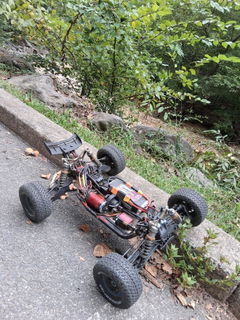
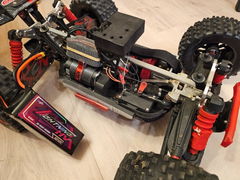
تُستخدم أنظمة البطاريات 8S في مجموعة من تطبيقات المركبات التي يتم التحكم فيها عن بُعد ذات القدرة العالية، بما في ذلك السيارات الكبيرة والمركبات المخصصة للقيادة العنيفة والطائرات والمروحيات والقوارب وأنظمة FPV والمنصات الأخرى المصممة للعمل بجهد بطارية أعلى.
لا تحدد مركبة التحكم عن بُعد نفسها تيار الشحن الصحيح. تظل كيمياء البطارية وسعتها وعدد خلاياها ومعدل الشحن المسموح به من الشركة المصنّعة العوامل الحاسمة.
إذا كنت تختار البطاريات أيضًا، فتصفّح بطاريات LiPo 8S بجهد 29.6 فولت لتطبيقات المركبات التي يتم التحكم فيها عن بُعد.
ما يجب التحقق منه قبل شراء شاحن LiPo 8S
- دعم LiPo 8S الحقيقي: تأكّد من إدراج LiPo القياسي صراحةً حتى ثماني خلايا.
- استطاعة الشحن: قد تتطلب بطاريات 8S الكبيرة طاقة أكبر بكثير من بطاريات 4S أو 6S.
- تيار الشحن: يجب مراعاة الحد الأقصى للتيار والحد الأقصى للاستطاعة معًا.
- دخل التيار المتردد أو المستمر: حدّد ما إذا كنت تحتاج إلى سهولة استخدام طاقة الجدار مباشرةً، أو تشغيل خارجي بتيار مستمر عالي القدرة، أو كليهما.
- مصدر طاقة خارجي بالتيار المستمر: تتطلب شواحن التيار المستمر مصدرًا ذا تصنيف مناسب وقادرًا على دعم خرج الطاقة المطلوب.
- عدد القنوات: ضع في اعتبارك ما إذا كنت تحتاج بانتظام إلى تجهيز بطاريتين خلال الجلسة نفسها.
- إجمالي القدرة المتزامنة: تحقّق من توفر الطاقة عند تشغيل القناتين معًا.
- كيمياء البطارية: لا تخلط بين دعم LiPo 8S القياسي والتوافق مع LiHV 8S.
- وصلة الموازنة: تحقّق من استخدام وصلة الموازنة الصحيحة للخلِايا الثماني.
- موصل البطارية الرئيسي: استخدم سلك شحن أو محولًا ذا تصنيف مناسب عند الحاجة.
- حد معدل شحن البطارية: لا تختر تيار الشحن بناءً على الحد الأقصى لقدرة الشاحن فقط.
الأسئلة الشائعة حول شاحن LiPo 8S
ما الجهد الكهربائي لبطارية LiPo 8S؟
تبلغ بطارية LiPo القياسية بترتيب 8S جهدًا اسميًا قدره 29.6 فولت، وتصل إلى 33.6 فولت عند شحنها بالكامل إلى 4.20 فولت لكل خلية.
هل يمكن لشاحن 6S شحن بطارية LiPo بترتيب 8S؟
لا. لا ينبغي استخدام شاحن يقتصر على بطاريات LiPo القياسية حتى 6S لشحن حزمة 8S. استخدم شاحنًا يذكر صراحةً دعم بطاريات LiPo القياسية حتى 8S.
هل يمكن لشاحن 8S شحن بطارية LiPo بترتيب 6S؟
نعم، عندما يكون نطاق دعمها لبطاريات LiPo القياسية من 1S إلى 8S. تقع بطارية 6S ضمن هذا النطاق.
كم واطًا أحتاج لبطارية LiPo بترتيب 8S وسعة 5000 مللي أمبير/ساعة عند معدل 1C؟
تُشحن بطارية بسعة 5000 مللي أمبير/ساعة عند نحو 5 أمبير بمعدل 1C. وعند جهد يقارب 33.6 فولت، يعادل ذلك قرابة 168 واطًا من القدرة على جانب البطارية. ويُنصح بهامش قدرة إضافي للشاحن وقدرة الإدخال لتعويض فاقد التحويل.
كم واطًا أحتاج لبطارية 8S بسعة 8000 مللي أمبير/ساعة عند معدل 1C؟
عند نحو 8 أمبير، تحتاج بطارية 8S إلى قرابة 269 واطًا قرب الجهد الكامل. وينبغي أن يوفر نظام الشحن هامش قدرة إضافيًا يتجاوز هذه القيمة النظرية على جانب البطارية.
هل يمكنني شحن بطاريتي LiPo بترتيب 8S في الوقت نفسه؟
نعم، باستخدام شاحن متوافق ثنائي القنوات. يجب أن يتمتع كل من الشاحن ومصدر الطاقة بقدرة إجمالية كافية لمهمتي الشحن، كما يجب أن تظل كل بطارية ضمن معدل الشحن المسموح به لها.
هل يمكن لشاحن LiPo بترتيب 8S شحن بطارية LiHV بترتيب 8S؟
ليس تلقائيًا. تستخدم بطاريات LiPo القياسية وLiHV جهود شحن مختلفة. يدعم كل من ISDT P20 وK2 ZIP وK4 الحالي بطاريات LiPo القياسية حتى 8S، لكنه يدرج دعم LiHV حتى 7S فقط؛ لذلك لا ينبغي استخدامها لشحن بطارية 8S LiHV حتى جهد LiHV الكامل.
هل أحتاج إلى مصدر طاقة خارجي لشاحن 8S؟
يتطلب الشاحن الذي يعمل بالتيار المستمر فقط، مثل P20، مصدر طاقة خارجيًا للتيار المستمر. ويمكن لشواحن التيار المتردد/المستمر، مثل K2 ZIP وK4، العمل مباشرة من مصدر تيار متردد رئيسي متوافق أو من مصدر تيار مستمر خارجي مناسب.
هل الشحن المتوازن مهم لبطاريات LiPo بترتيب 8S؟
نعم. يتيح الشحن المتوازن للشاحن مراقبة جهود الخلايا الفردية الثماني، ويساعد في الحفاظ على توازن الحزمة بشكل صحيح أثناء الشحن.
استكشف المزيد من شواحن بطاريات LiPo
يتطلب اختيار شاحن 8S أكثر من مجرد التحقق من الحد الأقصى لعدد الخلايا. إذ تؤثر قدرة الشحن، ومصدر الإدخال، وعدد القنوات، ودعم كيميائيات البطاريات، وسعة بطارياتك، كلها في الإعداد النهائي. تصفّح جميع شواحن بطاريات LiPo لطائرات التحكم عن بُعد لمقارنة مجموعة الشواحن الكاملة.