
CNHL Lipo akut
CNHL pyrkii tarjoamaan korkealaatuisia Li-Po-akkuja ja RC-tuotteita kaikille harrastajille erinomaisella asiakaspalvelulla ja kilpailukykyisillä hinnoilla
The FMS FCX24M Toyota Tacoma RTR is the kind of release that immediately makes sense to scale truck fans. Before anyone talks about approach angle, links, or battery tray fit, the first thing most people notice is the body. FMS did a very good job here. The licensed Toyota styling, hard-body look, molded details, and overall stance give this truck instant appeal in a way that many small-scale rigs simply do not.
That first impression matters because it explains why this truck got attention so quickly. Many small crawlers are bought for performance first and personality second. The Tacoma feels different. It looks like something people want to own before they even decide whether it is a dedicated crawler, a trail truck, or a light indoor platform. In practice, that turns out to be the right way to judge it too.

The strongest part of the Tacoma package is easy to understand: people like the look of it. That sounds simple, but it matters. The licensed Tacoma body, molded grille, mirrors, badging, rack, and hard-body feel give it the kind of visual presence that makes scale fans stop scrolling. This is not just another generic mini truck body dropped on a familiar chassis. It feels specific.
That also fits the broader reputation FMS has been building with its scale-oriented rigs. There is a growing group of buyers who trust FMS to deliver something that looks good out of the box, even before they start thinking about mods. The Tacoma lands right in that sweet spot. It feels like a truck people want to display, drive on a trail, and keep tinkering with over time.
Under the body, the truck still gives you enough to stay interesting. The FCX24M Toyota Tacoma RTR uses the longer FCX24M chassis layout, metal chassis rails, straight axles, a two-speed transmission, an 050 brushed motor, and counter-rotating driveshafts intended to reduce torque twist. You also get oil-filled shocks, LED headlights, and a body design that is relatively easy to access compared with some more awkward small-scale layouts.
That package makes a strong first impression for casual running. The slow-speed control is decent, the second gear adds some fun when the truck gets bogged down, and the truck has enough suspension movement to feel alive on small obstacles. It is not some stripped-down novelty model. There is real hobby-grade value here, especially for someone who wants a scale-first micro truck rather than a bare-bones beginner crawler.
| Key Area | What stands out |
|---|---|
| Body and scale appeal | Licensed Toyota Tacoma hard body with strong visual detail |
| Chassis character | Longer FCX24M layout with scale stance and trail-oriented feel |
| Drivetrain | Two-speed gearbox, 050 brushed motor, counter-rotating driveshafts |
| Driving personality | More enjoyable on trails, indoor obstacles, and casual terrain than on demanding rock lines |
| Upgrade path | Tires, wheel weight, battery relocation, clearance parts, and FCX24M upgrades already make sense here |
This is the most important part of understanding the truck. The FCX24M Tacoma is not a bad performer, but it is clearly happier as a trail truck than as a technical rock crawler. The same long wheelbase that helps the truck look more natural as a Tacoma also makes it easier to get hung up on breakover points, roots, rocks, and uneven transitions.
That does not mean it is disappointing. It just means expectations should be set correctly. On gentle terrain, indoor obstacle layouts, backyard lines, and general trail use, the truck feels right. It looks right, it drives with enough control to stay enjoyable, and the second gear gives it a useful little escape tool when the terrain starts grabbing at the chassis. But on more technical rock sections, the low ride height and longer layout show their limits fairly quickly.
In a strange way, that actually suits the truck. A Tacoma is not supposed to feel like a purpose-built comp crawler. It is better when it feels like a scale truck that can crawl a bit, trail a bit, and still look convincing while doing both.

The battery conversation around this platform is more interesting than it first appears. The stock-style 2S battery format makes sense because the truck is small, the body packaging is tight, and daily usability matters. In real use, battery choice here is not just about runtime. It is also about how easily the battery sits in place, how cleanly the wires route, and how much fuss is involved every time you want to swap packs.
That is why bigger is not automatically better on the FCX24M. Yes, larger batteries can be made to fit in some situations, and some owners enjoy experimenting with that. But if the pack starts interfering with body closure, cable management, or interior clearance, the benefit quickly starts to feel less impressive than it did on paper.
For many users, the smarter move is a compact replacement or light-upgrade battery that stays close to the platform’s original logic. That is exactly where a pack like the CNHL MiniStar 350mAh 2S 70C FMS makes sense. It suits the size, the swap routine, and the casual run style these trucks are often used for. For a broader look at battery choices across the platform, see our collection here: Best Battery for FMS FCX24 and FCX24M.
One reason this release has real staying power is that people immediately start imagining what comes next. That is usually a good sign. When a truck launches and the first wave of conversation is not just “is it fast?” but “what wheels, tires, brass, links, and battery setup would make this better?”, that usually means the base vehicle has already done enough right to get people invested.
The Tacoma is exactly that kind of release. Heavier wheels, slightly better tires, battery relocation, more clearance-focused parts, and other FCX24M upgrades all make sense here. Even people who think the stock truck would perform better on a bigger FCX18-style platform can still see the appeal. The chassis may not be perfect for every obstacle, but it has enough potential to keep the platform interesting.

The FCX24M Toyota Tacoma RTR makes the most sense for three kinds of buyers. First, people who simply like Toyota trucks and want something that looks good in a small scale. Second, people who enjoy indoor crawling, light trail running, and scale-style driving more than technical rock performance. Third, hobbyists who like mod-friendly platforms and can already see where a few changes would make the truck more personal.
It makes less sense for someone whose only question is whether this is the most capable micro rock crawler for the money. That is not really the point of it. The Tacoma wins on character, detail, and charm first. The usable drivetrain, two-speed fun, and upgrade path are what keep it from becoming just a shelf piece.
The FMS FCX24M Toyota Tacoma RTR is easy to like once you judge it for what it actually is. It is not the sharpest technical crawler in this size range, and the longer wheelbase does work against it in some situations. But it has the kind of scale presence that many small trucks never achieve, and it feels far more interesting than a basic body swap on an old idea.
If your priority is a realistic-looking micro truck with decent trail manners, fun two-speed character, and plenty of room for future tinkering, this is a strong release. And if you are trying to keep the ownership experience simple, a compact battery approach still makes the most sense. For that side of the setup, start here: Best Battery for FMS FCX24 and FCX24M.
Is the FMS FCX24M Toyota Tacoma RTR a good crawler?
Yes, but it is better described as a scale-oriented trail truck that can crawl, rather than a highly focused technical rock crawler.
Why does the Tacoma feel less capable on technical rocks than some shorter trucks?
The longer wheelbase and lower breakover-friendly geometry work against it on more demanding obstacles, especially when the terrain is uneven or slippery.
Is the FCX24M Tacoma better for trails than rocks?
In most everyday use, yes. It feels more natural on trails, light terrain, indoor obstacles, and casual scale driving.
Does battery size matter a lot on this platform?
Absolutely. On a small platform like this, battery fit, connector layout, cable routing, and body clearance all matter more than many people expect.
What kind of battery makes the most sense for FCX24 and FCX24M trucks?
A compact 2S battery is often the most practical choice for users who want a clean replacement, easy battery swaps, and fewer fitment compromises.
CNHL pyrkii tarjoamaan korkealaatuisia Li-Po-akkuja ja RC-tuotteita kaikille harrastajille erinomaisella asiakaspalvelulla ja kilpailukykyisillä hinnoilla
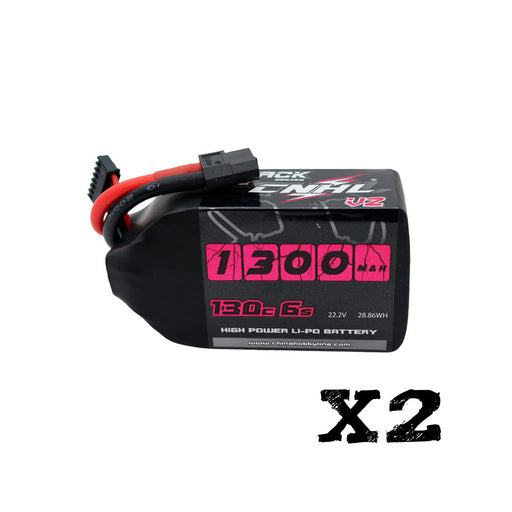
Nopea sovitustarkistus 2 Packs CNHL Black Series V2.0 1300mAh 22.2V 6S 130C LiPo-akku XT60-liittimellä sopii erinomaisesti FPV-lentäjille, jotka ha...
Näytä täydet tiedotVaraosat ja pitkäaikainen tuki Tiedämme, että RC-piloteille luotettava varaosatuki on tärkeä osa sitä, että lentokone pysyy lentokunnossa vuo...
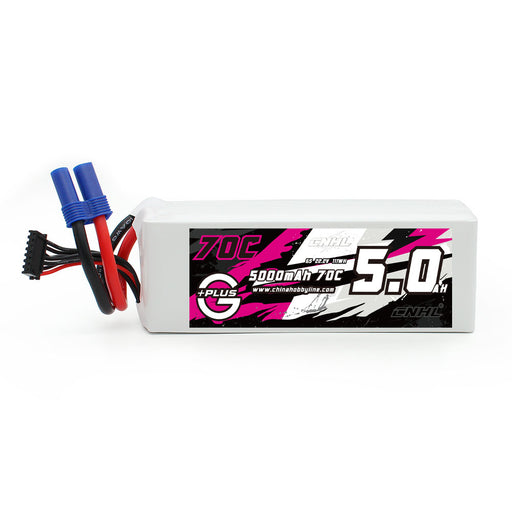
Näytä täydet tiedotTekniset tiedot: Varastonumero: 500706EC5 Kapasiteetti: 5000mAh Jännite: 22,2V / 6-kennoa / 6S1P Purkunopeus: 70C jatkuva / 140C hetkellinen Lata...
Näytä täydet tiedot
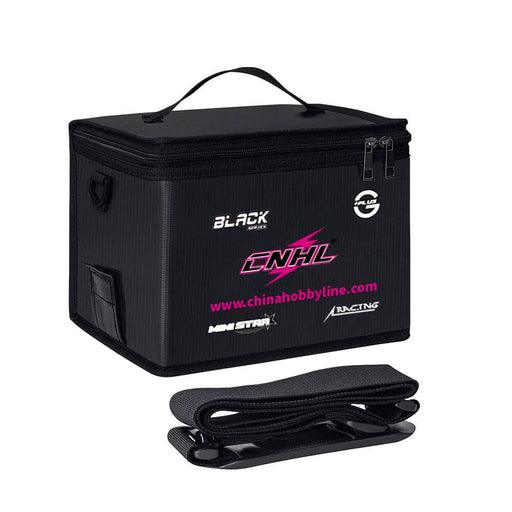
CNHL LiPo Battery Bag on suunniteltu turvallisempaan LiPo-lataukseen, kuljetukseen ja säilytykseen kotona tai kentällä. Se lisää käytännöllisen suo...
Näytä täydet tiedotNopea sovitustarkistus 2 paketin CNHL Speedy Pizza Series Pro 1350mAh 6S 150C LiPo -akku XT60-liittimellä on suunniteltu 5-tuuman FPV-piloteill...
Näytä täydet tiedot

The CNHL Long Range Series BAK 65E 6350mAh 21700 Li-ion battery cell is built around one clear priority: maximum stored energy from a lightweight c...
Näytä täydet tiedot

The CNHL Long Range Series BAK 50D 5000mAh 21700 Li-ion battery cell is designed for custom high-energy battery packs that need a strong balance be...
Näytä täydet tiedot

The ISDT C4 EVO is a versatile smart battery charger built for AA, AAA and cylindrical rechargeable cells from compact 10440 batteries all the way ...
Näytä täydet tiedot

The CNHL Long Range Series 6350mAh 21.6V 6S1P 21700 Li-ion battery combines six BAK 65E high-energy cells into a 137.16Wh pack designed for ultra-e...
Näytä täydet tiedot

The CNHL Long Range Series 5000mAh 21.6V 6S1P 21700 Li-ion battery combines six BAK 50D cells into a compact 108Wh pack designed around long-range ...
Näytä täydet tiedot




Jätä kommentti