
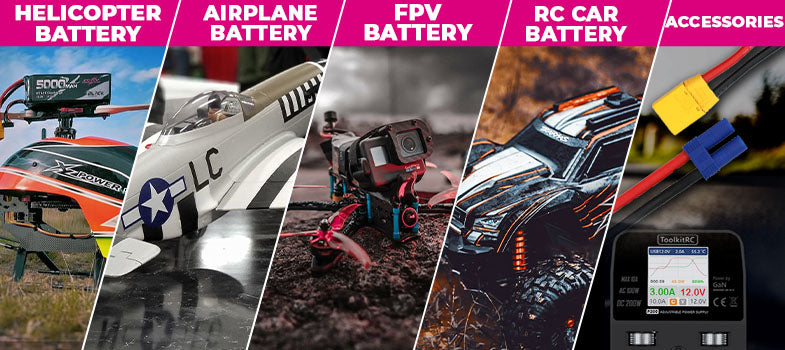
CNHL Lipo akut
CNHL pyrkii tarjoamaan korkealaatuisia Li-Po-akkuja ja RC-tuotteita kaikille harrastajille erinomaisella asiakaspalvelulla ja kilpailukykyisillä hinnoilla

The FMS FSC18 Ford Bronco RTR EB is the kind of small RC truck that gets attention before you even switch it on. That usually happens when a mini platform has one thing going for it, like speed, or a licensed body, or a decent price. This one feels more layered than that. It has the Bronco look, the Fun-Haver desert-racer vibe, a quick-release body, and enough visual detail that it does not come across like a generic small-scale basher wearing a better shell.
The more interesting question is what happens after the first impression. FMS offers this truck in brushed and brushless form, and that creates the kind of buying decision a lot of people get stuck on. On paper, it sounds simple: brushed if you want cheaper, brushless if you want faster. In practice, the answer is a little better than that. The brushed version still has a reason to exist, but the brushless version is the one that feels like the more complete package. Even so, the best setup for most people still looks like brushless on 2S, not blindly pushing the truck to 3S just because the spec sheet says you can.
That is really the key to understanding this release. The FSC18 Bronco is not just about chasing the biggest number in the class. Its appeal comes from how the style, the scale detail, and the usable fun fit together. It is a truck that can absolutely entertain on loose surfaces and light jumps, but it is also a truck that reminds you pretty quickly that more power and more enjoyment are not always the same thing.
There are plenty of small RC trucks that try to win on value. The FSC18 Bronco tries to win on character first. The officially licensed Ford Bronco body is the obvious draw, but what really helps is that the truck does not stop at the headline. The Fun-Haver styling gives it a stronger identity than many mini off-road releases, and the body details make it feel like a product that was meant to be noticed rather than rushed to market with the cheapest possible shell.

The quick-release body system also matters more than it sounds on paper. On a lot of small RC trucks, battery access is one of those little daily annoyances you only start noticing after the first week. Here, the body removal idea feels like part of the ownership experience rather than a forgotten detail. That matters because this truck will appeal to buyers who actually want to run packs through it, swap batteries often, and keep it moving instead of fumbling around with a body that fights them every time.

The shell itself also seems to carry more structure than people expect from this scale. That is part of why the truck leaves a good impression so quickly. It does not just look like a mini. It feels like a mini truck designed by people who knew the body needed to do some protecting too, not just sell the first click on the product page.
It is tempting to frame the two versions in the usual lazy way: one is the beginner model and one is the real model. That misses what makes this release more interesting. The brushless FSC18 is not just the faster one. It is the version that feels more mechanically complete. That matters. A lot of buyers think they are only deciding whether they want extra speed, but they are also deciding whether they want the stronger overall setup that usually comes with the higher-spec version.

The brushed truck still makes sense, though. That is worth saying clearly because brushed has become too easy to dismiss. On a small truck like this, a brushed system still works for people who want lower cost, less chaos, and a platform that is easier to hand to a younger driver without turning every run into a repair session. It is not the exciting choice. It is the calmer choice. Sometimes that is exactly the point.
The brushless version, on the other hand, is where the FSC18 starts to feel less like a novelty and more like a genuinely compelling mini basher. It has the pace people expect, the sharper response, and the extra headroom that makes the truck feel worth taking seriously. That does not mean everyone needs it. It means it is the version most hobbyists will end up wanting after the first few minutes behind the wheel.
One of the most useful observations with this truck is that it makes more sense on loose ground than on clean pavement. A lot of mini RCs look like they should be little street weapons until you drive them on a high-grip surface and realize the personality is somewhere else. The FSC18 Bronco is closer to a dirt-lot truck than a pavement rocket. On asphalt, especially in brushless form, it can feel a little edgy and looser in the rear than some buyers might expect. On dirt, backyard terrain, and light mixed surfaces, the truck starts making more sense.

That actually fits the identity well. The body, the visual theme, and the driving attitude all point more toward casual off-road fun than precision pavement performance. Once you approach it that way, the truck becomes easier to appreciate. It is not trying to be the cleanest handler in a parking lot. It is trying to be the kind of mini truck you throw into loose corners, send off small jumps, and grin at when the body leans just enough to make the whole thing look alive.
This is also why battery choice matters. Too many people assume the biggest improvement always comes from adding more voltage. In reality, on a platform like this, the surface matters just as much. A truck that already feels loose on pavement is not automatically improved by giving it even more punch. Sometimes the smarter move is keeping the power where the chassis still feels cooperative.
If the goal is honest buying advice, the three realistic experiences to think about are not “brushed” and “brushless.” They are brushed on 2S, brushless on 2S, and brushless on 3S. Those are three noticeably different personalities.
| Setup | What it feels like | Best for | Main tradeoff |
|---|---|---|---|
| Brushed on 2S | Simple, manageable, easier to relax with | Beginners, kids, backyard use, budget buyers | Less punch and less long-term excitement |
| Brushless on 2S | Noticeably stronger, more alive, more rewarding | Most hobby users | Costs more upfront |
| Brushless on 3S | Fast, dramatic, more aggressive, more chaotic | Experienced drivers who specifically want more speed | Harder control, more stress on the platform |
This is why the brushless version on 2S ends up looking like the sweet spot. It delivers the kind of improvement people hope for when they pay more, but it does not instantly push the chassis into the zone where every run starts feeling like a compromise between speed and stability. That balance is easy to underestimate until you actually compare the setups back to back.
The best battery choice for a small RC truck is often the one that lets the rest of the truck work properly. That is the case here. FMS officially ties this platform to a 2S 7.4V 2000mAh 20C XT60 baseline, and that makes sense because 2S already gives the FSC18 the right shape of performance. It is quick enough to stay fun, easy enough to drive on loose surfaces, and not so aggressive that the body height, tire behavior, and chassis balance all start fighting back at once.
There is also a difference between “works” and “works well.” A brushless truck that supports 3S is not automatically telling you that 3S is the best everyday choice. It is only telling you the ESC can accept it. Real owners still have to deal with the rest of the truck. On a model like this, that means asking whether the extra power actually improves the experience or just makes the platform feel busier and less settled. Most of the time, the smarter answer is a strong 2S pack.
That is exactly where a better replacement battery comes in. The original 2S pack tells you the direction of the platform, but it does not have to be the final answer. A stronger-quality 2S LiPo can improve punch, consistency, and runtime without changing the truck into something awkward. If you are looking for that route, start with our best battery for FMS FSC18 Ford Bronco collection instead of assuming you need to jump straight to 3S.
There is nothing wrong with wanting to see what the brushless truck can do on 3S. In fact, that curiosity is part of the fun of buying a mini platform with some upgrade headroom. The issue is not whether 3S is exciting. It clearly is. The issue is whether the truck feels better because of it. That answer is more mixed.
More power makes the FSC18 look more dramatic in a straight line and more entertaining over bigger jumps. It also makes the truck feel looser, more reactive, and less forgiving. On a very small off-road platform with a detailed body and a scale-oriented visual package, that tradeoff shows up quickly. What looked playful on 2S can feel borderline busy on 3S if the surface is not ideal or the driver is not expecting the extra aggression.
That is why 3S belongs in the article as an option, but not as the headline recommendation. It is there for buyers who specifically want it and know why they want it. That is a very different audience from the one simply asking what battery makes the truck most enjoyable day to day.
The FSC18 makes a good first impression because it feels stronger than some buyers expect from a truck this size. The body has presence, the quick-release access is useful, and the platform seems happy enough being sent around backyard terrain and loose dirt. That alone gives it more real personality than a lot of small RCs that only exist to hit a lower price point.
At the same time, the chassis does not hide the fact that FMS was still watching cost. Serviceability is not the most elegant part of the truck, and parts of the structure feel designed to keep the package accessible rather than premium. That is not a deal breaker. It is simply part of the truth. The truck looks better than cheap, but it is still meant to live in a price-sensitive category where every little design choice has to justify itself.
That middle ground is actually why the release is interesting. It is not trying to out-Arrma Arrma or out-Traxxas Traxxas. It is trying to offer a more visually distinctive small truck with enough fun to make the purchase feel justified. For some buyers, that body and character will be the reason to choose it. For others, that same price zone will trigger comparisons to things like the Mojave Grom or Mini Slash. Both reactions are fair.
The FSC18 Bronco is not arriving into an empty space. Buyers shopping in this size and budget range are absolutely going to compare it with other mini bashers, especially models with stronger “known quantity” status in durability, parts support, or handling features. That comparison is unavoidable, and honestly it should be.
The reason the FSC18 still matters is that it is offering a different mix. The visual identity is stronger than many rivals. The body has real shelf appeal. The truck feels more themed and more complete from a style perspective. If your priority is the whole package looking cool, feeling fresh, and still being fun to drive, the FSC18 has a real argument. If your priority is pure value efficiency, maximum tuning ecosystem, or buying the safest known platform in the category, you may lean elsewhere. That is exactly why this truck is a more interesting release than a simple spec sheet would suggest.
One of the more realistic takeaways from early impressions is that the FSC18 feels fun out of the box, but not fully dialed. That is not unusual. A lot of small bashers wake up with some attention. This truck seems like it would benefit from a little more setup refinement, especially if the goal is cleaner composure under power or better confidence over repeated rough use.
Heavier shock oil would likely calm the truck down a bit in situations where it feels a touch lively. A more deliberate differential setup would also make sense if an owner plans to keep pushing the brushless version harder. That does not mean the truck arrives bad. It means it arrives like many real hobby-grade platforms do: already enjoyable, but still obviously capable of feeling more sorted with a little help.
The FMS FSC18 Ford Bronco RTR EB succeeds because it has more personality than many small RC releases in the same space. The licensed body, the Fun-Haver styling, the quick battery access, and the dirt-friendly mini-basher attitude give it a real identity. That alone makes it easier to remember than a lot of generic small trucks that disappear from memory a week after launch.
If the decision is between brushed and brushless, the honest answer is this: brushed still makes sense for budget buyers and younger drivers, but brushless is the version most hobby users will be happier with. Just do not make the mistake of assuming that means 3S is the automatic next step. The brushless truck on 2S looks like the most sensible and most satisfying everyday setup. It gives the FSC18 the energy it needs without turning its small-scale charm into unnecessary drama.
If your next question is which pack to buy, go straight to our FMS FSC18 Ford Bronco battery guide and collection page for the most practical 2S and 3S options.
Is the brushed FMS FSC18 still worth buying?
Yes. It still makes sense for beginners, kids, and anyone who wants a lower-cost truck that is easier to manage on 2S.
Is the brushless version worth the extra money?
For most hobby users, yes. It feels like the more complete version, not just the faster version.
Does the FMS FSC18 run better on 2S or 3S?
For everyday use, 2S is the more balanced setup. 3S is better treated as an optional performance mode rather than the default answer.
Is the FSC18 better on dirt or pavement?
It makes more sense on dirt, loose surfaces, and backyard terrain than on clean high-grip pavement.
How does it compare with the Mojave Grom?
The FSC18 stands out more on body style and visual identity, while many buyers will still compare overall value, handling aids, and platform maturity across both models.
What battery should I use for the FMS FSC18 Ford Bronco?
Start with a quality XT60 2S LiPo if you want the best everyday balance. Move to 3S only if you specifically want more speed from the brushless version and accept the tradeoffs.
CNHL pyrkii tarjoamaan korkealaatuisia Li-Po-akkuja ja RC-tuotteita kaikille harrastajille erinomaisella asiakaspalvelulla ja kilpailukykyisillä hinnoilla
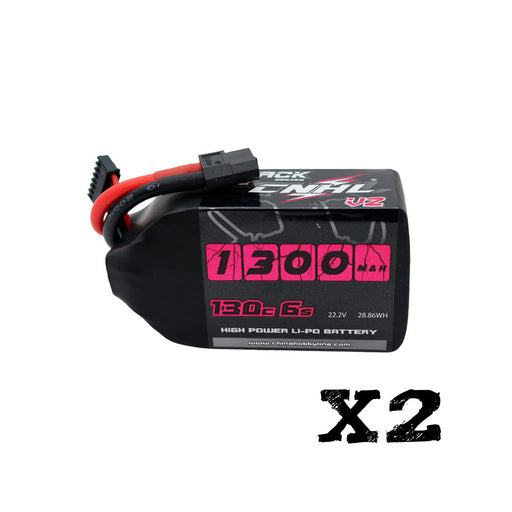
Nopea sovitustarkistus 2 Packs CNHL Black Series V2.0 1300mAh 22.2V 6S 130C LiPo-akku XT60-liittimellä sopii erinomaisesti FPV-lentäjille, jotka ha...
Näytä täydet tiedotVaraosat ja pitkäaikainen tuki Tiedämme, että RC-piloteille luotettava varaosatuki on tärkeä osa sitä, että lentokone pysyy lentokunnossa vuo...
Näytä täydet tiedot
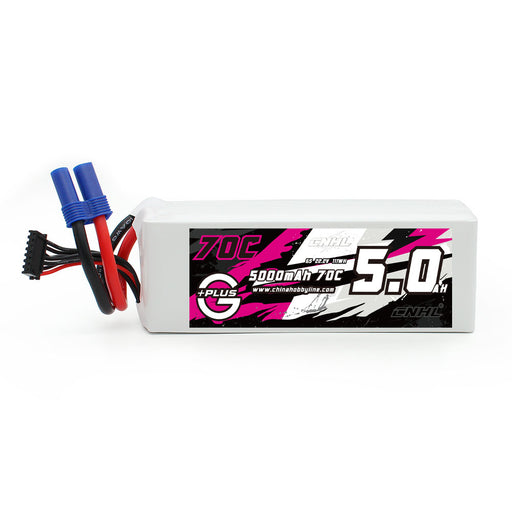
Tekniset tiedot: Varastonumero: 500706EC5 Kapasiteetti: 5000mAh Jännite: 22,2V / 6-kennoa / 6S1P Purkunopeus: 70C jatkuva / 140C hetkellinen Lata...
Näytä täydet tiedot
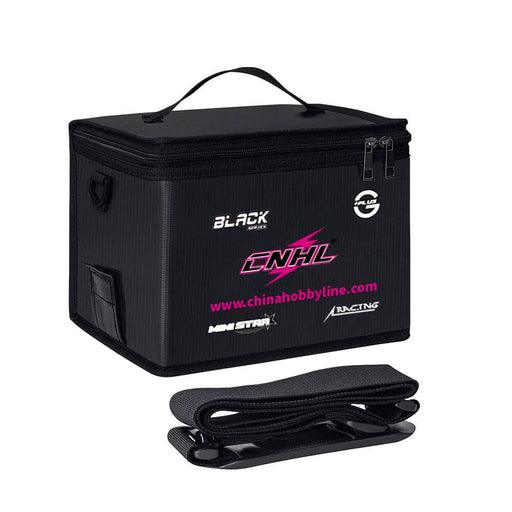
CNHL LiPo Battery Bag on suunniteltu turvallisempaan LiPo-lataukseen, kuljetukseen ja säilytykseen kotona tai kentällä. Se lisää käytännöllisen suo...
Näytä täydet tiedot

Nopea sovitustarkistus 2 paketin CNHL Speedy Pizza Series Pro 1350mAh 6S 150C LiPo -akku XT60-liittimellä on suunniteltu 5-tuuman FPV-piloteill...
Näytä täydet tiedot

Quick Fit Check The CNHL Speedy Pizza Series 2200mAh 22.2V 6S 120C LiPo Battery with XT60 Plug combines the familiar 2200mAh 6S format with a ligh...
Näytä täydet tiedot

Quick Fit Check The CNHL Speedy Pizza Series 2200mAh 14.8V 4S 120C LiPo Battery with XT60 Plug combines a widely used 2200mAh 4S format with a sli...
Näytä täydet tiedot

Quick Fit Check The CNHL Speedy Pizza Series 2200mAh 11.1V 3S 120C LiPo Battery with XT60 Plug takes the familiar 3S 2200mAh aircraft battery form...
Näytä täydet tiedot

The CNHL Long Range Series BAK 65E 6350mAh 21700 Li-ion battery cell is built around one clear priority: maximum stored energy from a lightweight c...
Näytä täydet tiedot

The CNHL Long Range Series BAK 50D 5000mAh 21700 Li-ion battery cell is designed for custom high-energy battery packs that need a strong balance be...
Näytä täydet tiedot


Jätä kommentti