
CNHL Lipo Batteries
CNHL aim at providing high-quality Li-Po batteries and RC products to all hobby enthusiasts with excellent customer services and competitive prices
So you're attempting to choose a battery for your RC vehicle or drone and are torn between two choices: LiHV (sometimes written as Li-HV) and LiPo. One gives you a bit more "oomph," and the other is the old standby that all the others utilize. What's actually different, and which one should you purchase?

Do not worry, this is not as complex as it sounds. We will simplify everything you need to know about the LiHV vs. LiPo battle so you can choose the best battery for your device and your pocket.
If you want the full chemistry breakdown (LiPo vs LiHV vs Li-ion vs LiFe) and a choose-by-use-case guide, start here: LiPo vs LiHV vs Li-ion vs LiFe Batteries Explained.
But before we get into the nitty-gritty, let's begin with the basics. The two batteries are very similar, yet they have one basic difference that makes all the difference.

This is the battery you'll find everywhere in the RC hobby. It's everyone's first choice. A standard LiPo cell has a nominal voltage around 3.7V, and most chargers store packs around the mid-voltage range (often shown near ~3.8V per cell). The key number is the fully charged voltage: 4.20V per cell. You never, ever want to charge it higher than that.
An LiHV is essentially a LiPo on steroids. It has a slightly different internal chemistry that allows it to be safely charged to a higher voltage. An LiHV cell has a nominal voltage around 3.8V. Its fully charged voltage, however, is where the magic happens: 4.35 volts per cell. That extra little bit of voltage—0.15V per cell—is what all this arguing is about.
LiHV max voltage is 4.35V per cell. For LiHV storage voltage, most people store it around the same mid-range as LiPo (many chargers show ~3.8V per cell as a practical storage target).
The easiest way to see how they compare is to put them side-by-side. Here’s a quick-glance table breaking it all down.
| Feature | Standard LiPo | High-Voltage LiPo (LiHV) |
| Full Voltage (per cell) | 4.20V (The good old standard) | 4.35V (The secret sauce) |
| Nominal Voltage (per cell) | 3.7V | 3.8V |
| Energy Density | Good | Higher (More juice in the same size pack) |
| Performance | Strong & Reliable | More Punch & Higher Top Speed |
| Lifespan | Very Good (Proven to last) | Shorter (This is the big debate) |
| Cost | Standard Price | A Little More Expensive |
| Charger Needed | Any Standard LiPo Charger | MUST be an LiHV-capable charger |
Quick verdict: If you’re chasing max punch for racing/freestyle, LiHV can feel sharper. If you want fewer headaches and longer pack life, a good LiPo is usually the smarter default.
If you’re searching for LiHV voltage numbers, here’s the simple rule: LiPo max is 4.20V/cell, while LiHV max is 4.35V/cell. Storage is the mid-range voltage shown by your charger (often around ~3.8V/cell) to reduce stress when packs sit unused.
So, why would you even bother with an LiHV? It all comes down to getting more performance out of your ride. These are the advantages of high voltage batteries.
This is the main reason people get excited about LiHVs. More voltage equals more power. In a simple sense, voltage is what makes your motor spin faster. By starting at a higher voltage (4.35V instead of 4.20V), you’re giving your motor more power right from the start. This means your RC car will accelerate harder, and your drone will have more "punch." You'll also see a slightly higher top speed. For racers, that tiny edge can make all the difference.

The other big perk is that LiHVs can store more energy in the same amount of space. Think of it like this: if you have a standard LiPo and an LiHV of the same size and weight, the LiHV holds more "fuel." This means you can either fly or drive for a bit longer, or you can run harder for the same amount of time. For drone pilots who want another minute in the air, that's a pretty sweet deal.
That added performance is wonderful, but it has some heavy strings attached. You should be aware of the disadvantages before you take the plunge.
This is the largest controversy within the RC community. Many veteran hobbyists will inform you that continuously charging LiHVs to their maximum 4.35V is tough on the battery. It imposes additional strain upon the internal chemistry, which can make it degrade quicker than a regular LiPo. Essentially, you may be sacrificing long-term battery health for short-term power.
This is a tremendous safety concern, so take heed. You will need to use a battery charger that has an "LiHV" setting specifically. If you have a standard LiPo charger, it will only go up to 4.20V, and you will gain none of the advantages of your costly LiHV battery. Worse, if you attempt to coax a charger to go higher, you are taking a very risky situation that could result in fire. Don't play around with this.

As you might expect, these upgraded batteries are typically more expensive than their regular LiPo equivalents. If you compare two batteries with identical capacity and power ratings, the LiHV variant will nearly always be slightly more expensive. You need to decide whether or not that little extra kick is worth the additional money.
Let's make this really simple. It all comes down to what kind of person you are and what you do with your RC gear.

Finally, think of it this way: an LiHV battery is a hot rod of a high-performance car. It's faster and more exciting, but it requires more maintenance, costs more, and might not last as long. A standard LiPo is a good daily driver. It gets the job done beautifully every time, it's affordable, and you know it will be there for you over the long haul. For most people, the standard LiPo is the better choice, but for those who crave pure performance, the LiHV is a tempting redesign.
Readers who want to separate the idea of battery chemistry from the idea of battery voltage can also review this LiPo Battery Voltage Guide: 1S to 8S Explained for RC Models, which focuses specifically on how different S counts affect RC performance and application choice.
Most hobbyists use their charger’s storage program and aim for the mid-range it shows (often around ~3.8V per cell). The goal is simple: don’t leave packs fully charged for long periods.
4.35V per cell is the standard full-charge ceiling for LiHV mode. If your charger doesn’t have a real LiHV setting, treat the pack like LiPo and charge to 4.20V/cell.
Yes. You can safely charge an LiHV pack in normal LiPo mode to 4.20V per cell. It will work like a standard LiPo—just with less of the “LiHV benefit” you paid for.
If you want the extra top-end punch, you’ll need a real LiHV charge mode that goes to 4.35V per cell, and you should avoid leaving the pack fully charged for long periods.
CNHL aim at providing high-quality Li-Po batteries and RC products to all hobby enthusiasts with excellent customer services and competitive prices

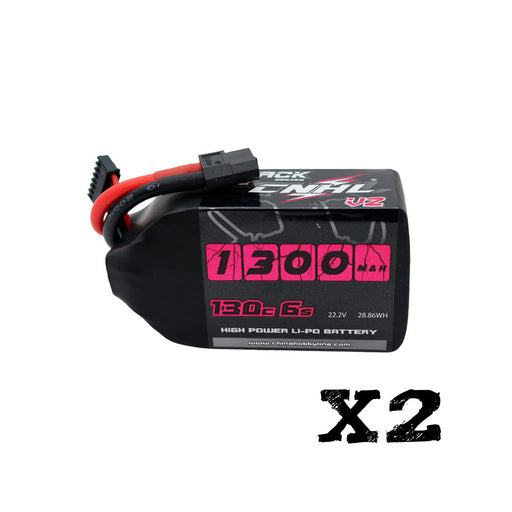
Quick Fit Check The 2 Packs CNHL Black Series V2.0 1300mAh 22.2V 6S 130C LiPo Battery with XT60 Plug is a strong fit for FPV pilots who want a prov...
View full detailsSpare Parts & Long-Term Support We know that for RC pilots, reliable spare parts support is an important part of keeping an aircraft fl...
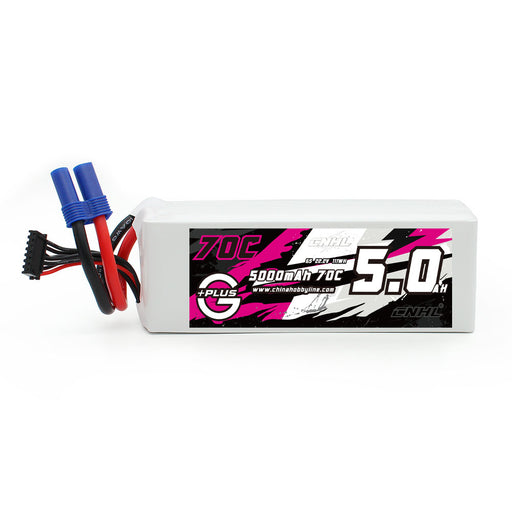
View full detailsSpecifications: Stock Number: 500706EC5 Capacity: 5000mAh Voltage: 22.2V / 6-Cell / 6S1P Discharge Rate: 70C Continual / 140C Burst Charge Rate: ...
View full details
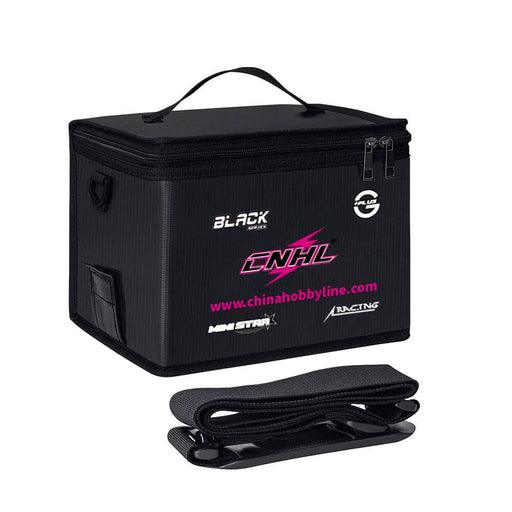
The CNHL LiPo Battery Bag is designed for safer LiPo charging, transport, and storage at home or at the field. It adds a practical layer of protect...
View full details

Quick Fit Check The 2 Packs CNHL Speedy Pizza Series Pro 1350mAh 6S 150C LiPo Battery with XT60 Plug is built for 5-inch FPV pilots who want a ...
View full details

Quick Fit Check The CNHL Speedy Pizza Series 2200mAh 22.2V 6S 120C LiPo Battery with XT60 Plug combines the familiar 2200mAh 6S format with a ligh...
View full details

Quick Fit Check The CNHL Speedy Pizza Series 2200mAh 14.8V 4S 120C LiPo Battery with XT60 Plug combines a widely used 2200mAh 4S format with a sli...
View full details

Quick Fit Check The CNHL Speedy Pizza Series 2200mAh 11.1V 3S 120C LiPo Battery with XT60 Plug takes the familiar 3S 2200mAh aircraft battery form...
View full detailsThe CNHL Long Range Series BAK 65E 6350mAh 21700 Li-ion battery cell is built around one clear priority: maximum stored energy from a lightweight c...
View full details

The CNHL Long Range Series BAK 50D 5000mAh 21700 Li-ion battery cell is designed for custom high-energy battery packs that need a strong balance be...
View full details




Comments
Leave a comment