
CNHL Baterai Lipo
CNHL bertujuan menyediakan baterai Li-Po berkualitas tinggi dan produk RC kepada semua penggemar hobi dengan layanan pelanggan yang luar biasa dan harga yang kompetitif

LiPo batteries are one of the most important parts of any RC setup, but they are also one of the easiest parts to mistreat without realizing it. Many battery problems do not begin with one dramatic accident. They usually begin with repeated small habits: leaving packs full too long, running them too low, charging them while still hot, ignoring puffing, or continuing to trust a battery that is already showing clear signs of decline.
Quick answer: good LiPo battery maintenance is mostly about habits. Safe charging, sensible storage voltage, temperature awareness, early warning signs, and timely retirement decisions all matter. Most serious LiPo safety problems begin as smaller maintenance problems first, which is why battery care and battery safety should always be treated as part of the same conversation.
This guide brings the main LiPo maintenance and safety topics into one place, so it is easier to understand how everyday habits, warning signs, replacement decisions, and disposal all connect in real RC use.
LiPo batteries offer excellent power density and strong real-world performance, but they are not especially forgiving of careless use. A well-treated battery can stay useful for a long time and remain consistent through many sessions. A badly treated battery may still work for a while, but often becomes weaker, less stable, and eventually less safe.
That is why maintenance and safety should not be treated as separate subjects. Shorter runtime, swelling, imbalance, excess heat, weak feel, and charging trouble are not isolated annoyances. They are often part of the same battery story. Good maintenance helps preserve performance. Good safety habits help catch problems before they become more serious.

A useful way to think about LiPo ownership is to break it into four connected parts.
| Part of ownership | What it includes | Why it matters |
|---|---|---|
| Everyday habits | Charging, cooling, storage voltage, handling | These habits shape battery life more than many users realize |
| Early warning signs | Puffing, imbalance, heat, weak feel, shorter runtime | Most battery problems show signs before they become serious |
| Replace or retire decisions | When a pack is no longer healthy or trustworthy | A weak battery is not always safe just because it still works |
| End-of-life handling | Disposal, recycling, safe transport | Old or damaged packs still need to be handled responsibly |
Once you look at LiPo ownership this way, the logic becomes much clearer. A battery does not go straight from “healthy” to “dangerous” in one step. It usually moves through habits, symptoms, and decisions first.
Most users eventually ask the same question: how long should an RC battery last? That question matters because it helps set expectations for both run time and long-term battery life. It also helps users understand the difference between a battery that is naturally aging and one that is being worn down too early by avoidable habits.
The best place to start is How Long Can an RC Battery Last?. That page explains run time, cycle life, the habits that shorten useful life, and the signs that a pack is approaching replacement territory.
One of the clearest visual warnings a LiPo battery can give is swelling or puffing. That kind of change should never be treated as a cosmetic detail. A swollen pack is telling you that internal stress or failure has already begun, and that changes how the battery should be handled from that point on.
If that is the problem you are dealing with, go directly to Swollen LiPo Battery: Why It Happens and What to Do. That page covers the causes, the risk logic, and the practical next steps when a pack begins to puff.
Many LiPo batteries do not age early because of bad luck. They age early because of repeated small mistakes: over-discharge, poor storage habits, charging while hot, ignoring imbalance, and using old packs too aggressively. These mistakes often build slowly, which is why users sometimes do not realize what is happening until the battery already feels weak.
If you want the most useful prevention overview, read Common LiPo Battery Mistakes That Kill Performance Early. It is the most practical page in this cluster for identifying the habits that quietly shorten battery life.
Eventually every LiPo reaches the point where it should no longer be used. At that stage, safe ownership does not end. Old, weak, swollen, or damaged packs still need to be handled correctly, especially during transport and disposal. Throwing them into household trash is one of the worst things you can do.
If you need the practical end-of-life process, continue into How to Safely Dispose of LiPo Batteries: A Complete Recycling Guide. That page covers discharge approach, connector protection, transport, and recycling logic.
Some battery problems deserve their own dedicated pages because they are more specialized, more urgent, or more situational than a general guide can handle. Overcharging is one example, because a pack pushed too far beyond normal voltage can escalate from “bad idea” to fire risk very quickly. Dead-cell situations are another, because they can leave users wondering whether the battery is weak, recoverable, or already finished.
The most useful next reads here are What Happens When You Overcharge a LiPo Battery? and What to Do with Dead LiPo Cell. If your use case is specifically drone or FPV-oriented, Proper Drone Battery Maintenance: Tips for Longevity and Performance is also worth reading.
Good LiPo ownership is mostly about consistency. The checklist below covers the habits that matter most:
Most serious battery problems do not begin with dramatic failure. They begin with routines. That is why good maintenance is the most practical form of safety.

If your battery still works but feels weaker than before, start with How Long Can an RC Battery Last?, then continue into Common LiPo Battery Mistakes That Kill Performance Early, and then What to Do with Dead LiPo Cell.
If the battery is swelling, getting hot, or behaving in a way that feels unsafe, start with Swollen LiPo Battery: Why It Happens and What to Do, then read What Happens When You Overcharge a LiPo Battery?, and finish with How to Safely Dispose of LiPo Batteries.
If you mainly want better everyday habits, begin with Common LiPo Battery Mistakes That Kill Performance Early and then continue into Proper Drone Battery Maintenance if your use case leans more heavily toward drones or FPV.
| Topic | What it helps you decide | Best page to read |
|---|---|---|
| Battery lifespan | How long a battery should last and when aging becomes obvious | How Long Can an RC Battery Last? |
| Swelling / puffing | Whether the pack is showing a dangerous warning sign | Swollen LiPo Battery |
| Daily bad habits | Which repeated mistakes shorten battery life early | Common LiPo Battery Mistakes |
| Overcharge fire risk | What overcharging can do and why voltage limits matter | What Happens When You Overcharge a LiPo Battery? |
| Dead-cell problem | How to understand a weak or damaged cell situation | What to Do with Dead LiPo Cell |
| Disposal / recycling | How to retire and transport end-of-life packs more safely | How to Safely Dispose of LiPo Batteries |
Battery care does not exist in isolation. Performance pages and maintenance pages often overlap in real life. Weak feel, early sag, temperature sensitivity, and rising internal resistance are often part of the same longer battery story. If you want the deeper performance explanation behind those symptoms, continue into the LiPo C Rating and Battery Performance Guide, How to Measure the Internal Resistance of a LiPo Battery, and LiPo Batteries in Cold Weather: Performance Loss, Voltage Sag, and What to Do.
How do I make LiPo batteries last longer?
Use sensible charging habits, avoid over-discharge, use storage voltage when the pack will sit, let packs cool before recharging, and retire weak packs before they become risky.
Is a swollen LiPo battery always dangerous?
Swelling is always a warning sign and should never be treated as normal. The level of danger depends on severity, but the pack should be handled with caution.
When should I stop using a LiPo battery?
If it puffs, runs unusually hot, sags very early, will not balance well, or feels far weaker than it used to in similar conditions, it is time to take that seriously.
Can I keep using a battery that just feels weak?
Sometimes mild weakness is just aging, temperature, or setup demand, but repeated weak feel is often an early warning sign that the pack is no longer as healthy as it should be.
What is the safest way to store LiPo batteries?
Store them at storage voltage, in a cooler and drier environment, away from clutter, heat, and flammable materials.
Can I throw an old LiPo battery in the trash?
No. LiPo batteries should be prepared for disposal properly and taken to a suitable recycling or hazardous waste point.
What are the biggest LiPo mistakes people make?
The most common ones are over-discharge, leaving packs fully charged too long, charging while hot, careless charging, ignoring warning signs, and handling weak packs as if they were still healthy.
CNHL bertujuan menyediakan baterai Li-Po berkualitas tinggi dan produk RC kepada semua penggemar hobi dengan layanan pelanggan yang luar biasa dan harga yang kompetitif
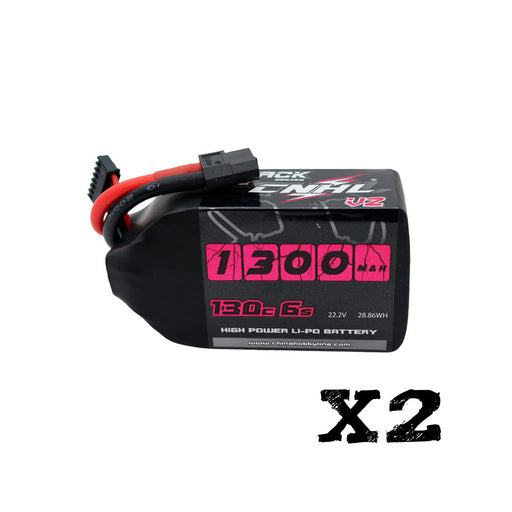
Pemeriksaan Kesesuaian Cepat 2 Packs CNHL Black Series V2.0 1300mAh 22.2V 6S 130C LiPo Battery dengan Colokan XT60 sangat cocok untuk pilot FPV yan...
Lihat detail lengkapSuku Cadang & Dukungan Jangka Panjang Kami memahami bahwa bagi pilot RC, dukungan suku cadang yang andal merupakan bagian penting untuk m...
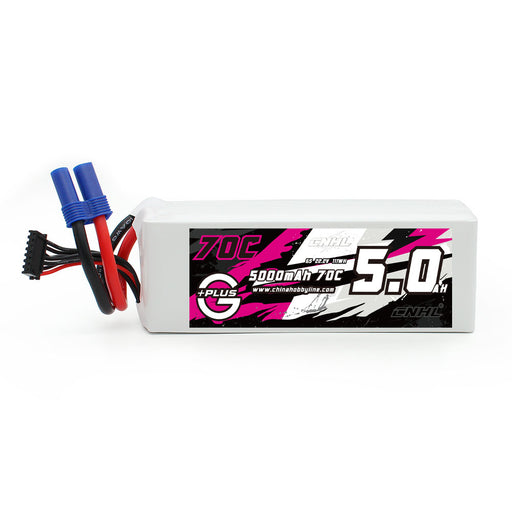
Lihat detail lengkapSpesifikasi: Nomor Stok: 500706EC5 Kapasitas: 5000mAh Voltase: 22.2V / 6-Sel / 6S1P Tingkat Discharge: 70C Kontinu / 140C Ledakan Tingkat Pengisi...
Lihat detail lengkap
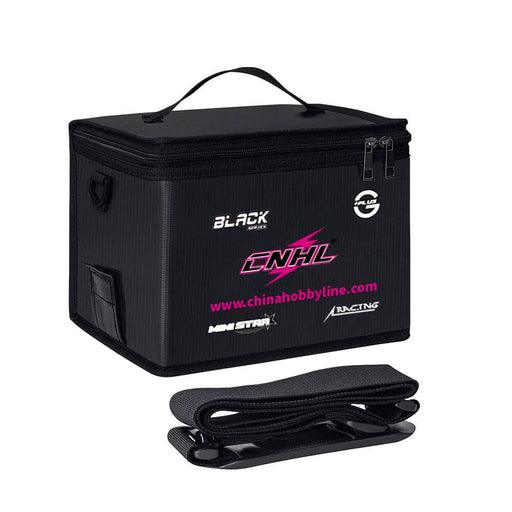
Tas Baterai LiPo CNHL dirancang untuk pengisian, transportasi, dan penyimpanan LiPo yang lebih aman di rumah atau di lapangan. Tas ini menambahkan ...
Lihat detail lengkapPemeriksaan Pemasangan Cepat 2 Paket CNHL Speedy Pizza Series Pro 1350mAh 6S 150C LiPo Battery dengan colokan XT60 dibuat untuk pilot FPV 5 inc...
Lihat detail lengkap

The CNHL Long Range Series BAK 65E 6350mAh 21700 Li-ion battery cell is built around one clear priority: maximum stored energy from a lightweight c...
Lihat detail lengkap

The CNHL Long Range Series BAK 50D 5000mAh 21700 Li-ion battery cell is designed for custom high-energy battery packs that need a strong balance be...
Lihat detail lengkap

The ISDT C4 EVO is a versatile smart battery charger built for AA, AAA and cylindrical rechargeable cells from compact 10440 batteries all the way ...
Lihat detail lengkap

The CNHL Long Range Series 6350mAh 21.6V 6S1P 21700 Li-ion battery combines six BAK 65E high-energy cells into a 137.16Wh pack designed for ultra-e...
Lihat detail lengkap

The CNHL Long Range Series 5000mAh 21.6V 6S1P 21700 Li-ion battery combines six BAK 50D cells into a compact 108Wh pack designed around long-range ...
Lihat detail lengkap




Tinggalkan komentar