
CNHL Lipo akut
CNHL pyrkii tarjoamaan korkealaatuisia Li-Po-akkuja ja RC-tuotteita kaikille harrastajille erinomaisella asiakaspalvelulla ja kilpailukykyisillä hinnoilla
If you’ve been around RC planes for a while, you already know how the Timber name hits people. Some pilots treat it like a “default recommendation,” and others act like every new Timber release is a personal insult. The funny part is: the airplane doesn’t care. It just keeps doing what it’s always done — taking off short, landing slow, and making pilots feel braver than they probably should.
This is a real-use review of the Eflite Timber 1.5m 10th Anniversary Edition. Not a spec-sheet rewrite. I’m pulling in the kind of language pilots actually use (including the TwoBrosRC take and the comment threads), because that’s where the truth usually is: what got better, what still matters, and how to set it up so it feels “right” in the air.

One reviewer opened with a line that pretty much summarizes the whole Timber story: “These airplanes sell a ton and for good reason. Because they’re awesome.” That sounds like hype until you watch how people fly them. Timbers don’t just tolerate messy landings — they invite you to try stuff you’d never attempt on a sleeker sport plane.
It’s also why the eflite timber search demand stays steady. People aren’t only searching for “what is it,” they’re searching because they’re deciding: should I buy one, should I upgrade, or should I finally stop pretending I’m above owning a Timber.

The easy headline is the classic 2016 look is back — short nose, familiar scheme. But the real reason pilots are calling this one a “winner” is that Horizon quietly fixed the stuff that shows up in real ownership:
TwoBrosRC summed it up in a way that feels honest: “This is basically a perfect airplane. It has no visible problems, nothing to really complain about.” That’s a rare thing to say on YouTube and not sound paid. But the flying backs it up.

Here’s the part people miss when they label it a “trainer-ish” plane: the Timber 1.5m is forgiving, but it’s not sleepy. It can be flown mild, or you can push it into silly aerobatic stuff if that’s your personality. That same reviewer said it plainly: “It’s lightweight and it does everything I wanted to do.”
Takeoff is classic Timber: flaps down, smooth throttle, a little back pressure, and you’re flying. You don’t even need full stick — people just say it because it feels good. Landing is the same story. If you wheel-land with a little thrust and fly it down, it behaves. If you want three-point landings, it’ll float in for them. With a bit of wind and angle of attack management, it can land at walking speed.

The official range is broad, and in practice the Timber 1.5m handles both 3S and 4S setups well. The difference isn’t “one works and the other doesn’t.” It’s the feeling:
One pilot comment I liked was basically: “I’d love to fly a Timber like you do.” That’s the point. 4S can help you do that, but it doesn’t replace practice. Fly 3S if you want easy and relaxed. Fly 4S if you want headroom and you have the discipline not to treat every pass like an airshow.

This is where the anniversary changes pay off. People search things like e flite timber battery size, eflite timber battery tray, and eflite timber battery compartment because the Timber is sensitive to one thing: balance. Not “fragile,” just responsive. If it’s nose-heavy, it won’t feel like a Timber.
The practical advice from the TwoBrosRC review was refreshingly simple: get the CG neutral, and the airplane comes alive. They recommended using the steel horizontal stabilizer rod and placing a 2200 pack as far aft as it can reasonably fit to land the balance right where you want it — essentially around the wing center near the cockpit window line. The reason isn’t magic. A bush plane needs tail authority at slow airspeeds, and you don’t get that from a nose-heavy setup.
So when you’re thinking about eflite timber battery size, don’t think only in mAh. Think:

Stock setup leans toward EC3/IC3 style connections. In the real world, a lot of pilots already own XT60 packs because they fly multiple brands. The clean solution is simple: run the connector you prefer, and use a quality XT60-to-EC3 adapter when needed. That gives you flexibility without forcing you into “one plane, one battery ecosystem.”
This matters because pilots aren’t only shopping for a Timber. They’re building a hangar. Making your battery setup work across aircraft is the kind of practical decision that keeps people in the hobby longer.

Here’s a “real pilot” detail that doesn’t come from reading the box. The reviewer shared a flap setup method that turns the Timber into a slower, more controllable airplane without spending money. The short version is: increase flap travel (carefully, and only after disconnecting the pushrod first), then reattach with the flap flush so you get true “barn door” flap movement.
They tested crow and full-span flaps too, but found this simple flap travel adjustment more useful for the Timber’s low-speed handling. It’s the kind of tip that explains why people love the platform: it rewards tinkering, but it doesn’t require it.
One of the best comments came from a viewer who basically asked: I already have a Night Timber X Evo or Super Timber — do I need this? The answer from the reviewer was honest: it’s worth considering, but it’s not mandatory. The 1.5m Timbers fly differently than the Super or X, and that’s the real reason to want it.
If you like the classic look and you want the “most refined” 1.5m experience with fewer compromises (hatch, durability tweaks, better out-of-box servos), the 10th Anniversary version makes sense. If you’re happy with what you already have, you’re not missing out on fun — you’re just missing out on convenience and polish.

When people search “best battery for eflite timber,” they usually want a single answer. The more realistic answer is: pick the battery that matches how you fly.
That’s also why this platform stays popular: it’s not picky, but it’s honest. If you set it up nose-heavy, it will feel nose-heavy. If you balance it neutral, it will do Timber things.
To see compatible battery options we’ve organized specifically for the Timber 1.5m (including 10th Anniversary compatibility), you can start here:
LiPo batteries for Eflite Timber 1.5m (3S & 4S compatible)
The cleanest way to describe it is: the 10th Anniversary Timber feels like the “best version of the classic idea.” It’s still the airplane you can fly off grass, gravel, and imperfect fields. It still does floats if you want to go that route. And it still has that rare mix of forgiving handling and “try it again” durability.
If you’ve always wanted a Timber, this is the kind of release that makes people finally click “buy.” And if you’re already a Timber owner, it’s the kind of release that makes you say: fine, I’ll make room for one more.
Looking for more airplane battery options beyond the Timber platform? Browse the full airplane battery collection here:
CNHL pyrkii tarjoamaan korkealaatuisia Li-Po-akkuja ja RC-tuotteita kaikille harrastajille erinomaisella asiakaspalvelulla ja kilpailukykyisillä hinnoilla
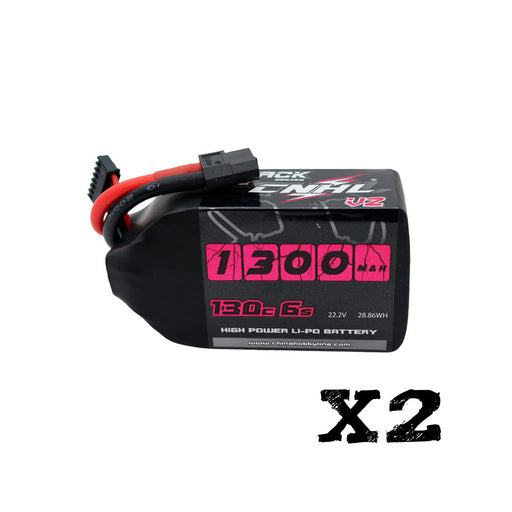
Nopea sovitustarkistus 2 Packs CNHL Black Series V2.0 1300mAh 22.2V 6S 130C LiPo-akku XT60-liittimellä sopii erinomaisesti FPV-lentäjille, jotka ha...
Näytä täydet tiedotVaraosat ja pitkäaikainen tuki Tiedämme, että RC-piloteille luotettava varaosatuki on tärkeä osa sitä, että lentokone pysyy lentokunnossa vuo...
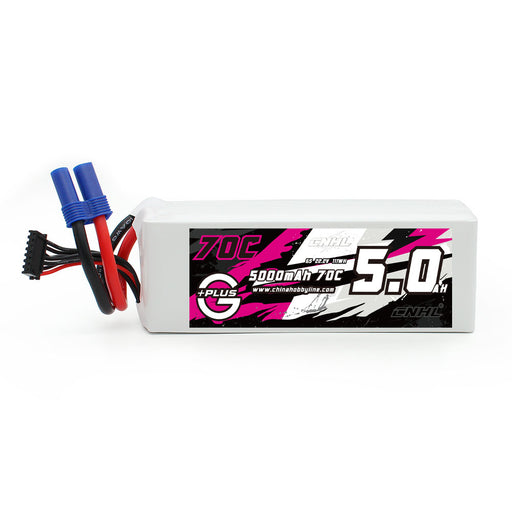
Näytä täydet tiedotTekniset tiedot: Varastonumero: 500706EC5 Kapasiteetti: 5000mAh Jännite: 22,2V / 6-kennoa / 6S1P Purkunopeus: 70C jatkuva / 140C hetkellinen Lata...
Näytä täydet tiedot
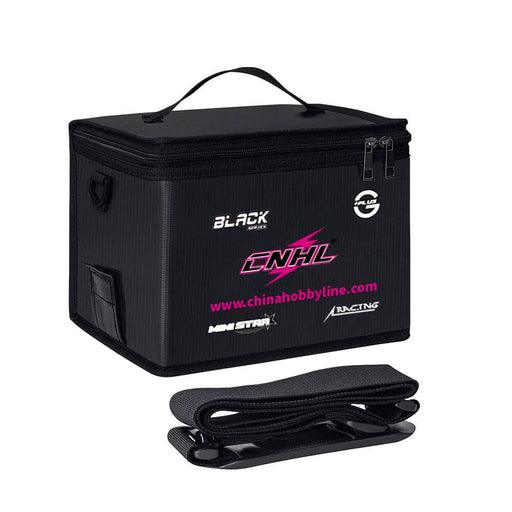
CNHL LiPo Battery Bag on suunniteltu turvallisempaan LiPo-lataukseen, kuljetukseen ja säilytykseen kotona tai kentällä. Se lisää käytännöllisen suo...
Näytä täydet tiedotNopea sovitustarkistus 2 paketin CNHL Speedy Pizza Series Pro 1350mAh 6S 150C LiPo -akku XT60-liittimellä on suunniteltu 5-tuuman FPV-piloteill...
Näytä täydet tiedot

The CNHL Long Range Series BAK 65E 6350mAh 21700 Li-ion battery cell is built around one clear priority: maximum stored energy from a lightweight c...
Näytä täydet tiedot

The CNHL Long Range Series BAK 50D 5000mAh 21700 Li-ion battery cell is designed for custom high-energy battery packs that need a strong balance be...
Näytä täydet tiedot

The ISDT C4 EVO is a versatile smart battery charger built for AA, AAA and cylindrical rechargeable cells from compact 10440 batteries all the way ...
Näytä täydet tiedot

The CNHL Long Range Series 6350mAh 21.6V 6S1P 21700 Li-ion battery combines six BAK 65E high-energy cells into a 137.16Wh pack designed for ultra-e...
Näytä täydet tiedot

The CNHL Long Range Series 5000mAh 21.6V 6S1P 21700 Li-ion battery combines six BAK 50D cells into a compact 108Wh pack designed around long-range ...
Näytä täydet tiedot




Jätä kommentti