Perché 3S è il “punto ideale” per parapendii e paramotori RC
Molti modelli popolari di ali motorizzate si fermano a 3S per una ragione semplice: fornisce una tensione sufficiente per un gonfiaggio e una salita sicuri, senza rendere l’ala nervosa o troppo potente. Con un’ala morbida, l’obiettivo è solitamente una trazione costante e un controllo pulito, non la massima velocità.
Scegliere la capacità in base allo stile di volo
Con parapendii e paramotori RC, la capacità non riguarda solo il tempo di volo. Influisce su come si gonfia l’ala, su quanto “fluttuante” si sente la vela e su quanta autorità di freno si ha ancora quando l’aria diventa un po’ turbolenta. Per mantenerlo pratico, le batterie in questa collezione si dividono naturalmente in due gruppi utili:
-
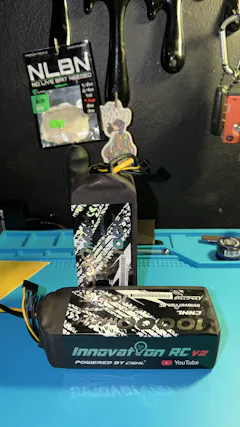
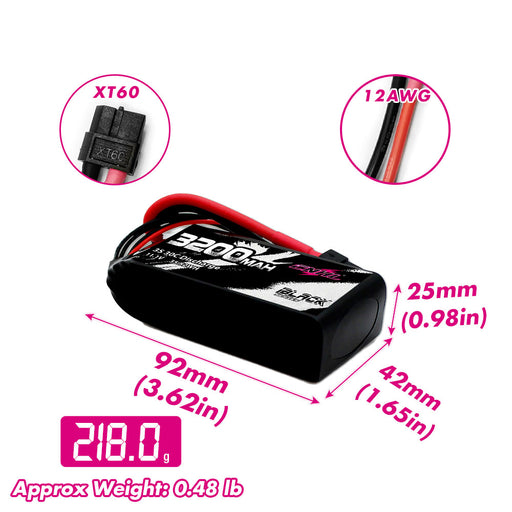
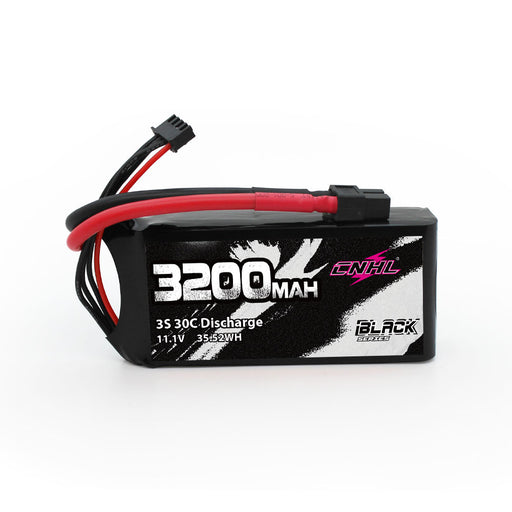
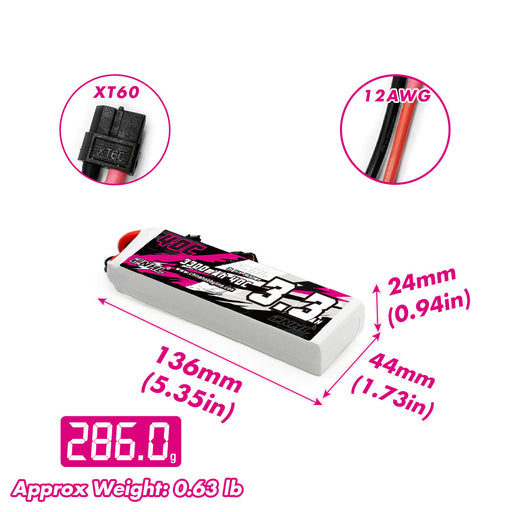
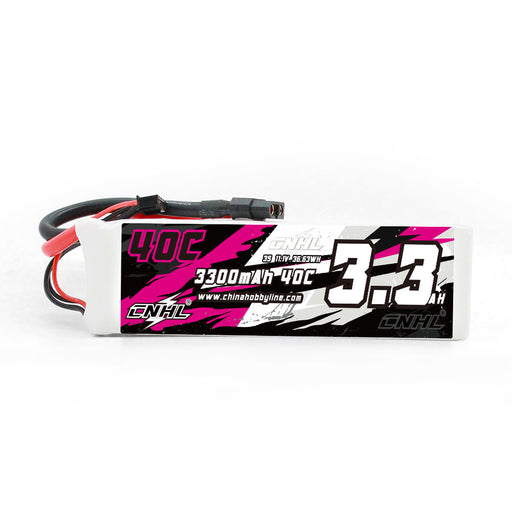
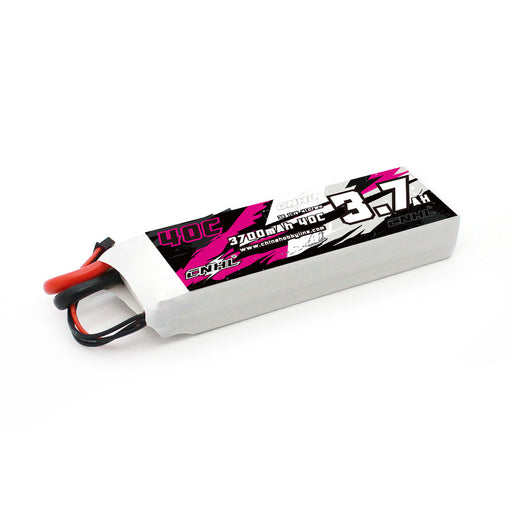
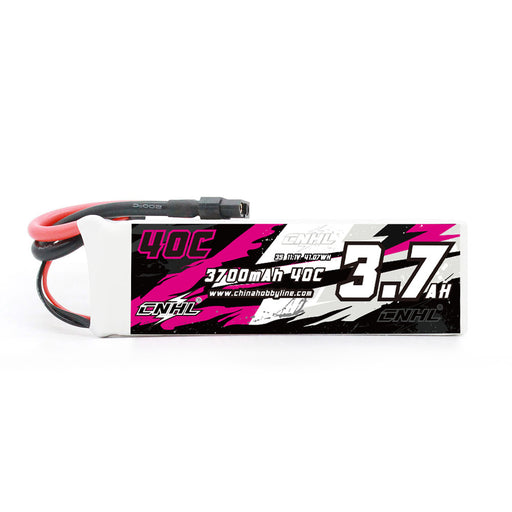
Leggere e reattive (XT60): 3200mAh Shorty, 3300mAh, 3700mAh
Questo è il gruppo “facile da maneggiare”. Il peso più leggero della batteria aiuta l’ala a salire pulita, mantiene il telaio agile e rende i lanci meno impegnativi in spazi ridotti. Se cerchi principalmente sessioni rilassate e un controllo prevedibile, queste sono le batterie che la maggior parte delle persone usa di più. -
Sessioni di crociera più lunghe (XT90): 4000mAh, 5000mAh, 6000mAh, 6200mAh
Questo gruppo è per piloti che vogliono voli più lenti e lunghi con una trazione più costante. Il peso extra può far sentire il sistema più stabile in aria, ma richiede anche una routine di lancio più pulita e abbastanza spazio per gonfiare correttamente l’ala. Se il tuo telaio è già costruito attorno a XT90, questa è la sezione “collega e vola” semplice.
Se stai passando da una batteria RTF inclusa, molti piloti notano il miglioramento maggiore quando passano a una batteria 3S di qualità superiore che mantiene la tensione stabile sotto gas costante. Il modello non diventa improvvisamente più veloce; si sente solo più costante dal decollo all’atterraggio.
Batteria LiPo vs LiHV per ali a vela
Una LiPo 3S standard si carica a 4,20V per cella (12,6V totali). Una batteria 3S LiHV si carica a 4,35V per cella (13,05V totali). Questo piccolo aumento può essere percepito al lancio, specialmente per telai più pesanti. Se scegli LiHV, assicurati che il caricatore e la routine siano adatti alla carica LiHV e evita di trattare LiHV come “potenza gratuita” se il tuo sistema già si scalda.
Valutazione C: cosa conta (e cosa no)
Parapendii e paramotori motorizzati premiano tipicamente una tensione stabile più di una corrente di picco estrema. Una valutazione C ragionevole abbinata a celle di buona qualità può dare una sensazione migliore di un numero gonfiato sulla carta. Nel volo reale, l’“aggiornamento” che si nota spesso è: meno calo di tensione in salita, transizioni del gas più fluide e una regolazione più ripetibile da batteria a batteria.
XT60 vs XT90: perché c’è un adattatore in mezzo a questa lista
I telai per parapendii e paramotori non usano tutti lo stesso tipo di connettore. Alcuni sistemi sono costruiti attorno a XT60 per semplicità e cablaggio più leggero, mentre le batterie 3S più grandi spesso hanno XT90 per una connessione più robusta. Per questo motivo troverai un adattatore da XT90 a XT60 posizionato proprio tra il gruppo XT60 e il gruppo XT90 in questa collezione.
- Se il tuo modello è XT60 e vuoi usare le batterie XT90 a capacità maggiore elencate sotto, l’adattatore ti offre un collegamento pulito senza saldature.
- Se il tuo modello è XT90, resta con il gruppo XT90 per mantenere la connessione diretta e ordinata.
- Se non sei sicuro, controlla il connettore sul cavo ESC (non solo quello nella scatola) prima di ordinare.
Consiglio pratico: tieni gli adattatori ben inseriti, evita tensioni sui cavi e verifica sempre la polarità e l’aderenza corrette prima del primo avvio. Una connessione sicura è più importante sui modelli con ali morbide perché le variazioni di gas sono frequenti e prolungate.
Guida correlata per chi acquista per la prima volta
Se stai ancora cercando di capire la confusione terminologica (perché alcuni modelli motorizzati sono chiamati parapendio mentre altri paramotore), la guida del blog lo spiega in modo semplice e orientato all’hobby: Parapendio vs Paramotore in RC: cosa significano davvero i nomi.
Vuoi una panoramica più ampia sulle batterie per velivoli?
Se voli anche aerei a ala fissa o vuoi confrontare le batterie 3S con altri sistemi per velivoli, puoi consultare il centro batterie completo qui: Batterie per aerei CNHL.
Domande frequenti
I parapendii e paramotori RC hanno davvero bisogno di batterie “ad alto C”?
Non necessariamente. Molti sistemi volano meglio con una batteria di qualità che mantiene la tensione stabile piuttosto che con un numero alto di C indicato sulla scheda tecnica.
Una batteria LiHV è sicura da usare?
Sì, purché la si carichi in modalità LiHV e il sistema rimanga entro temperature ragionevoli. LiHV riguarda la routine di carica e l’abbinamento del sistema, non spingere tutto più forte di default.
Come evitare un lancio disordinato?
Sistema bene le linee, lascia che l’ala si gonfi con calma e usa il gas con delicatezza. Una cinghia sicura e il corretto baricentro di solito migliorano il primo giorno più di qualsiasi altra modifica.