コンテンツへスキップ
パワーを解き放つ
CNHLバッテリーがお得に! >
パワーを解き放つ
CNHLバッテリーがお得に! >

ISDTバッテリーチャージャー、放電器&バッテリーツール

フィルター

  • 元の価格 $33.99 - 元の価格 $33.99
    元の価格 $33.99
    $33.99 USD
    $33.99 - $33.99
    現在の価格 $33.99 USD

    ISDT PC-4860S 1~8S XT60並列充電ボード – 40A・4ポート

    残り10台のみ

    ISDT PC-4860Sは、互換性のある複数のLiPoバッテリーを1台の適切なバランス充電器に接続したい、経験豊富なRCおよびFPVユーザー向けに設計された、コンパクトな4ポートXT60並列充電ボードです。ボードレベルで1S~8Sのバッテリー構成に対応し、最大入力電流は40A、出力ポート...

    詳細をすべて表示
    元の価格 $33.99 - 元の価格 $33.99
    元の価格 $33.99
    $33.99 USD
    $33.99 - $33.99
    現在の価格 $33.99 USD

How to Choose an ISDT Battery Charger

An ISDT charger should be selected around the battery system rather than simply by choosing the model with the highest current or wattage number. A charger that works well for a compact 2S RC car battery may not be the most practical choice for a large 6S aircraft pack, while a high-power DC charger may offer more performance than a casual user needs if an external power supply is also required.

Start with the battery chemistry and cell count, then consider capacity, desired charging speed, available power source and how many batteries you normally charge at the same time. Once those requirements are clear, specifications such as maximum charge power, current and channel count become much easier to compare.

What to Check Why It Matters Typical Question
Battery Cell Count The charger must support the number of cells in the battery being charged. Do I need a 4S, 6S or 8S charger?
Battery Chemistry LiPo, LiHV, LiFe and other chemistries require the correct charging program and voltage limits. Does this charger support the chemistry I use?
Charging Power Available wattage can limit charging current, especially with higher-voltage batteries. Can the charger maintain the current I want on a 6S or 8S pack?
Maximum Current The current rating is another hardware limit, but it must be considered together with power. Is the charger's current rating sufficient for my battery capacity?
AC or DC Input AC/DC chargers can operate from mains power, while DC-only chargers require a suitable external DC source. Do I need a separate power supply?
Number of Channels Dual-channel chargers can independently manage two compatible battery charging tasks. Do I regularly charge two packs at once?
Balance Connection Multi-cell lithium batteries normally require the correct balance connection for safe balance charging. Does my charger and balance lead support this battery?
Discharge Functions Discharging can be useful for storage preparation, battery management and supported testing functions. Do I need charging only, or stronger discharge capability too?

ISDT AC/DC Chargers vs DC Chargers

One of the most important choices when comparing ISDT battery chargers is whether you want a charger with a built-in AC power supply or a DC-only design.

ISDT AC/DC Chargers

An AC/DC charger can connect directly to a compatible mains power source without requiring a separate external DC power supply. This makes AC/DC models especially convenient for home workshops, casual charging and users who want a simpler charging station with fewer separate components.

Some AC/DC chargers can also accept an external DC input. In those designs, maximum charging performance may differ between AC and DC operation because the built-in AC power supply can have a different power limit from the charger's DC input capability. Always check the specification for the actual model rather than assuming that its highest advertised wattage is available from every input source.

ISDT DC Chargers

A DC-only ISDT LiPo charger requires a suitable external DC power source. The advantage is that the charger itself can be compact and, on higher-performance systems, can be paired with a powerful external supply capable of supporting significantly higher charging power.

DC chargers are therefore common among experienced RC pilots, racers and hobbyists who already use a dedicated bench power supply or field charging system.

Important: A DC charger rated for high output power cannot produce that power unless the input power source can supply sufficient voltage and current. Charger capability and power-supply capability must be considered as one system.

Charging Watts and Amps Are Not the Same Thing

When comparing smart battery chargers, maximum current is easy to notice, but wattage is equally important. Charging power is related to battery voltage and charging current, which means a charger's maximum current figure cannot necessarily be maintained at every battery voltage.

As battery cell count increases, the charger needs more power to maintain the same charging current. This is why a charger can appear to have a high current rating but still deliver a lower practical current when charging a high-voltage 6S or 8S battery near the top of its voltage range.

For larger RC batteries, compare both maximum charging current and maximum charging power. The lower practical limit at the battery voltage you are using is what ultimately matters.

Single-Channel vs Dual-Channel ISDT Chargers

A single-channel charger manages one independent charging task at a time. A dual-channel ISDT charger provides two charging channels, allowing two batteries or two separate battery groups to be managed independently when the charger and power source have enough available capacity.

Models such as the ISDT D2 MK2, P20, P30, K1, K2 Air, K2 ZIP, K4 and X16 illustrate the different ways dual-channel charging can be implemented across compact, desktop and high-power designs.

Dual-channel capability can be particularly useful for RC systems that regularly use two packs, such as vehicles running matched battery pairs or pilots who want to prepare multiple flight packs without waiting for one charge cycle to finish before starting another.

However, two channels do not automatically mean that each channel can deliver the charger's full total wattage simultaneously. Check whether the stated specification is per channel or shared across the complete charger.

Choosing an ISDT 6S or 8S Charger

Cell-count support is one of the simplest ways to narrow down the right charger. If you primarily use 2S, 3S or 4S RC batteries, many compact chargers may provide all the cell-count capability you need. Larger RC airplanes, helicopters, cars and boats can move into 6S and 8S battery systems, where both voltage capability and charging power become more important.

An ISDT 6S charger must support six-cell lithium battery charging, while an ISDT 8S charger extends that capability to eight-cell packs. A charger that supports 8S can generally be considered for lower supported cell counts as well, provided the battery chemistry, connectors and charger settings are all correct.

Do not select a charger based on cell count alone. A compact charger and a high-power charger may both support 6S batteries while offering very different practical charging performance for a large-capacity 6S pack.

ISDT LiPo and LiHV Charging

LiPo and LiHV batteries use different maximum cell voltages. Standard LiPo batteries are normally charged to a maximum of 4.20V per cell, while LiHV batteries require a charger with a dedicated LiHV program when they are charged above standard LiPo voltage.

Do not assume that every charger supports every lithium chemistry simply because it supports the required cell count. Check the individual ISDT charger specification and select the correct battery chemistry program before charging.

Battery charging notice: Always use the correct charging mode for the battery chemistry. Never charge a standard LiPo cell above 4.20V. A LiHV battery should only be charged above standard LiPo voltage when the charger specifically supports LiHV charging and the battery manufacturer permits that charge voltage.

ISDT Dischargers and Battery Management Tools

Not every product in the ISDT charging ecosystem is a battery charger. Equipment such as dedicated dischargers, battery checkers and parallel charging accessories serves a different purpose.

Product Type Main Function Example Use
Battery Charger Controls battery charging and balance charging according to the selected chemistry and settings. Charging LiPo packs before driving, flying or racing.
Discharger Removes stored energy from a battery within the device's supported operating limits. Preparing packs for storage or controlled discharge.
Battery Checker Measures battery and cell information without acting as the primary charger. Checking cell voltage before or after use.
Parallel Charging Board Connects suitable batteries in parallel to a compatible charger. Charging several correctly matched batteries as one parallel group.

For example, the ISDT FD-200 is positioned as a dedicated discharge device, while battery tools such as the BG-8S and BG-18S focus more on battery information and pack checking. The PC-4860S is a parallel charging board rather than a standalone charger.

Keeping these product roles separate is important. A battery checker does not replace a charger, and a parallel board does not independently control charging current, chemistry or voltage.

Parallel Charging Requires Additional Care

A parallel charging board can help experienced users connect multiple suitable batteries to one charger, but parallel charging introduces additional battery-matching and safety requirements.

Batteries connected in parallel should use the same cell count and compatible chemistry, and their voltages should be closely matched before connection. Do not use a parallel board to connect packs with substantially different states of charge or different cell counts.

The charger must also be configured for the combined battery capacity and must remain within the electrical limits of the charger, power supply, parallel board, cables, connectors and batteries.

If you prefer to manage packs independently, a dual-channel charger can often provide a simpler charging workflow because each channel controls its own battery separately.

Matching an ISDT Charger to Your RC Application

RC Cars and Trucks

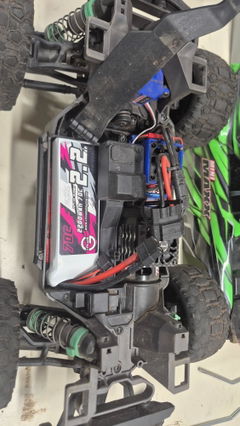
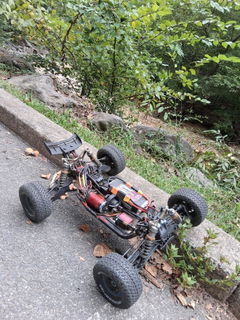
RC car users commonly work with 2S, 3S, 4S, 6S or higher-voltage battery systems depending on vehicle size and power level. For racing and frequent practice sessions, dual-channel charging can reduce downtime, while high-capacity basher batteries may benefit from greater charging power.

RC Airplanes and EDF Jets

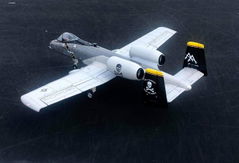
Aircraft batteries can range from compact packs to large 6S or 8S LiPo batteries. Higher-capacity flight packs can require substantial charger wattage if the goal is to reduce turnaround time between flights. Pilots who use several similar flight batteries may also value multi-channel or carefully configured parallel charging workflows.

RC Helicopters

Large RC helicopters frequently use high-capacity 6S batteries, either individually or as matched packs in higher-voltage power systems. Battery size, charging current and the number of packs used during a flying session can make charger power and channel count especially important.

FPV and Drones

FPV users often value compact DC chargers and portable charging setups, particularly when multiple flight packs need to be prepared away from a conventional AC charging station. Smaller batteries can also make parallel charging attractive to experienced users who understand the required battery-matching procedures.

Why Charger Power Supply Selection Matters

For a DC charger, the external power supply is part of the charging system. A high-power charger connected to an undersized power supply will not be able to deliver its advertised maximum output.

Check the charger's permitted DC input voltage and maximum input requirements, then choose a power supply that is correctly rated for the intended load. Connectors, cables and wiring must also be capable of handling the current involved.

For AC/DC models, the built-in AC supply simplifies the system, but the charger's maximum AC output may be lower than the maximum output available when the same charger is operated from an appropriate external DC source.

ISDT Charger Manuals and Product Support

Charger menus, supported battery programs, firmware functions and connection requirements can vary between ISDT models. For that reason, specifications and operating instructions should be checked for the exact charger rather than assumed from another model in the same brand.

ISDT Charger FAQ

What is an ISDT charger used for?

An ISDT charger is used to charge supported RC battery chemistries according to the capabilities of the individual model. Many models provide balance charging for multi-cell lithium batteries, while available features, cell-count support, charging power and input requirements vary by charger.

Do ISDT chargers work with LiPo batteries?

Many ISDT battery chargers are designed for LiPo charging, but always confirm the supported chemistry and cell count of the specific model before use. Select the correct LiPo program and appropriate charging settings for the battery.

Do ISDT chargers support LiHV batteries?

Some ISDT chargers support LiHV charging, but this should be confirmed for the exact model. Use a dedicated LiHV charging program when charging a LiHV battery above standard LiPo voltage.

Does an ISDT DC charger need a power supply?

Yes. A DC-only charger requires a compatible external DC power source. The power supply must provide suitable voltage, current and wattage for the charger's intended operating level.

What is the advantage of an ISDT AC/DC charger?

An AC/DC charger includes the ability to operate from a compatible AC mains source, making it easier to use without a separate desktop power supply. Some models can also operate from DC for a different power or field-charging configuration.

What does dual channel mean on an ISDT charger?

A dual-channel charger provides two independently controlled charging channels. This allows two compatible battery charging tasks to run at the same time, subject to the charger's total power and per-channel limits.

Can an 8S ISDT charger charge a 6S battery?

If the charger supports 6S batteries and the required battery chemistry, an 8S-capable charger can generally be configured for a supported 6S pack. Always select the actual cell count and chemistry of the battery being charged.

Is a parallel charging board the same as a charger?

No. A parallel board is an accessory that connects compatible batteries together for use with a suitable charger. The charger still controls the charge program, current and battery chemistry settings.

Where can I find an ISDT charger manual?

For ISDT products sold by CNHL, check the corresponding product page. Where an official manual is available, it can be linked there so that the documentation matches the exact charger model.

How much charger wattage do I need?

The required wattage depends on battery voltage, capacity and desired charging current. Larger-capacity and higher-cell-count batteries require more power to maintain the same charge rate. Compare both charger wattage and current rather than relying on either specification alone.

Explore More LiPo Battery Chargers

ISDT is one option within a wider range of RC charging equipment. If you want to compare different charger types and brands, browse the CNHL LiPo battery chargers collection.

TOP