
CNHL Lipo Piller
CNHL, tüm hobi meraklılarına mükemmel müşteri hizmetleri ve rekabetçi fiyatlarla yüksek kaliteli Li-Po piller ve RC ürünleri sağlamayı hedeflemektedir

FPV'ye yeniyseniz, LiPo piller kara kutu gibi gelebilir. Bir pil keskin ve güvenilir hissederken, diğeri yumuşak ve düşük voltaj uyarılarıyla gürültülü hissedebilir, etiketler benzer görünse bile. Bu rehber, aslında neler olduğunu basit terimlerle açıklar; gözlüğünüzün ve şarj cihazınızın zaten gösterdiği aynı dili kullanır: voltaj, düşüş, ısı ve alışkanlıklar.
Pil ömrü, uyarı işaretleri, güvenli depolama ve FPV dışındaki kullanım için ömrün sonu işlemleri hakkında daha geniş çerçeveyi öğrenmek isterseniz, LiPo Pil Bakımı ve Güvenlik Rehberi ile başlayın.
Bir LiPo pil, birlikte çalışan hücreler grubudur. Her hücre küçük bir enerji tankıdır. Hücreleri seri bağladığınızda bir pil paketi elde edersiniz: 4S, 4 hücrenin seri bağlanması, 6S ise 6 hücrenin seri bağlanması demektir.
FPV için kimya diplomasına ihtiyacınız yok. Sadece üç pratik şeyi anlamanız yeterlidir:
FPV pilotları genellikle "hücre başı voltaj" ile konuşur çünkü bu 2S, 4S, 6S ve daha fazlasında tutarlıdır. OSD'niz toplam pil voltajını gösterebilir, ancak şarj cihazınız hücre başı voltajı gösterir (ve bu sayı sizi güvende tutar).
| Hücre başı voltaj | Genellikle ne anlama gelir | Bir pilot olarak ne yapmalısınız | Neden önemli |
|---|---|---|---|
| 4.20V | Tam şarj (standart LiPo) | Uçuşunuza buradan başlayın (veya daha yumuşak pilleri tercih ediyorsanız biraz altında) | Maksimum güç, aynı zamanda zayıf pillerin kusurlarını en hızlı gösterdiği an |
| 3.85V (yaklaşık) | Depolama voltajı | Yakında uçmayacaksanız pilleri burada saklayın | Uzun vadeli sağlık için en iyi denge |
| 3.70V (dinlenme) | Birçok pilot için "marjla iniş yapılmış" sağlıklı bölge | İnişten sonra dinlendirin ve şarj cihazında doğrulayın | Derin deşarjdan kaçınan iyi alışkanlık |
| 3.50V (dinlenme) | Rutin kullanım için düşük seviyeye geliyor | Çoğu kullanım şekli için bunu "pilin kullanım ömrü sonu" olarak kabul edin | Tekrarlanan düşük voltaj yaşlanmayı hızlandırır ve şişme riskini artırır |
| < 3.30V (dinlenme) | Rutin uçuş için çok düşük | Bunu normal iniş hedefiniz yapmaktan kaçının | Derin deşarj zayıf hücreler ve erken pil arızası yaratabilir |
Önemli: Gaz altındaki OSD voltajı "dinlenme voltajı" değildir. Voltaj düşüşü sayıyı geçici olarak düşürebilir. Daha güvenli alışkanlık, marjla iniş yapmak ve ardından pil dinlendikten sonra şarj cihazında hücre başı voltajı doğrulamaktır.

İşte yeni başlayanlar için açıklama: aynı güç için daha yüksek voltaj, akım talebini azaltabilir. Daha düşük akım genellikle daha az ısı ve daha az voltaj düşüşü demektir. Bu yüzden birçok pilot 6S kurulumların yük altında daha pürüzsüz ve tutarlı olduğunu hisseder.
Bu, 6S'in her zaman daha iyi olduğu anlamına gelmez. 6S, akım talebinin yüksek olduğu durumlarda size boş alan sağlar (daha ağır quad, agresif pervaneler, sert freestyle, rüzgarlı uzun menzil).
Basit düşünce: 4S ve 6S'i "aynı hareket için pilin ne kadar zor çalışması gerektiği" olarak düşünün. Daha az zorlanma genellikle daha serin piller ve daha tekrarlanabilir uçuşlar demektir.
İlk pillerinizi seçmeye (veya erken voltaj düşüşü yapan yorgunları değiştirmeye) hazırsanız, bu koleksiyon temiz bir başlangıç noktasıdır:
Voltaj düşüşü, yüksek akımın direnç üzerinden zorlanmasıdır. Her pilde direnç vardır: hücrelerin içinde, kablolarda, konnektörde ve her lehim bağlantısında.
Gazı açtığınızda:
Geri çekildiğinizde:
Dikkat edilmesi gerekenler: voltaj düşüşü derinliği (ne kadar alçalıyor), toparlanma hızı (ne kadar hızlı geri geliyor) ve iniş sonrası pil sıcaklığı. Bu üç sinyal etiketten daha fazlasını anlatır.
| Ne fark edersiniz | Genellikle ne anlama gelir | Basit bir çözüm |
|---|---|---|
| Güç artışlarında erken düşük voltaj uyarıları | Soğuk piller, yaşlanan piller veya çok fazla akım talebi | Ilık piller, konnektörleri kontrol edin, daha sağlıklı bir pil veya biraz daha yüksek kapasite düşünün |
| Geri çekilmenize rağmen yavaş toparlanma | Pil yaşlanıyor veya bir hücre zayıf | Onu "sadece kolay uçuşlar" için ayırın ve dengeyi izleyin |
| Piller normal uçuşlardan sonra çok sıcak iniş yapıyor | Kurulum pil veya güç yolunu zorluyor ya da verimsiz | Daha nazik pervaneler, daha hafif yapı veya daha serin kalan bir pil deneyin |
| Konnektör alanı paketten daha sıcaktır | Konnektör veya kablolama darboğazdır | Lehim bağlantılarını kontrol edin, aşınmış konnektörleri değiştirin, gevşek bağlantılardan kaçının |

İlgili okumalar: Eğer en çok hissettiğiniz şey voltaj düşüşüyse (o “yumuşak güç kaybı” orta pakette), işte buna göre hazırlanmış pratik bir satın alma rehberi ağırlık, IR ve gerçek dünya voltaj düşüşü en yaygın kurulum için: 6S üzerinde 5 inç (1100–1300mAh, XT60). 5 İnç FPV Quadcopter için En İyi Pil.
Kapasite (mAh) sadece daha fazla dakika demek değildir. Aynı zamanda daha fazla ağırlık demektir. Ağırlık gaz hissini, fren mesafesini, çarpma enerjisini ve motorların ne kadar zor çalışması gerektiğini değiştirir.
| Drone türü | Tipik batarya stili | Optimizasyon yapılacaklar | Yaygın yeni başlayan hatası |
|---|---|---|---|
| 1S whoop (kapalı alan) | 300-450mAh (hafif) | Çeviklik ve düşük çarpma enerjisi | Zaman için ağır gitmek ve whoopu hantal hissettirmek |
| Cinewhoop (2S-4S) | Orta kapasite, istikrarlı teslimat | Video için yumuşak güç | Sıcak ve dengesiz uçana kadar aşırı büyütme |
| 5 inç serbest stil / yarış | Hızlı toparlanma ile dengeli kapasite | Güç ve tutarlılık | Çok fazla kapasite karıştırmak ve iniş ritmini hiç öğrenmemek |
| Uzun menzil | Verimlilik odaklı daha yüksek kapasite | Stabilite ve daha güvenli marj | Güvenilirliğin en çok önemli olduğu yerde sınırda paketlere güvenmek |
Yararlı alışkanlık: Ana quadınız için bir varsayılan kapasite seçin ve çoğu uçuşta ona bağlı kalın. Daha güvenli iniş zamanlamasını çok daha hızlı öğreneceksiniz.
C derecesi, bir bataryanın kapasitesine göre ne kadar akım verebileceğini tanımlamalıdır. Pratikte, basılı C dereceleri markalar arasında değişir. Yeni başlayanlar için C derecesini kesin bir vaat değil, kaba bir kategori olarak değerlendirin.
Bunun yerine, tekrarlanabilir sinyallere güvenin:
Yeni başlayan kuralı: Önce küçük bir parti alın. Birkaç hafta sonu boyunca tutarlı kalırlarsa, sonra miktarı artırın. Bunu yapmanın basit bir yolu, bir “temel” paketi seçip quadınızın nasıl gerildiğini ve indiğini öğrenirken ona bağlı kalmaktır. Sıfırdan başlıyorsanız, tutarlı bir CNHL FPV Batarya seçmek öğrenme eğrisini çok daha yumuşak hale getirebilir. FPV drone bataryaları koleksiyonumuza göz atabilir ve hafta hafta tekrarlayabileceğiniz bir paketle başlayabilirsiniz.
Çoğu paket aniden ölmez. Küçük alışkanlıklar yüzünden yavaş yavaş zayıflarlar: sıcak paketleri şarj etmek, paketleri tam şarjlı günlerce bırakmak ve derin deşarjı normal rutin olarak uçmak.
| Alışkanlık | Zamanla ne yapar | Daha iyi alışkanlık |
|---|---|---|
| Paketleri hala çok sıcakken şarj etmek | İç direnç daha hızlı artar, ömür düşer | Şarj etmeden önce paketlerin "ılık ama rahat" hale soğumasını sağlayın |
| Paketleri günler/haftalar boyunca tam şarjlı bırakmak | Şişme riski artar, kapasite azalır | Yakında uçmayacaksanız depolama şarjı kullanın (hücre başına yaklaşık 3.85V) |
| Son mümkün saniyeye kadar uçmak | Zayıf hücreler gelişir, paketler tutarsız hale gelir | Dinlendikten sonra hücre başına marj ile iniş yapın ve doğrulayın |
| Tam güneşte veya sizden uzakta şarj etmek | Isı stresi ve kaçırılan uyarı işaretleri | Gölge bir yerde, doğal olarak yanından geçtiğiniz bir yerde şarj edin |
Buradaki temel bilgilerden sonra daha drone’a özgü bakım takibi isterseniz, Doğru Drone Pili Bakımı: Uzun Ömür ve Performans İçin İpuçları yazısına devam edin.
Standart LiPo hücre başına 4.20V şarj olur. LiHV (yüksek voltajlı LiPo) biraz daha fazla enerji ve güç sıkıştırmak için daha yüksek şarj olur (genellikle hücre başına 4.35V). Bazı pilotlar kısa, agresif seanslar için LiHV’yi sever; diğerleri ise sadelik ve tutarlılık için standart LiPo’yu tercih eder.
Güvenlik kuralı: LiHV paketleri sadece LiHV modunda şarj edin. Emin değilseniz, standart LiPo gibi davranın ve önce etiketi doğrulayın.
Doğru şarj modunun neden önemli olduğunu çok daha sert gerçek dünya örneğinde görmek isterseniz, LiPo Pili Aşırı Şarj Ederseniz Ne Olur? Öğrenmeniz Gereken Gerçek Bir FPV Yangını yazısını okuyun.

Uyarıları bir hatırlatma olarak kullanın, meydan okuma olarak değil. Yük altındaki temkinli bir uyarı, yeni başlayanların daha güvenli alışkanlıklar geliştirmesine yardımcı olabilir. Eğer uyarı anında gaz verildiğinde tetikleniyorsa, bu genellikle soğuk paketlere, yorgun paketlere veya aşırı agresif bir kuruluşa işaret eder. Marjla inin ve paket dinlendikten sonra hücre başı voltajı kontrol edin.
Ilık olmak yaygındır. Sıcak olmak bir uyarıdır. Paketi rahatça tutmak istemiyorsanız, bunu bir uyarı işareti olarak kabul edin ve daha sağlıklı bir paket, daha nazik pervaneler veya daha verimli bir kurulumla stresi azaltın.
Çünkü etiketler iç direnç, yaşlanma veya küçük kablolama ve konnektör farklarını göstermez. Depolama sıcağı, sıcakken hızlı şarj ve derin deşarj alışkanlıkları da "aynı" paketlerin çok farklı davranmasına neden olabilir.
Üç alışkanlık işin çoğunu yapar: uçuş yapmayacaksanız paketleri depolama voltajına yakın saklayın, sıcak paketleri şarj etmekten kaçının ve derin deşarjı normal iniş hedefiniz yapmayı bırakın.
Drone türüne ve voltaja göre paket seçmeye hazır olduğunuzda, buradan göz atabilirsiniz:
Bunu faydalı bulduysanız, yer imlerinize ekleyin ve birkaç hafta sonu uçuşundan sonra tekrar göz atın. LiPo bilgisi, kelimeleri gözlüğünüzde gördüklerinizle bağdaştırdığınızda en hızlı şekilde oturur.
CNHL, tüm hobi meraklılarına mükemmel müşteri hizmetleri ve rekabetçi fiyatlarla yüksek kaliteli Li-Po piller ve RC ürünleri sağlamayı hedeflemektedir

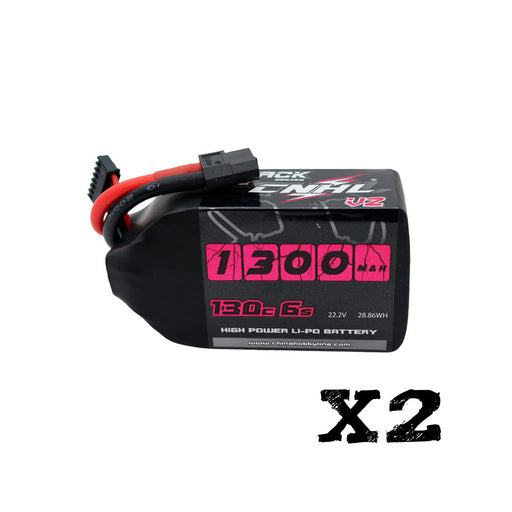
Hızlı Uyum Kontrolü XT60 Fişli 2'li CNHL Black Series V2.0 1300mAh 22.2V 6S 130C LiPo Pil, serbest stil, hızlı sinematik uçuş ve hafif performans s...
Tam detayları görüntüleYedek Parçalar ve Uzun Vadeli Destek RC pilotları için güvenilir yedek parça desteğinin, bir uçağı yıllarca uçurmaya devam etmenin önemli bir...
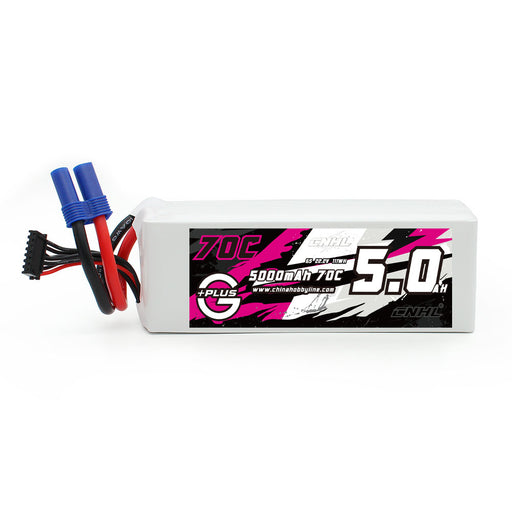
Tam detayları görüntüleÖzellikler: Stok Numarası: 500706EC5 Kapasite: 5000mAh Voltaj: 22.2V / 6-Hücre / 6S1P Deşarj Oranı: 70C Sürekli / 140C Ani Şarj Oranı: Maksimum 5...
Tam detayları görüntüle
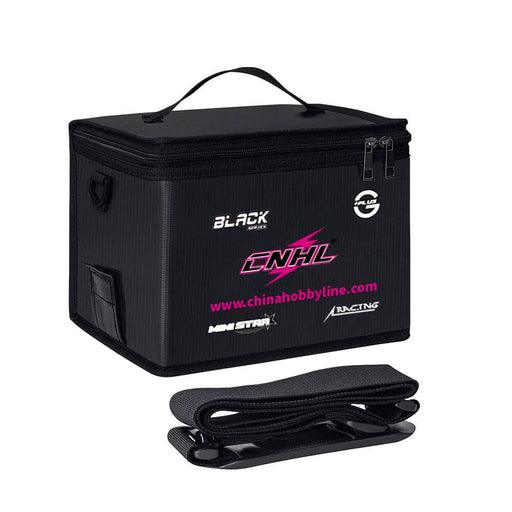
CNHL LiPo Pil Çantası, evde veya sahada daha güvenli LiPo şarjı, taşıma ve depolama için tasarlanmıştır. Pil arızası durumunda ısı, kıvılcım ve ale...
Tam detayları görüntüle

Hızlı Uyum Kontrolü 2 Paket CNHL Speedy Pizza Serisi Pro 1350mAh 6S 150C LiPo Pil XT60 Fişli, daha hafif, daha keskin ve daha tepki veren bir 6...
Tam detayları görüntüle

Hızlı Uyumluluk Kontrolü XT60 Fişli CNHL Speedy Pizza Serisi 2200mAh 22.2V 6S 120C LiPo Batarya, tanıdık 2200mAh 6S formatını; performans FPV dron...
Tam detayları görüntüle

Hızlı Uyumluluk Kontrolü XT60 Fişli CNHL Speedy Pizza Serisi 2200mAh 14.8V 4S 120C LiPo Pil, performans odaklı FPV dronları, RC helikopterler ve u...
Tam detayları görüntüle

Hızlı Uyum Kontrolü XT60 Fişli CNHL Speedy Pizza Serisi 2200mAh 11.1V 3S 120C LiPo Pil, tanıdık 3S 2200mAh uçak pili formatını RC uçaklar, sabit k...
Tam detayları görüntüleCNHL Long Range Series BAK 65E 6350mAh 21700 Li-ion pil hücresi, hafif silindirik bir hücreden maksimum depolanan enerjiyi elde etme gibi tek ve ne...
Tam detayları görüntüle

CNHL Long Range Series BAK 50D 5000mAh 21700 Li-ion pil hücresi, depolanan enerji ile kullanılabilir güç kapasitesi arasında güçlü bir denge gerekt...
Tam detayları görüntüle




Bir yorum bırakın